Ceci
- 01CityTorrile, Italy
- Falstaff Winery - Listed · 2026
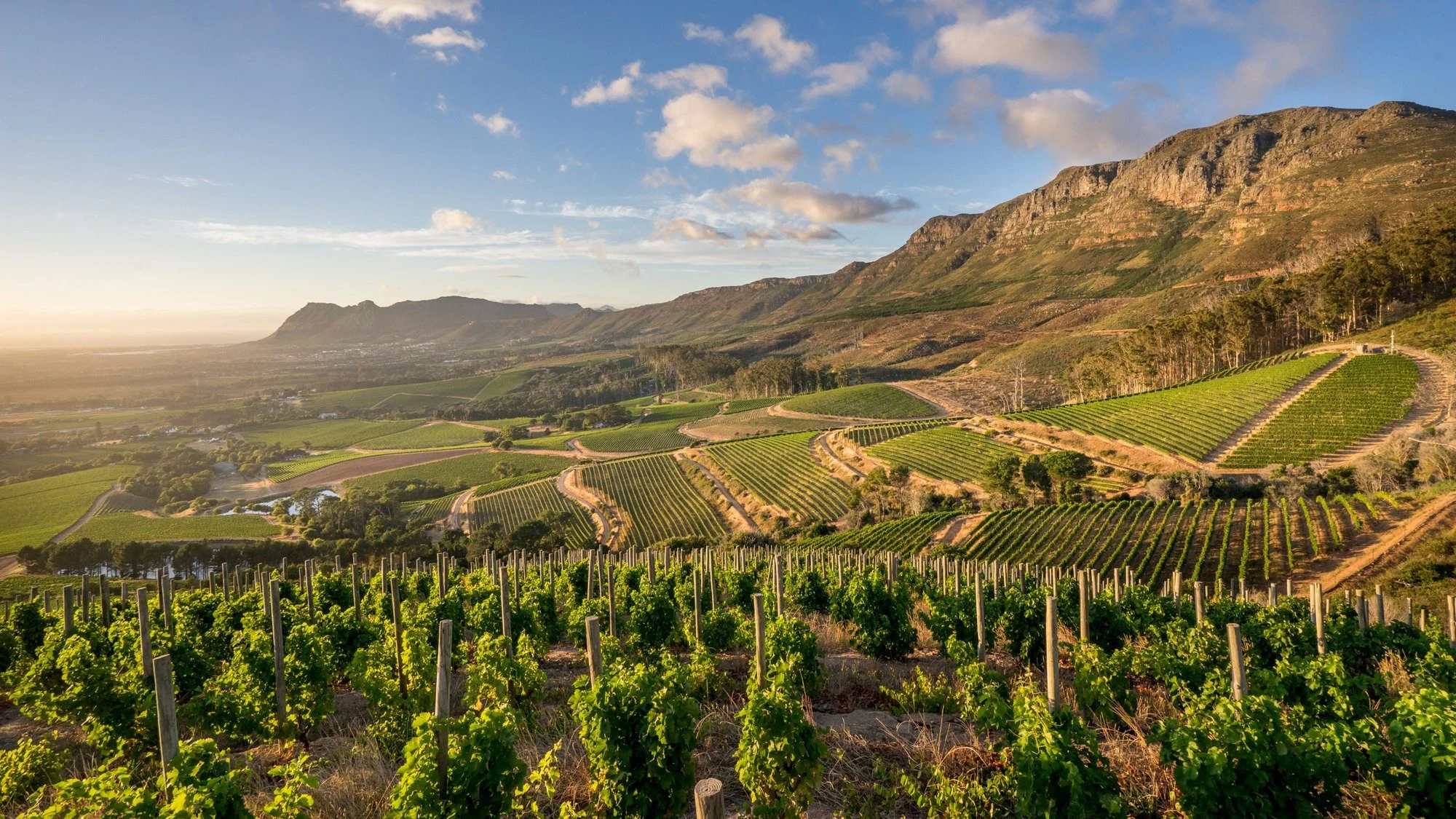
Approaching a Lambrusco winery in Torrile means entering Emilia-Romagna in its flatter, agricultural register: not postcard hill towns, cypress silhouettes, or stone terraces, but low plains, working vineyards, and practical production architecture. Ceci belongs to that world, yet presents it in contemporary form: a brand-forward winery where Lambrusco is treated less as rustic table wine than as a designed object with regional memory.
That matters because Lambrusco has spent decades fighting lazy assumptions. In export markets it was often reduced to sweetness and fizz; in Emilia-Romagna, it has a broader identity as a sparkling red built for food, conviviality, and the region’s fat-rich cooking. The more interesting producers now argue that the grape’s acidity, fruit profile, and lowland origin can support serious craft without pretending to be Barolo, Burgundy, or Champagne. Ceci’s position in Torrile sits inside that tension between agricultural tradition and modern packaging culture.
Lambrusco from the Parma plain, framed through scale and design
The central fact is land. Ceci works from Torrile in Emilia-Romagna, with Lambrusco as its primary varietal focus and a reported vineyard base of 450 hectares. That scale is far from the micro-estate romance of some Italian wine writing, but scale is not automatically a criticism in Lambrusco country. The category has long depended on producers able to translate a local drinking tradition into bottles that travel while keeping freshness intact.
The terrain explains much of the style. The low plains around Parma favor wines with lift, fruit, and a direct line to the table. Lambrusco’s sparkle is not ornamental; it shapes how the wine behaves with salumi, filled pasta, aged cheeses, and the region’s richer cooking. Ceci’s emphasis on sparkling Lambrusco, including the Nerodilambrusco concept and other Lambrusco-led bottlings, belongs to that food-first logic. The design language is modern, but the wine’s usefulness remains old-fashioned in the right way.
Winery’s history gives the project a longer spine. Founded in 1938, it comes from a period when Italian family firms were turning local food and drink into regional brands with wider reach. The Ceci 1938 identity now reads as both heritage marker and commercial signal: not a new-wave natural wine shed or scarcity-driven luxury tasting salon, but a Lambrusco house with production depth, an established family name, and a willingness to package familiar wine in a graphic, contemporary register.
That packaging direction is not cosmetic trivia. Lambrusco’s reputation has often been shaped by how it looks on a shelf as much as how it drinks at the table. Ceci’s recent sustainability-focused packaging innovation, including a 0.75-liter aluminum bottle format for Bolledichardonnay, points to a broader Italian wine trend: established producers using container design, weight, recyclability, and visual identity to shift perception without abandoning regional roots. For a category still explaining itself outside Italy, the bottle can become part of the argument.
The tasting-room case for a misunderstood sparkling red
A visit here is better understood as wine education than cellar-door theater. The experience tags point to tasting room, wine tasting, vineyard tour, and design destination, apt for a producer whose story is about category correction as much as sensory pleasure. Lambrusco rewards side-by-side tasting because its range is often underestimated: dry, softer, darker, brighter, more aperitif-like, or more firmly tied to the meal. A tasting format makes that range legible in a way a single restaurant glass rarely can.
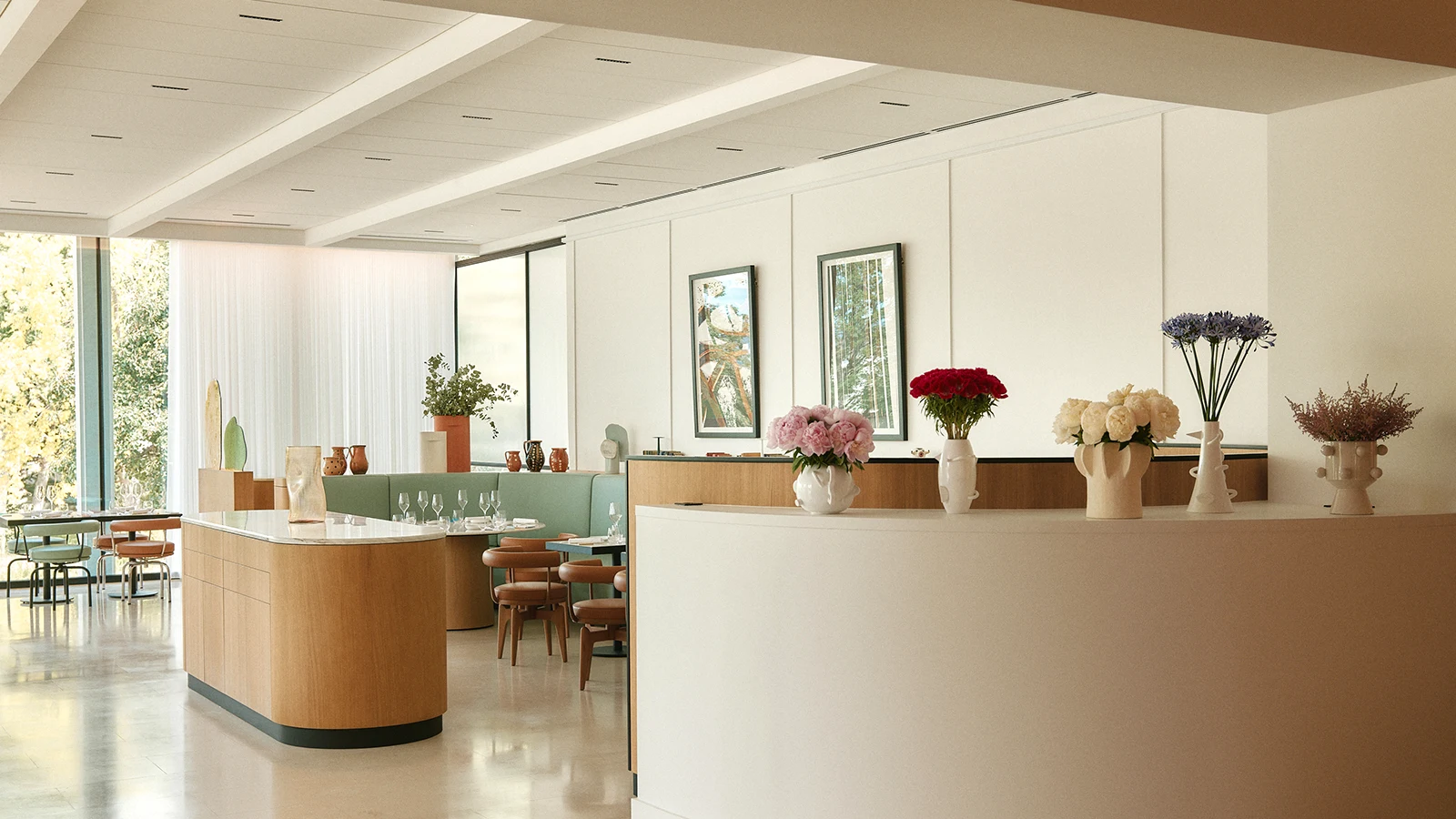
The room’s stated character is modern, classic, and sophisticated, with conversational noise level and a winery setting rather than a restaurant format. That distinction matters. This is not a food-pairing-led destination, and food pairing is not listed as part of the offering. Expect a focused encounter with sparkling wine from Emilia-Romagna, set against vineyards and a brand environment that makes Lambrusco feel current rather than nostalgic.
Practical signals also shape the editorial read. The visit type is by reservation, with booking recommended; the price level is moderate; groups are a natural fit; children and dogs are not the intended audience. Those details point to a structured winery visit rather than a casual drop-in between meals. For travelers building a day around Parma province, it fits as a wine-focused stop before returning to the region’s restaurant culture. For broader planning, keep our full Torrile wineries guide close, and use our full Torrile restaurants guide, our full Torrile hotels guide, our full Torrile bars guide, and our full Torrile experiences guide to place the stop inside a fuller itinerary.
Why the sustainability angle belongs in the wine conversation
In 2026, sustainability language in wine needs scrutiny. It can mark a serious operational shift or a label-friendly slogan. Ceci’s stated production philosophy is sustainable, and its For the Future Sustainability Project launched in October 2025 gives the claim a defined recent marker. More interesting is how that sits beside Lambrusco’s practical identity. This category is built for accessibility and regular drinking, not only cellar prestige, so packaging and production choices can have more reach than at a tiny estate.
The editorial case for Ceci is not that it offers a rarefied pilgrimage. It shows where Lambrusco can go when a historic Emilia-Romagna producer treats design, sustainability, and sparkling red wine as connected subjects. The setting is vineyard-based, the style polished, and the scale part of the story. For travelers who understand Emilia-Romagna through Parmigiano Reggiano, prosciutto, pasta, and balsamic traditions, this is the wine-side counterpoint: a regional bottle built for the table, re-presented for a market that has finally started taking Lambrusco more seriously.
For readers mapping Italian wine beyond Emilia-Romagna, the useful comparison is structural rather than stylistic: how regional producers express place through format, scale, and hospitality. Continue that thread through 3GP SRL in Treviso, 47 Anno Domini in Trebaseleghe, A Mano Wine in Noci, a6mani in Fragagnano, Abbadia Ardenga in Torrenieri, Abbazia di Crapolla in Neapel, Abbazia Monte Oliveto in Asciano, Abbazia Santa Anastasia in Castelbuono, »der Steiner« Hans Steiner in Podersdorf am See, and & Handwein in Mannheim.
Questions
Frequently asked
How expensive is Ceci?
Ceci is listed at a price level of $$.
The field
How it compares
| Place | Notes | Awards |
|---|---|---|
| Ceci | Torrile, $$ | · |
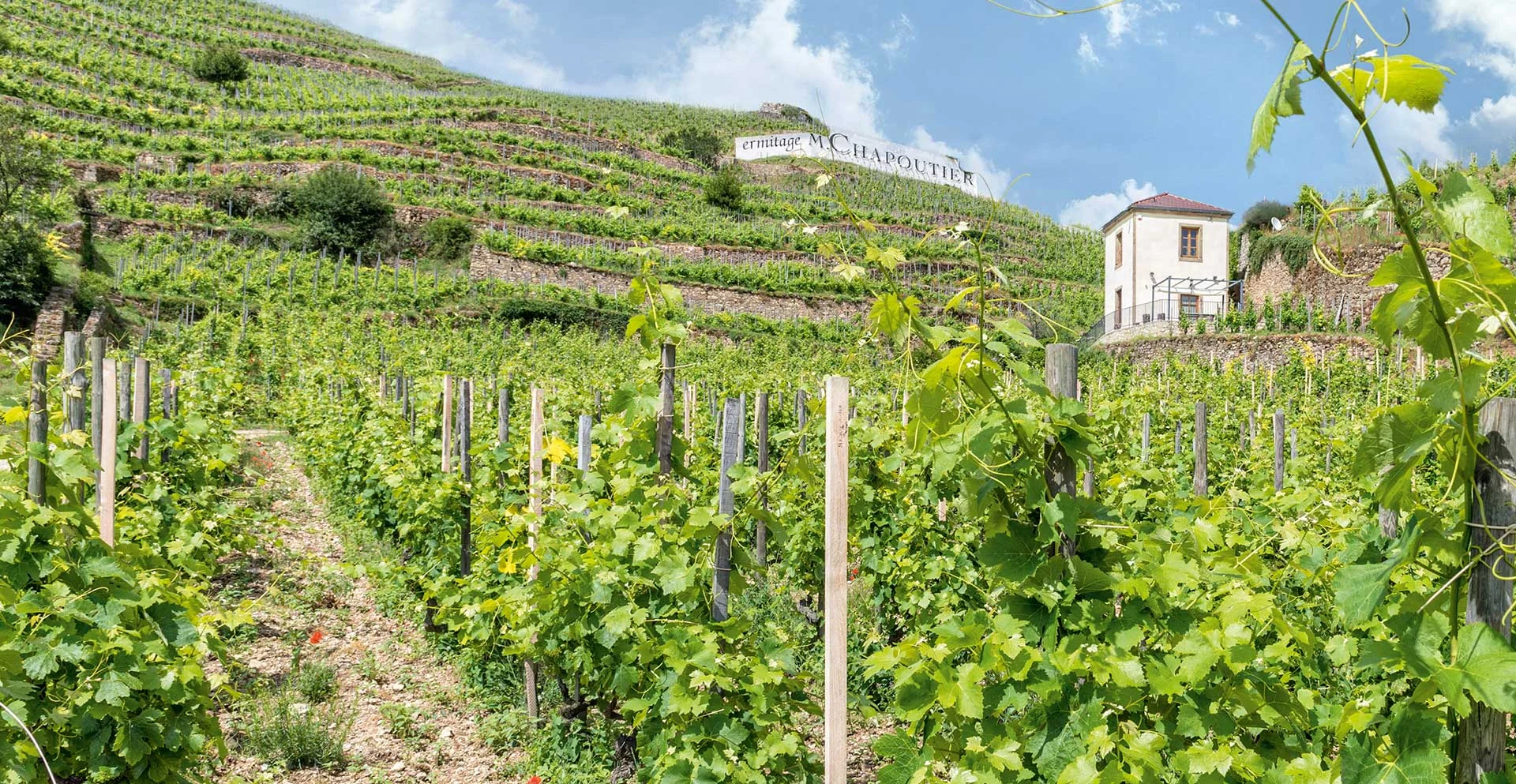
| Chapoutier | Tain-l'Hermitage | World's 50 Best |
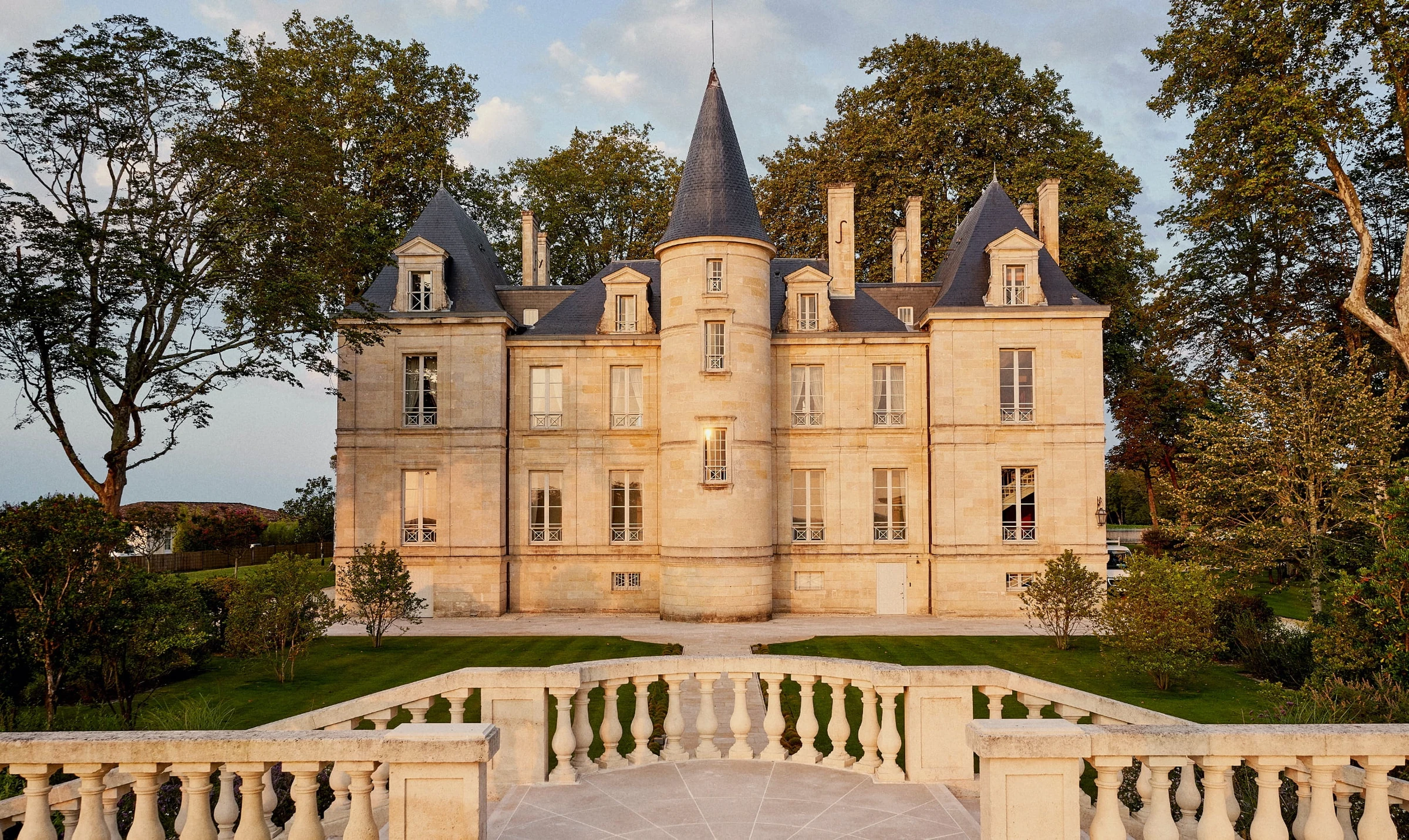
| Château Pichon-Longueville-Comtesse-de-Lalande | Pauillac | · |
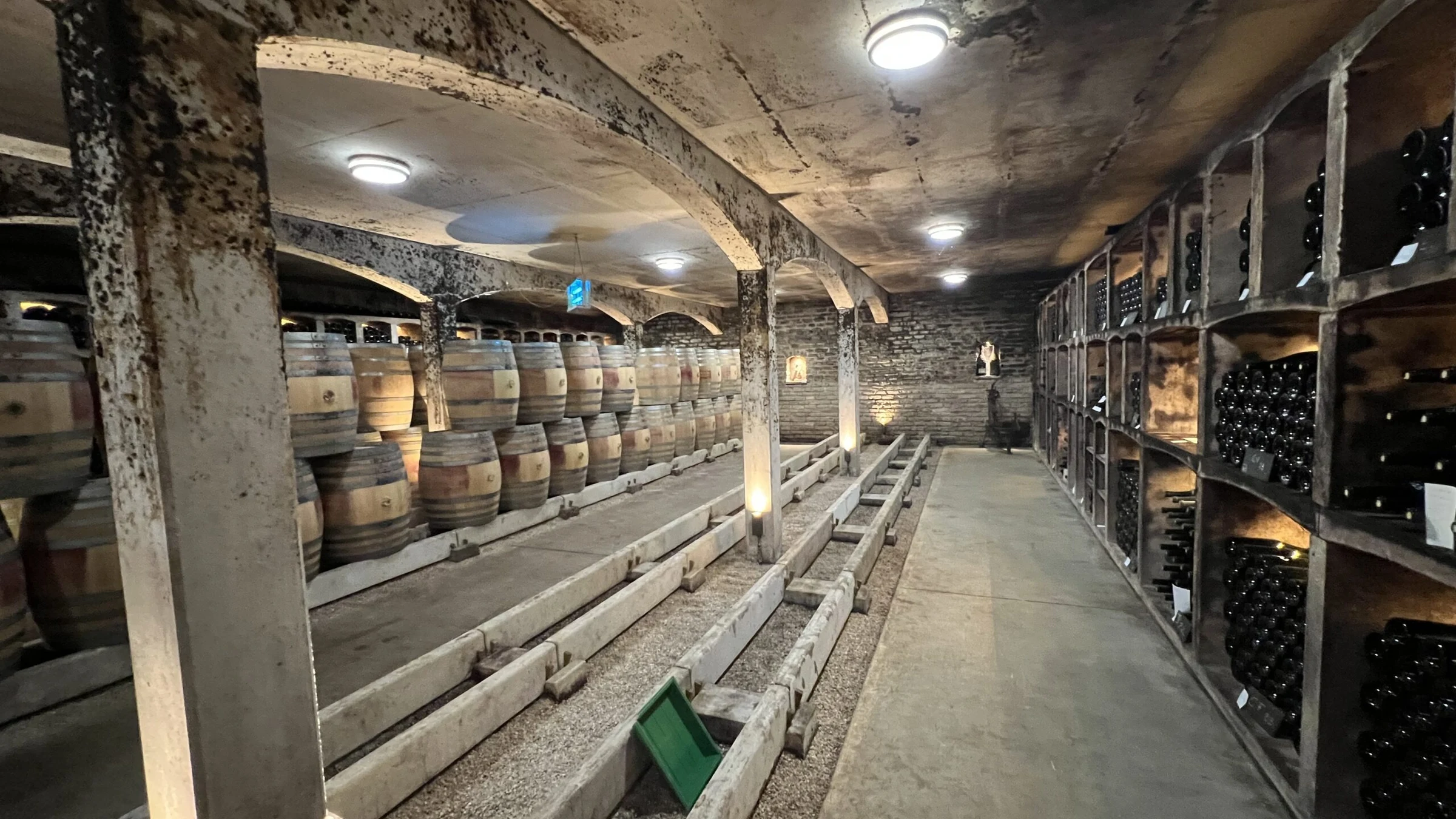
| Domaine Georges Mugneret-Gibourg | Vosne-Romanée | · |
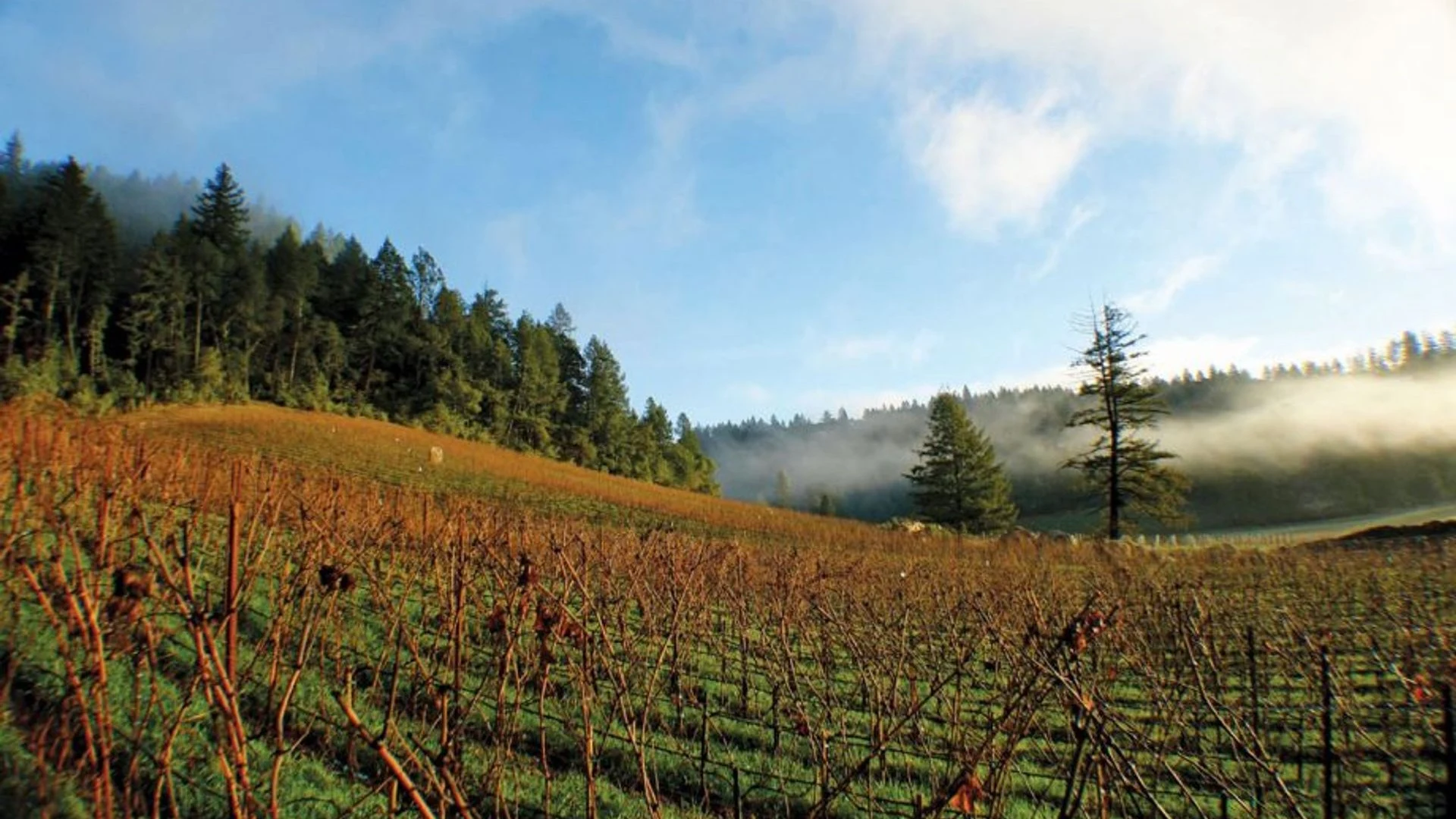
| Hundred Acre | Napa | · |
| Klein Constantia | Cape Town | World's 50 Best |
| Taittinger | Reims | World's 50 Best |