- Falstaff Winery - Listed · 2026
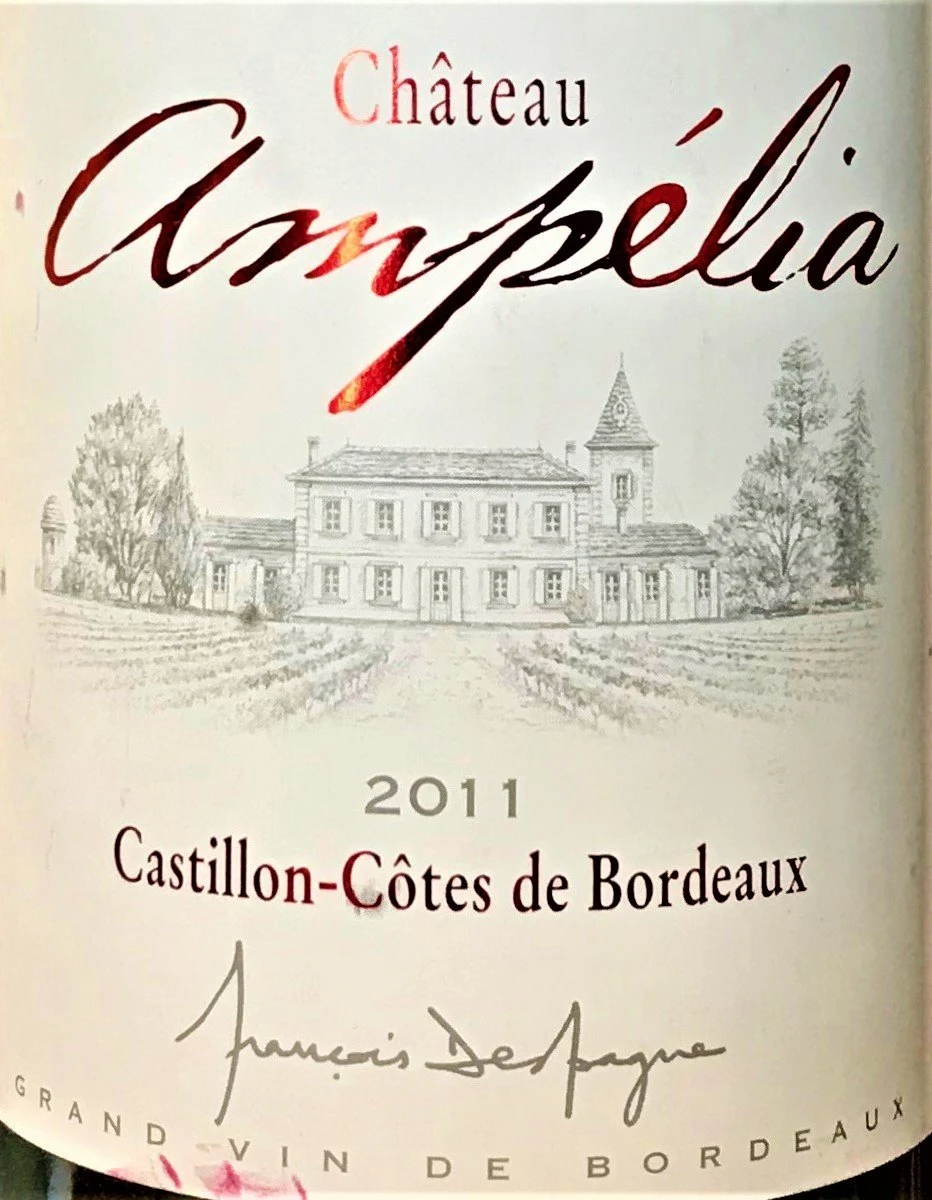
Château Ampélia is a quiet, rural Right Bank Bordeaux estate in Saint Philippe D Aiguille. Its identity is rooted in organically farmed limestone hillsides and in Merlot–Cabernet Franc blends described as elegant, fruit-forward, refined and medium-bodied rather than showy or high-volume. That combination gives the estate a clear editorial shape: it is less about grandeur for its own sake, and more about a grounded relationship between place, farming and the familiar Right Bank language of Merlot supported by Cabernet Franc.
For readers looking beyond the most theatrical side of Bordeaux, Château Ampélia offers a more restrained point of reference: a countryside estate where the emphasis is on farming, limestone hillside character and balanced Right Bank red-wine style. It is best understood through that modest frame. The appeal lies in the way the available facts point toward poise and clarity, not toward spectacle, excess or a long list of promotional claims.
Limestone, Merlot and the quieter Right Bank argument
The clearest grounded way to understand Château Ampélia is through its organically farmed limestone hillsides and its Merlot–Cabernet Franc profile. The estate’s wines are described in terms of fruit, refinement and medium body, not as broad, high-volume or overtly showy bottlings. Those descriptors matter because they set expectations before a bottle is opened: this is a profile that should be read through balance, shape and approachable fruit rather than sheer scale.
That makes the estate useful for drinkers who want a quieter Right Bank Bordeaux expression. Rather than relying on spectacle, the appeal sits in the combination of rural setting, organic farming and a blend style associated with elegance. The limestone hillside reference is especially important to the way the estate is presented, because it keeps the conversation attached to vineyard character rather than detached branding. In this context, “quiet” is not a weakness; it is the organizing idea.
Specific public details beyond that core profile should be treated cautiously unless confirmed directly with the estate. The reliable editorial takeaway is simple: Château Ampélia is a Saint Philippe D Aiguille estate associated with organically farmed limestone hillsides and refined Merlot–Cabernet Franc Bordeaux. That is enough to give it a distinct position, but not enough to justify embellishing the story with unconfirmed production claims, hospitality promises or broader reputational shortcuts.
A focused Right Bank Bordeaux profile
Château Ampélia’s profile is focused on elegant, fruit-forward Merlot–Cabernet Franc blends. The wines are best framed as medium-bodied and refined, with the estate’s rural hillside setting doing more of the work than luxury positioning or high-volume production claims. For readers, that means the most useful lens is stylistic rather than ceremonial: think in terms of fruit expression, restraint and the structure expected from a Right Bank blend, without assuming that the estate is trying to perform as a grand wine-tourism stage.
No confirmed score, award, founding date, production figure, ownership detail, visitor format or menu-style tasting structure is available in the public record here. For that reason, this guide does not treat Château Ampélia as an award-led or hospitality-led destination. The absence of those details should not be filled in with guesswork. It simply narrows the focus to what can be said with confidence: farming, limestone hillside setting, blend composition and a restrained house profile.
Its place in a Bordeaux itinerary is better understood through restraint: organic hillside farming, Right Bank blend composition and a quieter Saint Philippe D Aiguille setting. That restraint is useful for planning because it avoids overselling the experience. Château Ampélia reads as a wine reference for visitors who are already interested in how a rural estate can express a precise, less theatrical side of Bordeaux, rather than as a stop built around confirmed extras or staged attractions.
How to place it in a Saint Philippe D Aiguille itinerary
Saint Philippe D Aiguille is best approached as a rural Right Bank Bordeaux stop rather than an overbuilt urban wine-tourism hub. Château Ampélia suits an itinerary for visitors interested in limestone hillside farming, Merlot–Cabernet Franc blends and a more understated estate profile. In practical editorial terms, it belongs in a route shaped by curiosity about place and style, not in one that depends on guaranteed hospitality structures or headline-making claims.
The grounded facts support Château Ampélia as a quiet Saint Philippe D Aiguille wine reference, not as a destination defined by a confirmed tour format, dining program or hospitality package. That distinction is important. The estate can still be meaningful within a Bordeaux journey, but its meaning comes from the clearer, narrower set of facts available: rural Right Bank location, organic farming, limestone hillside context and refined red-wine identity.
Within the local context, compare Château Ampélia with other Saint Philippe D Aiguille wine options only in general terms: it stands out here for its organic hillside farming and refined, fruit-forward Right Bank blend style. The most accurate way to hold it in mind is as a calm, focused counterpoint to louder Bordeaux narratives, a place whose available description favors elegance, fruit and medium-bodied balance over volume, theatre or prestige.
Questions
Frequently asked
Who works at Château Ampélia?
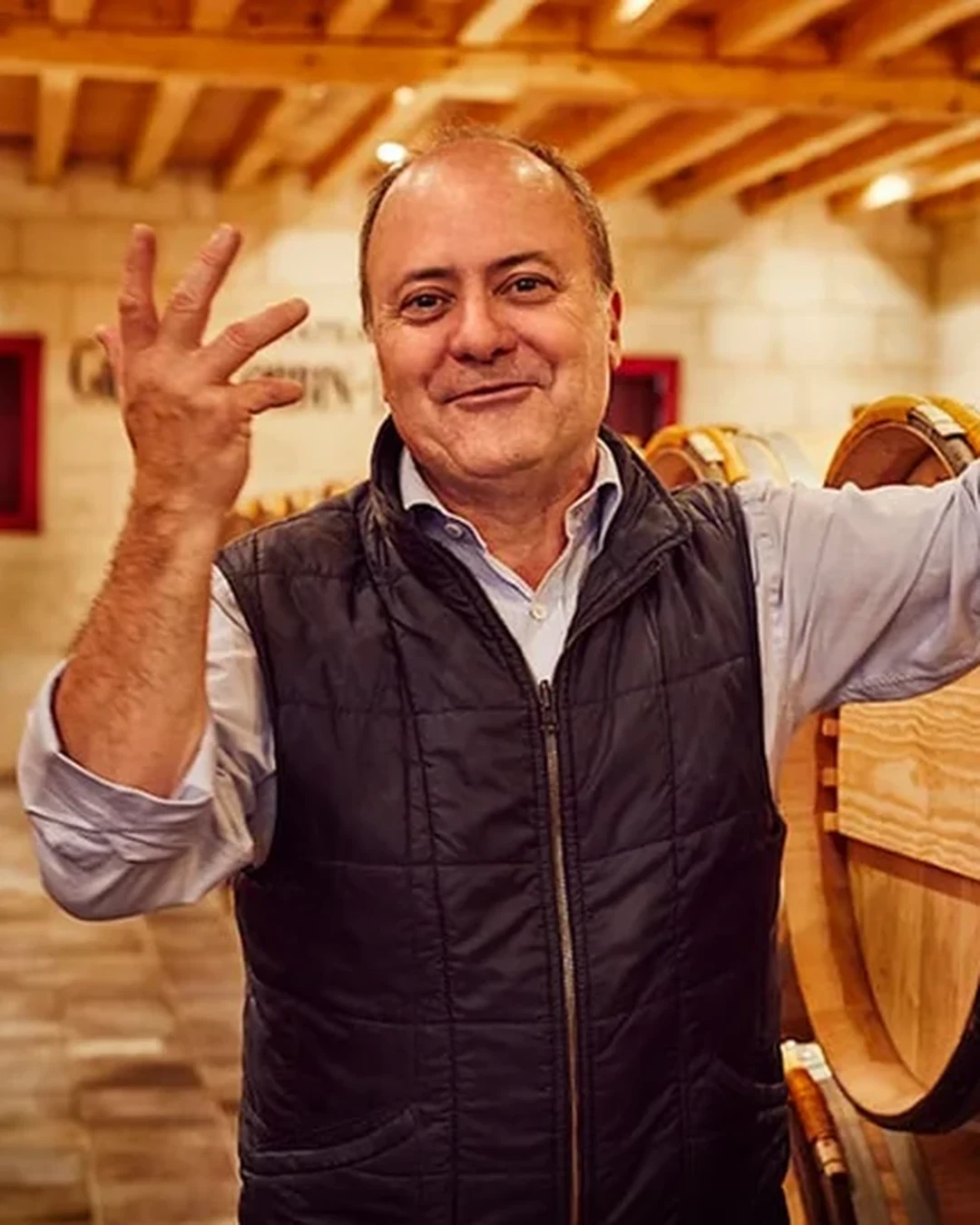
Made By profiles François Despagne (Winemaker) and Murielle Despagne (Co-Owner) at Château Ampélia.
How expensive is Château Ampélia?
Château Ampélia is listed at a price level of $$.
The field
How it compares
| Place | Notes | Awards |
|---|---|---|
| Château Ampélia | Saint-Philippe-d'Aiguilhe, $$ | · |
| Abadía Retuerta | Sardón de Duero | World's 50 Best |
| Château Cheval Blanc | Saint-Émilion | · |
| Château La Conseillante | Pomerol | · |
| Jacques Selosse | Avize | · |
| Quinta do Noval | Pinhão | World's 50 Best |
| Vieux Château Certan | Pomerol | · |