Château Cheval Noir
- 01CityBordeaux, France
- Falstaff Winery - Listed · 2026
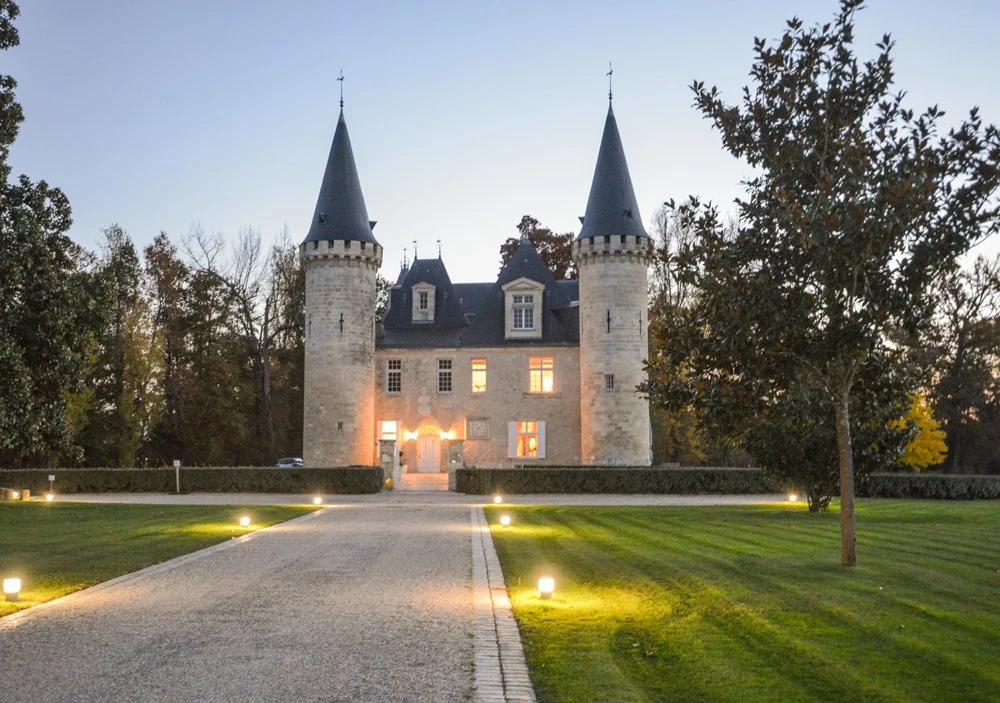
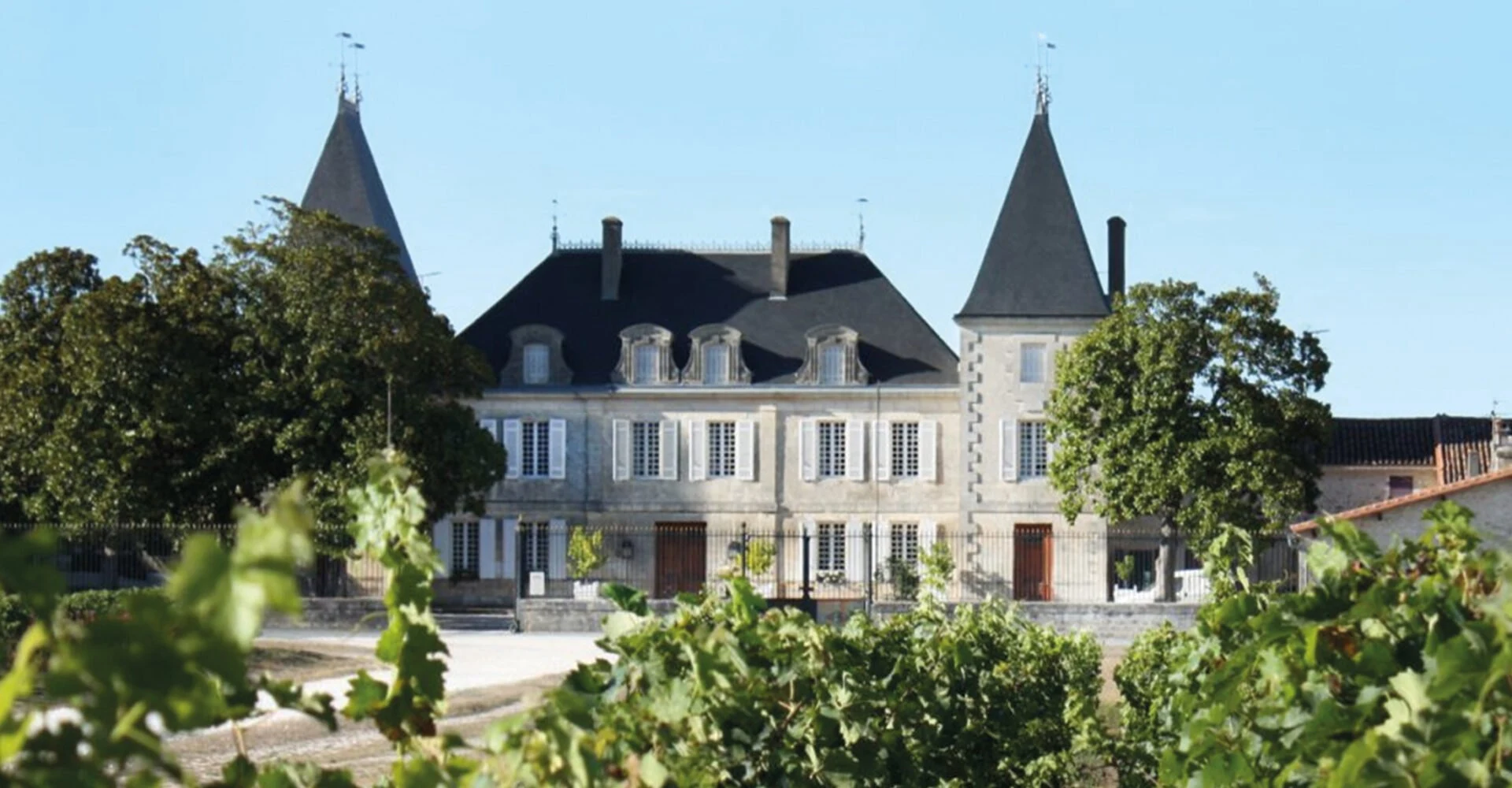
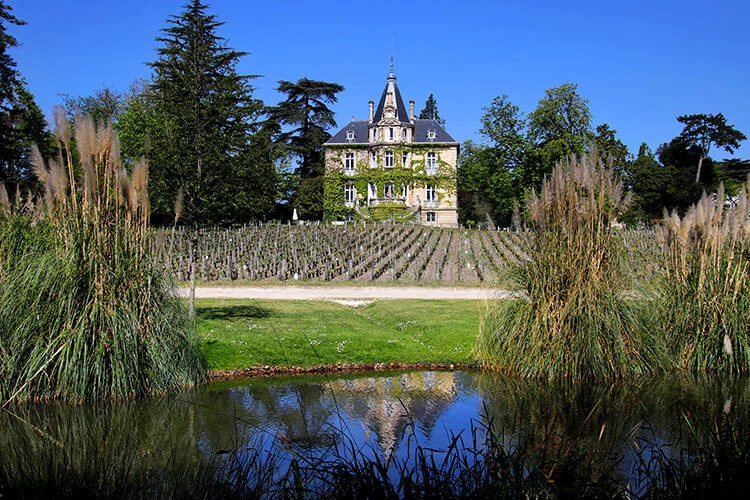
Approaching Saint-Émilion wine country, the mood changes from urban Bordeaux to vineyard scale: low stone, ordered rows, and the quieter tempo of estates where the work is agricultural before it is theatrical. Château Cheval Noir belongs to that register. Its setting is classic and rustic rather than show-driven, with vineyard views and a small-estate identity that puts the land, not hospitality choreography, at the centre of the experience.
Right Bank Bordeaux is often reduced to a simple Merlot shorthand, but the better reading is geological. In Saint-Émilion, clay, limestone, gravel, and iron influence how Merlot ripens, how tannin carries, and how fruit reads after barrel aging. Here, the key facts are unusually clear: a small estate of roughly 5 to 6 hectares, predominantly old Merlot vines over 50 years of age, and siliceous soils with ironpan subsoil. That is enough to explain why the estate’s red-wine identity leans toward structure and dark-fruited roundness rather than sheer gloss.
Old Merlot on iron-rich Saint-Émilion soil
The main story at Château Cheval Noir is terroir expression through Merlot. The estate’s Saint-Émilion AOC position places it inside Bordeaux’s Right Bank tradition, where Merlot carries much of the conversation and Cabernet Franc or Cabernet Sauvignon can play supporting roles. The wine focus is still red, with still white also present in the portfolio, but the red-wine grammar is the more telling lens: old vines, siliceous ground, iron-rich subsoil, and conventional production methods aimed at balance rather than experimental style.
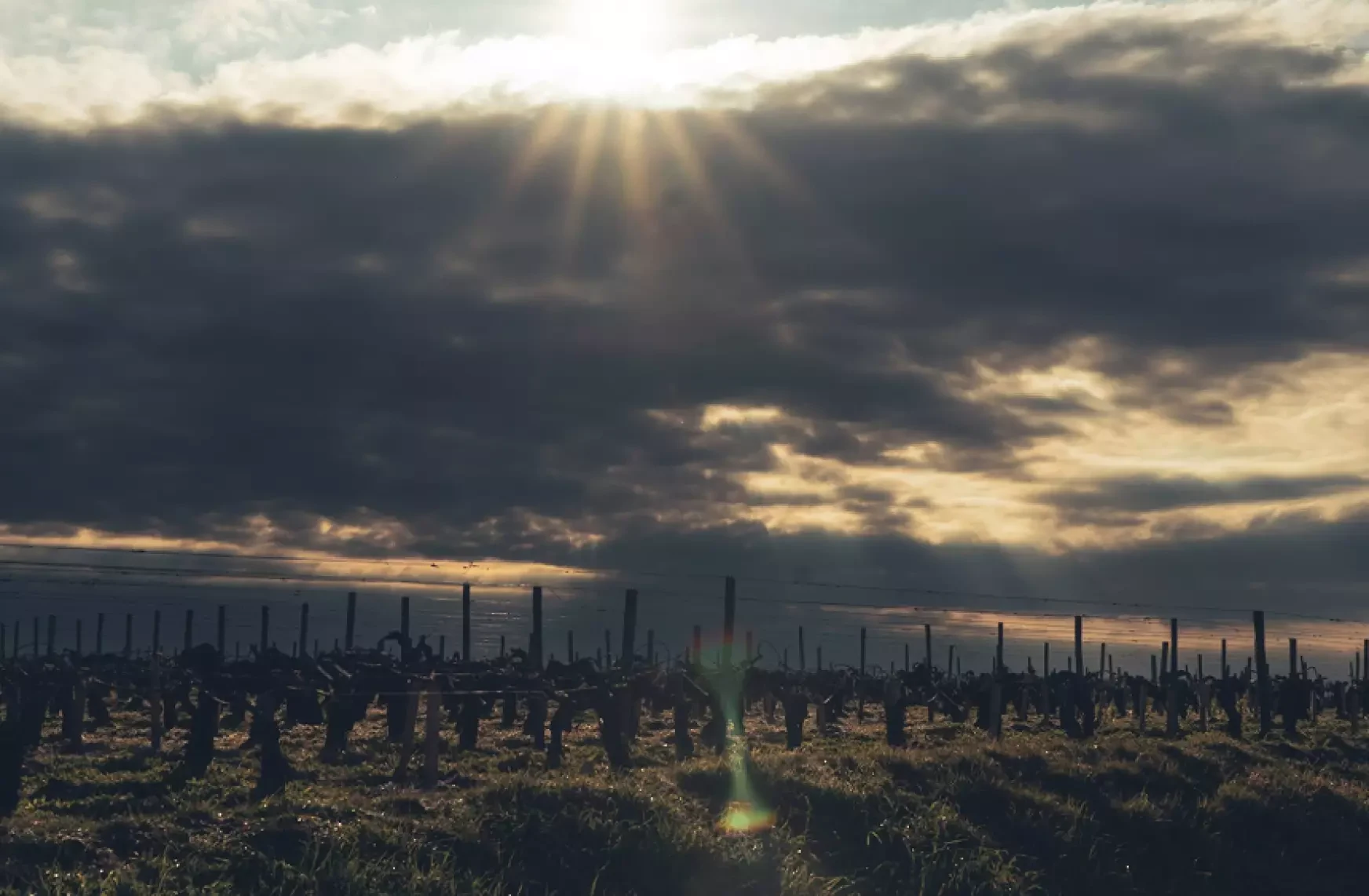
Old vines matter in this part of Bordeaux because they tend to give less obvious abundance and more composure. The estate’s production scale is small, and that matters too. A 5 to 6 hectare property cannot speak in the same register as a large négociant label or a heavily touristed château. Its value lies in concentration of place: a compact vineyard footprint, fruit shaped by Saint-Émilion’s soils, and a house style that fits the classic Right Bank frame.
The founding date, 1895, gives Château Cheval Noir a long arc in a region where continuity carries weight. The property is associated with Mähler-Besse, a Bordeaux name with deep roots in wine production and trade. That ownership context is useful not as family romance, but as a signal of how Bordeaux often works: estates, merchants, vineyard holdings, and cellar decisions are intertwined rather than neatly separated. The result here is a wine identity grounded in Saint-Émilion rather than a standalone personality cult.
A compact portfolio built around Right Bank structure
The red wine is the anchor. Merlot leads the vineyard story, supported in the broader varietal picture by Cabernet Franc and Cabernet Sauvignon. Oak aging belongs naturally to the Saint-Émilion idiom, where barrel influence is used to frame fruit and tannin rather than erase them. The tasting profile associated with the estate points to ripe red fruit, grilled-toast notes, spice, and a structured finish, which places the wine firmly inside the recognizable language of classic Bordeaux rather than the lighter, early-drinking end of the spectrum.
Presence of Sauvignon Blanc adds a useful counterpoint. Bordeaux Blanc is sometimes treated as secondary in a red-dominant region, but it remains part of the area’s broader craft, especially when early harvesting and lees aging are used to keep freshness and texture in play. At Château Cheval Noir, the still-white side gives the portfolio a second register without changing the estate’s central identity: this is a Saint-Émilion property read first through Merlot and soil.
For travellers building a Bordeaux wine itinerary, the distinction is useful. Some estates sell grandeur; others sell access, cellar theatre, or architectural scale. This one reads as a low-key Right Bank stop, better suited to visitors interested in vineyard specificity than in high-volume tasting-room energy. The quiet setting and appointment-led format reinforce that character. It is a place to understand how small Bordeaux estates translate vine age, soil composition, and appellation norms into bottle form.
How it fits a Bordeaux itinerary
Bordeaux rewards planning by subregion. A Saint-Émilion day has a different rhythm from a Médoc day: shorter village-scale movements, more emphasis on Merlot-based wines, and a closer relationship between vineyard parcels and limestone or clay formations. Château Cheval Noir fits that Saint-Émilion pattern, especially for travellers who want a small-estate counterpoint to grander Bordeaux names. The setting is quiet, groups are not the natural audience, and the visit style suits a focused wine stop rather than a casual drop-in circuit.
Readers mapping a wider Bordeaux wine route can use Our full Bordeaux wineries guide as the practical hub, then broaden the trip through the city’s dining, hotel, drinking, and cultural layers with Our full Bordeaux restaurants guide, Our full Bordeaux hotels guide, Our full Bordeaux bars guide, and Our full Bordeaux experiences guide. For more winery reading within the broader Bordeaux orbit, see Chateau Leoville Las Cases, Chateau Quattre, Château Be Bordô, Château Borie-Manoux, and Château du Bois Chantant.
The wider French and European wine map is useful context as well, not because these regions compete directly, but because they show how differently place can be expressed through vineyard culture. Champagne’s grower scale appears in A. Margaine in Villers-Marmery; southern French monastic heritage shapes Abbaye de Fontfroide in Narbonne; Languedoc breadth comes through Abbotts & Delaunay in Marseillette. Farther afield, »der Steiner« Hans Steiner in Podersdorf am See and & Handwein in Mannheim underline the same point: serious wine travel is less about chasing labels than reading how a place turns climate, soil, vine age, and cellar choices into a coherent glass.
Questions
Frequently asked
How expensive is Château Cheval Noir?
Château Cheval Noir is listed at a price level of $$$.
The field
How it compares
| Place | Notes |
|---|---|
| Château Cheval Noir | Saint-Émilion, $$$ |
| Château Be Bordô | Bordeaux |
| Château Borie-Manoux | Bordeaux |
| Château du Bois Chantant | Bordeaux |
| Château Les Carmes Haut-Brion | Bordeaux |
| Crus et Domaines de France | Bordeaux |
| Domaines Barons de Rothschild (Lafite) | Bordeaux |