Château Dassault
- 01CitySaint-Émilion, France
- Falstaff Winery - 3 Stars · 2026
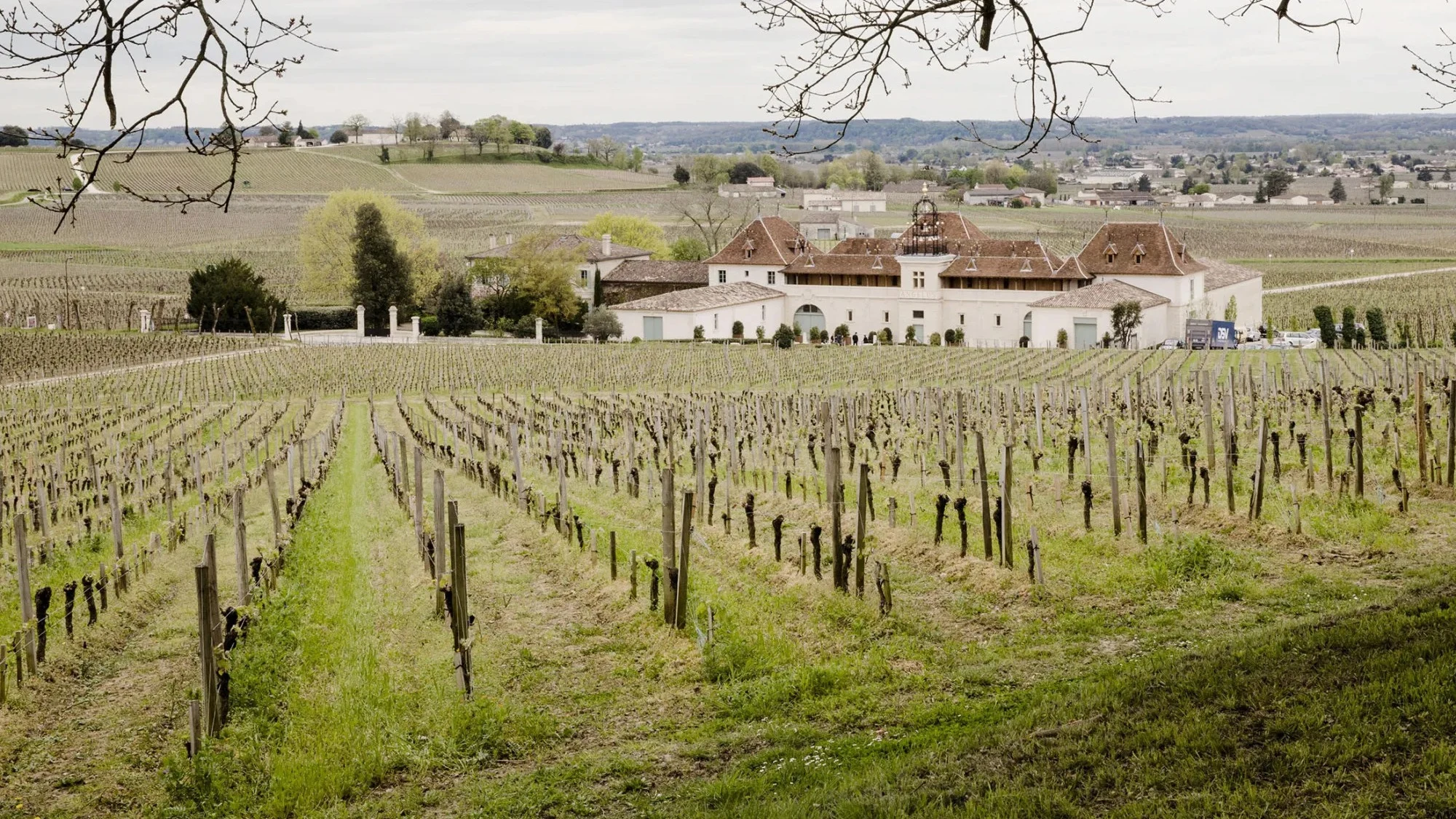
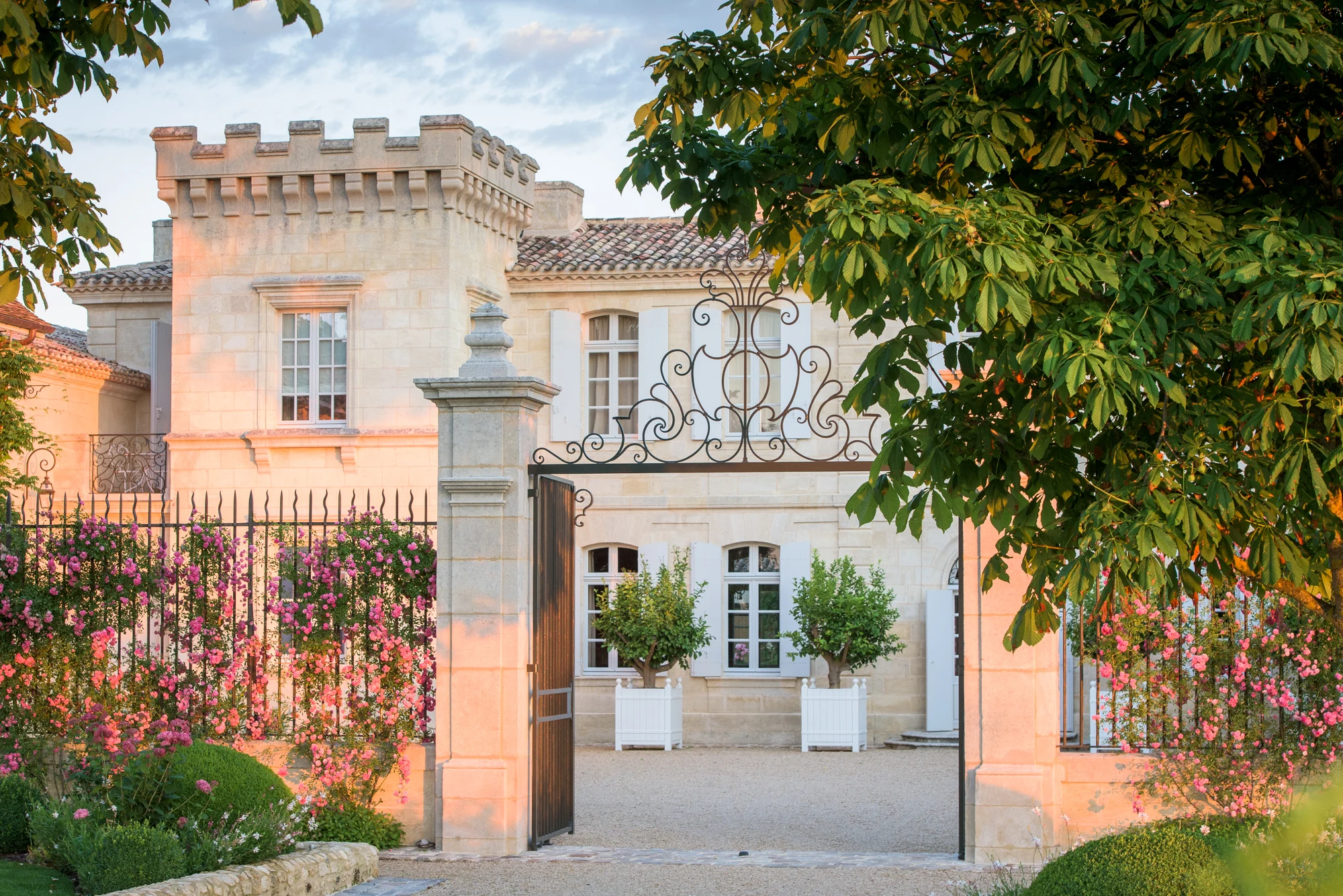
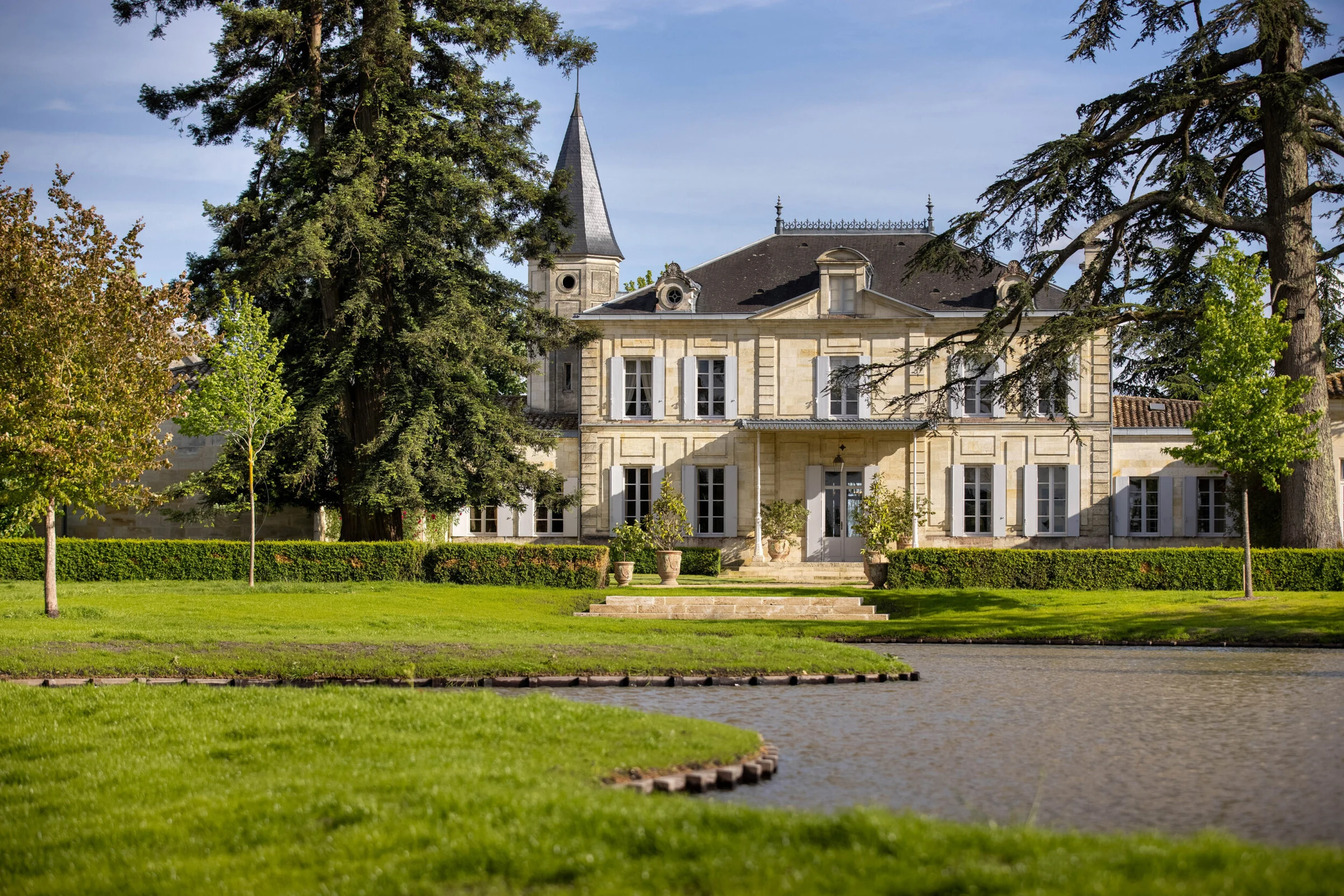
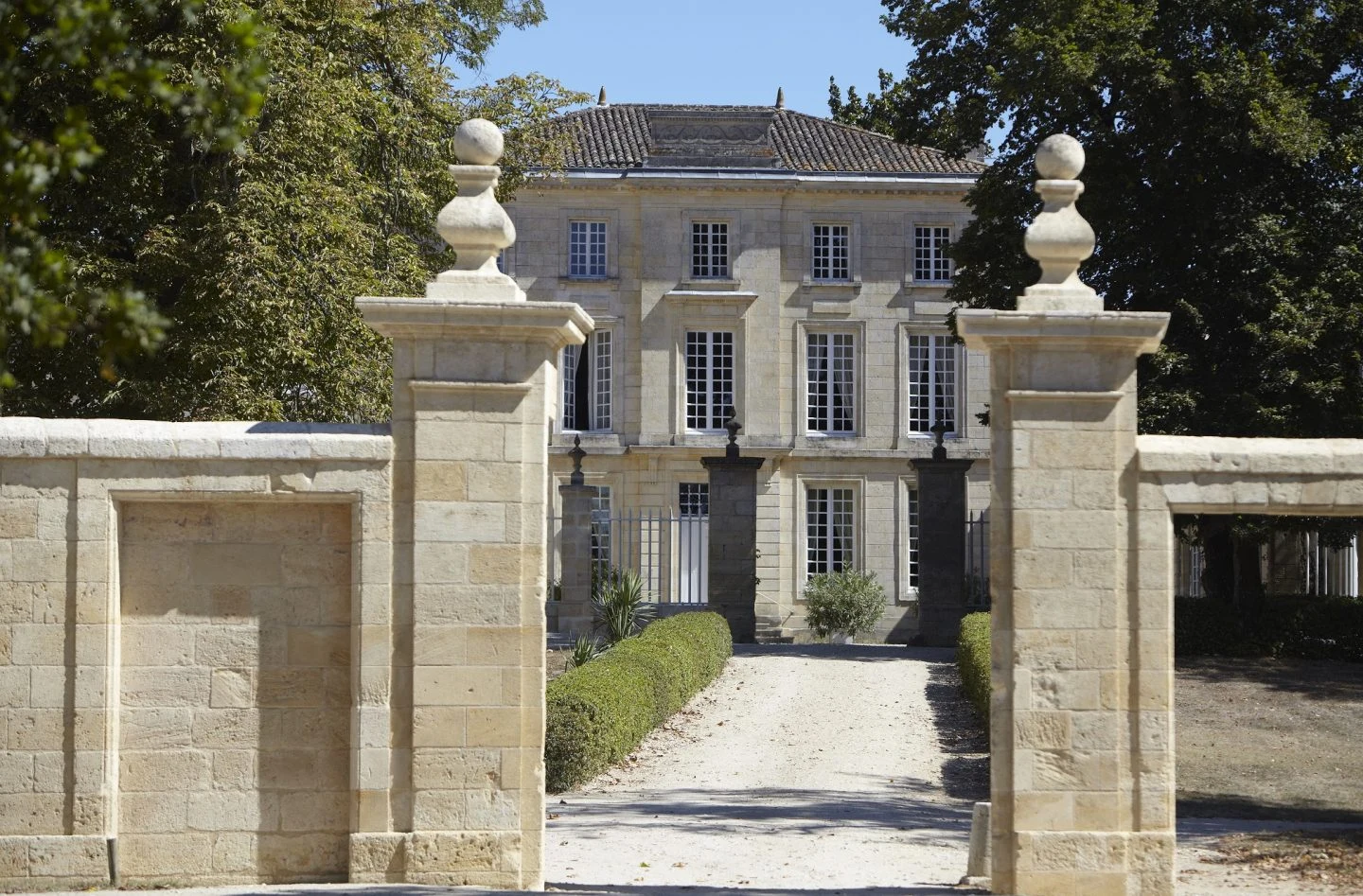
Château Dassault is a Saint-Émilion Grand Cru Classé estate where the appeal is grounded in the setting: historic château character, emblematic hillside vineyards, and a polished Bordeaux atmosphere. Rather than presenting it as a restaurant or casual drop-in stop, it is best understood as a fine-wine estate with an elegant, precise, terroir-driven focus on red Bordeaux. That distinction is important for setting expectations. The draw is not a menu, a bar scene, or a broad hospitality concept, but the sense of being at a classified Saint-Émilion property where place, landscape, and wine identity are the center of the experience.
Saint-Émilion Grand Cru Classé character
The confirmed identity of Château Dassault is clear: it is a historic Saint-Émilion Grand Cru Classé estate. The useful way to frame a visit or tasting interest is through that classification, the château setting, and the broader Saint-Émilion context, rather than through claims about specific vineyard figures, grape percentages, production volumes, or individual vintages. In editorial terms, the classification does much of the positioning work: it signals a serious estate profile and places Château Dassault in the category of properties whose reputation is tied to the prestige of Saint-Émilion and the discipline of fine red Bordeaux.
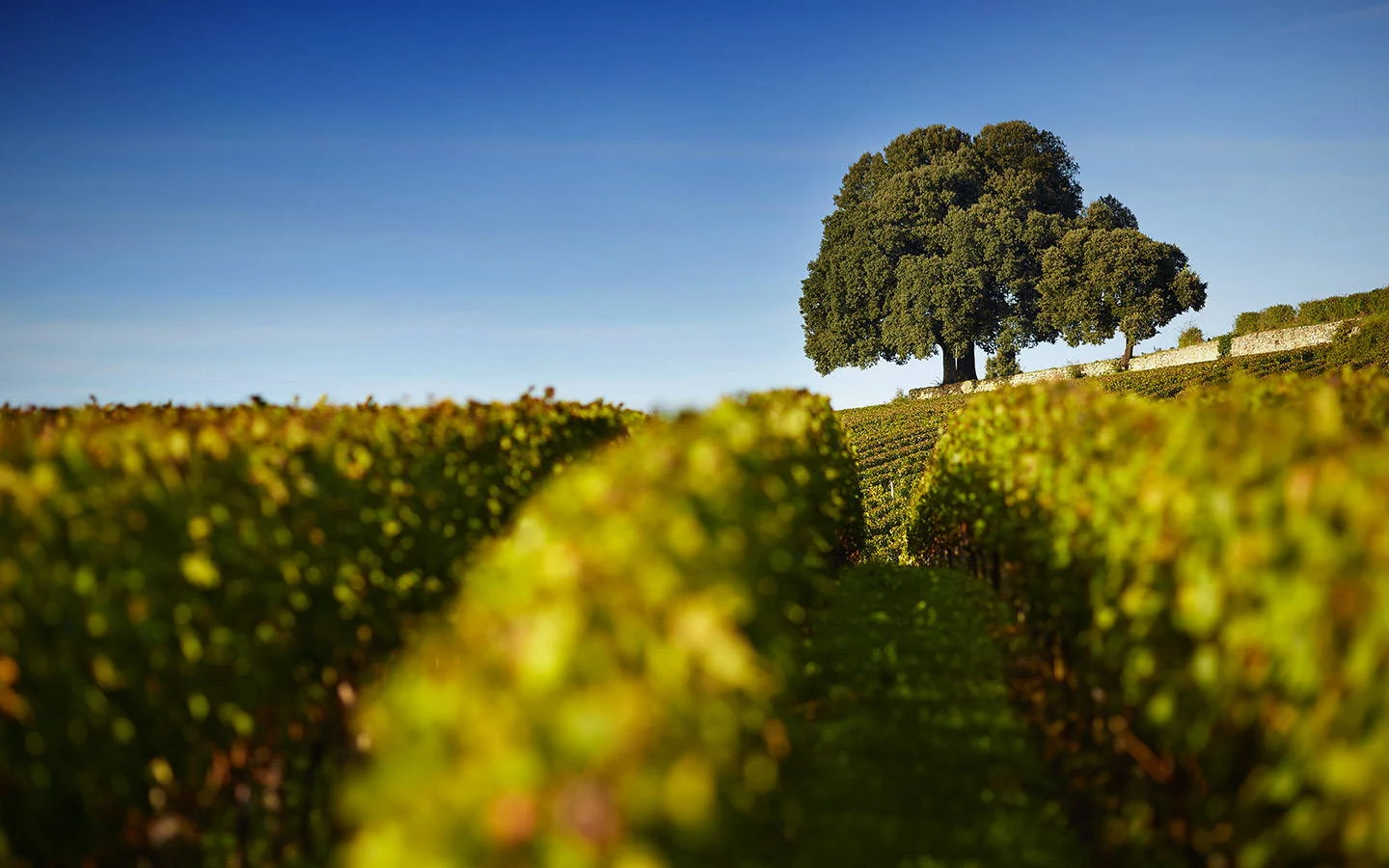
Its atmosphere combines classic château charm with the visual language of hillside vineyards. For travelers comparing experiences in Saint-Émilion, Château Dassault sits firmly in the fine-wine category: polished, estate-focused, and oriented around red Bordeaux rather than a restaurant-style meal or casual bar format. The hillside setting gives the estate a sense of Bordeaux landscape that is immediately legible, while the château character reinforces the feeling of a visit shaped by heritage, formality, and wine culture rather than by informal tasting-room energy.
For readers mapping the appellation more broadly, Saint-Émilion rewards planning across wine, meals, and overnight pacing rather than treating a château visit as an isolated stop. Château Dassault fits best into that kind of itinerary as a focused wine-estate anchor: a place to understand through its classified status, its setting, and its red-Bordeaux identity, then balance with the wider rhythm of the village and surrounding vineyards.
A modern cellar and technical focus
Château Dassault is also defined by a modernized, technically advanced cellar. That detail matters because it places the estate within the contemporary side of Saint-Émilion: a historic property whose presentation is not only about heritage, but also about precision and technical control in the cellar. The contrast is part of the appeal. The château and hillside vineyards supply the traditional frame, while the cellar points to a more exacting, modern understanding of how a classified estate presents and pursues its wines.
The grounded point is broader but still meaningful: the estate’s identity links classic Grand Cru Classé prestige with a modern cellar and a precise, terroir-driven approach to fine red Bordeaux. Without needing to lean on unsupported technical specifics, that combination gives Château Dassault a clear editorial shape. It is not simply a pretty château in a famous appellation; it is a serious wine address where the language of terroir, classification, and cellar precision belongs at the front of the description.
The price level is listed as $$$, which fits the premium positioning of a classified Saint-Émilion château experience. That level should be read in context: the value proposition is tied to the estate profile, the Bordeaux setting, and the fine-wine focus, not to casual dining affordability or a quick-stop format.
How to place Château Dassault in a Saint-Émilion itinerary
Château Dassault is most useful for travelers who want a Saint-Émilion stop centered on château atmosphere, hillside vineyard character, and serious red Bordeaux. It should not be presented as a dining room, hotel, bar, or casual café; the information supports a wine-estate profile rather than a hospitality format with confirmed meals, walk-in policies, seating counts, or service details. For that reason, it is best approached with the mindset of visiting a classified property, where the main interest is the estate itself and the wine identity attached to it.
The estate’s appeal is the combination of historic setting and modern technical ambition. In a region where many visits can sound similar from a distance, Château Dassault’s grounded distinction is its Grand Cru Classé status, elegant atmosphere, and technically advanced cellar. Those points are enough to make the profile specific without overstating what is confirmed. The château atmosphere supplies refinement, the vineyards supply a sense of place, and the cellar focus gives the estate a contemporary edge within a classic Saint-Émilion frame.
Among other Saint-Émilion options, Château Dassault is best described simply and directly: a classified estate with château charm, hillside vineyards, and a precise focus on fine red Bordeaux. That concise framing is also the most accurate one. It keeps the emphasis on what is known, avoids turning the estate into something it is not, and gives travelers a clear sense of why it belongs on a serious Saint-Émilion wine itinerary.
Questions
Frequently asked
How expensive is Château Dassault?
Château Dassault is listed at a price level of $$$.
The field
How it compares
| Place | Notes |
|---|---|
| Château Dassault | Saint-Émilion, $$$ |
| Château Angelus | Saint-Émilion |
| Chateau Ausone | Saint-Émilion |
| Château Canon | Saint-Émilion |
| Château Cheval Blanc | Saint-Émilion |
| Château Figeac | Saint-Émilion |
| Château Pavie | Saint-Émilion |