- Falstaff Winery - Listed · 2026
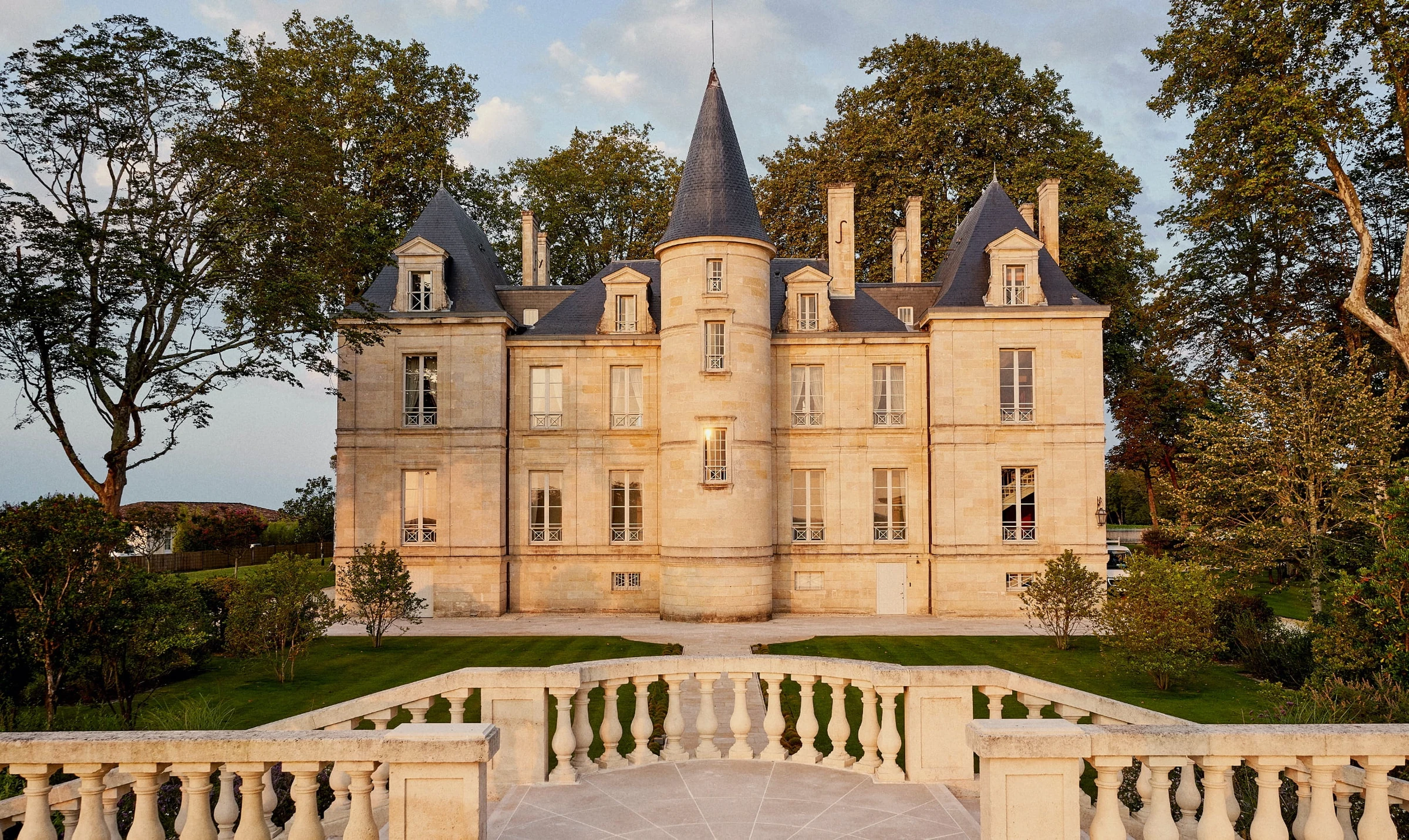
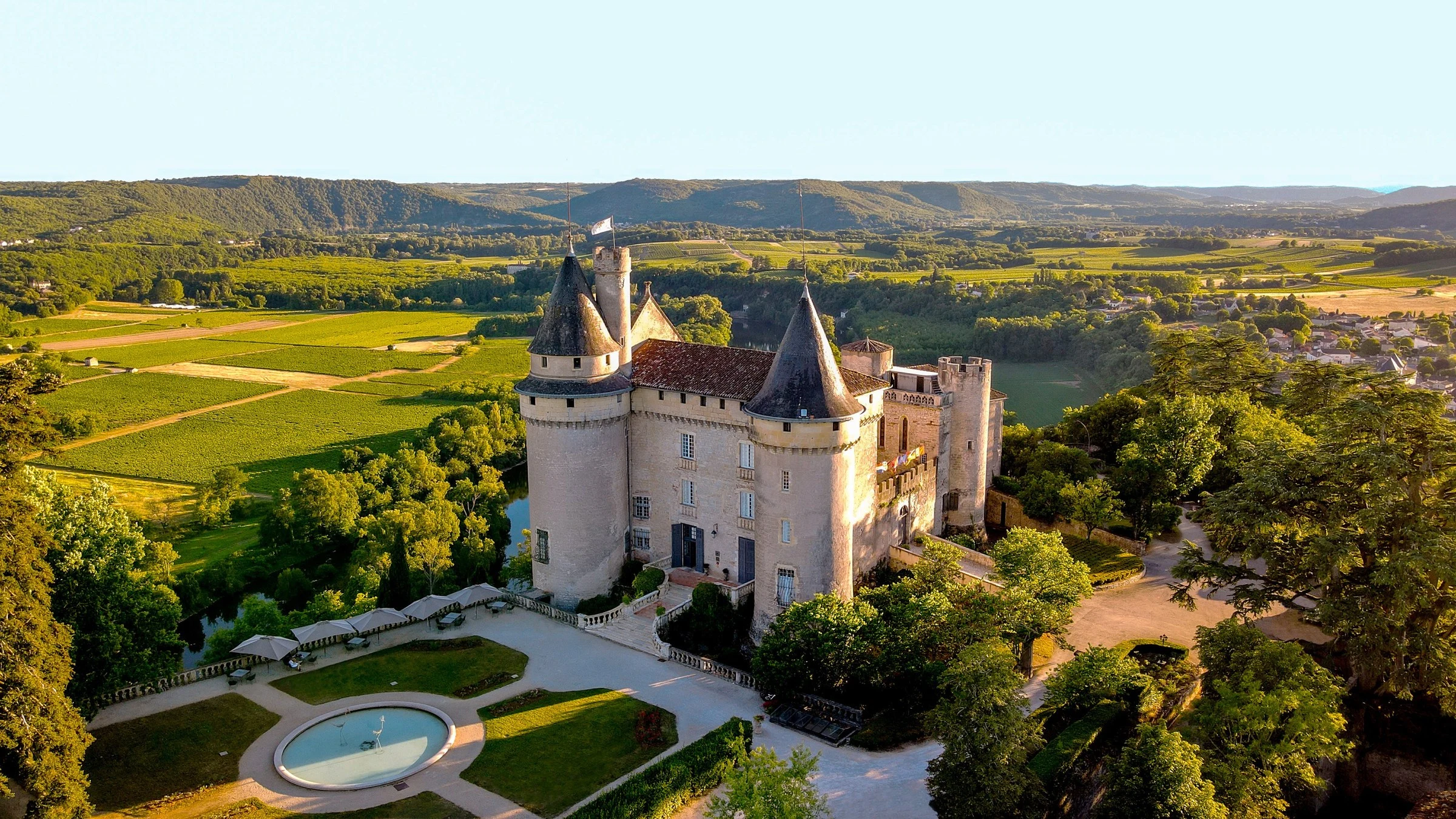
Approaching the château, the first impression is vertical: medieval stone above the Lot valley, vineyards below, and the slow geometry of Cahors wine country doing more editorial work than any tasting-room script could. This is a setting built around altitude, quiet and long views, where the architecture frames the region’s central question: how far can Malbec move beyond rustic power when grown on limestone and handled with intent?
Cahors has always had a different relationship with Malbec than Argentina does. Here the grape is older, darker in local memory and more closely tied to structure, tannin and the river terraces of south-west France. Château de Mercuès belongs to that tradition, but its interest lies in the way hospitality and viticulture are fused. The estate is a 13th-century château, associated with Famille Vigouroux since 1983, and its wine program is rooted in Cahors AOC rather than in a generic château-hotel fantasy.
Malbec, limestone and the Lot valley set the terms
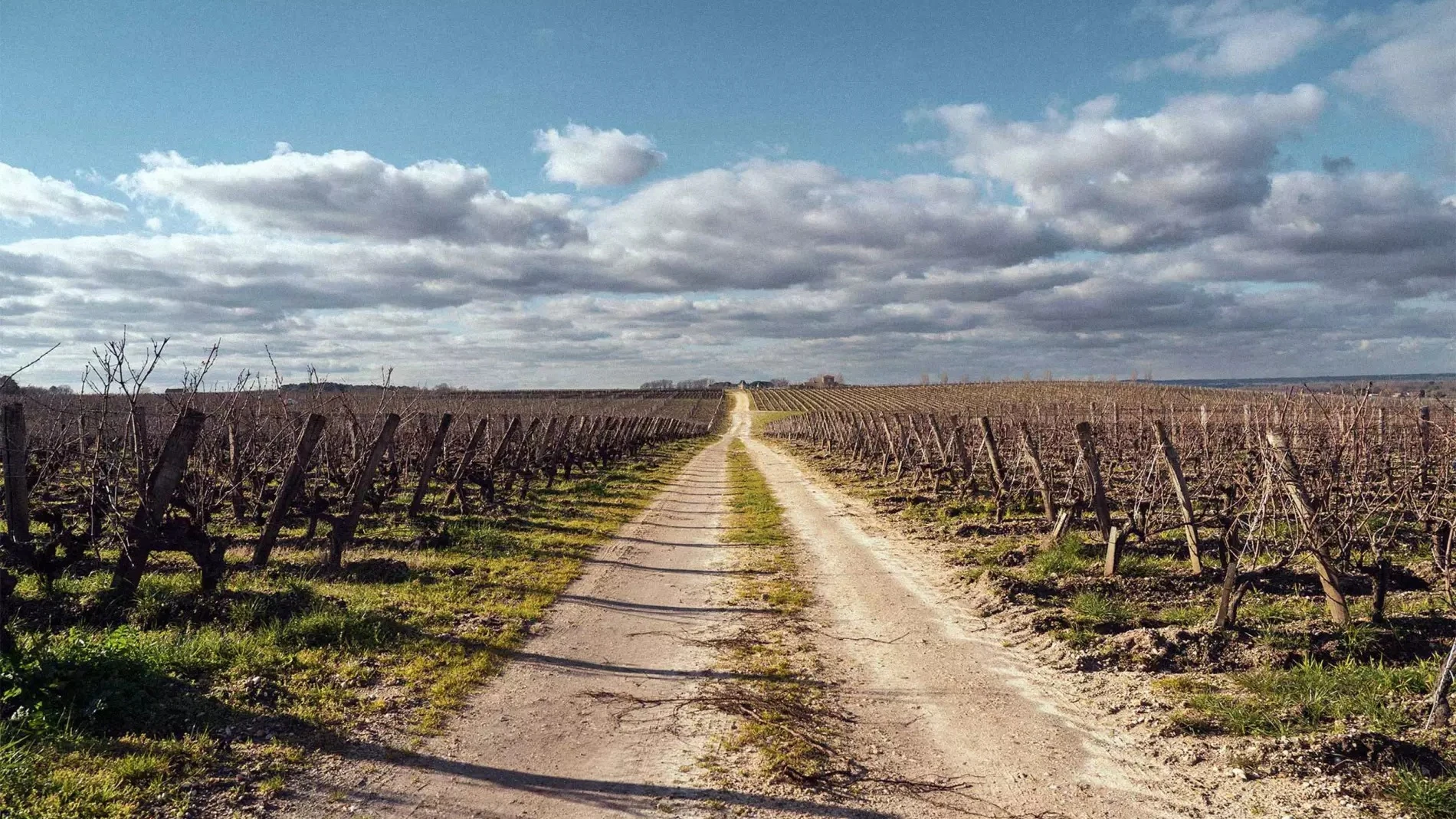
The useful way to read the wines here is through site before style. The vineyards sit in the Cahors appellation on clay-limestone soils, a combination that matters for Malbec because clay can hold water through dry periods while limestone helps with drainage, acidity and shape. In a region where the grape can easily become broad and forceful, that soil profile gives the estate a stronger case for tension and architecture.
The vineyard work adds another signal. More than half of the planted area is set at a density of 6,666 vines per hectare. The estate-grown model also matters: fruit control from vineyard to cellar is a different proposition from buying across the appellation, especially in a region where Malbec’s character changes quickly with terrace, exposure and farming choices.
Varietal frame is broader than a single red wine story. Malbec is the core, supported by Tannat, Merlot and Chenin Blanc in the wider estate language. Still red wines carry the identity, but the presence of a white variety keeps the tasting program from reading as a monochrome exercise in dark fruit and tannin. Bertrand-Gabriel Vigouroux is named as winemaker, though the more relevant point is not biography; it is that the estate sits inside a family structure long associated with south-west French wine and the commercial re-positioning of Cahors Malbec.
A château tasting format with cellar depth, not theme-park gloss
Premium wine hospitality in France often splits into two camps: estates where the cellar is the point, and properties where scenery carries the visit. Château de Mercuès has enough of both to avoid the weakness of either. The setting is a medieval hilltop château integrated with vineyards, cellar spaces, gardens and terraces, overlooking the Lot valley and Cahors wine country. That combination gives the tasting a clear sequence: place first, cellar second, glass third.
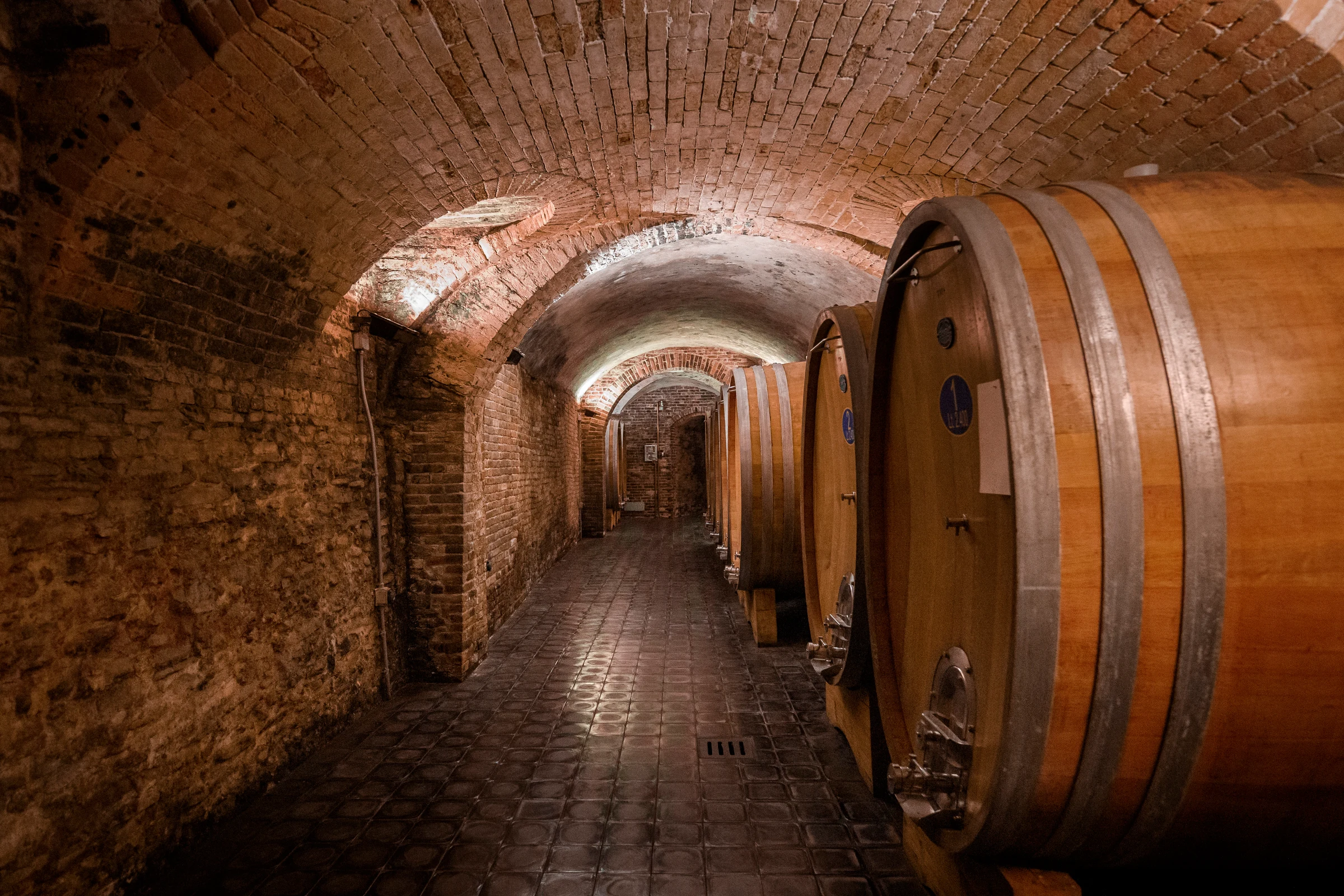
The available formats point to a structured visit rather than a drop-in counter. Guided tastings, cellar tours with tastings, sensory workshops and food-and-wine pairings are all part of the experience range, with French and English listed for tours. The stated duration of 60 to 90 minutes is sensible for this kind of property: long enough to connect vineyard, cellar and glass, short enough to avoid turning terroir into lecture theatre.
What gives the experience weight is the estate’s environmental framework. Terra Vitis and HVE 3 certification place the farming within recognized French sustainability systems, useful markers in a region where climate pressure has made water retention, biodiversity and chemical-input reduction more than reputational language. Certifications do not make a wine persuasive by themselves, but they do clarify the farming context behind the estate’s Cahors identity.
The château’s Relais & Châteaux association also explains the tone of the hospitality. This is not a shed-door tasting room dressed up for visitors; it is a historic property where lodging, dining, vineyard visits and cellar work operate in the same orbit. The room character is correspondingly formal: quiet, refined, scenic, and better suited to a measured tasting than to a casual roadside stop.
How to place it within a Mercuès stay
Mercuès is not a city dining circuit in miniature; it is wine country with a small number of high-intent reasons to stop. That makes the château a stronger fit for travellers building a Cahors and Lot valley itinerary than for anyone looking to graze across multiple venues in one evening. The appeal is cumulative: medieval architecture, estate vineyards, cellar access, food pairing options and the river-valley setting all work as parts of the same regional argument.
For broader planning around the commune, use Our full Mercuès wineries guide first, then cross-check dining and lodging through Our full Mercuès restaurants guide and Our full Mercuès hotels guide. Travellers stretching the stay beyond wine can also map the local mix through Our full Mercuès bars guide and Our full Mercuès experiences guide.
Readers comparing French wine regions more broadly can use nearby and national references as context rather than substitutes: Abbaye de Fontfroide in Narbonne, Abbotts & Delaunay in Marseillette, Advini in Saint Felix De Lodez, Alain Brumont in Castelnau Riviere Basse, A. Margaine in Villers-Marmery, Agrapart & Fils in Avize, Alain Gras in Saint-Romain, Albert Boxler in Niedermorschwihr, »der Steiner« Hans Steiner in Podersdorf am See and & Handwein in Mannheim. The point is contrast: Cahors asks different questions of Malbec than Champagne, Burgundy, Alsace, Languedoc or Madiran ask of their own grapes.
The editorial case for Château de Mercuès is clear: visit when the goal is to understand Cahors through a single, highly staged estate rather than to tick off a tasting counter. The château setting carries romance, but the stronger reason to go is the way stone, slope, clay-limestone soils and cellar format make Malbec feel anchored to this valley.
Questions
Frequently asked
Who works at Château de Mercuès?
Made By profiles Bertrand-Gabriel Vigouroux (Winemaker) at Château de Mercuès.
How expensive is Château de Mercuès?
Château de Mercuès is listed at a price level of $$$$.
The field
How it compares
| Place | Notes | Awards |
|---|---|---|
| Château de Mercuès | near Cahors, Lot valley, $$$$ | · |
| Champagne Salon | Le Mesnil-sur-Oger | · |
| Château Pichon-Longueville-Comtesse-de-Lalande | Pauillac | · |
| Château Rieussec | Fargues | · |
| Gaja | Barbaresco | World's 50 Best |
| Scarecrow | Napa | · |
| Schloss Johannisberg | Geisenheim-Johannisberg | World's 50 Best |