Nicolas Glumineau shapes Château de Pez in Médoc as winemaker, working Saint-Estèphe parcels through steel, barrel, and time.
Blending, tasting, refining, and waiting shape Nicolas Glumineau’s work as winemaker at Château de Pez in Médoc. Nicolas Glumineau came to the Saint-Estèphe estate in 2021 as winemaker and general manager, adding the post to his work in Pauillac, where he has been general director of Château Pichon Longueville Comtesse de Lalande since 2012. His technical grounding came at Bordeaux University, and the through-line is practical: vineyard timing, cellar decisions, the patience to let a vintage assemble itself before it is asked to declare anything. At Pez, that discipline enters a house with a longer memory than most in Saint-Estèphe. The estate dates to 1452, began as a hunting relay, and later became a château whose name is tied to the old families of Bordeaux. Champagne Louis Roederer acquired the property in 1995, bringing it into a group accustomed to exacting cellar work and long horizons. Glumineau’s task is not to make the estate louder. It is to bring the parcels, the vats, the barrel program, and the Left Bank frame into a wine that keeps its Saint-Estèphe structure without losing line.
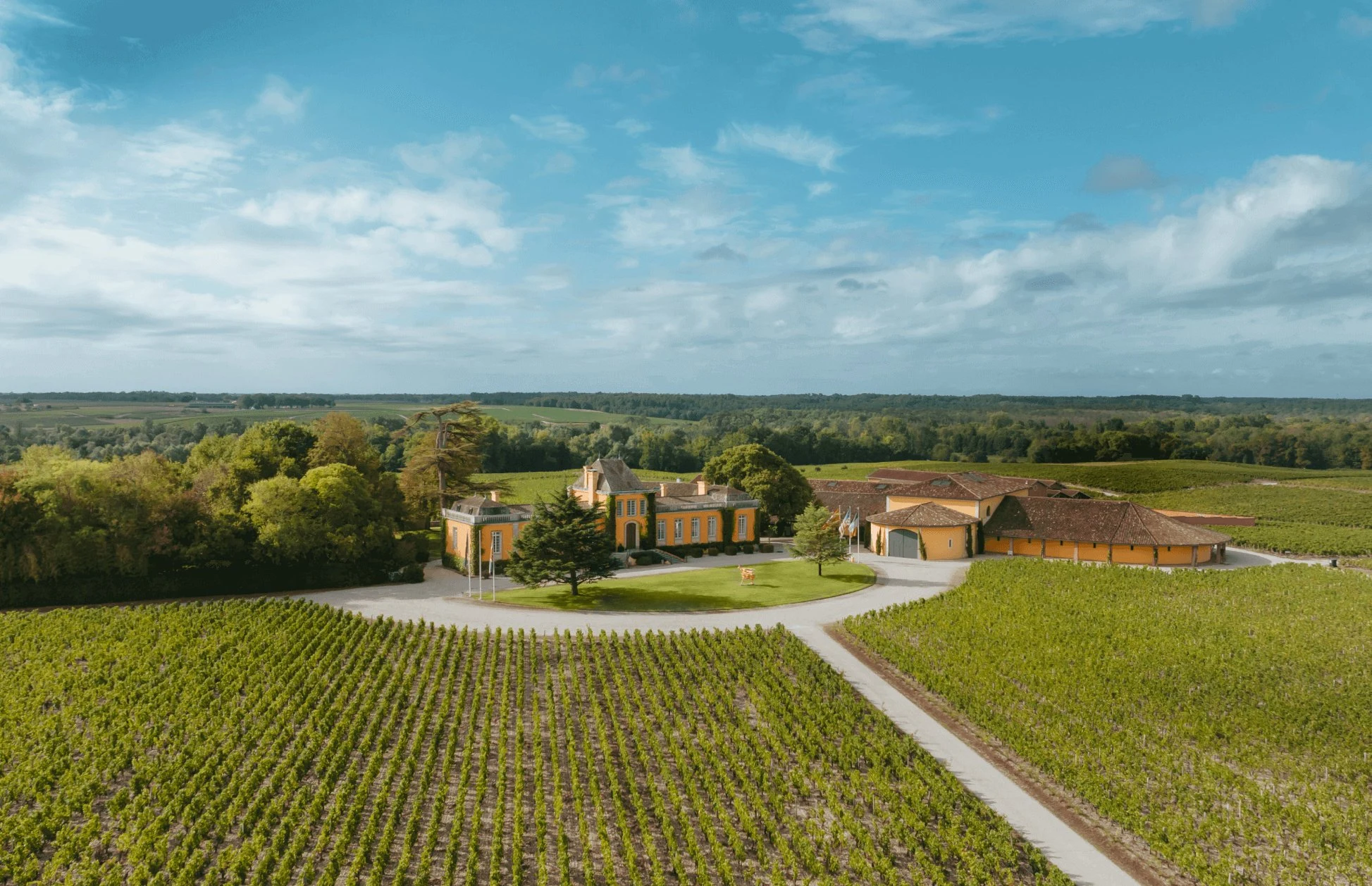
The vineyard sits on a high plateau west of the village of Saint-Estèphe, across from Château Calon-Ségur, with well-exposed slopes planted to Cabernet Sauvignon, Merlot, Cabernet Franc, and Petit Verdot. The estate works approximately 48 hectares under vine, in the classic grammar of the Médoc: gravel over clay-limestone, drainage and reserve held in tension. A new stainless steel vat house was built in 2018, allowing parcelle vinification, with separate lots held apart before the blend takes shape. That matters here because Saint-Estèphe rarely gives itself all at once. Merlot answers the clay; Cabernet Sauvignon takes its authority from the gravel; Petit Verdot and Cabernet Franc enter later as color, angle, and aromatic lift. The barrel program is measured with the same restraint: 40% new wood, 40% one-year-old wood, and 20% two-year-old wood. The figures show the intent. Oak has a role, but it does not take the pass from the fruit.
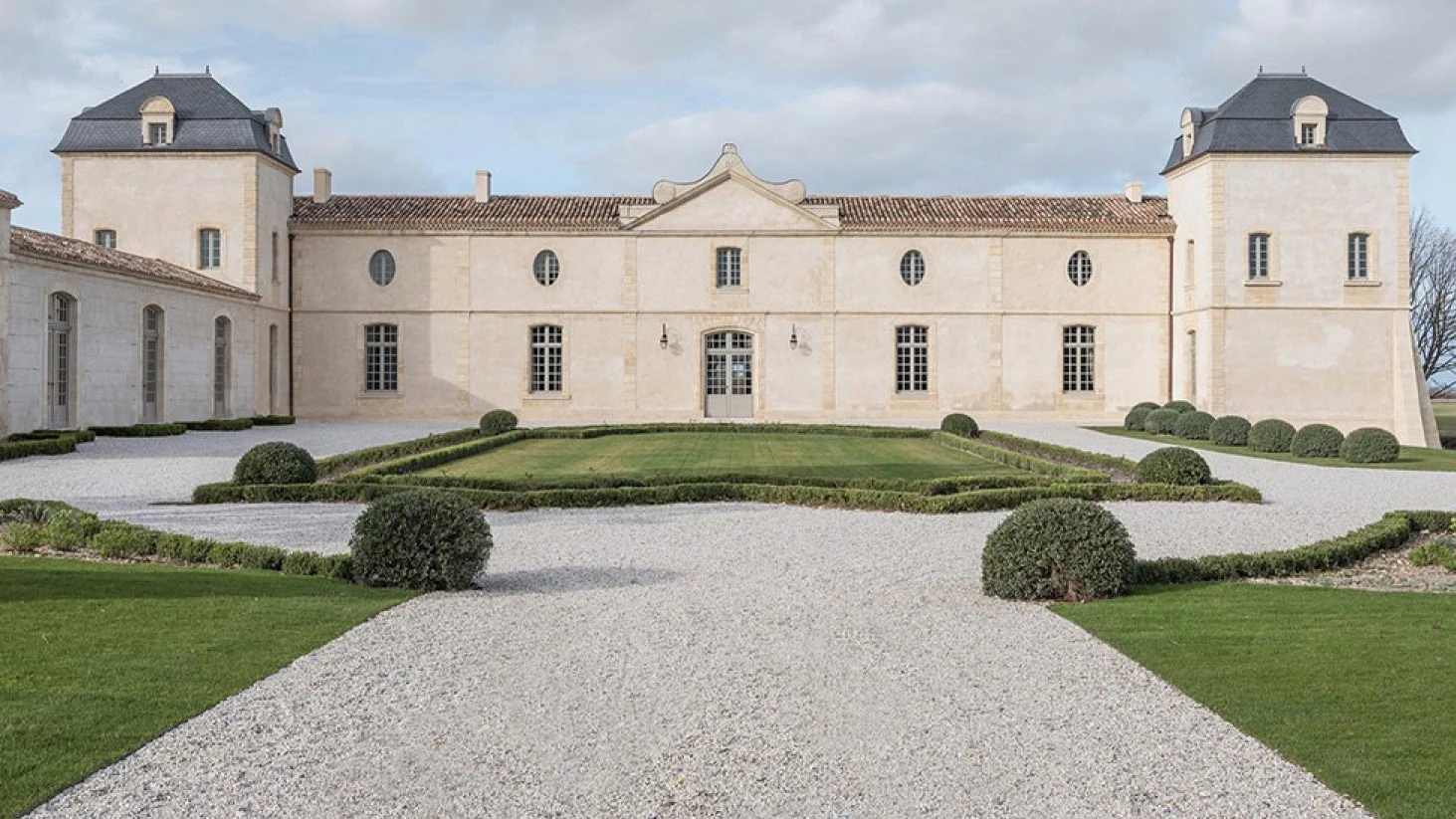
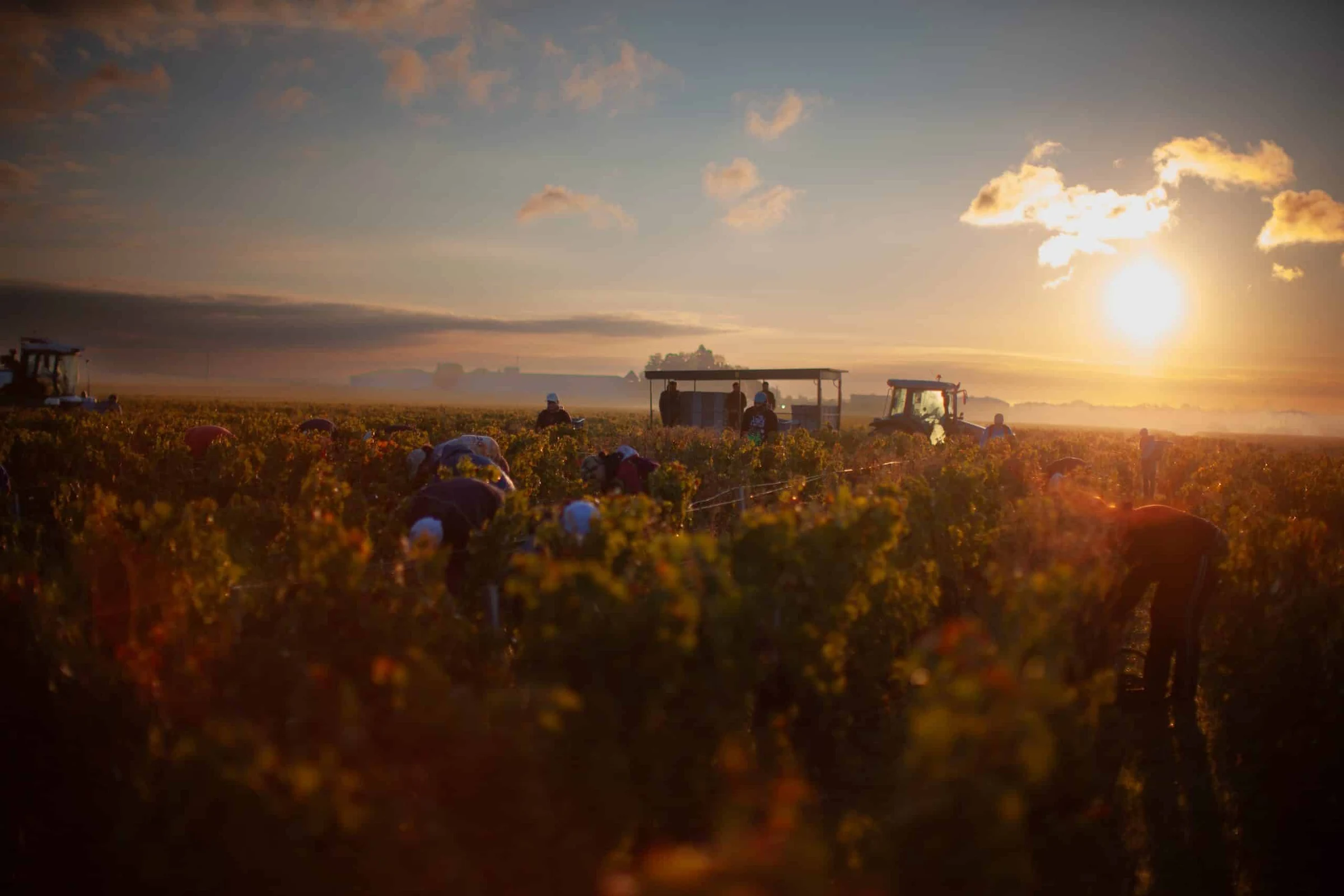
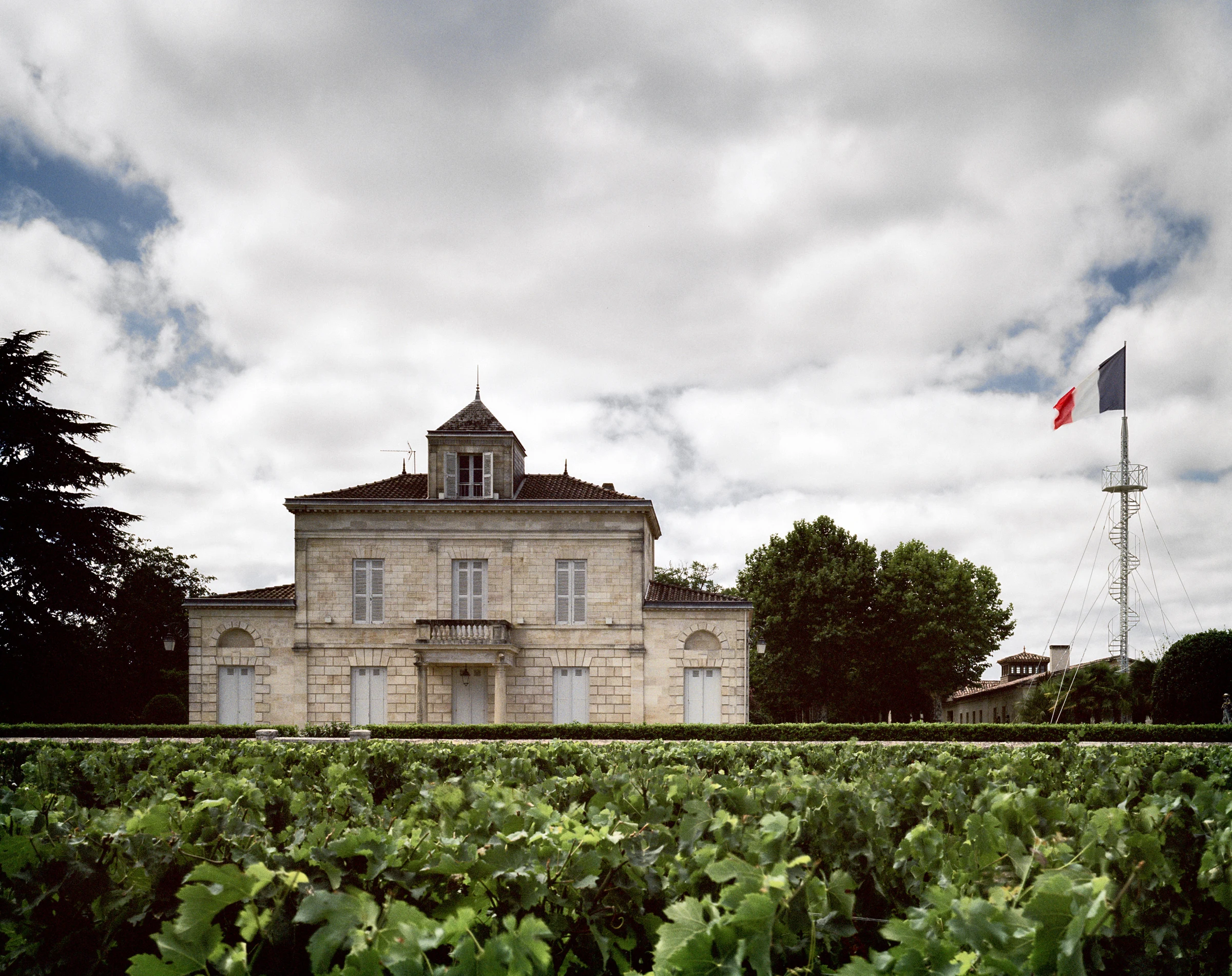
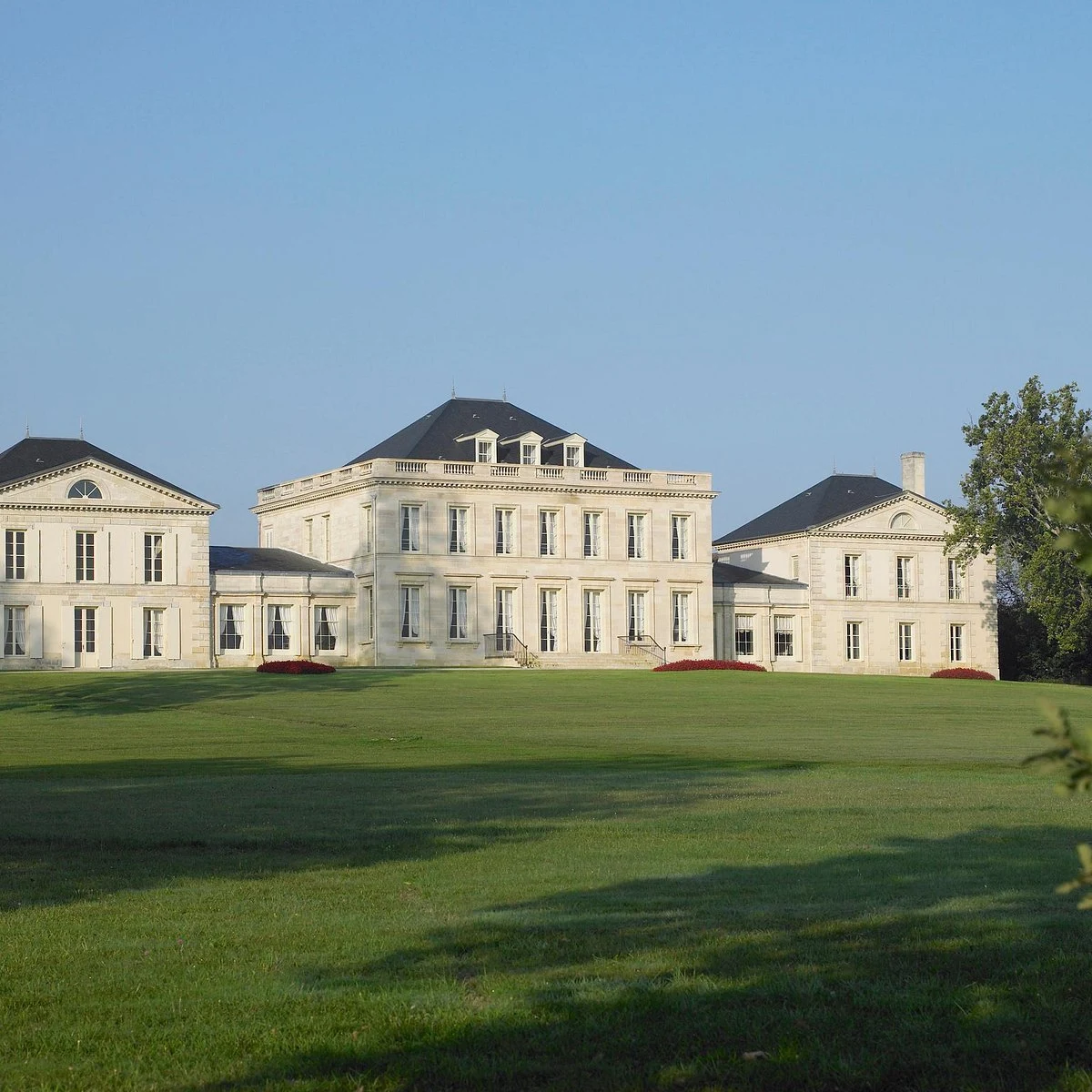
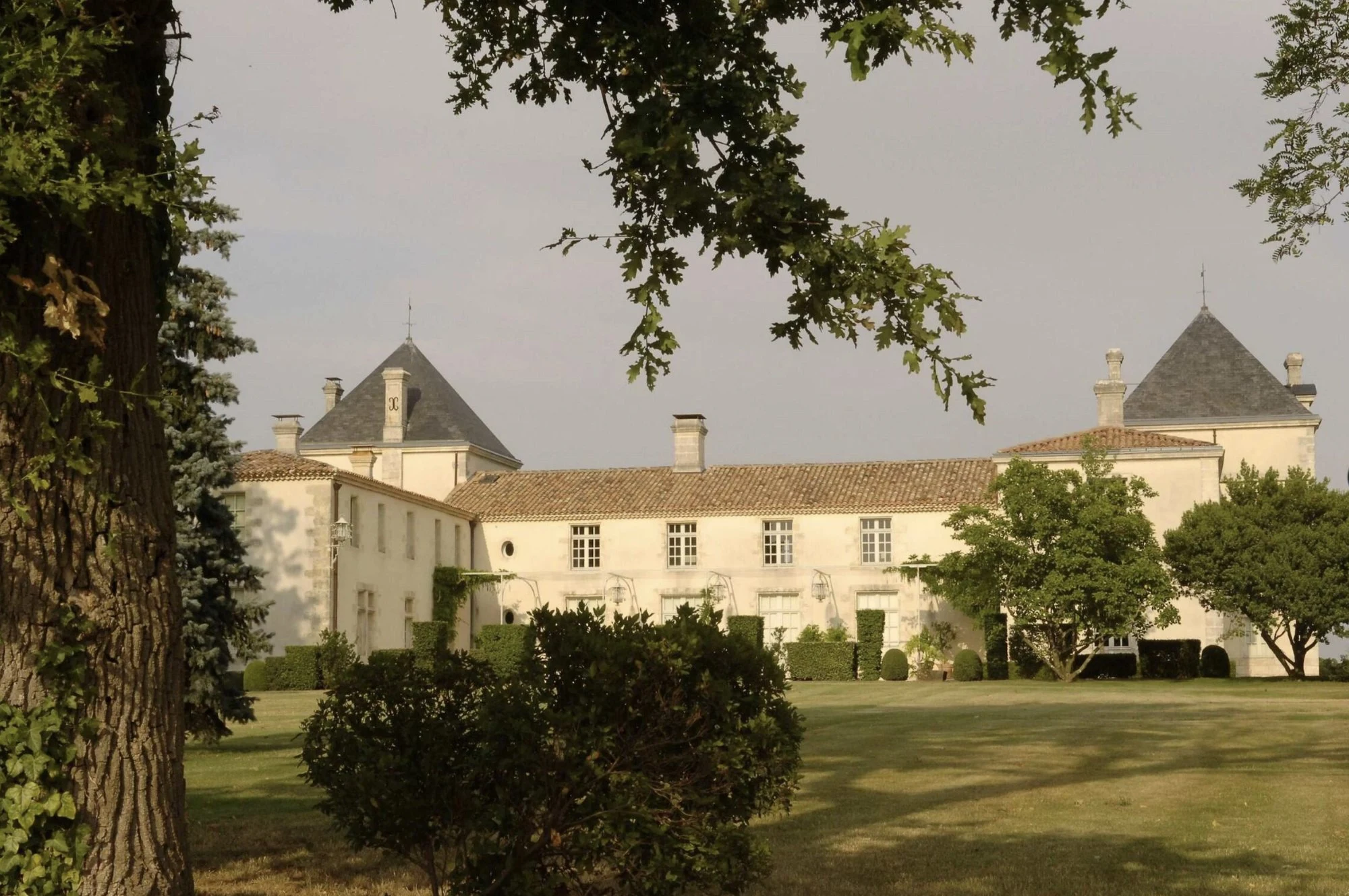
The place itself keeps a traditional Médoc register: a historic château, vineyard slopes, and cellars built for work rather than display. The atmosphere is quiet, not because nothing is happening, but because the estate’s rhythm belongs to pruning, sorting, fermentation, élevage, and the slow return to the tasting bench. In the cellar, steel and barrel mark two kinds of attention. One preserves the parcel. The other tests the wine’s capacity for time. Outside, the plateau looks toward the Gironde’s influence without turning the vineyard into scenery. The room a visitor remembers is less a salon than a working estate, where the red wines are shaped through accumulation rather than flourish.
Pez matters because its age is not used as decoration. A Saint-Estèphe estate founded in 1452 and held today by Champagne Louis Roederer has to answer to continuity as much as renewal. The work under Glumineau keeps that pressure close: parcel by parcel in the vat house, measured oak in the cellar, Cabernet Sauvignon and Merlot carrying the main argument. If there is a next movement to follow, it is the way recent cellar precision settles into the bottles now leaving Château de Pez.
Saint-Estèphe, Nouvelle-Aquitaine, Frankreich
Médoc