- Falstaff Winery - Listed · 2026
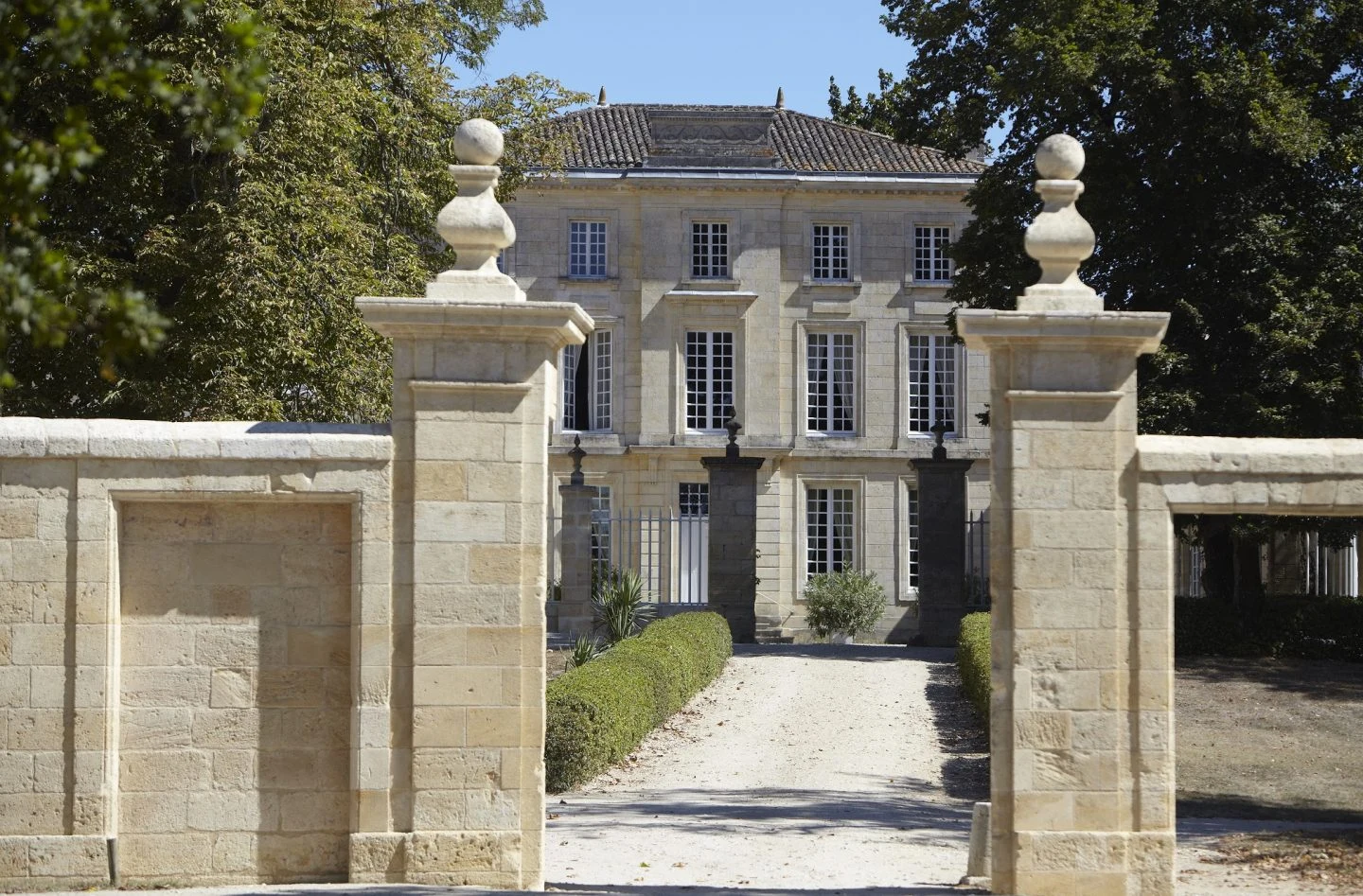
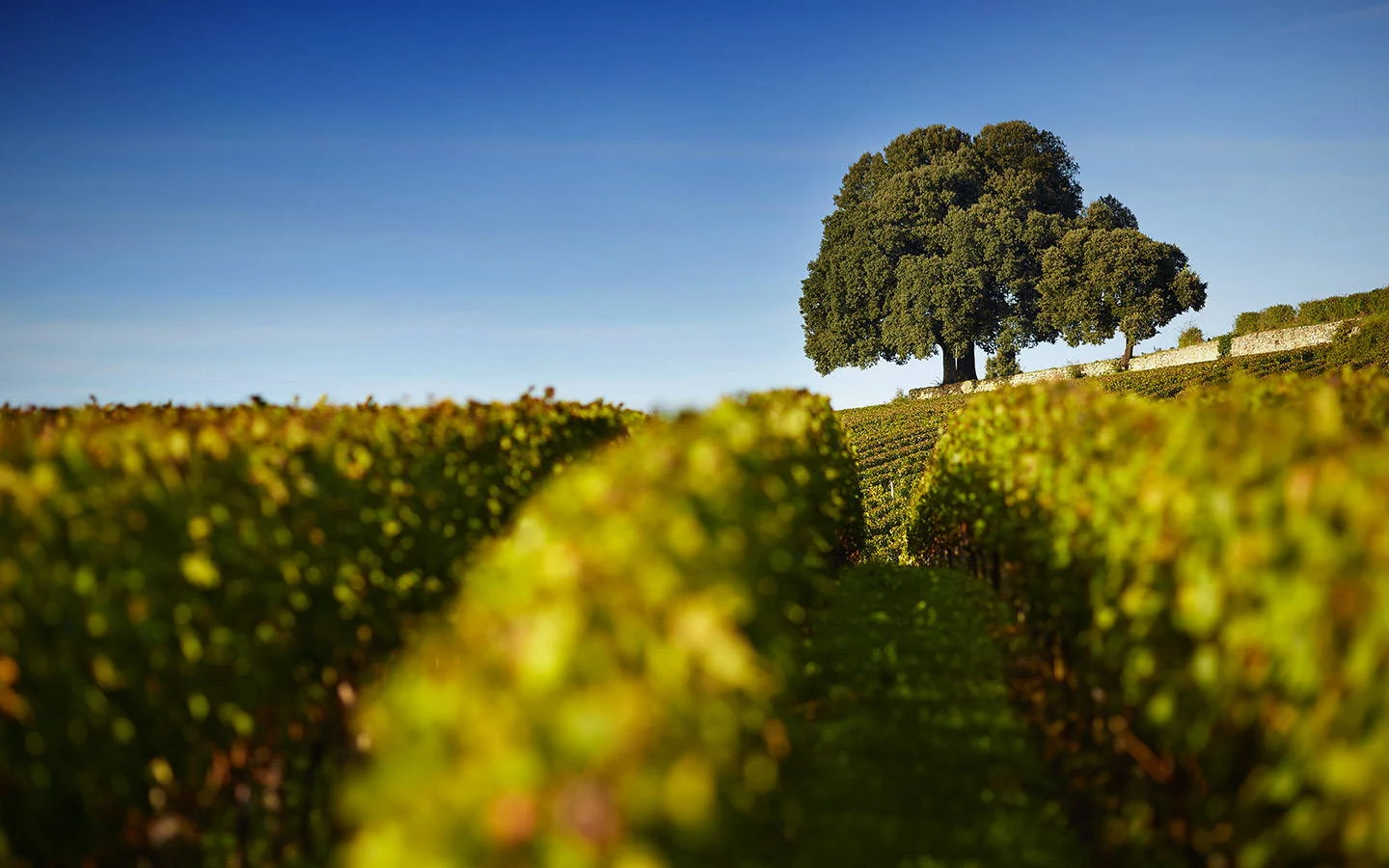
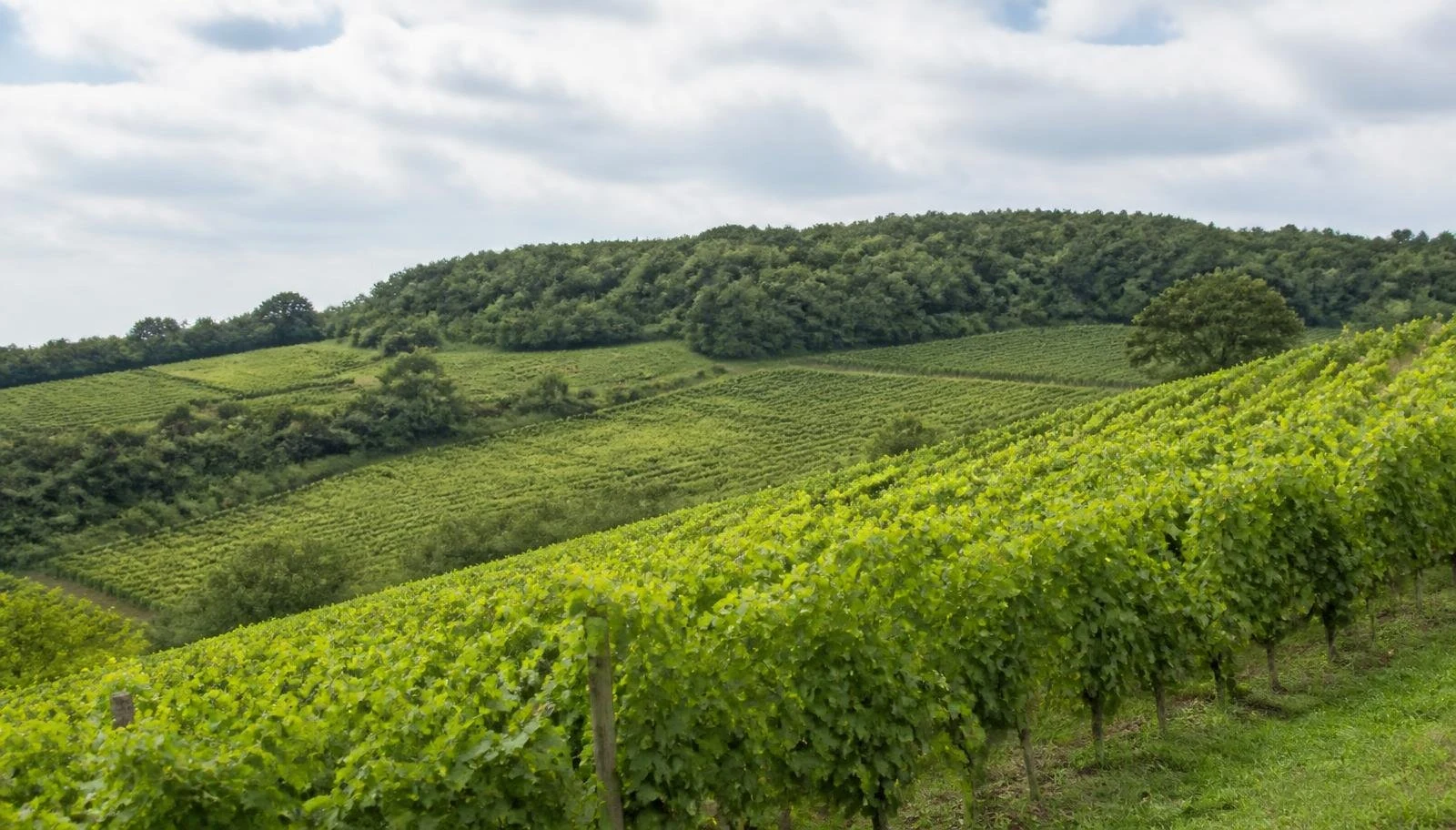
Approaching Château Grand Corbin Manuel means entering a quieter, agricultural side of Saint-Émilion: vineyard scenery and a practical, working-winery mood rather than grand hospitality theatre. That distinction matters in a town where visits can feel split between postcard atmosphere and cellar education, and where the setting can sometimes overshadow the reason for being there. Here, the useful draw is simpler and more focused: a guided tasting setting where visitors can pay attention to vineyard terroir, the estate context, and the feel of a small-group visit without needing the experience to become a production.
Saint-Émilion’s reputation often leans on history and architecture, but Château Grand Corbin Manuel is best approached as a grounded wine stop rather than a spectacle. The appeal is not a long list of luxury extras or technical claims; it is the combination of a historic estate, scenic surroundings, and a tasting format centered on understanding place. For travelers who want the landscape, the wine, and the explanation to remain closely connected, that restraint is part of the value.
Saint-Émilion without the theatre
Château Grand Corbin Manuel suits visitors who want a quieter estate experience in Saint-Émilion. The atmosphere is classic and understated, with a working-winery character that keeps attention on the vineyard setting and the tasting itself. Rather than framing the visit as a polished show, the estate comes across as the kind of stop where the surroundings and the glass can do most of the work.
Because the confirmed public details are limited, it is better not to overstate the estate’s production methods, vineyard specifications, or bottle-level profile. What can be said with confidence is that the visit is built around guided tastings, terroir, and a small-group feel rather than a heavily staged hospitality format. That matters for accuracy, but it also helps define the tone: this is not a venue that needs to be inflated with unsupported detail in order to make sense.
That makes the estate a useful stop for travelers who prefer a practical wine-education mood. The experience reads as scenic and low-key, with the charm of a Saint-Émilion wine visit rather than a high-theatre destination. It is especially suited to people who like the idea of seeing wine through its setting: vines, estate atmosphere, and a tasting that invites questions without turning the visit into a performance.
What the tasting teaches about the wine
The visit format suits drinkers who want context rather than performance. Guided tastings focus attention on vineyard terroir and the estate setting, with a quiet pace that works well for visitors comparing Saint-Émilion stops by atmosphere and educational value rather than by prestige alone. In that sense, the tasting is less about collecting talking points and more about placing the wine within the landscape that produces it.
The pricing is direct: Château Grand Corbin Manuel is listed at $9 per person. That makes it an approachable option for travelers who want a focused tasting stop in Saint-Émilion without building the visit around a costly or elaborate program. The modestness of the format also fits the overall impression of the estate: useful, scenic, and centered on the essentials rather than on layers of add-ons.
Specific claims about scores, awards, bottle aging, serving temperature, grape percentages, or cellar technique are not confirmed here, so they should not be treated as part of the guide. The dependable reason to go is the estate experience itself: a historic Saint-Émilion setting, a guided tasting, and a practical introduction to vineyard terroir. For visitors who are still learning the area, that can be more helpful than a more ornate visit with less clear emphasis.
Where it fits in a Saint-Émilion itinerary
Château Grand Corbin Manuel is a strong choice when the point of the day is to understand Saint-Émilion through a working estate atmosphere. The experience is not presented here as a food-pairing destination or a leisure complex; its value is the direct, quiet focus on the vineyard, the tasting, and the setting. It works well when treated as a concise, place-based wine stop rather than as the centerpiece of a luxury itinerary.
Travelers mapping a broader Saint-Émilion stay can compare it with other dining, wine, and hospitality options in the area generically, while keeping Château Grand Corbin Manuel as the reference point for a classic, scenic, small-group tasting stop. Its role is clear: a way to add vineyard context and a calmer estate mood to a day that may otherwise be shaped by the busier appeal of the village and its more visible landmarks.
Against a wider wine-route map, Château Grand Corbin Manuel reads as a grounded Saint-Émilion visit: quiet, practical, and centered on guided tasting rather than spectacle. For visitors who value terroir context and a hidden-gem feel, that restraint is the point. The estate’s appeal lies in giving the region room to speak plainly, through its setting, its tasting format, and the simple pleasure of learning about wine where it is made.
Questions
Frequently asked
Who works at Château Grand Corbin Manuel?
Made By profiles Karine Queron (Winemaker) at Château Grand Corbin Manuel.
How expensive is Château Grand Corbin Manuel?
Château Grand Corbin Manuel is listed at a price level of $.
The field
How it compares
| Place | Notes |
|---|---|
| Château Grand Corbin Manuel | Saint-Emilion, $ |
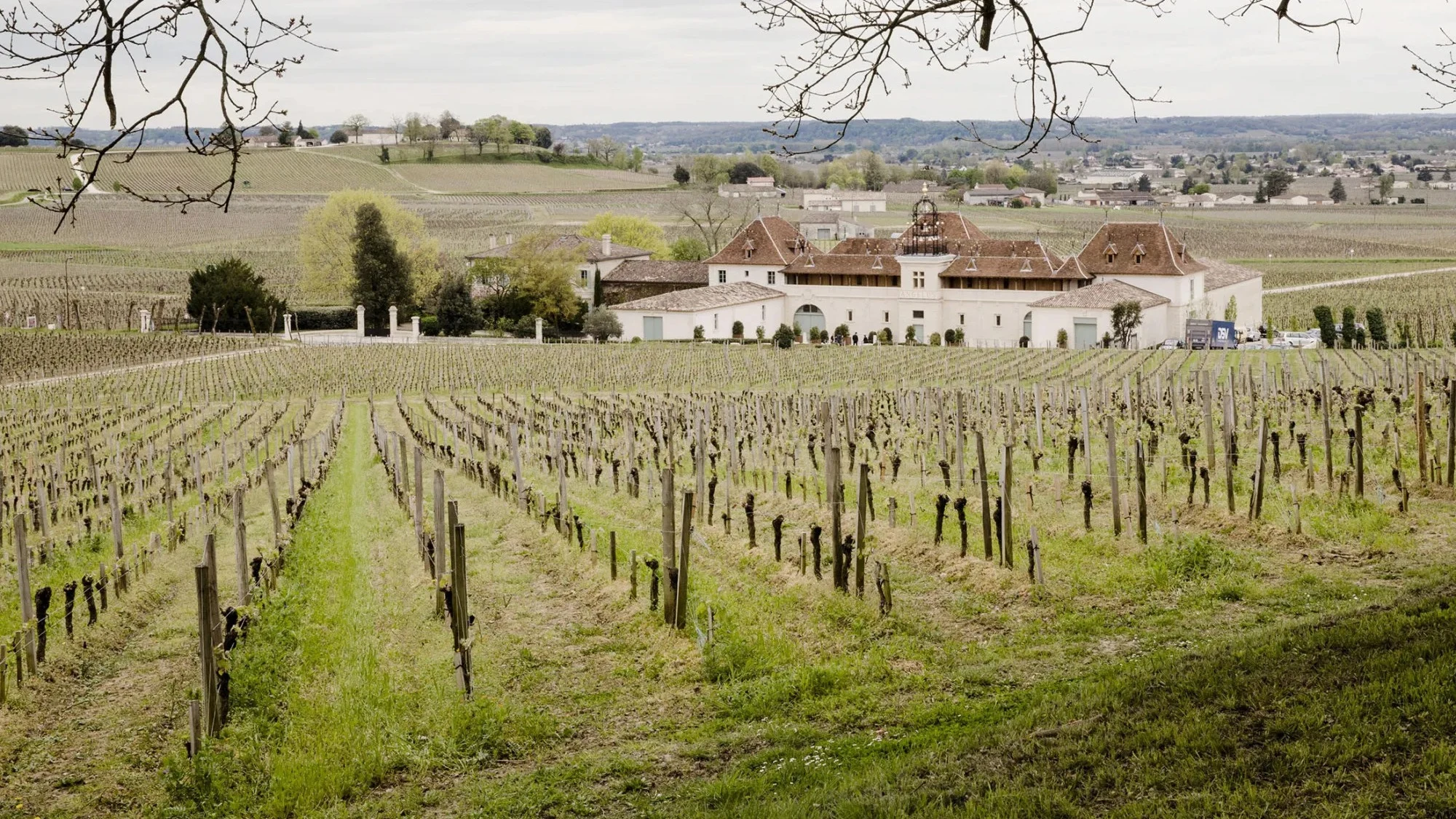
| Château Angelus | Saint-Émilion |
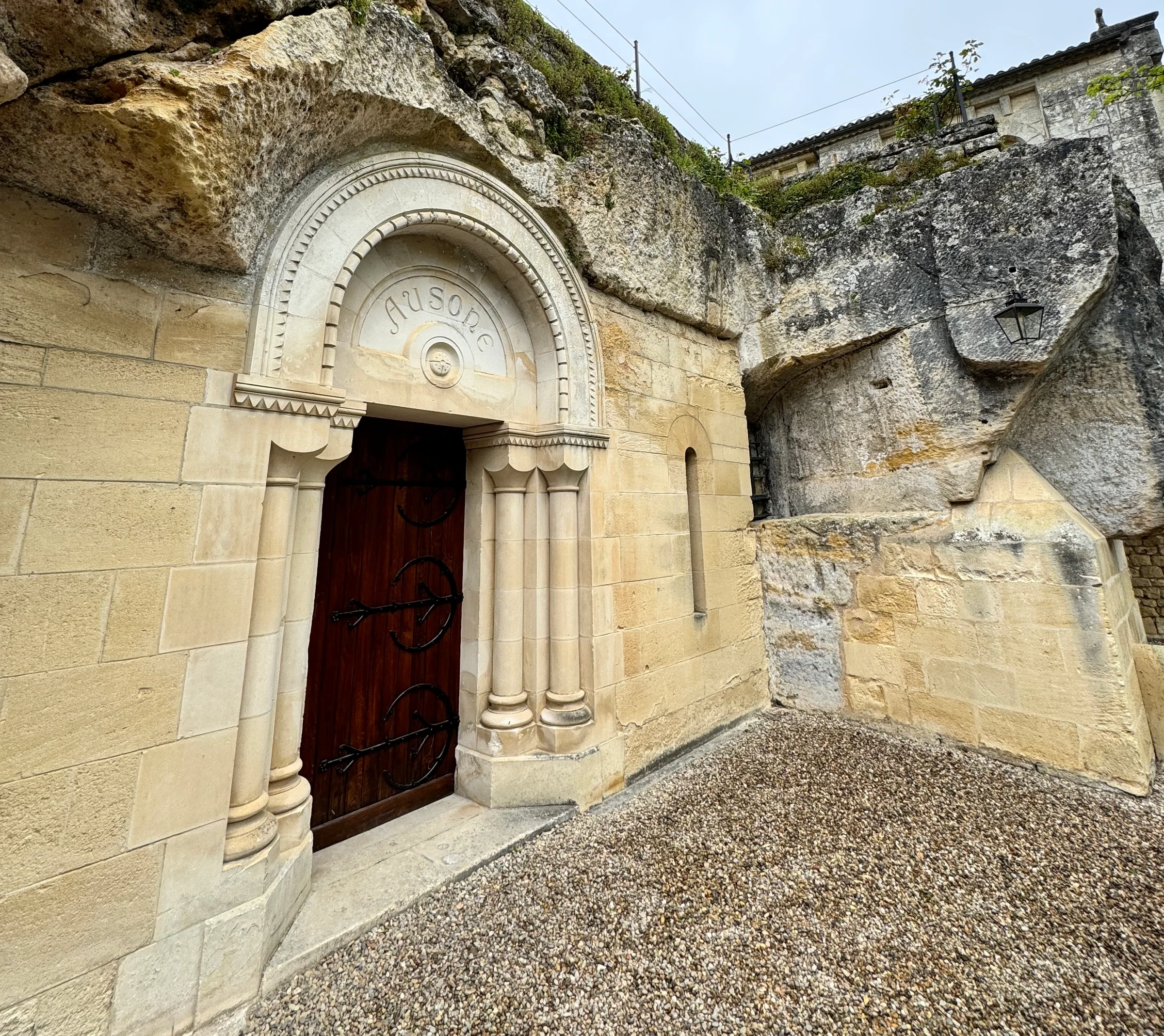
| Chateau Ausone | Saint-Émilion |
| Château Canon | Saint-Émilion |
| Château Cheval Blanc | Saint-Émilion |
| Château Figeac | Saint-Émilion |
| Château Pavie | Saint-Émilion |