Made ByWinery
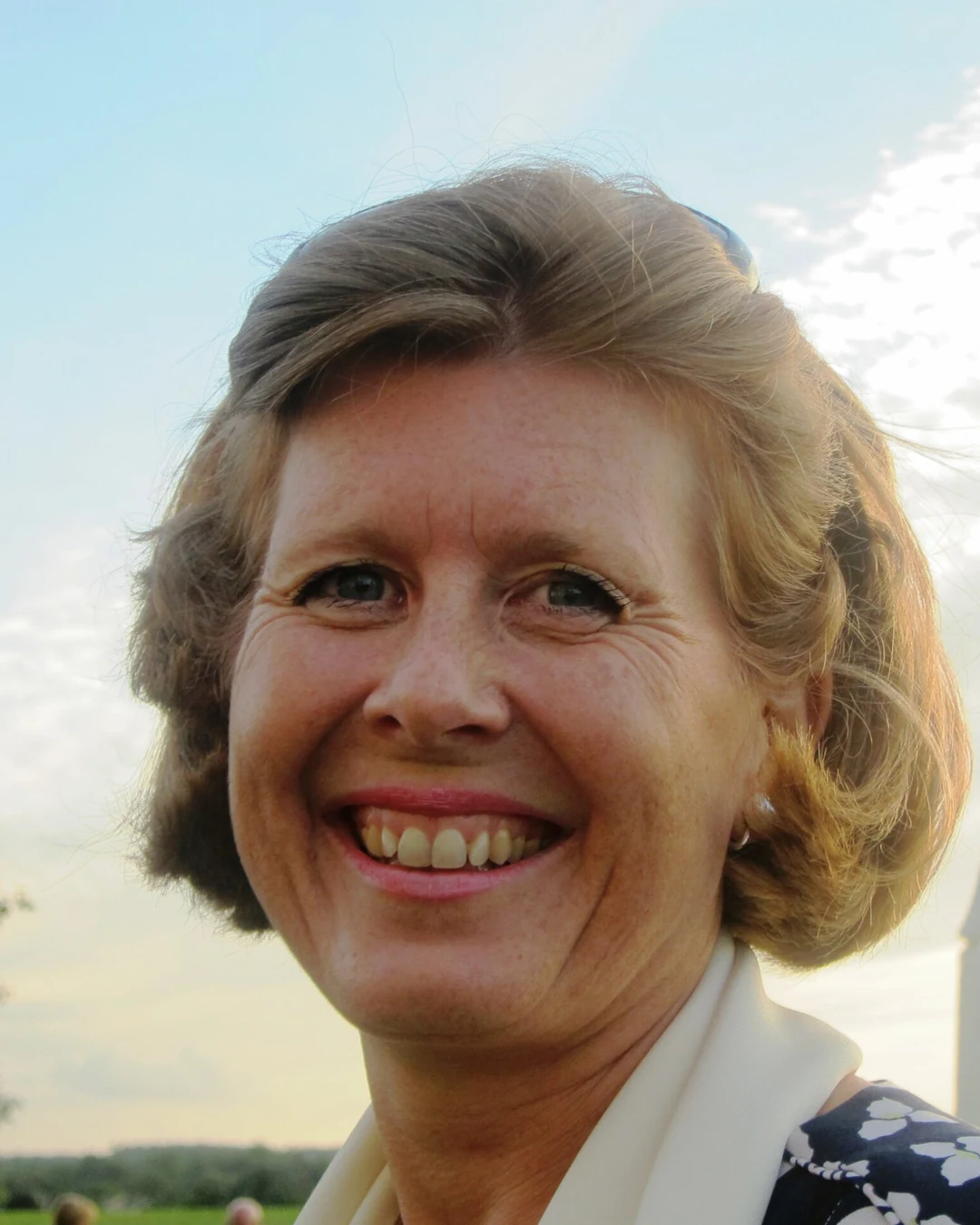

Véronique Sanders guides Château Haut-Bailly in Pessac-Léognan, balancing French oak, parcel work and restraint with steady, quiet care.
At a glance
- Price
- $$$$
- Per person
- $55
- Neighborhood
- Leognan
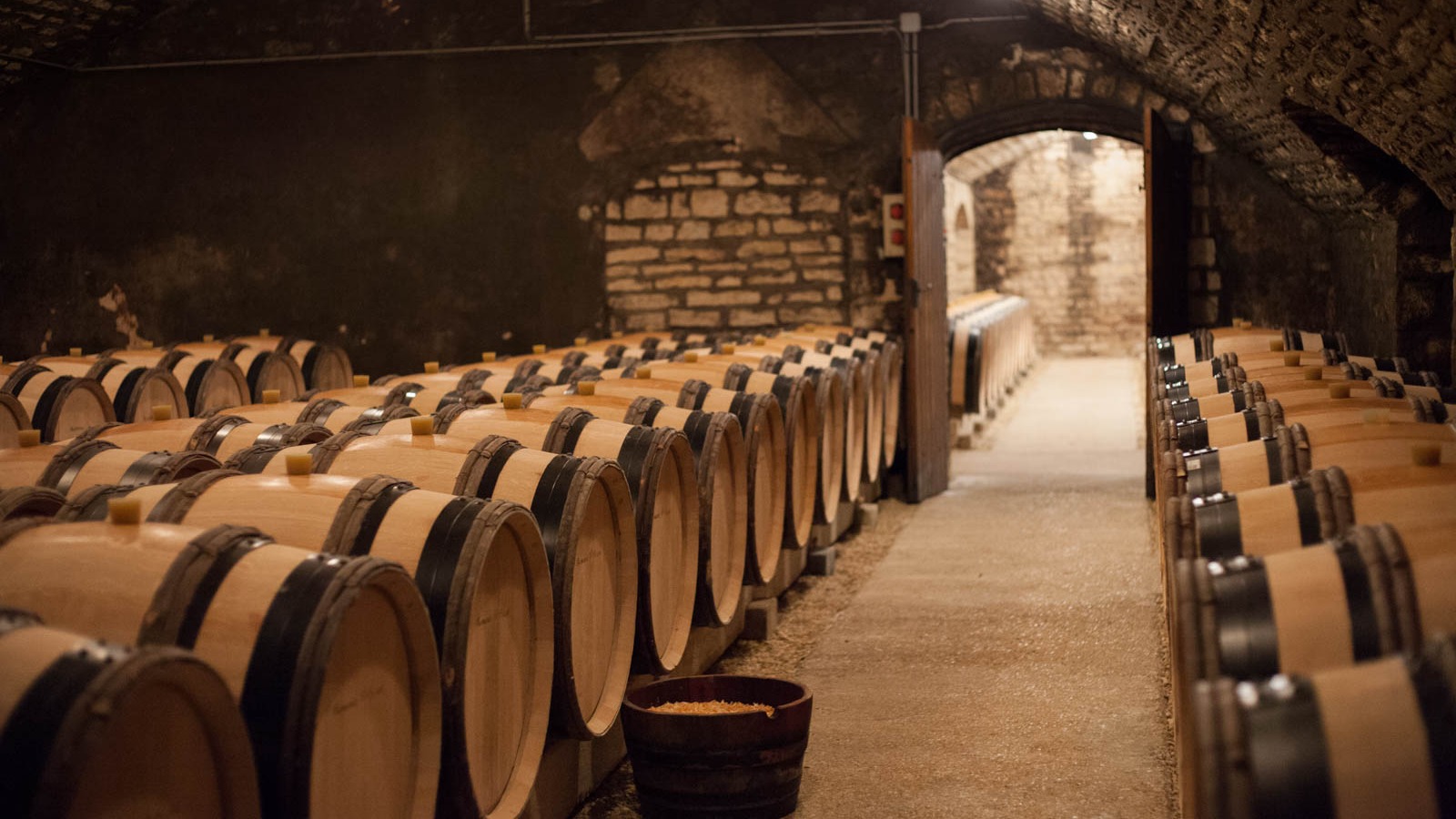
French oak as a layer, not a cover
Véronique Sanders works the élevage at Château Haut-Bailly in Leognan, Pessac Leognan, France, with French oak kept in its place. As General Manager, Véronique Sanders has held the estate since 2000, after serving as property manager from 1998–2000, and her authority here comes from both training and proximity. She studied at Sorbonne University and at the University of Bordeaux, Faculty of Oenology, where she completed her oenology training in 1997, before returning to the property in a professional capacity. The place had already entered her hands before it entered her résumé: her earliest memories include helping her grandfather, Jean Sanders, among the rows at Haut-Bailly. That childhood contact matters here because the house style is not built as a rupture. Sanders speaks about continuity in practical terms, through wines that keep elegance, authenticity, consistency, balance, softness with power, and a non-aggressive profile in view. The estate’s older lineage runs deeper than any one tenure, with a vineyard believed to have been created in the 16th century and a name tied to Firmin Bailly in the 17th century. Under Sanders, that history is not treated as ornament. It sits at the bench as a discipline.
A single block in Pessac-Léognan
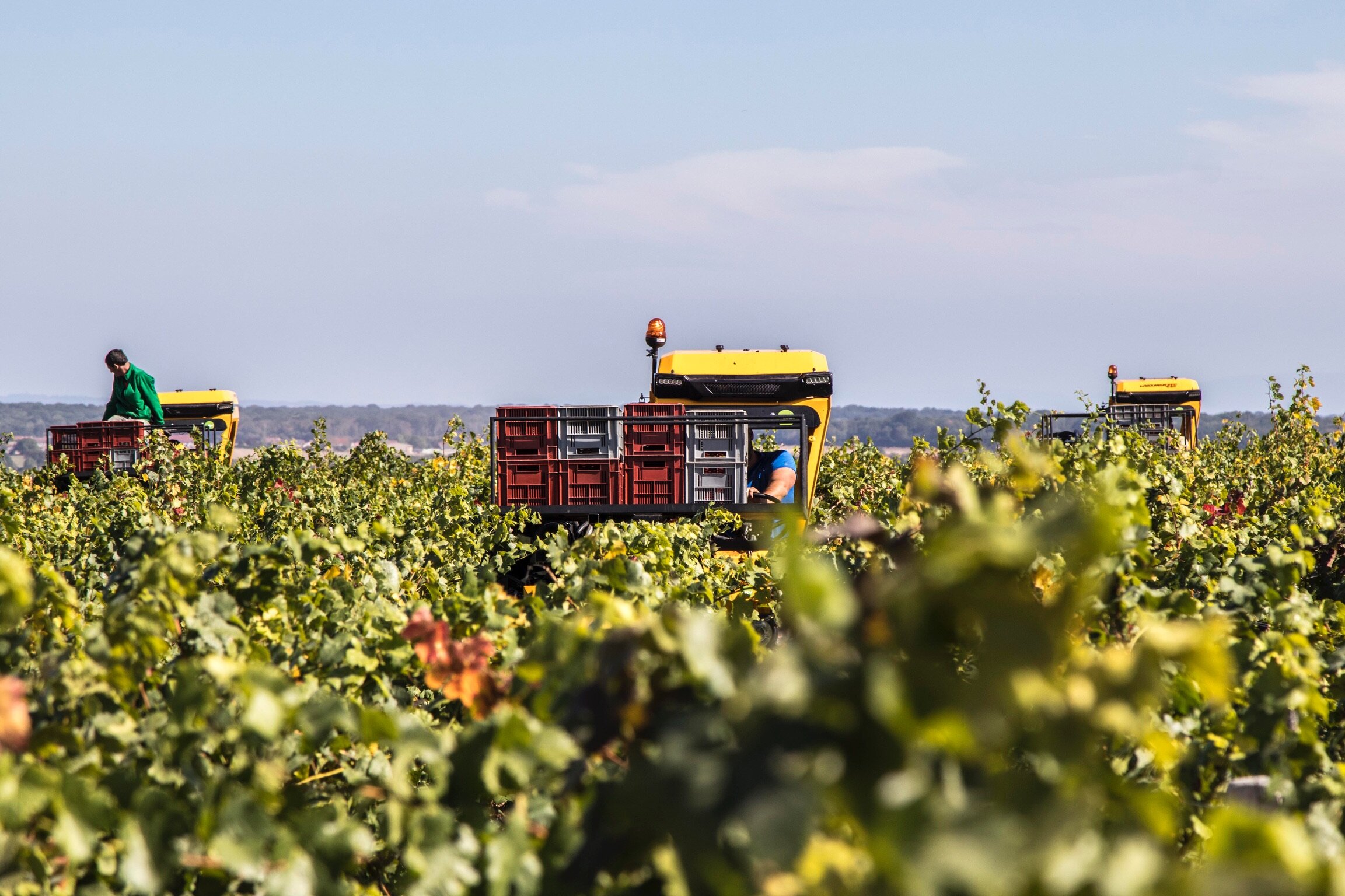
The vineyard gives Haut-Bailly an unusually clear working frame: 33 hectares in one contiguous block, on gentle slopes in the Pessac-Léognan AOC, with gravel, sand and clay over subsoil that includes fossils and marine sediments. Cabernet Sauvignon leads the planting at 60%, with Merlot at 34% and Cabernet Franc making up the remainder. The fruit is estate-grown, picked by hand, then passed through optical sorting before each parcel is vinified separately. The vats use double isothermal walls, so the cellar can hold temperature with precision while keeping the character of each section apart long enough to understand it. The barrel program follows the same restraint. Only French oak is used, and Sanders treats the barrel as a layer rather than a cover, something that should reveal the wine rather than hide it. Haut-Bailly makes its grand vin, a second wine, and a third wine introduced in 1987. The selection is one way the estate protects the register of Haut-Bailly Grand Vin without forcing every parcel into the same sentence.
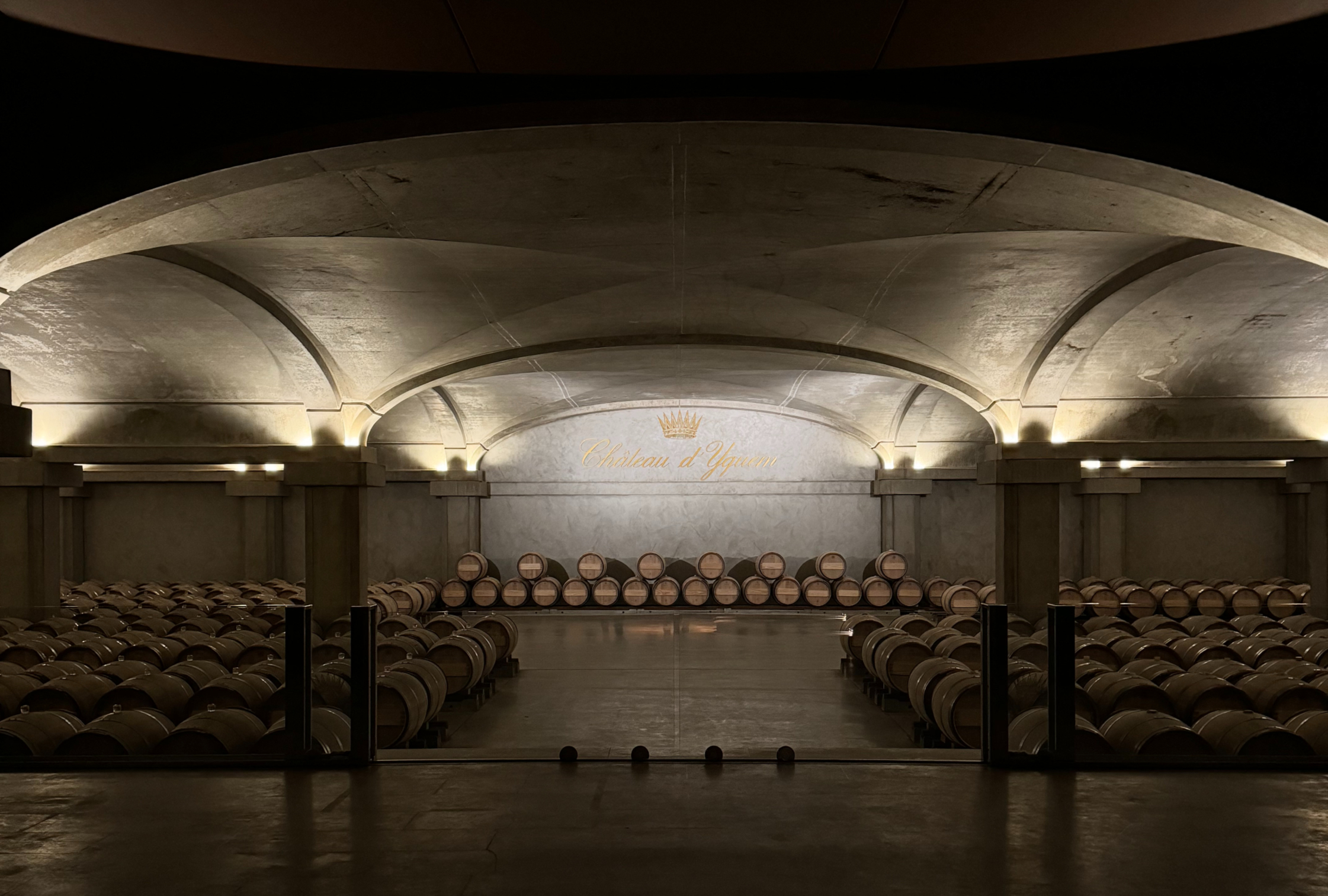
The cellar under the château
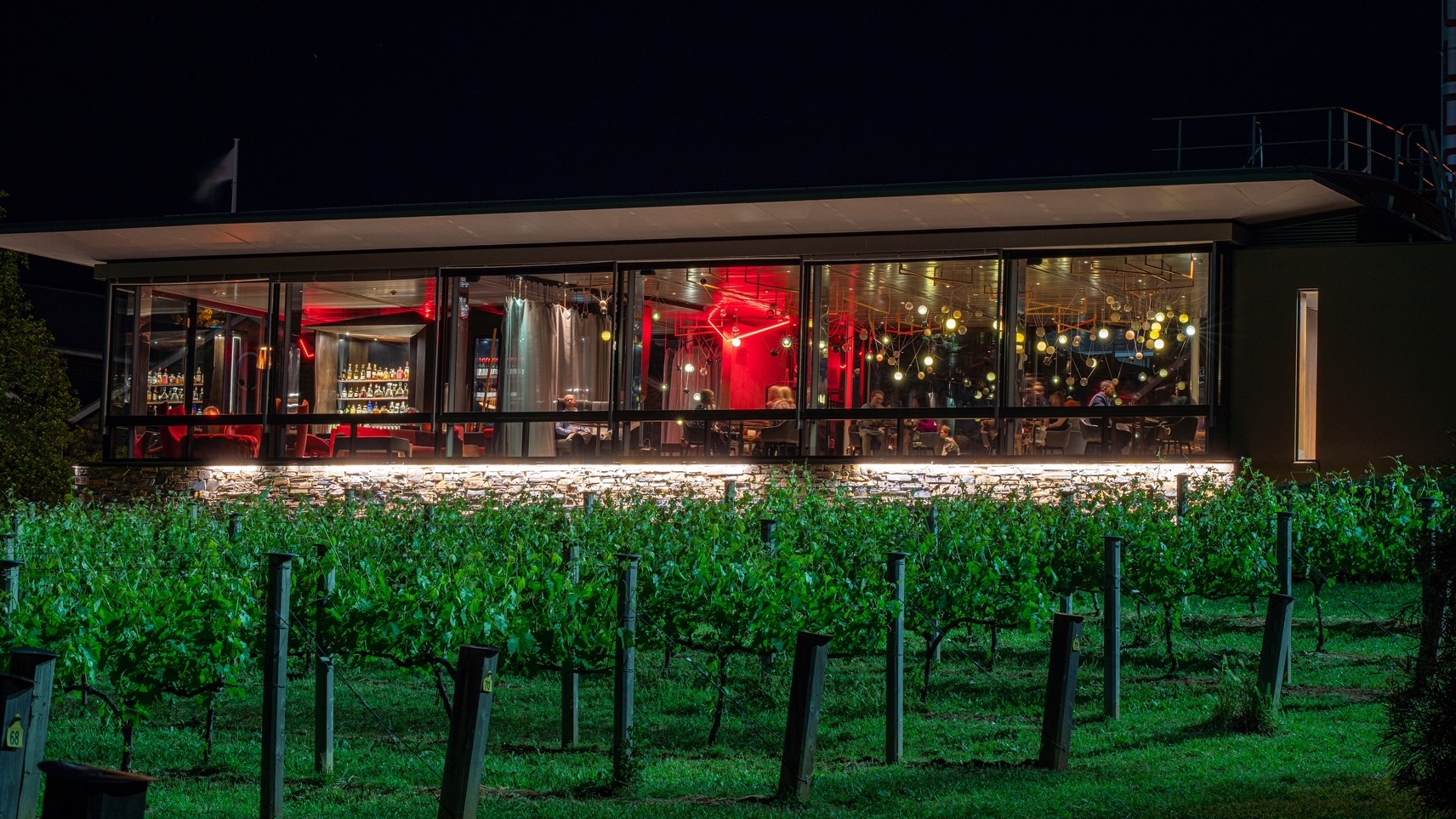
The house moves quietly around the work. Haut-Bailly’s historic château setting and modern tasting environment sit beside the cellar and barrel cellar, so the polished visitor path does not erase the agricultural one. The room is refined, but the useful details remain close: the single vineyard block outside, the sorting that precedes the vats, the French oak waiting in the barrel cellar. Noise stays low enough for the cadence of a winery to be felt rather than performed. In the tasting room, the wines carry the same controlled line Sanders names in her own terms: “The best three words which characterize the chateau are elegance, authenticity, and consistency.” The sentence is spare, and so is the ambition. Haut-Bailly asks the cellar to preserve shape, not volume.
Continuity as a working method
The estate’s classification among the Crus Classés for red wine in the 1953 and 1959 Classification of Graves belongs to the property, not to a campaign. Its value here is historical pressure: a benchmark that requires repetition, adjustment and patience in the rows. Sanders’s next move is not announced as spectacle; it is the continued narrowing of choices vintage by vintage, from parcel vinification to the use of French oak. The measure remains Haut-Bailly Grand Vin.
Know before you go
- Dress code
- smart_casual
- Reservations
- appointment_only
- Payment
- cash, credit_card
- Accessibility
- wheelchair_accessible, step_free_entrance
- Groups
- Welcomed
Address
Pessac-Léognan, Nouvelle-Aquitaine, Frankreich
Leognan