
Biodynamic Bordeaux from estate vines
- Falstaff Winery - Listed · 2026
The cooper’s eye in Sainte Radegonde
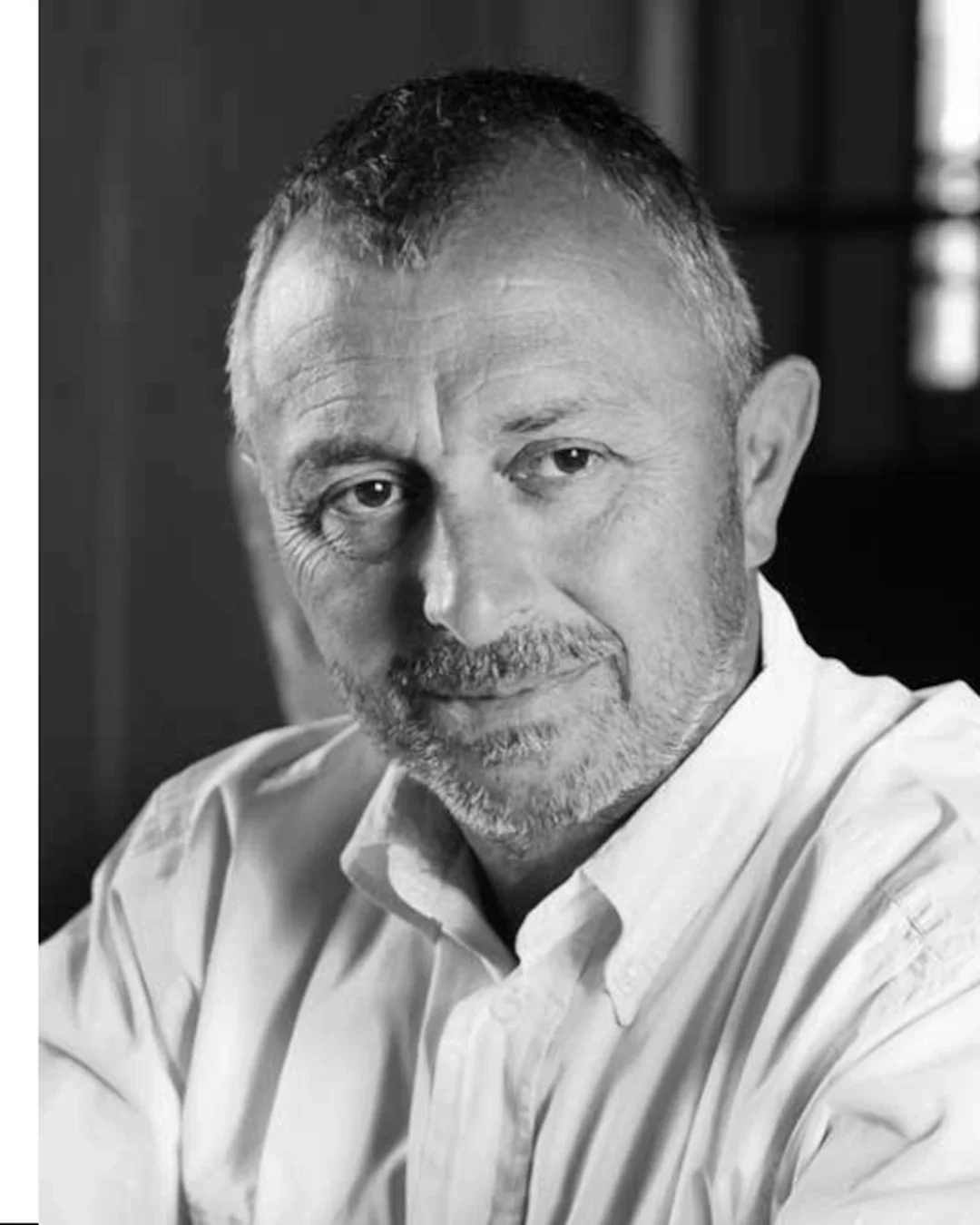
The barrel was never an afterthought for Pascal Collotte, who came to Château Jean Faux in Sainte Radegonde as owner-vigneron in 2002 after a career as master barrel cooper at the Tonnellerie Saury. The house he shaped asks for that kind of bench-side attention: not oak as perfume, but oak as structure, duration, and restraint, and his years as a cooper gave him an intimate understanding of the vessel that shapes wine. The château sits in the village of Sainte-Radegonde, on clay-limestone hillsides facing Saint-Émilion and Castillon, with Bordeaux Supérieur as its appellation and estate fruit as its material. What had been a neglected property became a small, self-contained domaine, its authorship held close to the same hands that made the vineyard and cellar decisions. Collotte died in June 2023, and his wife Pascale has continued the estate’s production standards on the biodynamic philosophy established in 2002. The wines, Jean Faux Blanc “Les Pins Francs”, Jean Faux Blanc “Sainte Radegonde”, Jean Faux Rouge “Les Sources”, and Jean Faux Rouge “Sainte Radegonde”, keep their names near the ground they come from.
Estate fruit, living soil, measured élevage
Château Jean Faux farms 12.8 hectares of estate-owned vineyard within a larger landscape of woods, meadows, and streams. The work follows organic and biodynamic practice, with organic certification since 2008 and biodynamic certification in 2014. The planting density is 7,400 vines per hectare, and the vines average 25 years of age. Sauvignon Blanc, Sémillon, Merlot, and Cabernet Franc form the program. The whites are built from 85% Sauvignon Blanc and 15% Sémillon; the reds from 80% Merlot and 20% Cabernet Franc. Harvest is manual. In the cellar, white wine ferments in stainless steel or cement, with cold pre-fermentation maceration for freshness. The Sainte Radegonde Blanc then spends six to nine months on lees in French oak barrels, with 10 to 15% new wood. The red wines ferment in cement and stainless steel as well. Sainte Radegonde Rouge ages for 14 months in French oak with 5% new barrels, while Les Sources Rouge takes the same 14 months with 15% new oak. The method is measured, not showy.
The cellar held by woods and meadow
The room at Château Jean Faux belongs to a quiet estate rather than a spectacle. Around the cellar, 40 hectares of woods, meadows, and streams keep the vineyard from feeling isolated from the rest of the farm. That matters in biodynamic work, where the vines are treated as part of a living system and not as a separate production block. The setting has its own tempo: clay-limestone underfoot, slopes turned toward Saint-Émilion and Castillon, a historic château beside fields that have been brought back into use the long way. In the tasting room, the wines are meant to read as classic, alive, and elegant, with the cellar’s choices folded into texture rather than announced. The measure is still in the glass, especially in Jean Faux Rouge “Les Sources”.
Questions
Frequently asked
Who runs Château Jean Faux now?
Pascal Collotte bought Château Jean Faux in 2002 and established its biodynamic direction. After his death in June 2023, Pascale Collotte has continued the estate’s production standards.
What kind of wines does the estate make?
The château makes two whites and two reds: Jean Faux Blanc “Les Pins Francs”, Jean Faux Blanc “Sainte Radegonde”, Jean Faux Rouge “Les Sources”, and Jean Faux Rouge “Sainte Radegonde”.
What is the winery’s farming approach?
Château Jean Faux farms 12.8 hectares of estate-owned vineyard using organic and biodynamic practice. It has held organic certification since 2008 and biodynamic certification since 2014.
What grapes are used here?
The white wines are made from 85% Sauvignon Blanc and 15% Sémillon. The reds are made from 80% Merlot and 20% Cabernet Franc.
Can visits be booked as a walk-in?
Visits are by appointment only, and there is on-site parking.
The field
How it compares
| Place | Notes | Awards |
|---|---|---|
| Château Jean Faux | Sainte-Radegonde, $$$ | · |
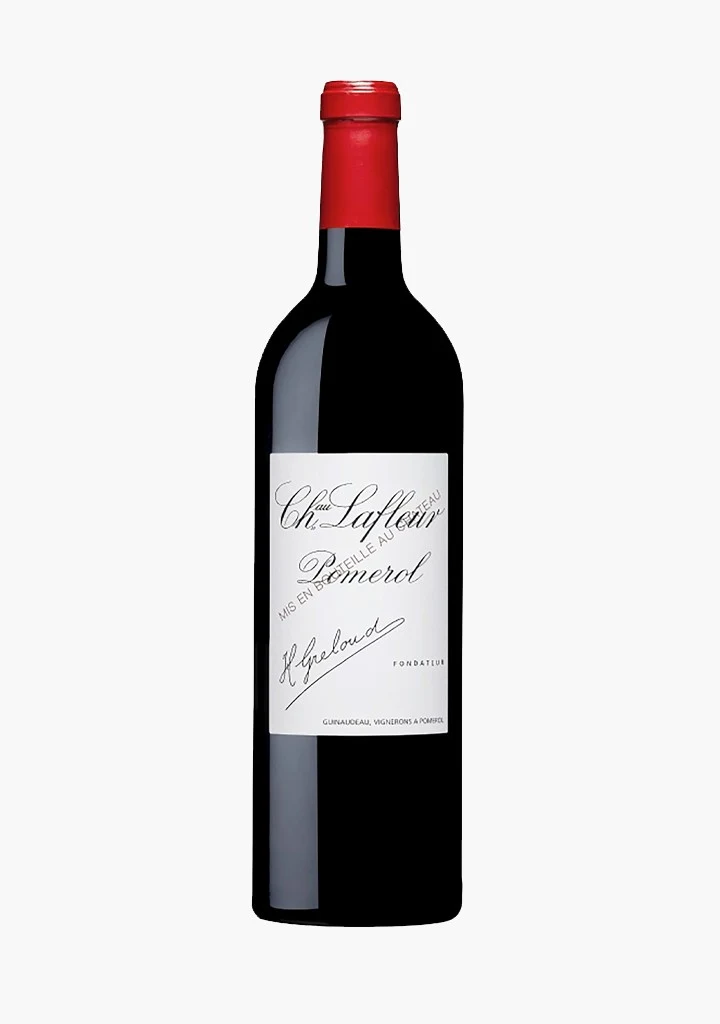
| Château Lafleur | Pomerol | · |
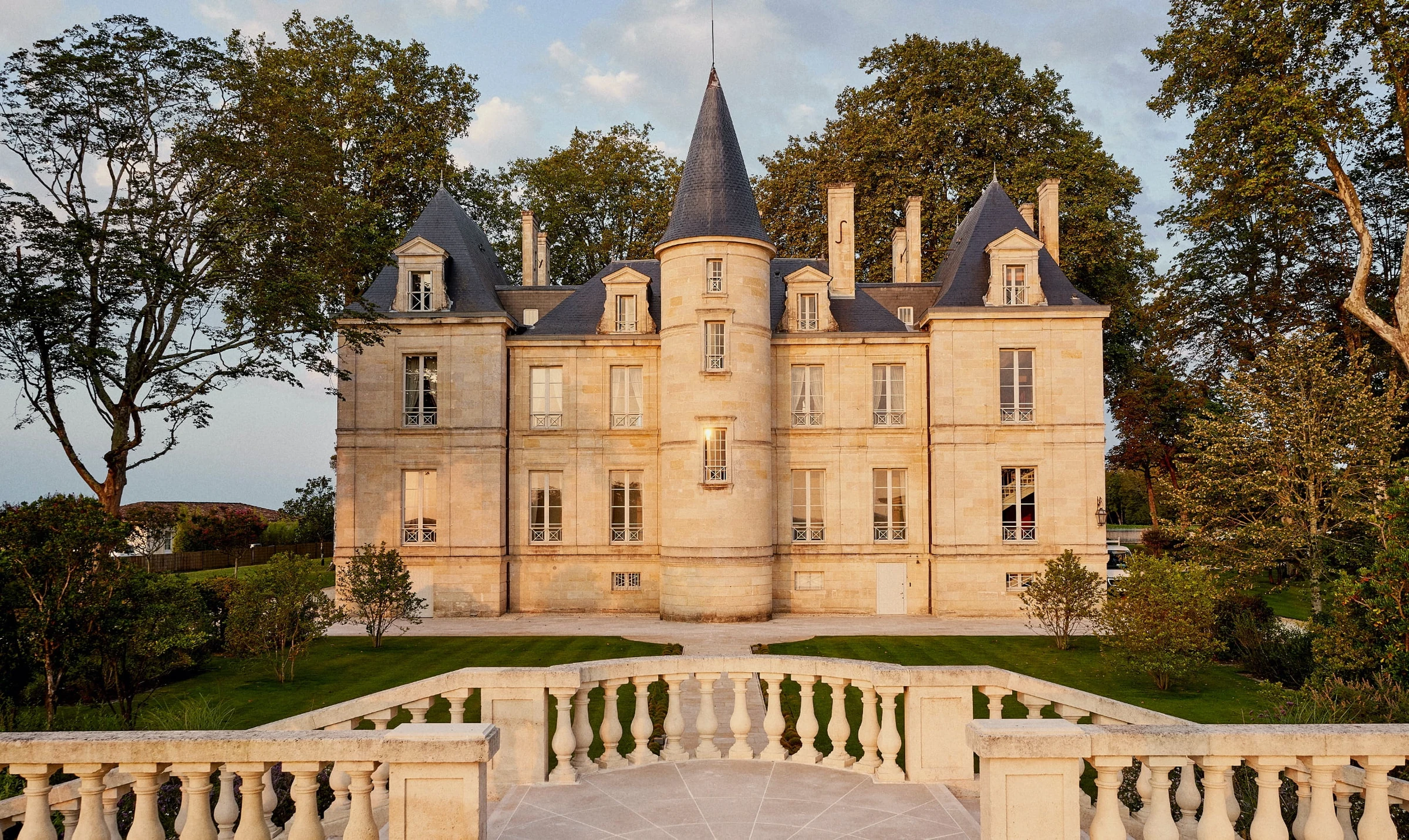
| Château Pichon-Longueville-Comtesse-de-Lalande | Pauillac | · |
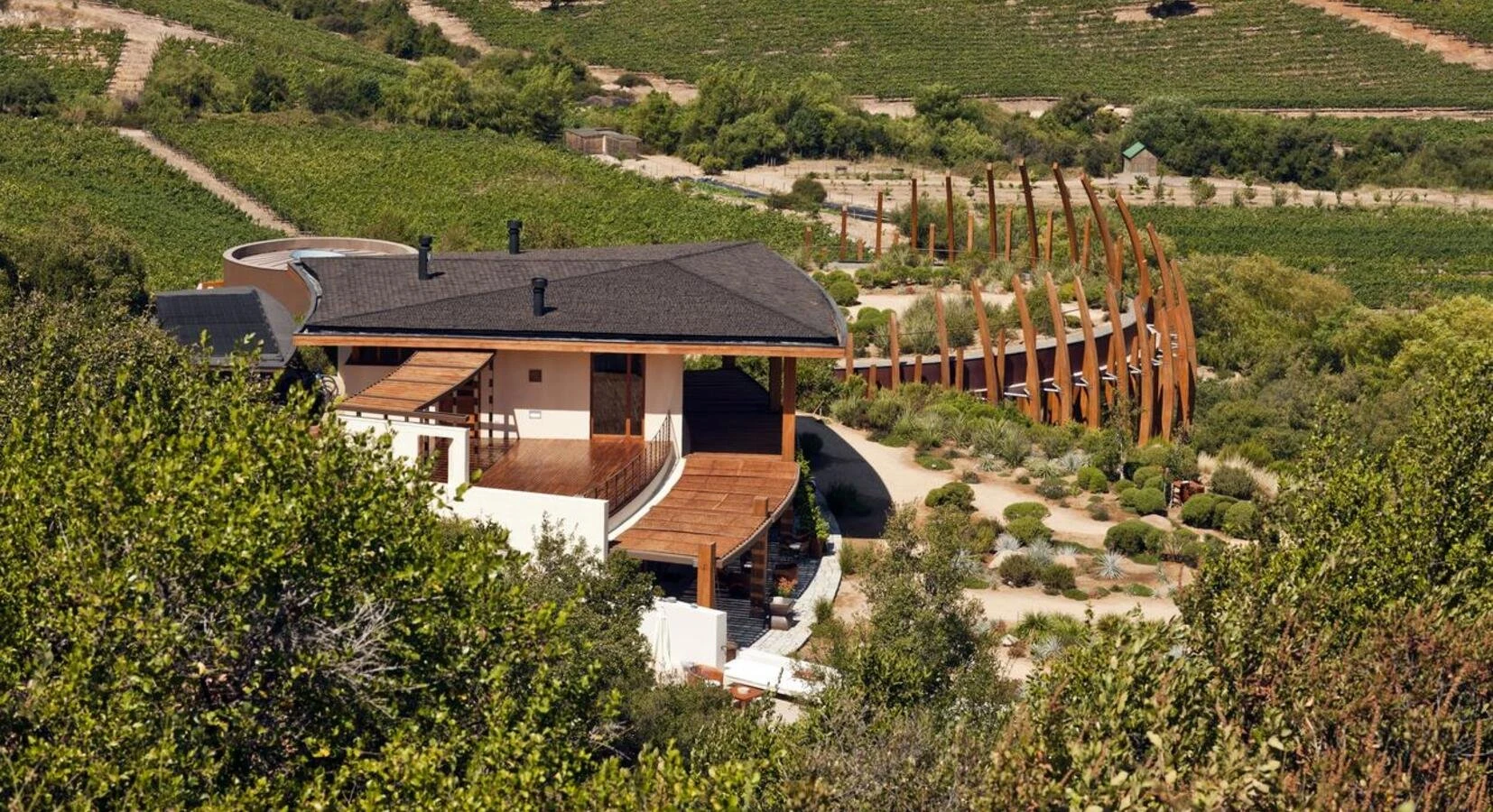
| Clos Apalta (Casa Lapostolle) | Santa Cruz | World's 50 Best |
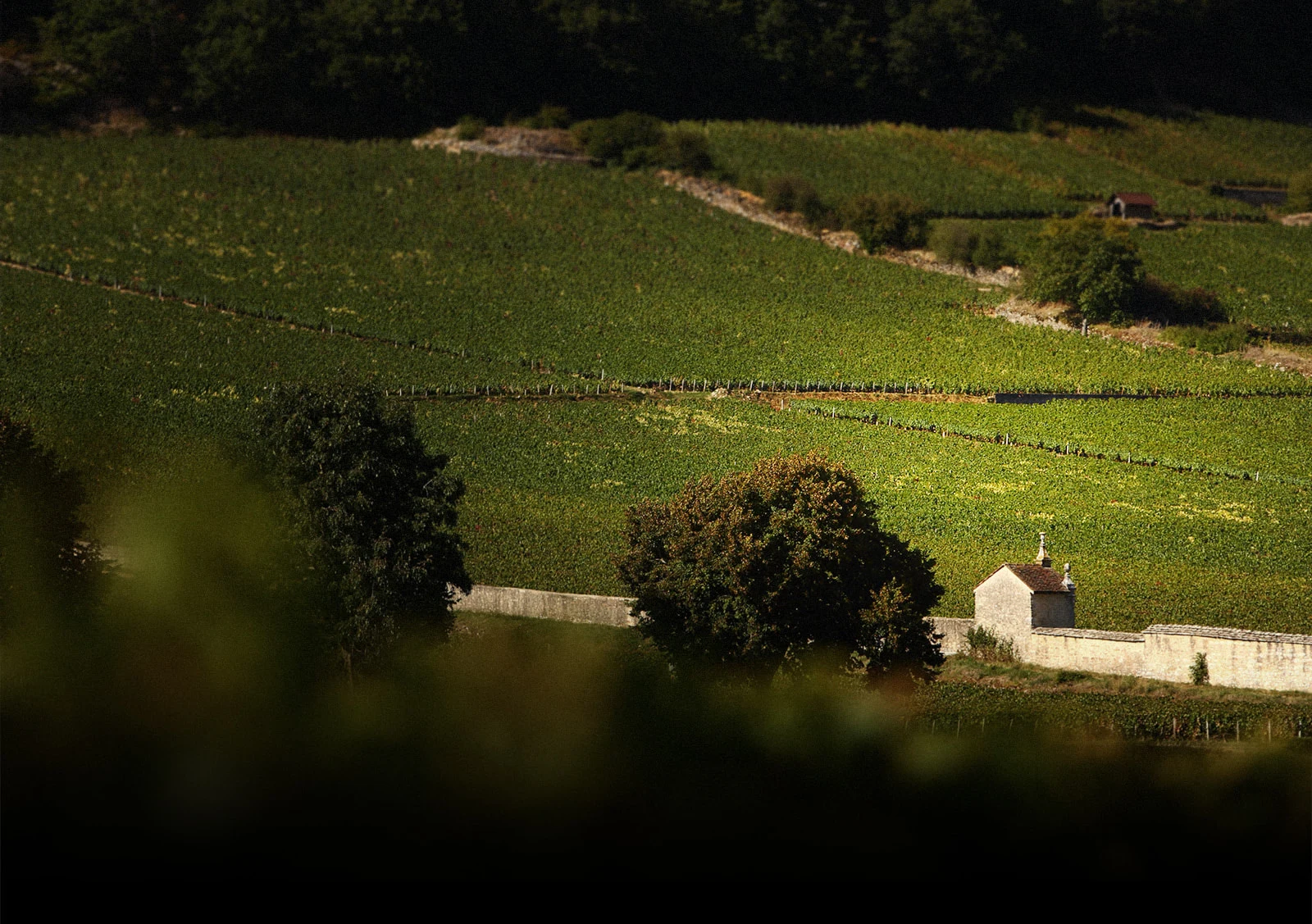
| Domaine Armand Rousseau | Gevrey-Chambertin | · |
| Domaine Nicolas Reau | Sainte Radegonde | · |
| Viña VIK | San Vicente De Tagua Tagua | World's 50 Best |