Château La Fleur Morange
- 01CitySaint Pey D Armens, France
Château La Fleur Morange is a small Saint-Pey-d’Armens estate whose appeal lies in old-vine Saint-Émilion seen at close range: clay-limestone soils, iron-rich subsoil, tiny production and a garage-wine trajectory that reached Grand Cru Classé status in 2012. The tasting mood is quiet and informal, with the vineyard and cellar doing more of the talking than château theatre.
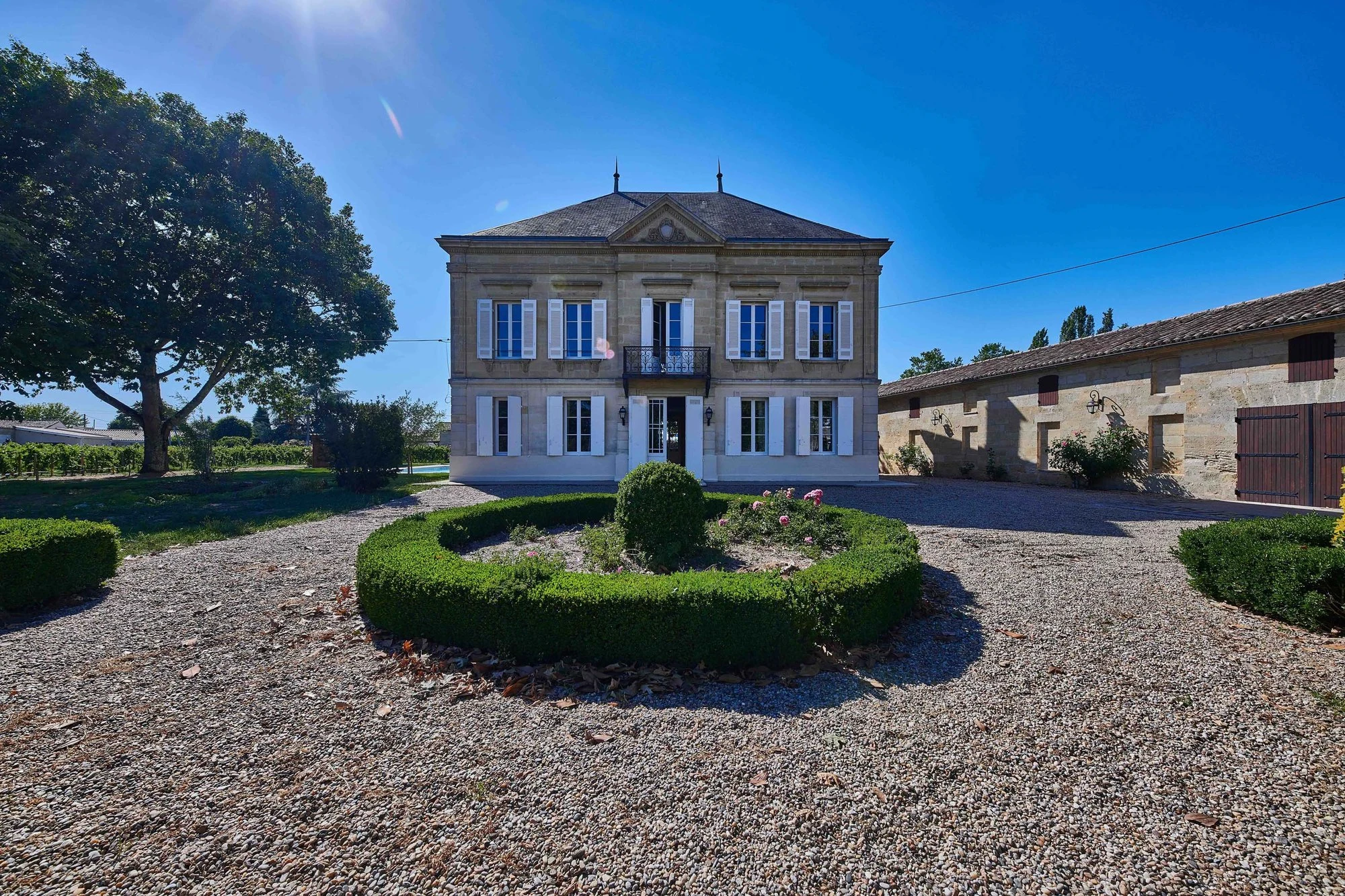
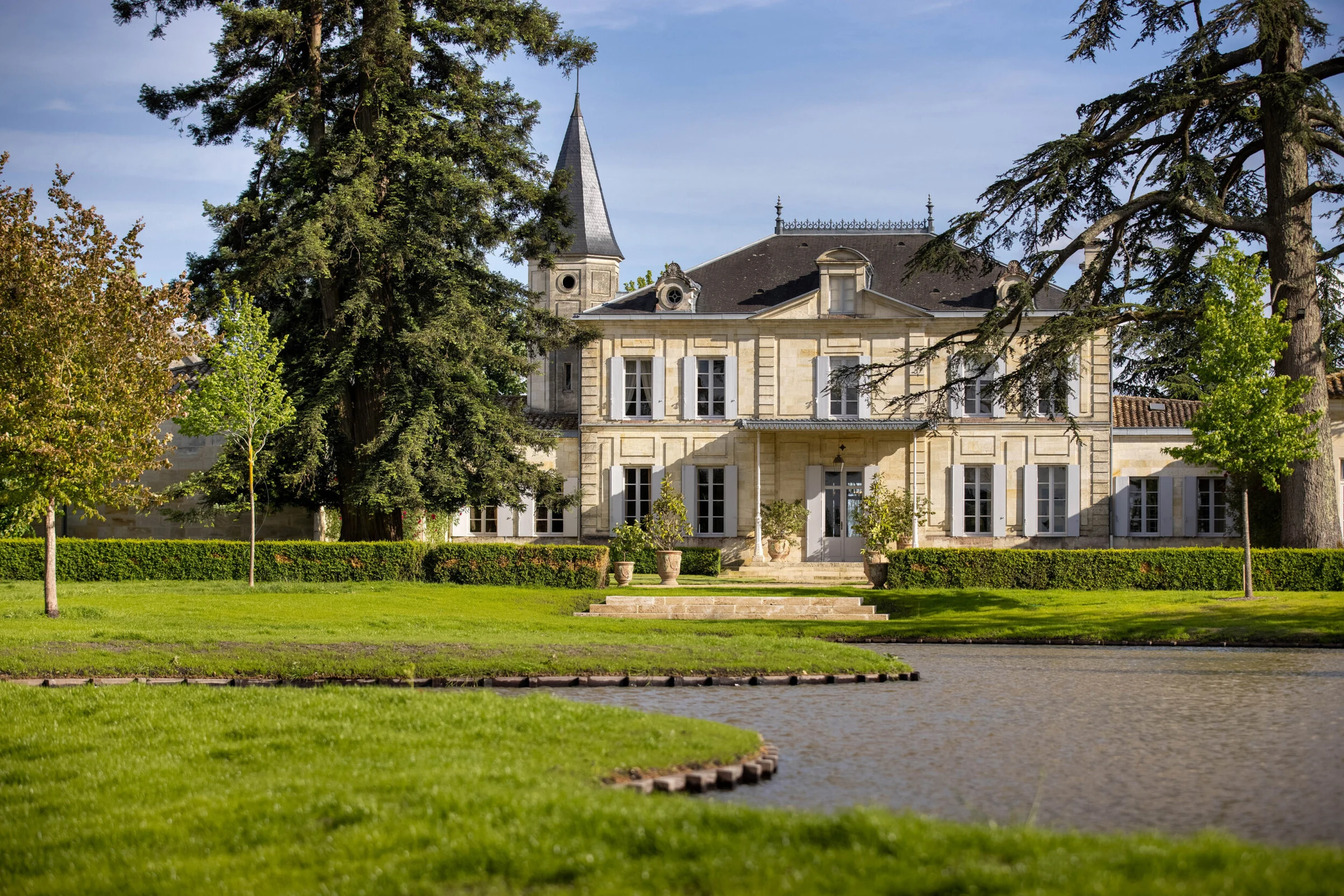
Approaching Saint-Pey-d’Armens, the drama is not architectural scale but agricultural proximity: low vineyard rows, working countryside, and the slower rhythm of Bordeaux’s eastern Right Bank. This is the setting in which small estates can make a sharper argument than grand façades. Château La Fleur Morange belongs to that argument, a family-run property where the point of the visit is the link between old vines, clay-limestone soils and a compact cellar rather than polished ceremony.
Saint-Émilion is often read through hierarchy, classification and market gravity, but its edges matter. Saint-Pey-d’Armens sits away from the appellation’s better-known centre, and that distance gives the commune a different kind of interest for travellers who already know the standard Bordeaux circuit. The estate’s 2012 promotion to Saint-Émilion Grand Cru Classé made it the first from Saint-Pey-d’Armens to enter that tier, a classification signal that carries more weight here because the vineyard is only 3.5 hectares, with 2 hectares classified.
Old vines, iron-rich clay and the Saint-Pey-d'Armens edge
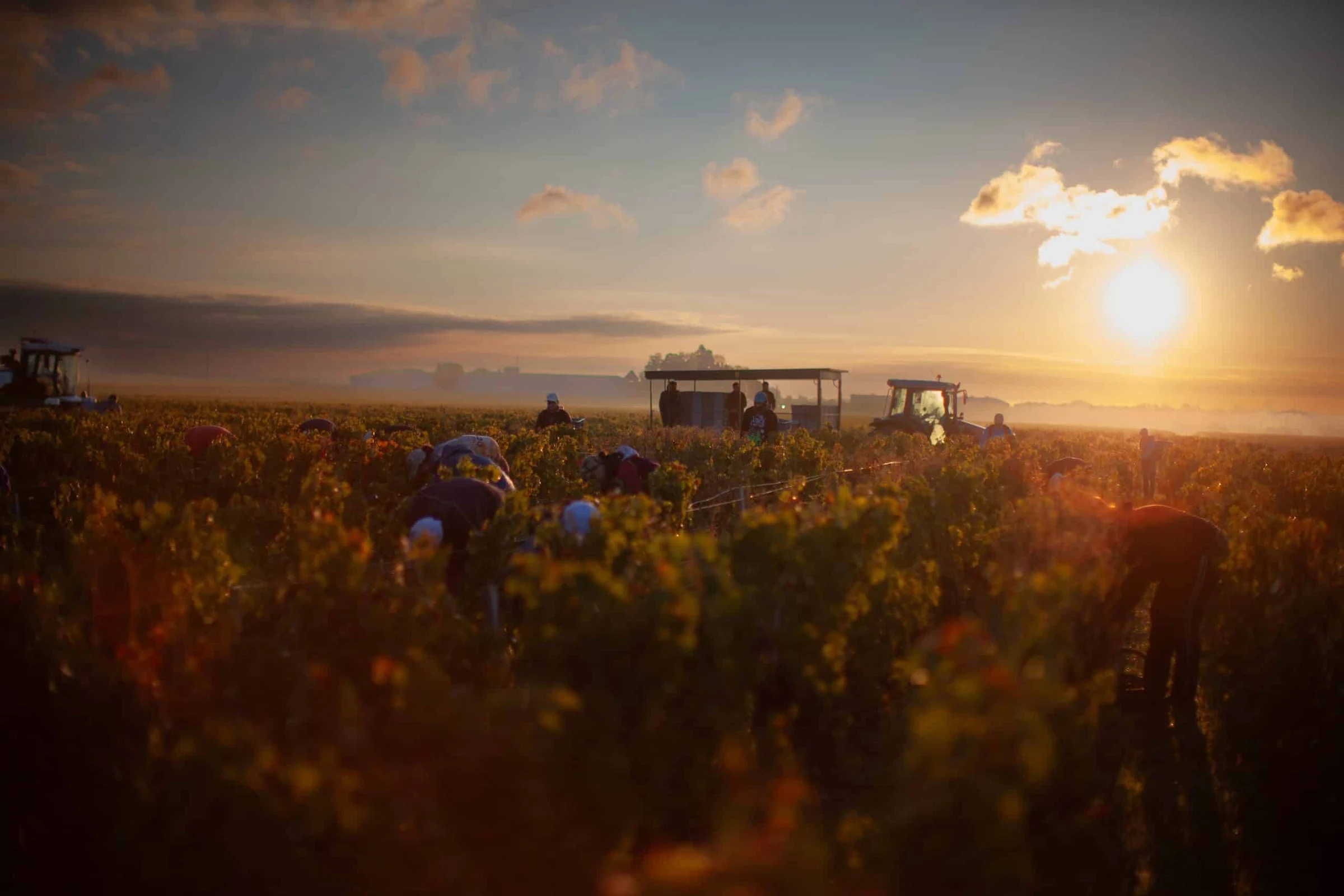
The strongest reason to pay attention here is terroir expression, not hospitality gloss. The vineyard is planted to 70% Merlot and 30% Cabernet Franc, with Merlot vines exceeding 100 years and Cabernet Franc vines over 70 years. In a region where scale and blending can blur origin, that old-vine base gives the wines their concentration and makes the estate a useful lens on the clay-rich eastern side of Saint-Émilion.
The soil profile is the key detail: clay-limestone with crasse de fer, an iron-rich subsoil associated with structure, depth and a darker register of fruit. That matters because Right Bank Merlot can become soft when yield and extraction are handled lazily. Here, the viticulture pushes in the opposite direction. Debudding, repeated crop thinning and deleafing reduce volume, and the 2009 vintage reached 25 hectolitres per hectare, a notably low yield for Bordeaux. The result is not a broad lesson in luxury wine; it is a specific lesson in how a tiny parcel can compete through density, tannin and site definition.
Production scale sharpens that point. Annual output is around 7,000 bottles, placing the estate closer to the small-producer, garage-wine tradition than to the large château model many visitors associate with Bordeaux. The first vintage in 1999 amounted to 75 cases, made in a garage, and the rise from that origin to Grand Cru Classé status in 13 years remains one of the more telling modern Saint-Émilion stories. Jean-François Julien’s background as a carpenter is relevant only because it shaped the cellar equipment: he designed and built 50-hectolitre truncated stainless-steel conical vats with insulated double walls, followed by a long maceration and ageing in 100% new French oak for about 18 months.
A tasting built around the cellar rather than spectacle
The visitor experience fits the production logic. This is an intimate, family-run estate with a quiet, rustic tone, and the tasting format is educational rather than theatrical. The estate offers visits, tastings, on-site wine sales, group reception facilities and accommodation, which makes it practical for travellers using Saint-Pey-d’Armens as a slower counterpoint to the more trafficked parts of Saint-Émilion.
The flagship wine is Château La Fleur Morange, a Saint-Émilion Grand Cru Classé built from the estate’s older-vine Merlot and Cabernet Franc. La Fleur Morange Mathilde, the second wine, draws from younger vines averaging around 50 years and sees less new oak. That division is useful for visitors because it shows how vine age, barrel regime and classification surface translate into different expressions from the same small property.
Critical reception adds a concrete trust signal without needing to overstate the case. The 2025 vintage received 92–94 points from The Wine Advocate, while the 2024 vintage received 90–92 points. The 2012 vintage also carries symbolic importance as the first release after the Grand Cru Classé promotion. For collectors, the estate’s profile is defined by scarcity, old vines and classification; for travellers, the value is more immediate, a compact view of how modern Saint-Émilion can be ambitious without feeling corporate.
Sustainability is not decorative here. The estate holds Haute Valeur Environnementale certification, the French environmental standard covering biodiversity, reduced chemical inputs, water management and soil health. In a 3.5-hectare vineyard with old root systems and low yields, that stewardship reads as part of the farming logic rather than a separate talking point.
How to place it in a Saint-Pey-d'Armens wine day
Saint-Pey-d’Armens rewards a focused itinerary. Visitors looking to understand the commune rather than simply tick off Saint-Émilion names can pair this stop with nearby local producers such as Château Armens and Château La Croix Younan, then use our full Saint Pey D Armens wineries guide to build the rest of the route. For the wider stay, EP Club also maps Saint Pey D Armens restaurants, hotels, bars and experiences.
For readers comparing French wine regions beyond Bordeaux, the contrast is instructive: Champagne houses such as A. Margaine in Villers-Marmery and Agrapart & Fils in Avize frame terroir through chalk and village identity, while southern names including Abbaye de Fontfroide in Narbonne, Abbotts & Delaunay in Marseillette, Advini in Saint Felix De Lodez and Alain Brumont in Castelnau Riviere Basse show different relationships between climate, scale and structure. Further afield, »der Steiner« Hans Steiner in Podersdorf am See and & Handwein in Mannheim broaden the same question: how much can a place say when the producer keeps the frame small?
Questions
Frequently asked
Is Château La Fleur Morange more formal or casual?
It leans casual rather than formal. The $50 per person price point in Saint Pey D Armens points to a focused estate visit, not a dressed-up tasting room experience.
How pricey is Château La Fleur Morange?
Pricing at Château La Fleur Morange is listed as $50 per person.
Where exactly is Château La Fleur Morange?
Château La Fleur Morange is located at Saint Pey d'Armens, Libournais, Nouvelle-Aquitaine, Frankreich, Saint Pey D Armens.
What's the main draw of Château La Fleur Morange?
The main draw is the estate itself in Saint Pey d'Armens, Libournais, Nouvelle-Aquitaine, plus its Bordeaux pedigree as a Saint-Émilion Grand Cru Classé producer. That gives the visit context beyond the $50 per person entry point.
The field
How it compares
| Place | Notes | Awards |
|---|---|---|
| Château La Fleur Morange | Saint Pey D'Armens, $$$ | · |
| Château Smith Haut Lafitte | Martillac | World's 50 Best |
| Vega Sicilia | Valbuena de Duero | · |
| Domaine Leflaive | Puligny-Montrachet | · |
| Domaine des Comtes Lafon | Meursault | · |
| Domaine Faiveley | Nuits-Saint-Georges | World's 50 Best |
| Domaine Sylvain Cathiard | Vosne-Romanée | · |