
- Falstaff Winery - Listed · 2026
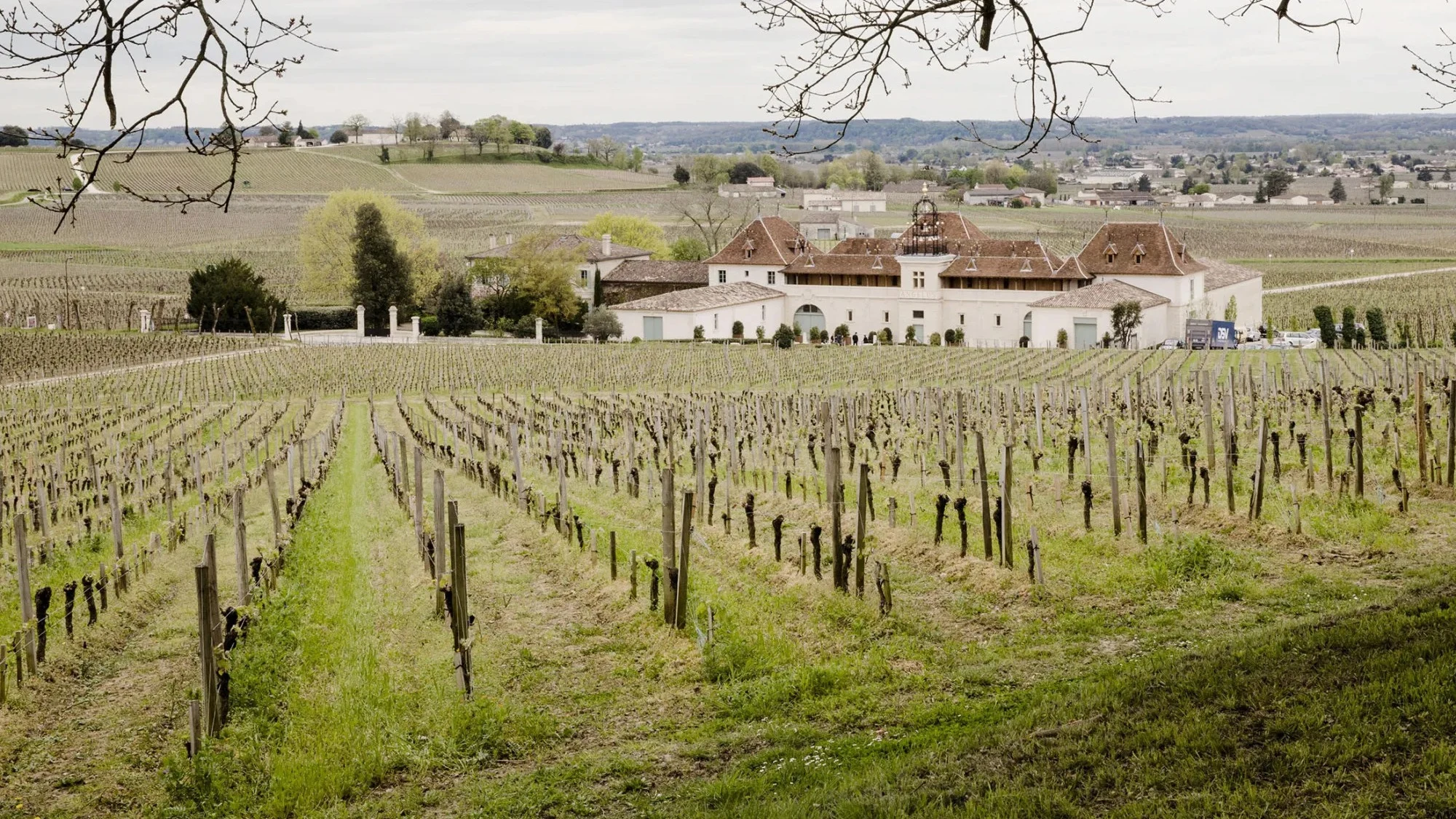
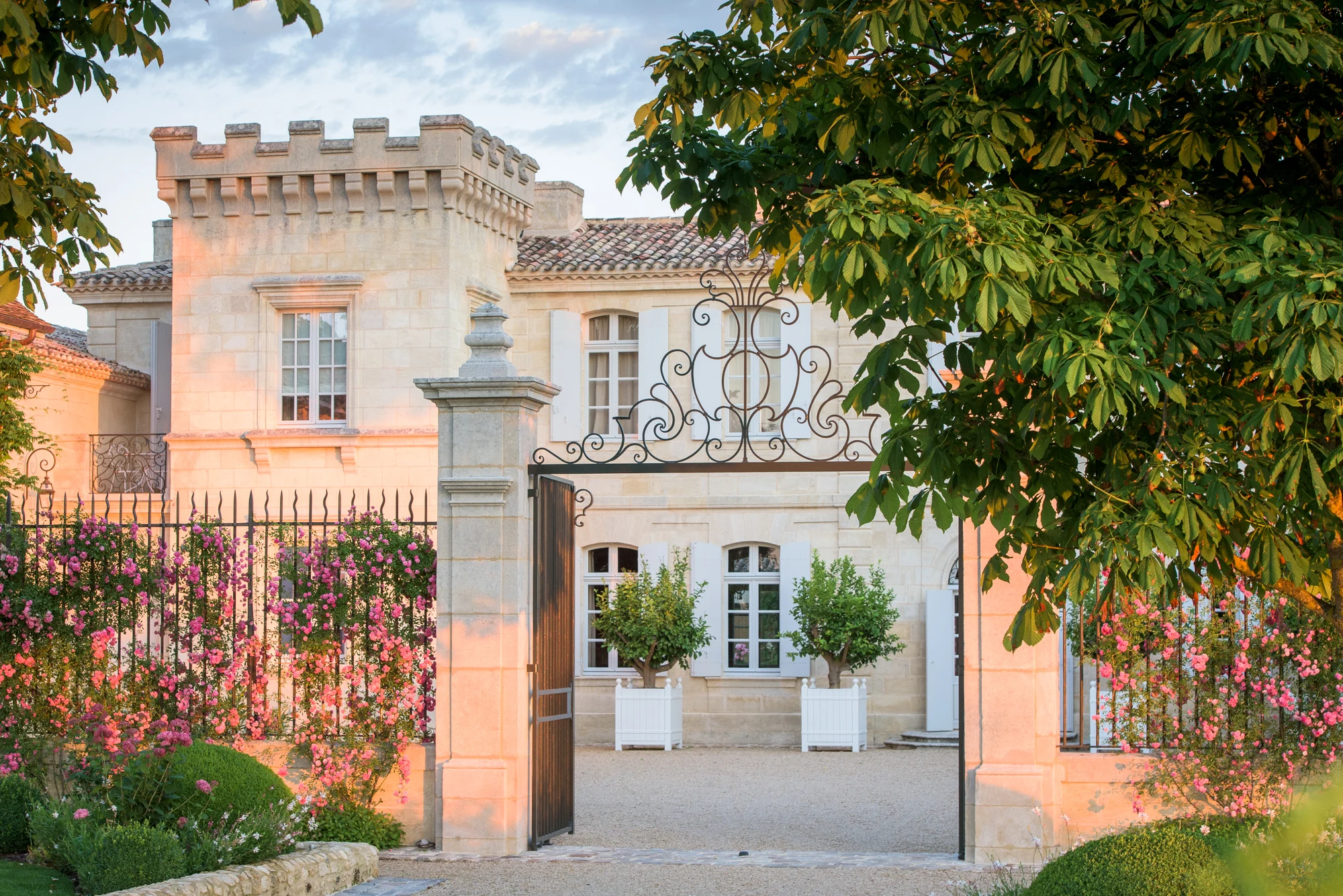
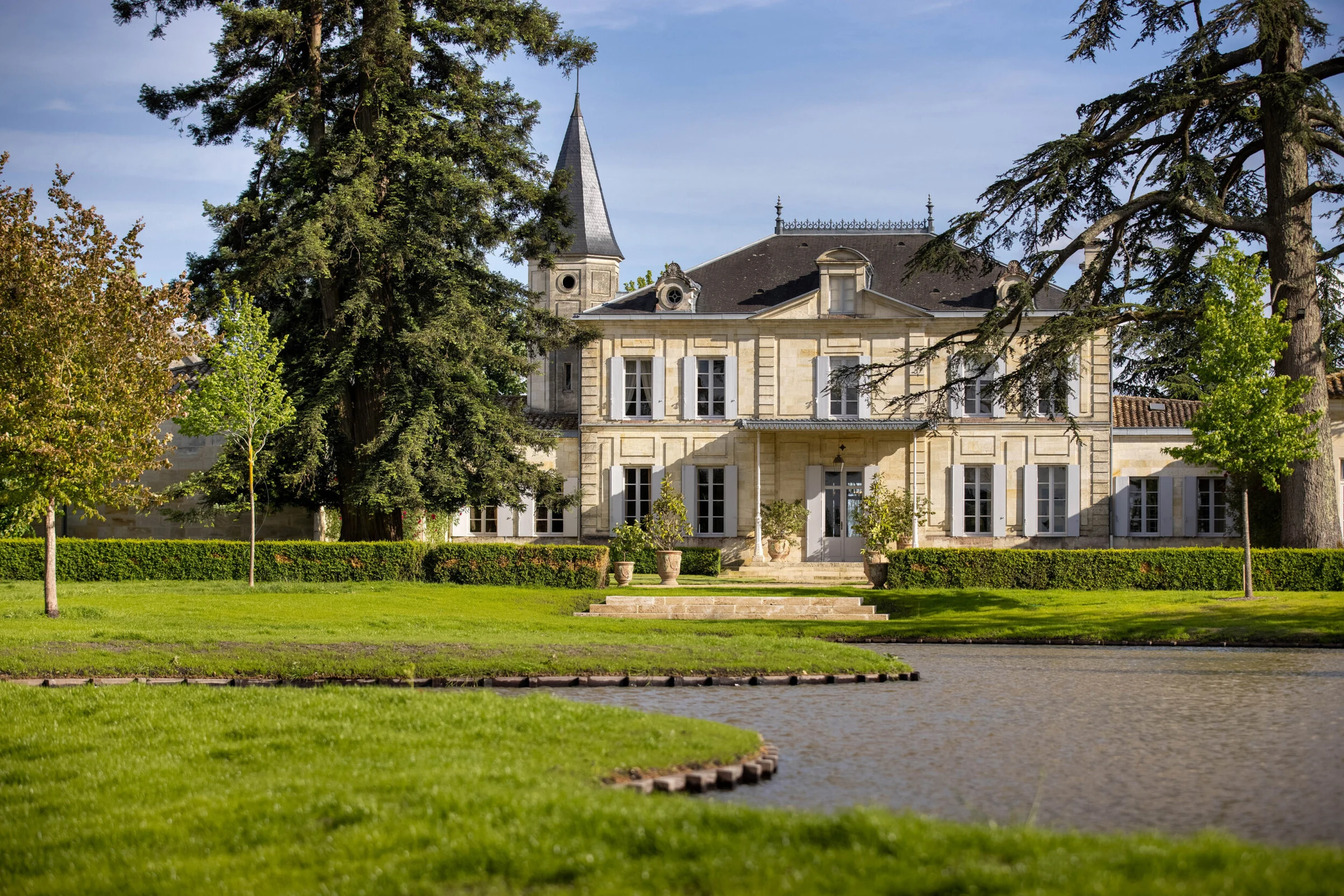
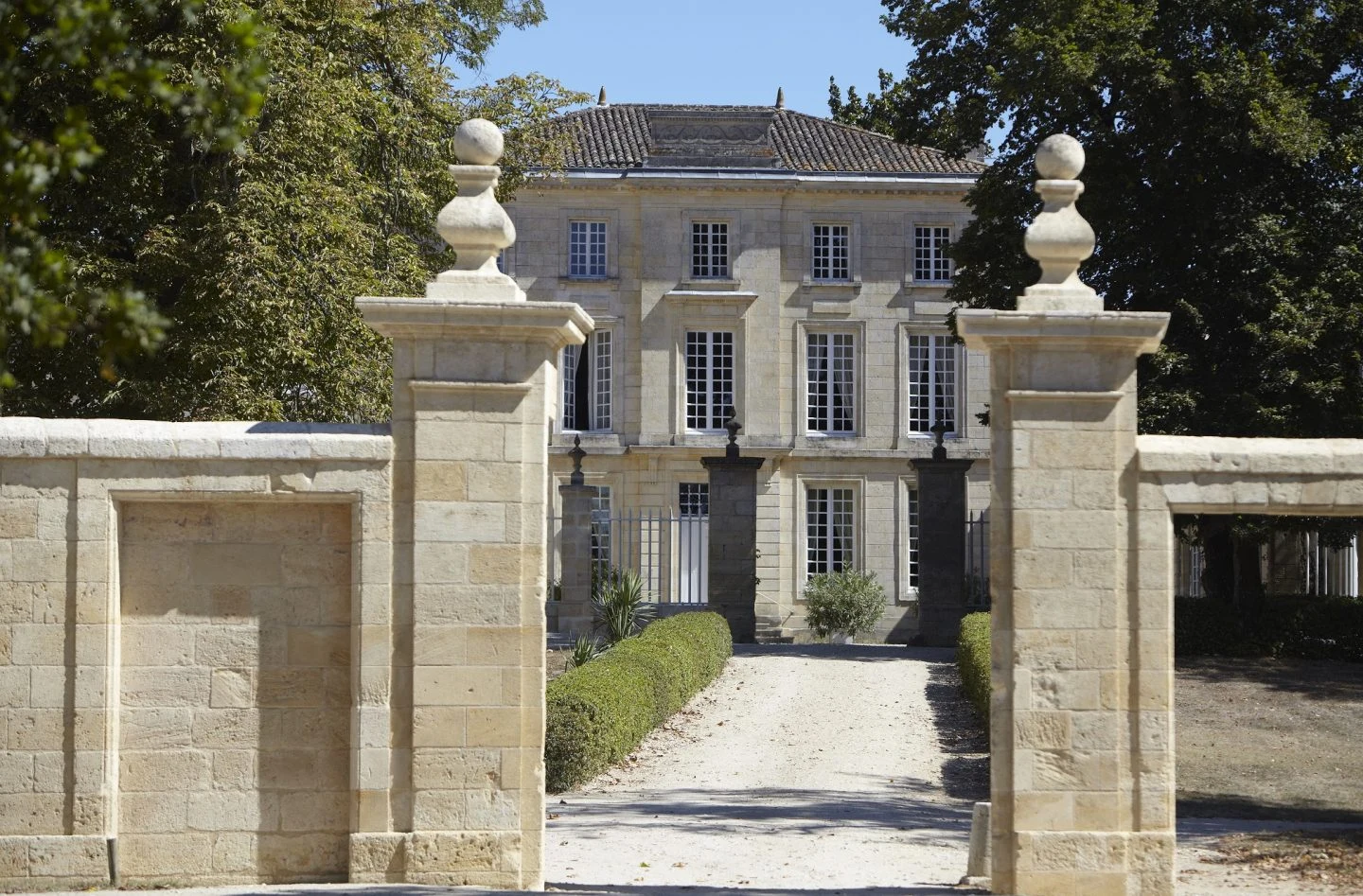
Château La Fleur Pourret is a small Grand Cru estate in Saint-Émilion, set at the gateway to the medieval town. The picture is deliberately simple: a classic château, vineyard surroundings, and a focus on terroir-driven, elegant red wines. Its appeal is not built around spectacle or a heavily programmed visitor experience; it is better understood as a traditional rural wine estate with a quiet sense of place.
For readers planning Saint-Émilion, that distinction matters. Château La Fleur Pourret should be approached as part of the area’s wine landscape rather than as a restaurant, hotel, bar, or broad hospitality venue. The available information supports a portrait of a small Grand Cru property centered on red wine, terroir, and the atmosphere of the surrounding vineyards.
Clay-limestone Saint-Émilion, interpreted on a small scale
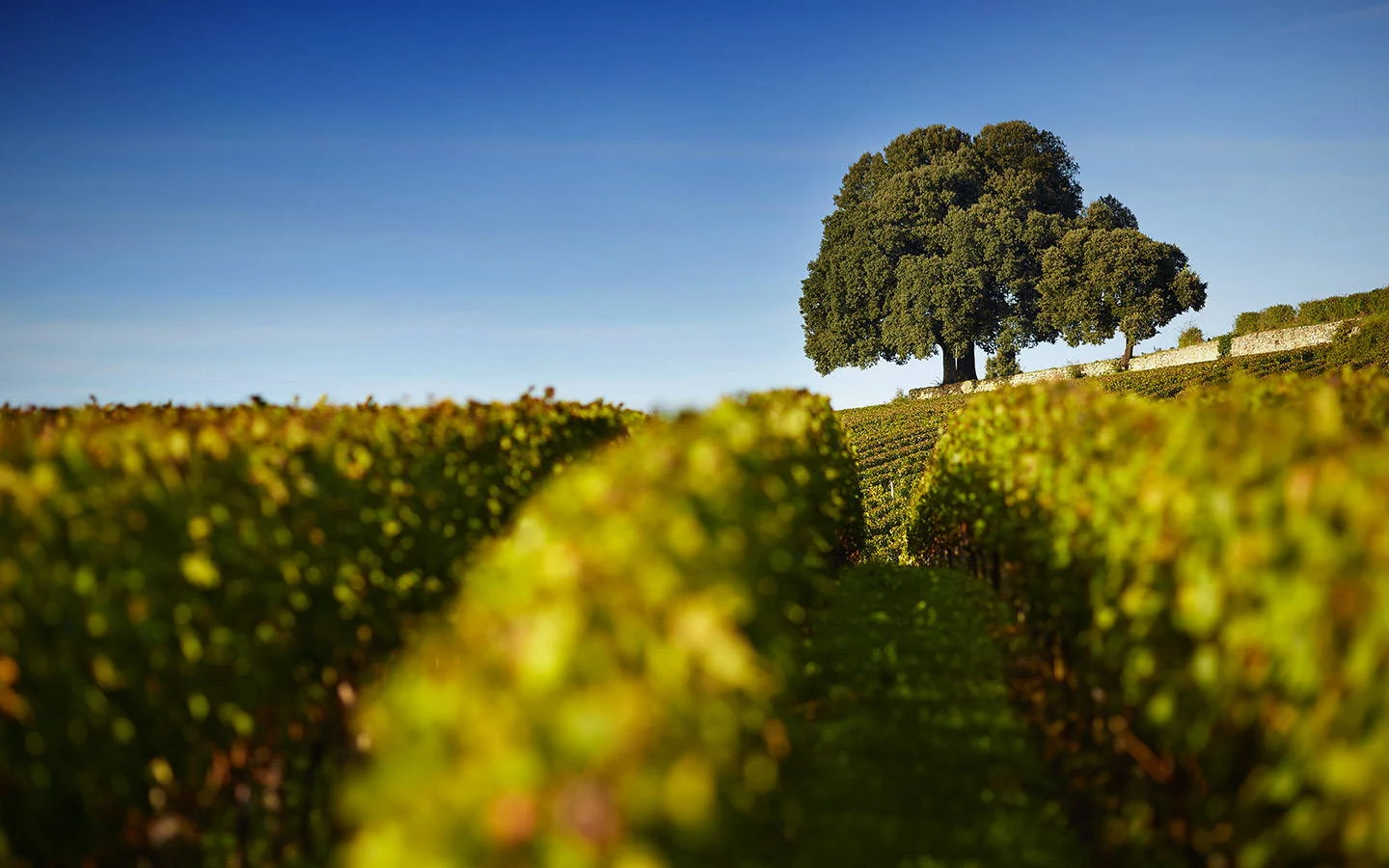
The most reliable way to frame Château La Fleur Pourret is through setting and style. It sits in Saint-Émilion, close to the medieval town, with classic château and vineyard surroundings. The atmosphere is traditional and rural rather than touristic, making it a better fit for visitors who value context, landscape, and wine culture over a high-production experience.
The estate’s stated emphasis is on terroir-driven, elegant red wines. Without detail on vineyard size, grape proportions, cellar equipment, production volume, individual vintages, or technical team, those specifics should not be treated as confirmed here. What can be said is narrower but still useful: Château La Fleur Pourret belongs in a Saint-Émilion itinerary for travelers interested in a small Grand Cru estate and the quieter side of the region’s wine identity.
That makes the venue’s character important. The description points to a classic château environment surrounded by vines, not to a design-led tasting complex or a food-led destination. If you are comparing possible stops in Saint-Émilion, place Château La Fleur Pourret in the category of traditional estate visits and wine-focused rural settings.
What the wine tells you about the vineyard
The wine description is broad but meaningful: the estate focuses on terroir-driven, elegant red wines. That language suggests that the interest is in site expression and balance rather than in a generic visitor attraction. No specific blend, grape percentage, vintage tasting note, barrel program, production number, score, or award is confirmed in the supplied information, so those details are intentionally not asserted.
For a premium guide, this is an important editorial boundary. Château La Fleur Pourret can be recommended as a Saint-Émilion Grand Cru estate with a traditional rural atmosphere, but it should not be embellished with claims about winemaking methods, named personnel, reservation rules, tasting formats, languages, food pairings, or hospitality amenities. The strength of the entry is its clarity: a small estate, a classic setting, and an emphasis on elegant red wine.
Travelers who already know Saint-Émilion as a wine destination may find this kind of property appealing precisely because it is not framed as theatrical. The surrounding vineyards and château context provide the experience; the wine focus gives the visit its reason to exist. Keep expectations centered on place, red wine, and the traditional character of the estate.
How to place it in a Saint-Émilion itinerary
Château La Fleur Pourret is best placed within a wine-focused Saint-Émilion day. It suits travelers who want a quieter Grand Cru estate setting near the medieval town, especially those interested in terroir-led red wines and a traditional rural atmosphere. The price level is $$$, so visitors should expect a premium positioning rather than a casual budget stop.
Do not assume lunch, dinner, takeout, delivery, pairings, outdoor seating, family programming, or a specific guided-tour format from the information supplied.
In a broader Saint-Émilion plan, Château La Fleur Pourret works as a focused wine stop rather than an all-purpose hospitality venue. Pair it with other unnamed Saint-Émilion dining, lodging, or wine options according to your schedule, but keep the role of this estate clear: it is a small Grand Cru château environment with vineyard surroundings and a red-wine identity rooted in terroir and elegance.
That concise positioning is enough. Château La Fleur Pourret does not need an invented narrative of size, scores, named staff, production figures, or special services to be useful to readers. Its appeal is the traditional Saint-Émilion setting itself: a classic château, surrounding vines, a rural mood, and a focus on elegant red wines.
Questions
Frequently asked
Who works at Château La Fleur Pourret?
Made By profiles Frédéric Faye (Winemaker) at Château La Fleur Pourret.
How expensive is Château La Fleur Pourret?
Château La Fleur Pourret is listed at a price level of $$$.
The field
How it compares
| Place | Notes |
|---|---|
| Château La Fleur Pourret | Pourret sector (gateway to medieval Saint-Emilion), $$$ |
| Château Angelus | Saint-Émilion |
| Chateau Ausone | Saint-Émilion |
| Château Canon | Saint-Émilion |
| Château Cheval Blanc | Saint-Émilion |
| Château Figeac | Saint-Émilion |
| Château Pavie | Saint-Émilion |