- Falstaff Winery - Listed · 2026
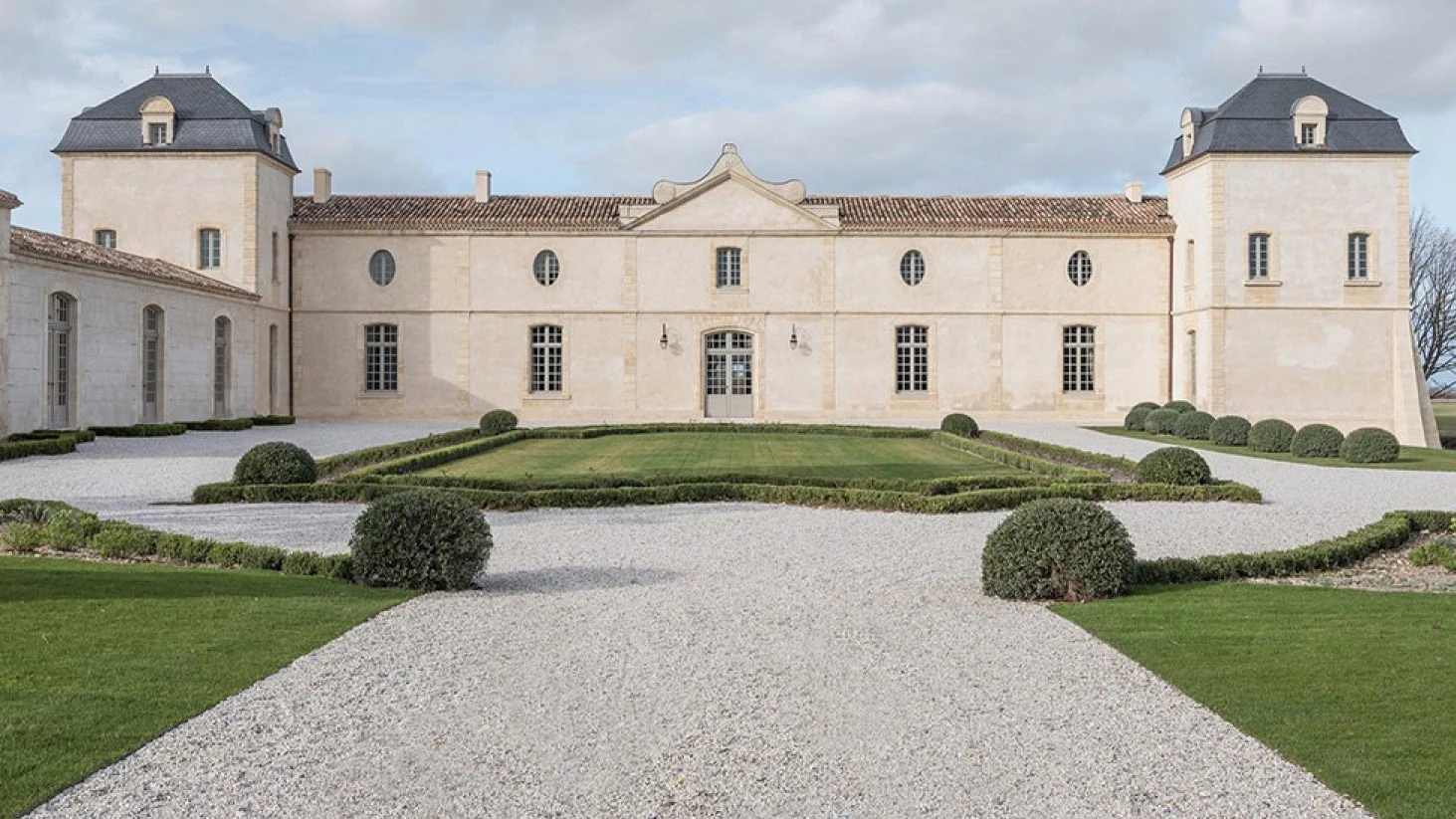
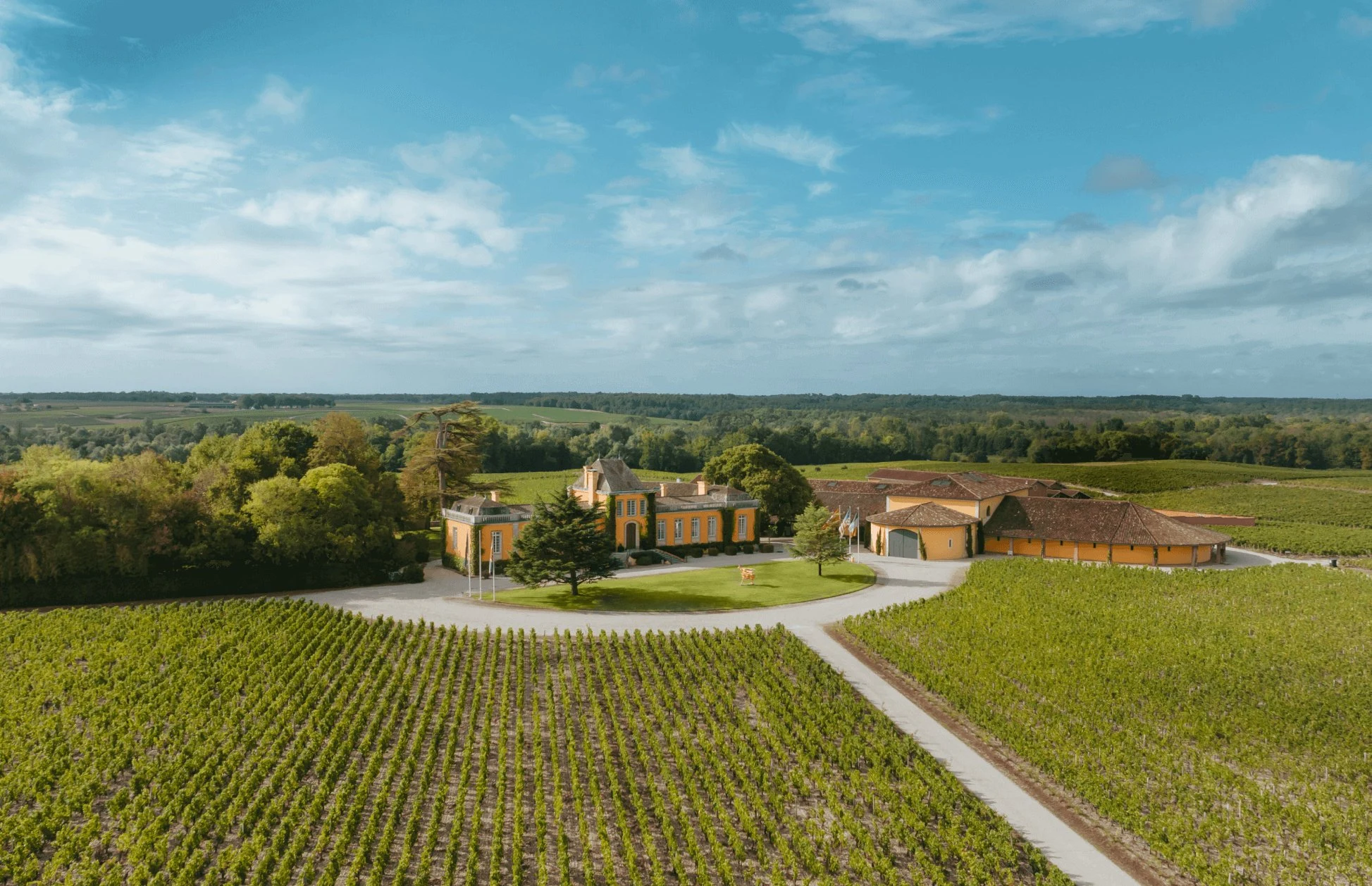
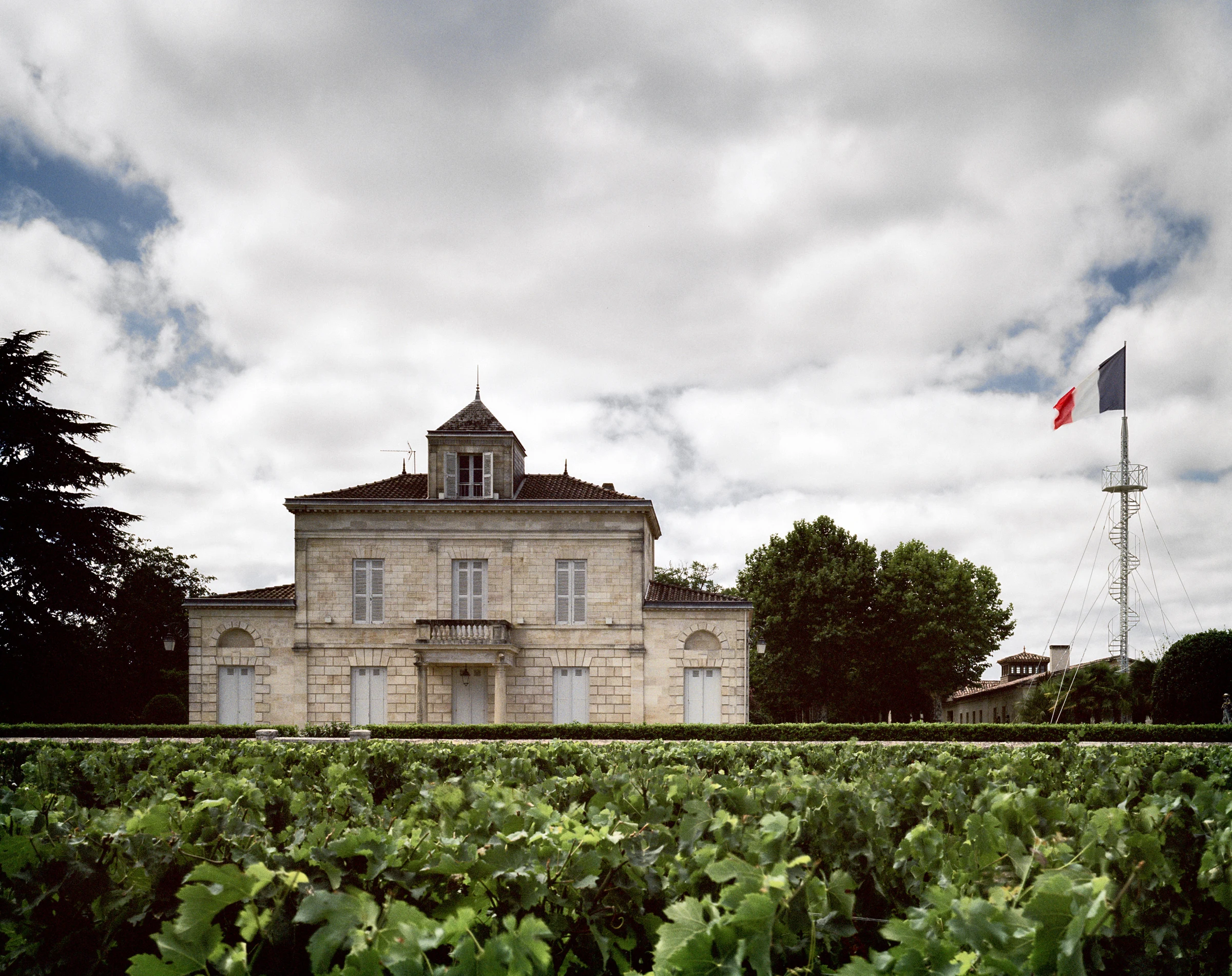
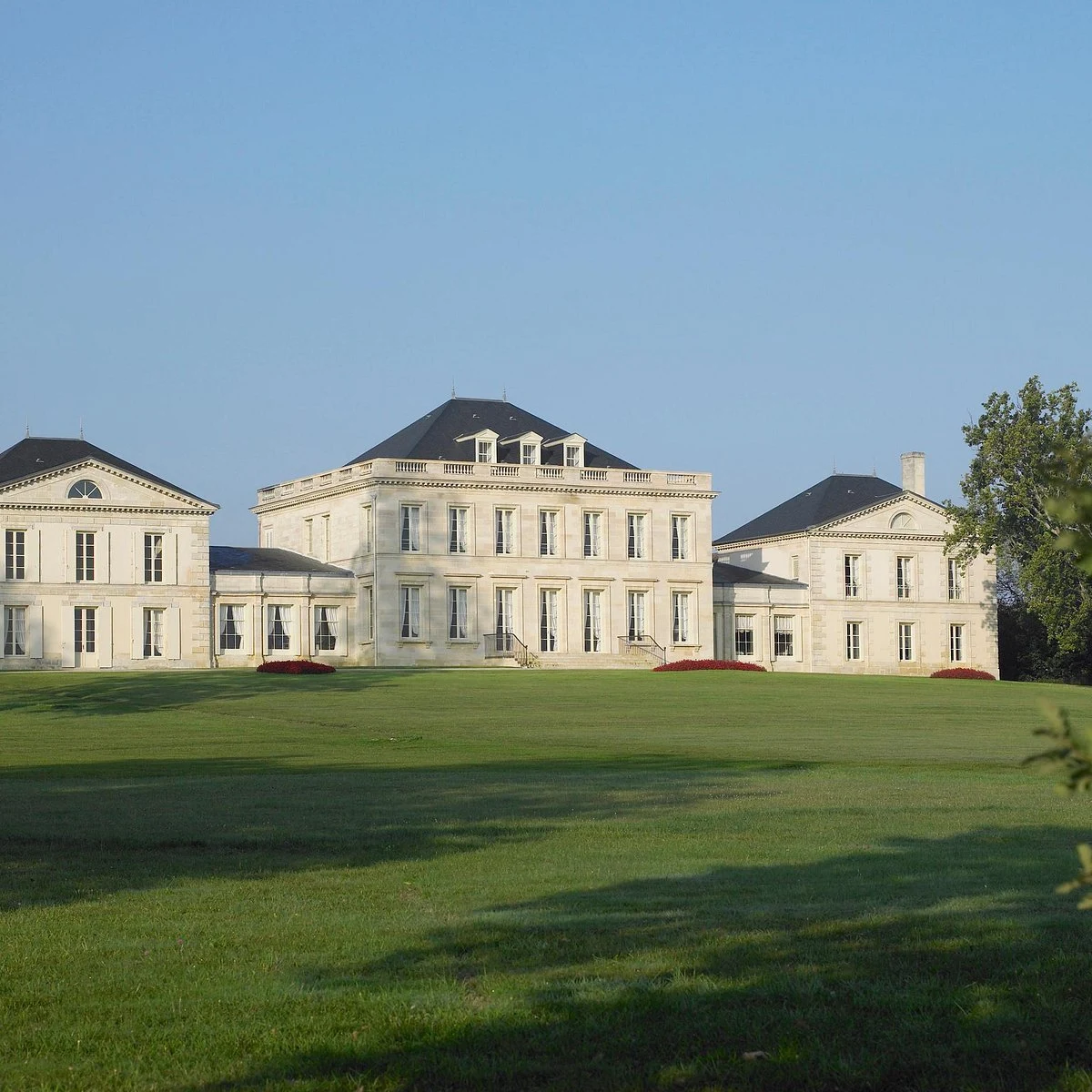
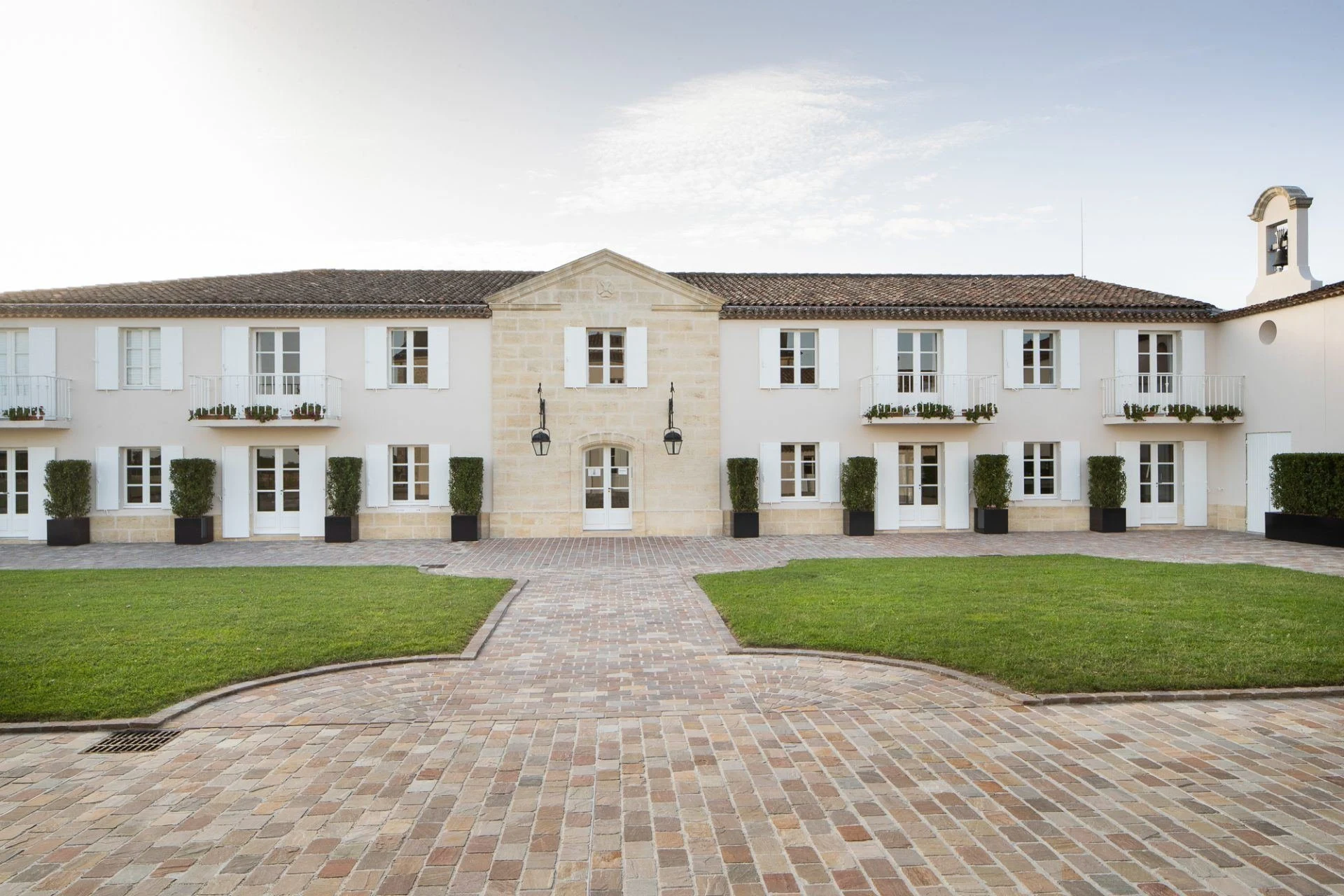
Château Lilian Ladouys is a historic Médoc estate in Saint-Estèphe, presented around classic Bordelais charm rather than spectacle. For visitors planning a wine-focused stop in the appellation, the draw is direct: the visit centers on the story of the cru bourgeois property, its vineyard, a guided tour and a seated tasting. That makes it a calm, educational choice for travelers who want the estate explained in context instead of a crowded tourist experience.
The reliable picture is of a château visit: historic setting, vineyard context, guided explanation and a tasting conducted seated. Pricing is listed at $16 per person, which gives the experience a clear planning point without implying any menu, food pairing, service add-on or premium package.
Saint-Estèphe structure, read through the estate visit
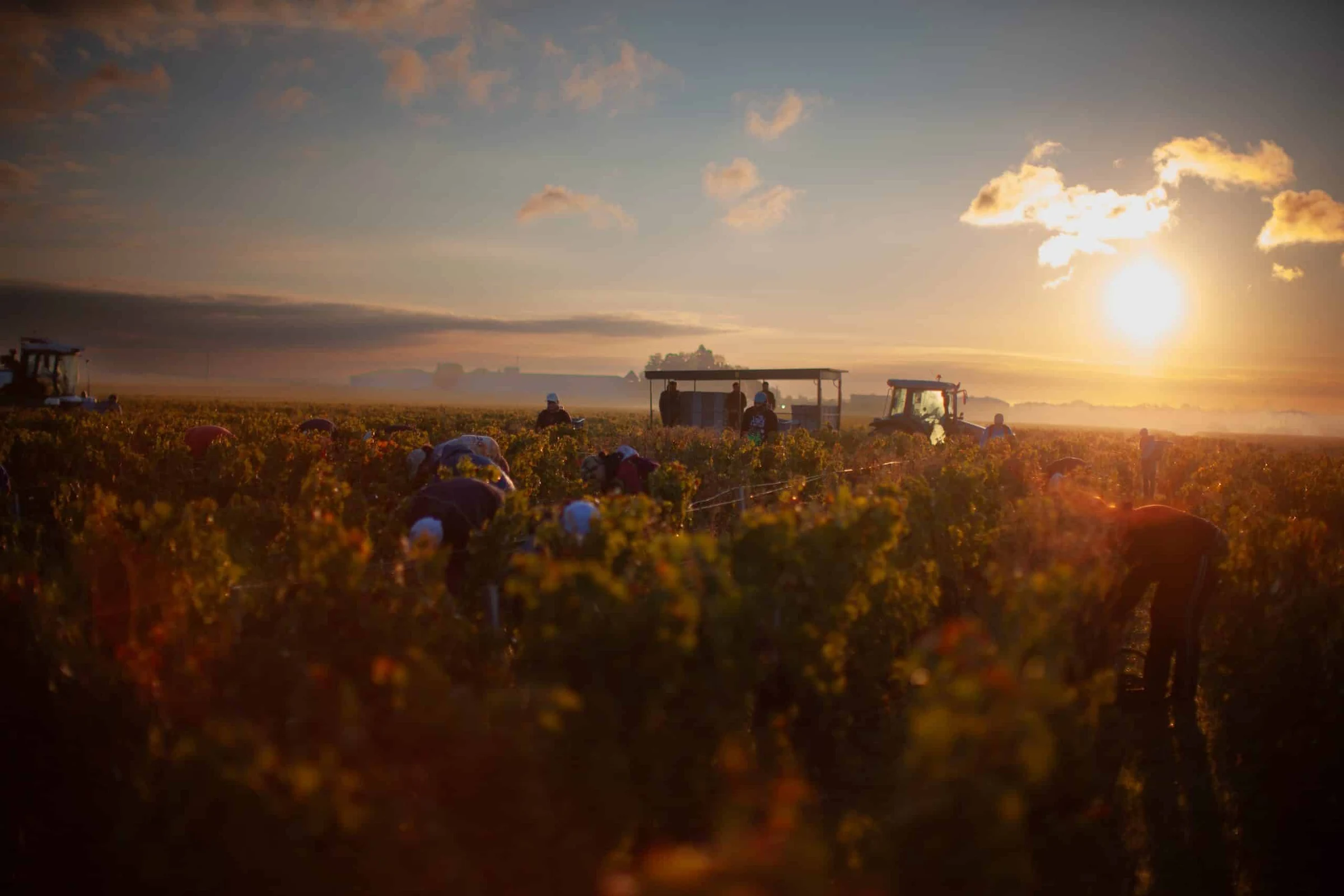
For most visitors, the value of Château Lilian Ladouys is not in a long checklist of amenities. It is in using a Saint-Estèphe estate to understand how a cru bourgeois property presents its place, history and vineyard. The visit focus is educational: the guided format gives structure to the experience, while the seated tasting slows the pace enough for guests to connect what they hear about the property with what is in the glass.
Saint-Estèphe is the essential location context here. What can be said with confidence is that Château Lilian Ladouys is positioned as a historic Médoc estate in Saint-Estèphe, and its visitor experience is built around the cru bourgeois story and the vineyard rather than unrelated entertainment.
That restraint is useful when planning. If you are comparing estate visits, Château Lilian Ladouys appears well suited to travelers who prefer a guided, interpretive format. The tone is calm and measured, with classic Bordelais character and an emphasis on learning. It is not necessary to attach unsupported claims about awards, rankings, famous dates or technical winemaking details to understand why the visit may appeal: the offer is already clear enough for a focused château stop.
A château visit built for education, not crowd movement
The strongest description of the experience is its atmosphere. Château Lilian Ladouys is described as a historic Médoc estate with classic Bordelais charm, and the visit is framed around guided tours and seated tastings. That combination creates a more reflective rhythm than a walk-in tasting counter or high-traffic tourism stop. Guests should expect the estate narrative and vineyard context to carry the experience.
This guide keeps to what: the visit focuses on the story of the cru bourgeois property and its vineyard, and the tasting is guided and seated.
The price is the other concrete planning detail. At $16 per person, Château Lilian Ladouys can be considered an accessible estate visit within a Saint-Estèphe itinerary. That price should not be read as including any extras; it simply identifies the listed per-person cost for the experience described in the available data.
How it fits into a Saint-Estèphe wine itinerary
Château Lilian Ladouys fits best into a Saint-Estèphe day planned around learning rather than rushing. The estate’s strengths are its historic Médoc setting, its cru bourgeois identity, its vineyard-focused storytelling and the calm format of guided tours with seated tastings. Those points make it a useful stop for visitors who want a clear, grounded introduction to the property.
If you are building a broader itinerary, compare Château Lilian Ladouys with other Saint-Estèphe dining and wine experiences generically, then confirm current details directly before booking or traveling. The material here does not support naming additional nearby venues, claiming specific pairings, or describing a larger program beyond the guided estate visit and seated tasting.
The editorial read is simple: Château Lilian Ladouys is a calm, educational Saint-Estèphe château visit. It is most compelling for travelers who want classic Bordelais atmosphere, a historic Médoc estate setting and a guided tasting experience focused on the property and vineyard. Keep expectations precise, confirm practical details in advance, and treat the visit as a focused introduction to a cru bourgeois estate rather than a broad hospitality venue.
Questions
Frequently asked
Who works at Château Lilian Ladouys?
Made By profiles Jacky Lorenzetti (Winemaker) at Château Lilian Ladouys.
How expensive is Château Lilian Ladouys?
Château Lilian Ladouys is listed at a price level of $$.
The field
How it compares
| Place | Notes | Awards |
|---|---|---|
| Château Lilian Ladouys | Saint-Estèphe, $$ | · |
| Château Calon Ségur | Saint-Estèphe | · |
| Château Cos d'Estournel | Saint-Estèphe | World's 50 Best |
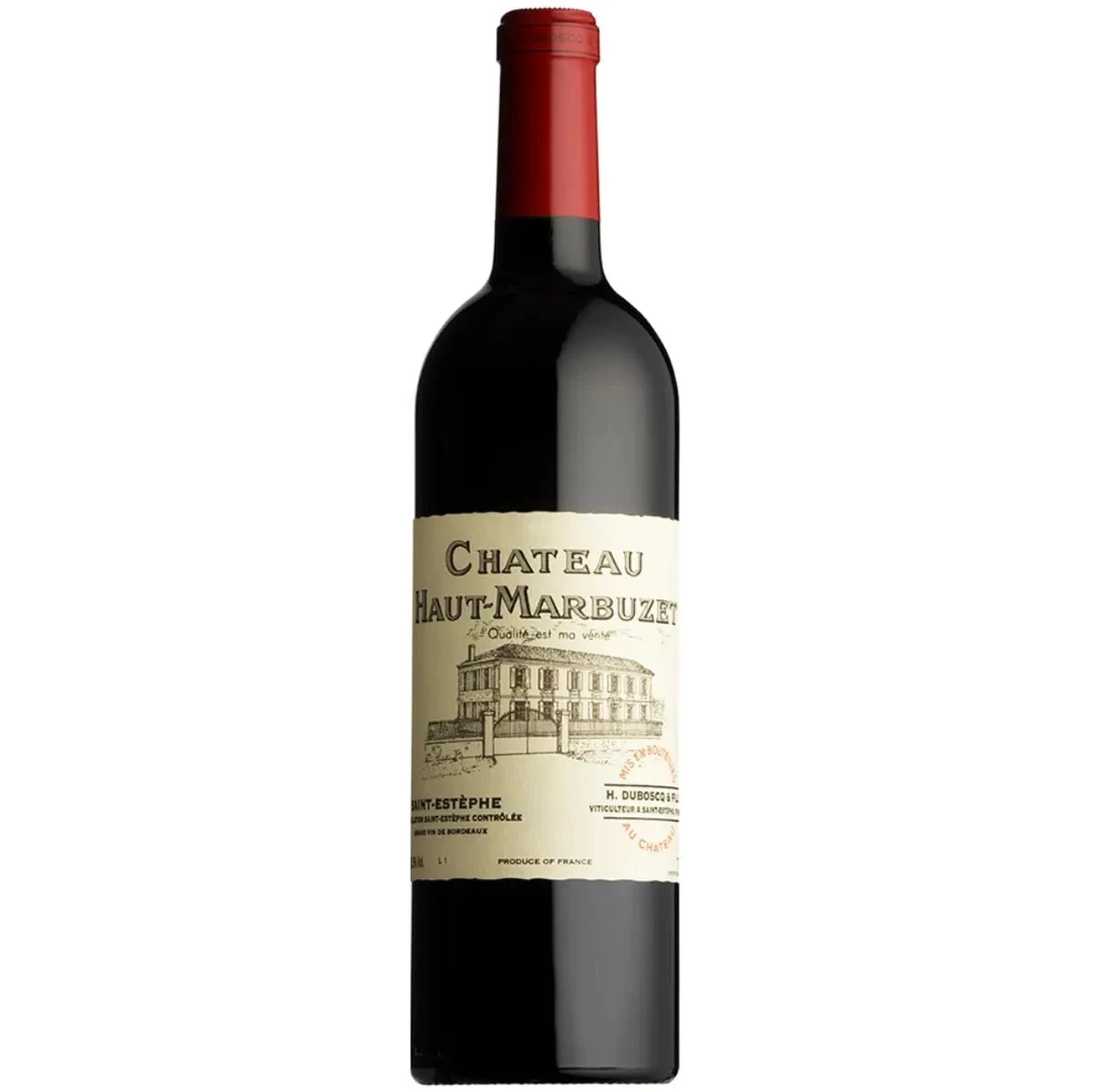
| Château Haut-Marbuzet | Saint-Estèphe | · |
| Château Lafon-Rochet | Saint-Estèphe | · |
| Château Montrose | Saint-Estèphe | · |
| Château Phélan Ségur | Saint-Estèphe | · |