Made ByWinery
Château Mauvesin Barton
Chef in Residence
Lilian Barton Sartorius
Winemaker
- 01CityMoulis En Medoc, France

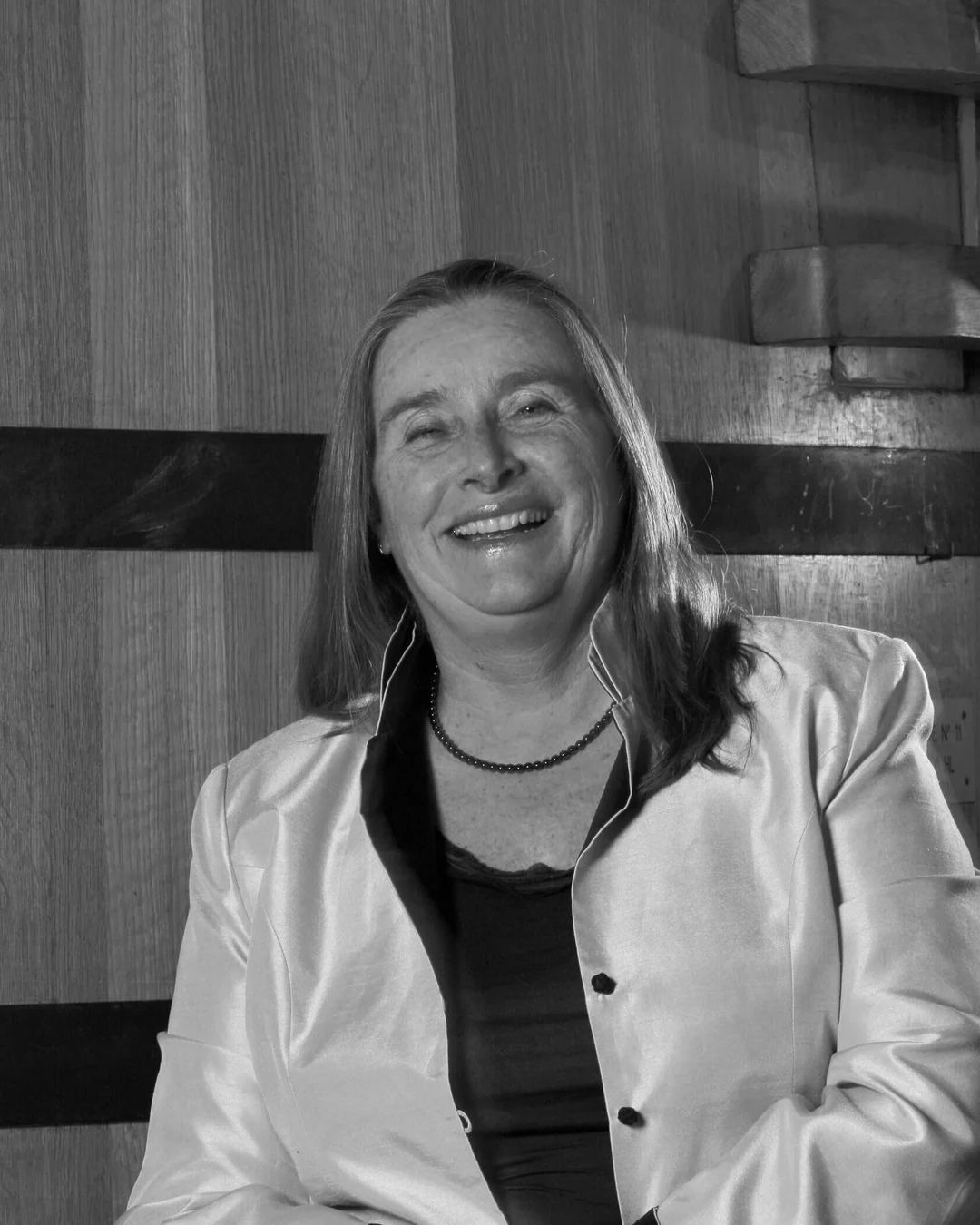
Lilian Barton Sartorius, winemaker at Château Mauvesin Barton in Moulis En Medoc, guides parcel-made Left Bank reds, elegantly.
At a glance
- Price
- $$
- Per person
- $30
- Neighborhood
- Moulis-en-Médoc
Parcel work under the Barton name
The vats take fruit by parcel before the blend comes together. Lilian Barton Sartorius, winemaker at Château Mauvesin Barton in Moulis En Medoc, works here inside a family structure that treats change with caution. Her place in Bordeaux was earned through the trade before it widened across the estates: from 1980 she helped set up Les Vins Fins Anthony Barton, learning the pressure of orders, allocations, weather, and the routine that sits behind a bottle long before it reaches a table. At Mauvesin, acquired by Lilian and Michel Barton Sartorius in August 2011, the Barton name moved into Moulis-en-Médoc rather than Saint-Julien, carrying the same habit of stewardship into a different appellation. The house name is modern; the ground is not. The property’s roots reach back to 1457, and the château commissioned in 1853 still gives the estate its architectural spine. Lilian has described the work of family wine plainly, as “Sometimes fast and sometimes slowly, mixed with moments of worry because of potential frost.” That is the register here: a calendar set by vine and cellar, interrupted when the weather asks for another kind of attention.
Cabernet, Merlot, and the long cuvaison
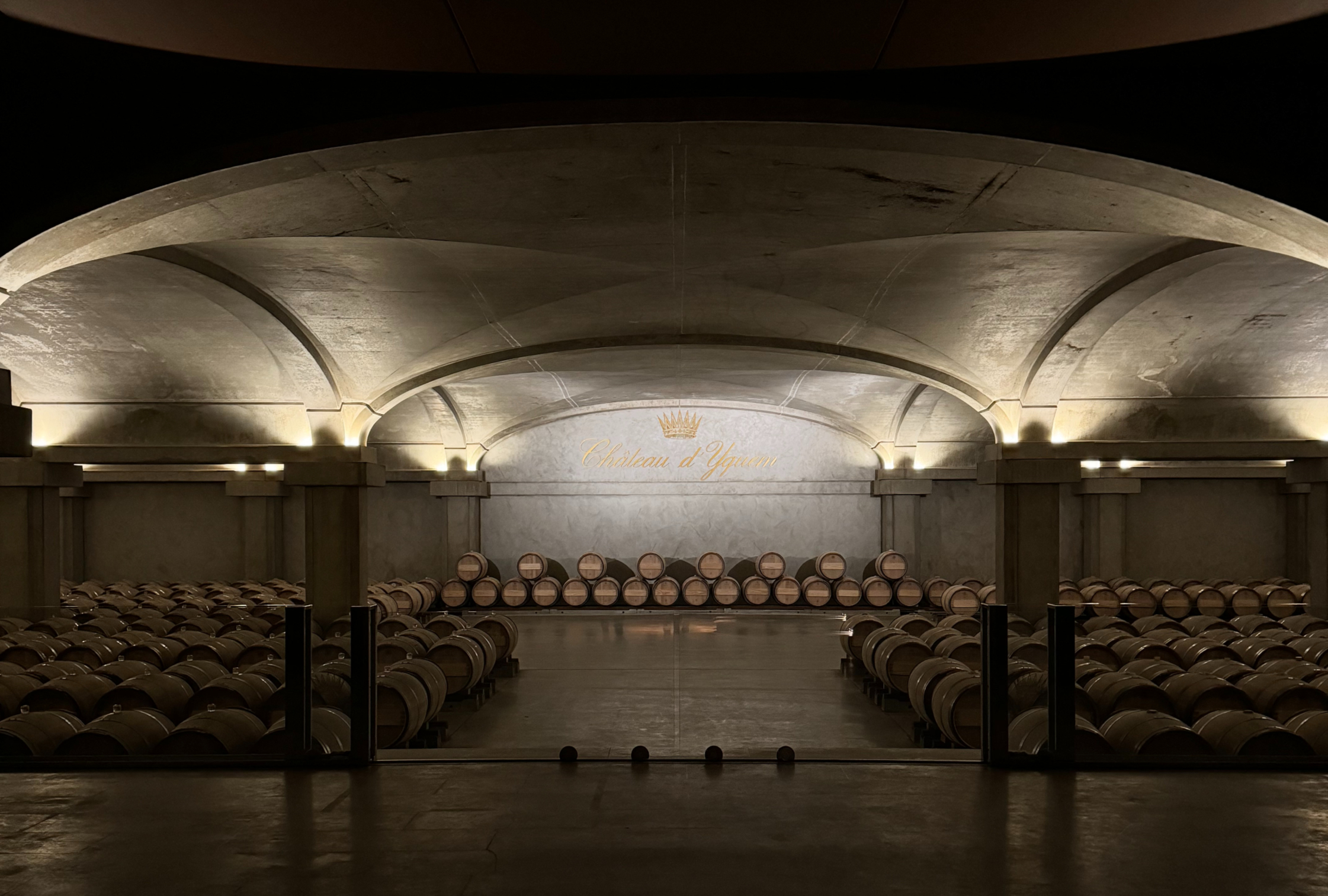
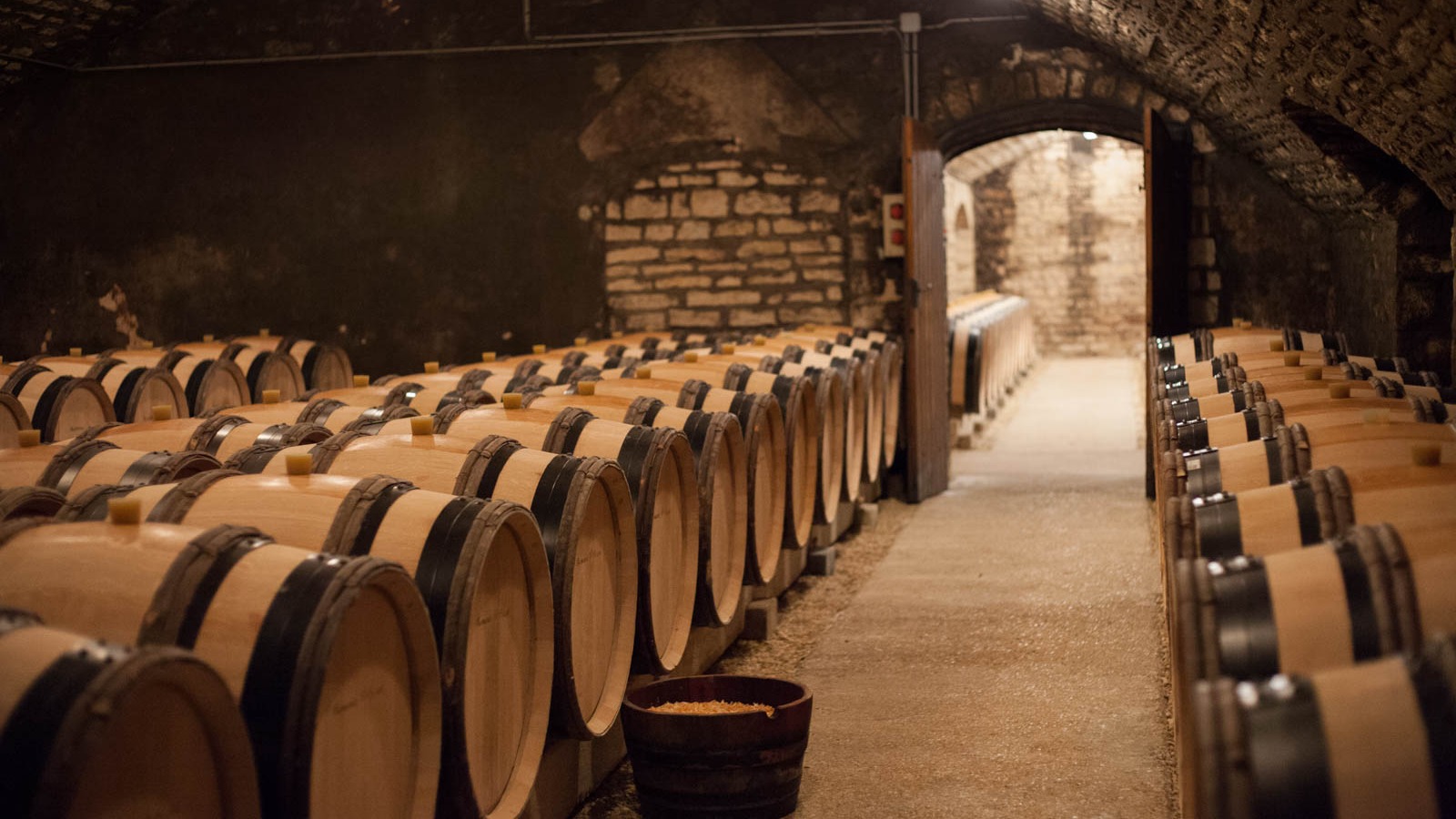
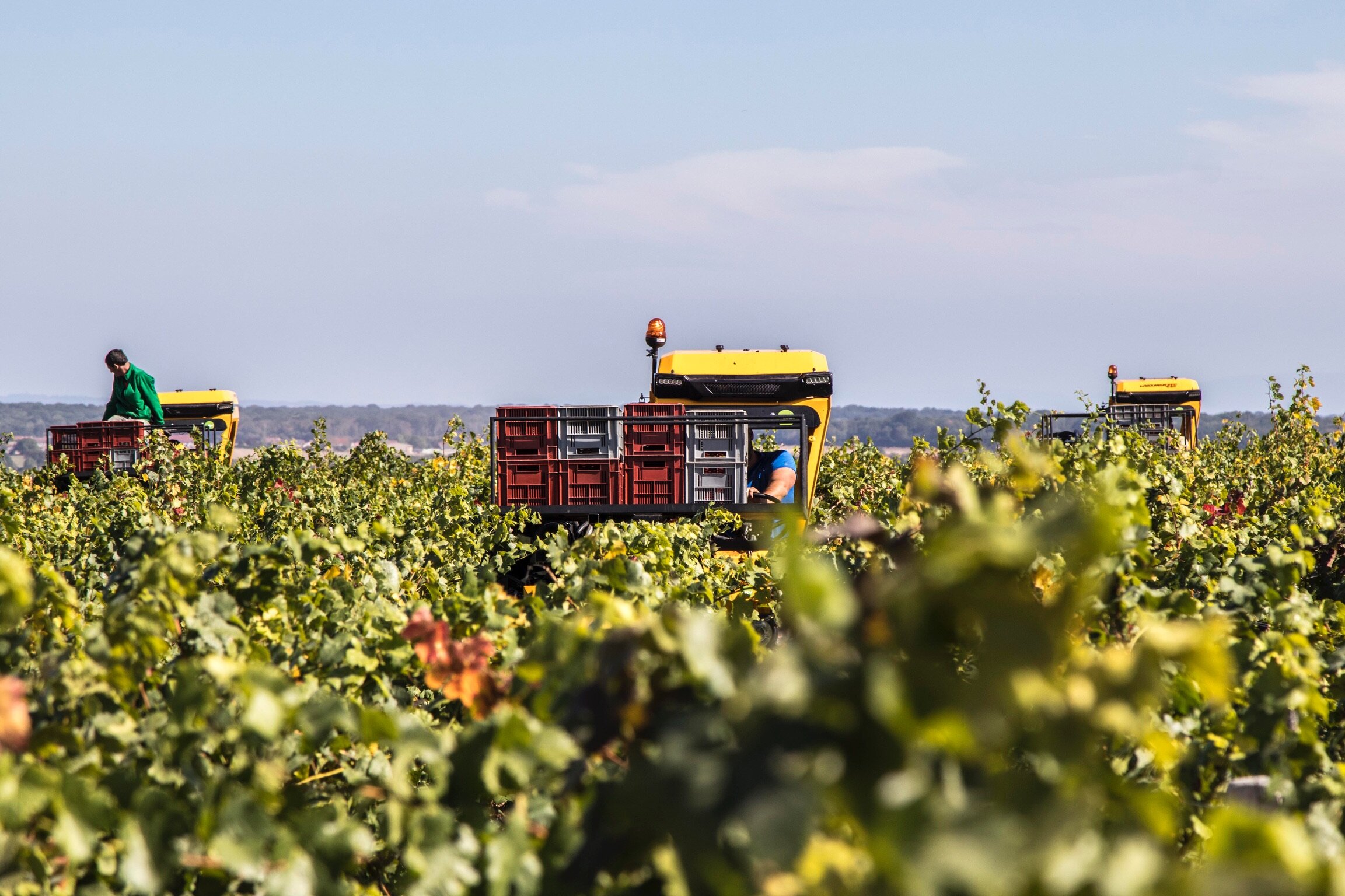
The estate works around 55 hectares under vine, planted to Merlot, Cabernet Sauvignon, and Cabernet Franc, with Moulis-en-Médoc AOC giving the wines their Left Bank address. The soils do not ask for one answer. Clay-gravel, fine gravel, gritty sand, and clay-limestone sit across the property, and the cellar keeps those differences separate through parcel-specific vinification. Fermentation happens in temperature-controlled stainless steel vats, followed by long cuvaisons and élevage in barrel for 12 to 16 months. One-third of the barrels are new, a proportion that keeps oak present without making it the point. The estate has two ageing cellars, where the wine takes on structure after the primary work of fruit and tannin is done. Sustainable viticulture frames the vineyard method, with grass cover between rows used to support the soil. The resulting wine remains in the classical red grammar of Bordeaux: Merlot for flesh, Cabernet Sauvignon for frame, Cabernet Franc for line. Mauvesin’s role in the Barton portfolio is not to imitate the family’s Saint-Julien houses, but to let Moulis speak with its own gentler pressure.
A quiet château between gravel and cellar
The room here is not a restaurant room, and the counter is not the point. Mauvesin is a working château estate in the countryside of Moulis-en-Médoc, surrounded by vineyard rows and the mixed ground of the Haut-Médoc. The atmosphere is quiet, more gentle than grand, with the old architecture holding the present work rather than decorating it. Towers, machicolations, and arrow slits remain part of the property’s medieval memory; the current residence, commissioned in 1853 by Lodoïs Le Blanc de Mauvesin, stands as the visible house of the estate. In the cellar, the more important architecture is practical: vats arranged for separation, barrels set for ageing, the passage from harvest fruit to finished Moulis red made in stages rather than gestures.
The vintage that keeps its place
The flagship wine remains the estate’s measure, a still red built from the same family of grapes rather than a ladder of reserve bottlings. The 2020 vintage drew attention for its structure and black-fruited profile, with published notes pointing to redcurrant, black raspberry, spice, smoked tobacco, blackberry fruit, and soft tannins. Those details matter because they locate Mauvesin within Moulis rather than outside it. If the next chapter here is quiet, that suits the property: parcel work, sustainable rows, stainless steel, and barrels in the two ageing cellars of Château Mauvesin Barton.
Know before you go
- Reservations
- appointment_only
- Groups
- Welcomed
Address
Moulis-en-Médoc, Nouvelle-Aquitaine, Frankreich
Moulis-en-Médoc