Château Montlabert
- 01CitySaint-Émilion, France
- Falstaff Winery - Listed · 2026
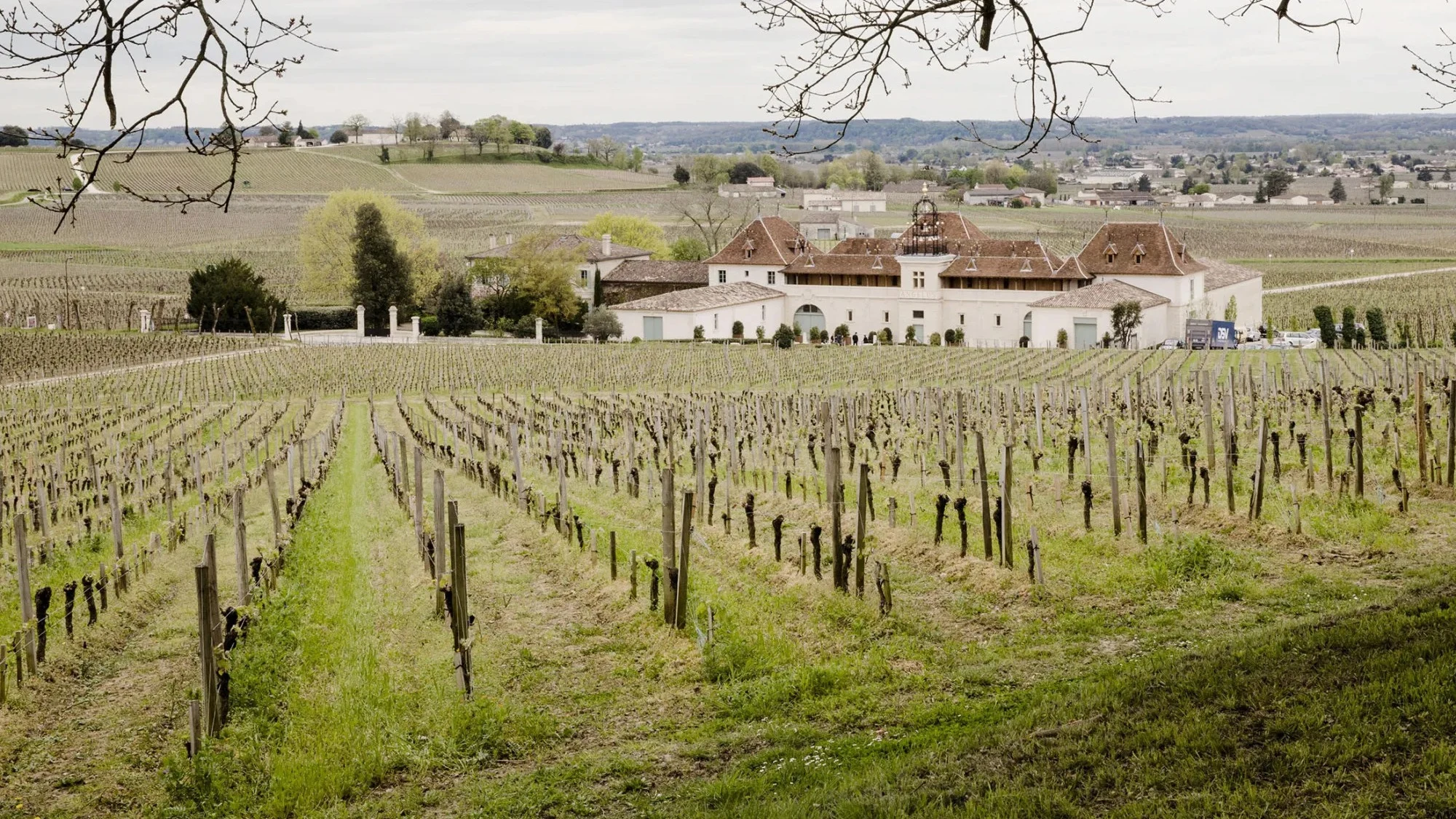
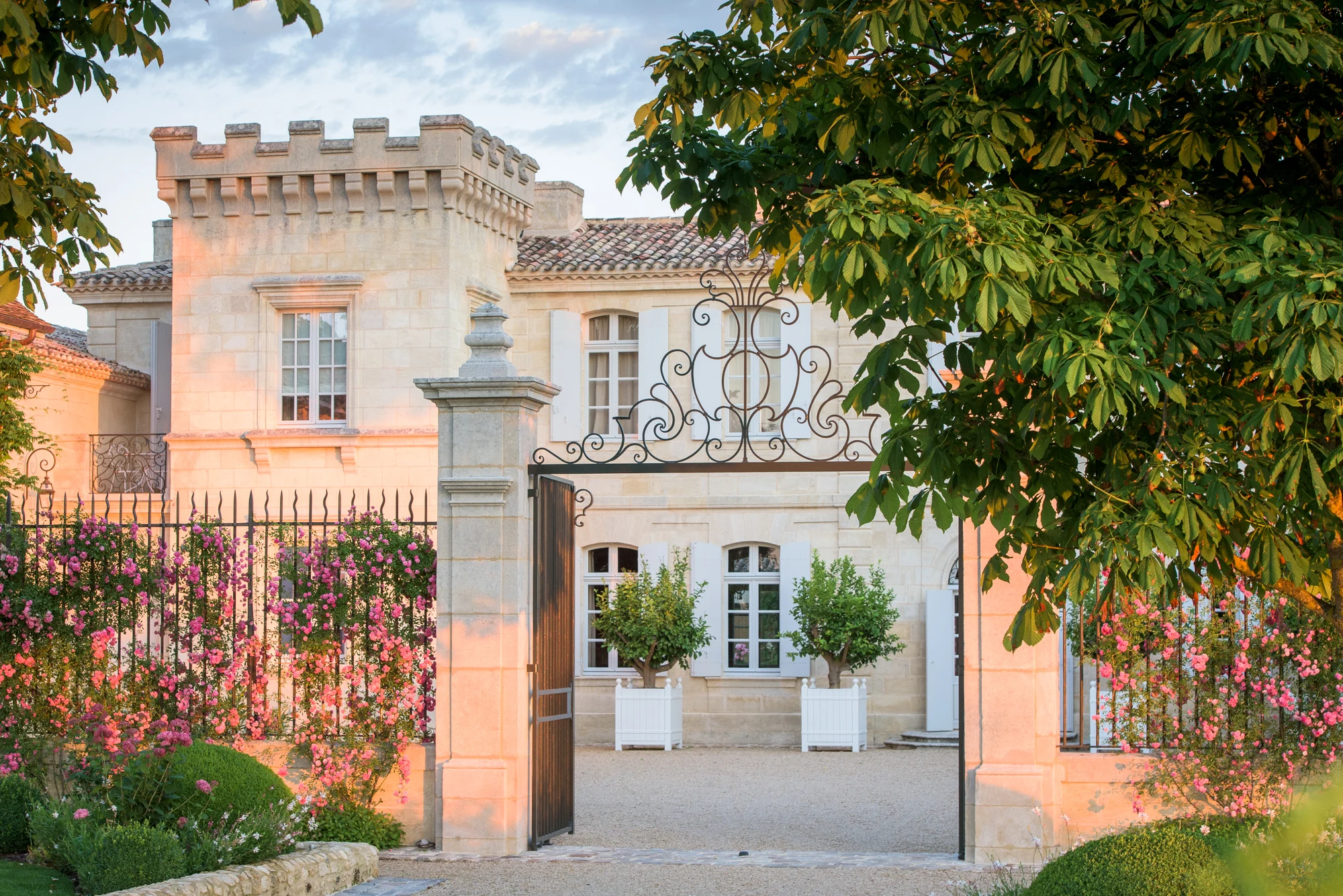
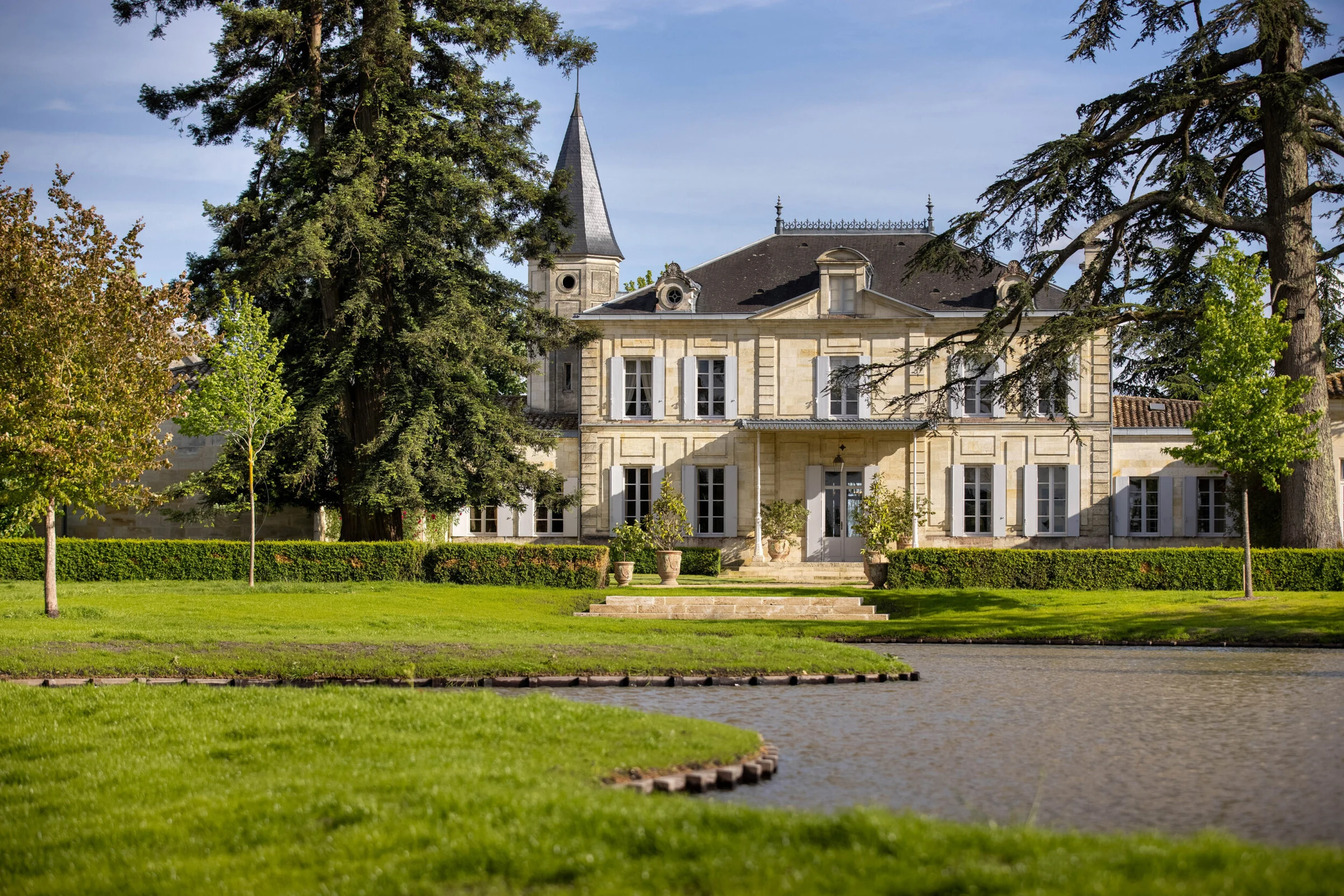
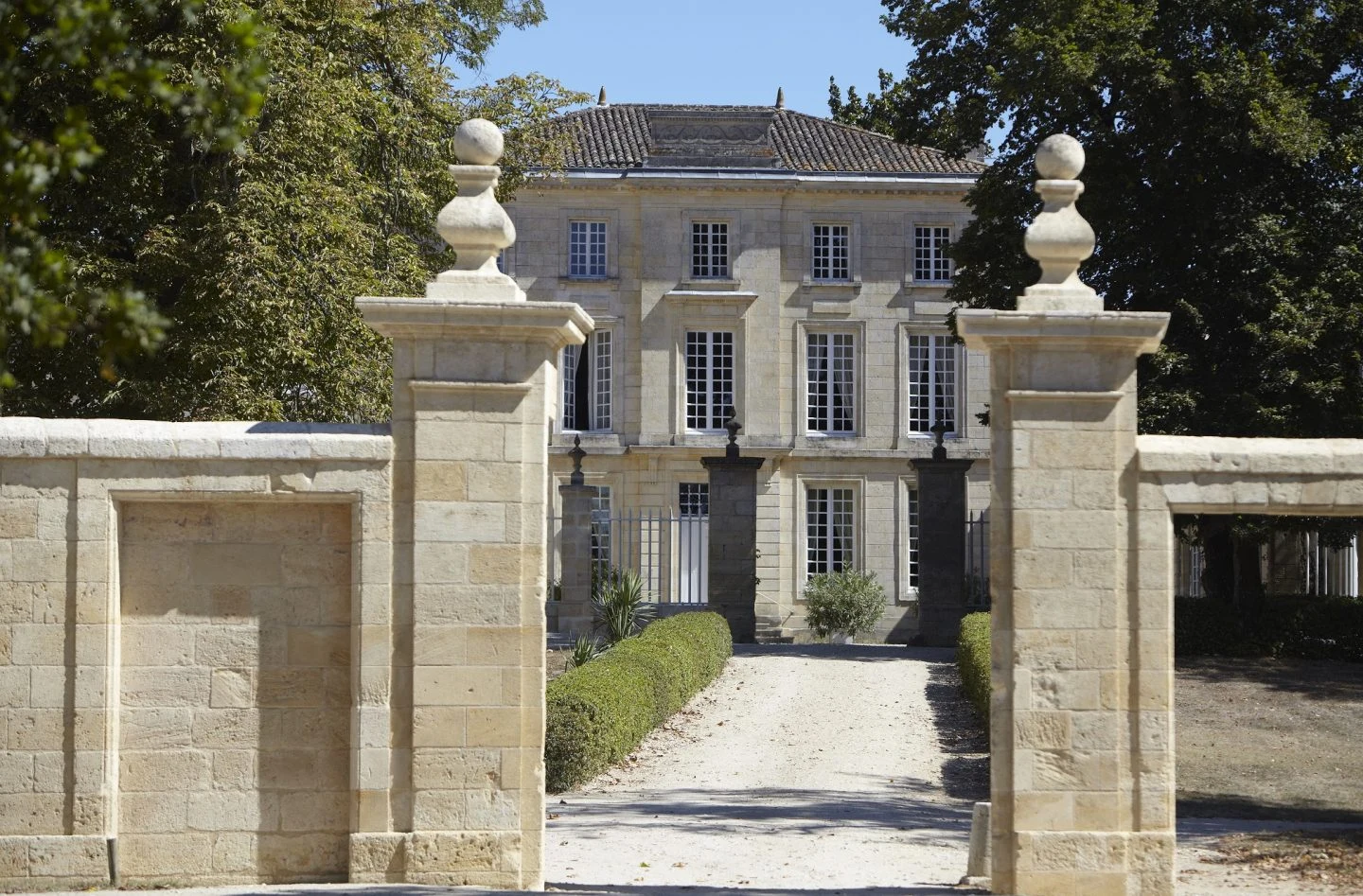
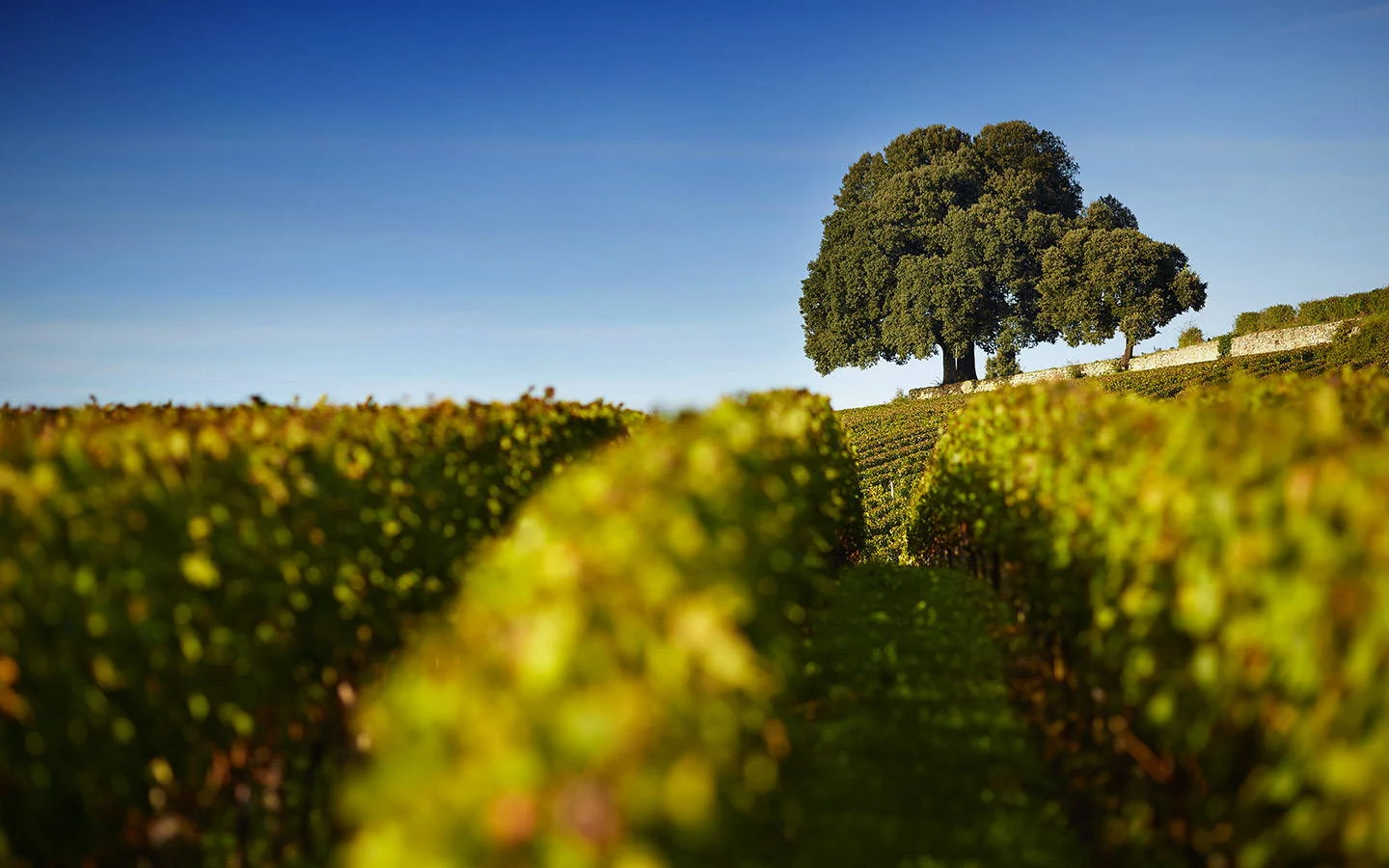
The approach to Château Montlabert is proportion, not spectacle: vineyard rows, evergreen oaks, an English-style park, and freestone Saint-Émilion architecture in an 18th-century language. Where wine tourism can swing between postcard medievalism and technical cellar visits, this historic property shows how precise, sustainability-conscious Bordeaux can adapt without losing place.
Saint-Émilion is one of Bordeaux’s clearest lessons in soil translation. Merlot dominates where clay gives depth and water regulation; Cabernet Franc adds lift, line, and aromatic definition when restrained. Château Montlabert sits within that grammar, planted to Merlot and Cabernet Franc, and its Saint-Émilion Grand Cru Classé status gives the visit a more serious register than a general tasting room.
The wider appellation frames the stop. Saint-Émilion has more than 5,400 hectares of vines and hundreds of producers, so classification, vineyard work, and cellar discipline help time-limited visitors filter choices. For broader planning, Our full Saint-Émilion wineries guide gives the wider frame, while dining and lodging sit better in Our full Saint-Émilion restaurants guide and Our full Saint-Émilion hotels guide.
Blue clay, gravelly sand, and a Merlot-led Saint-Émilion argument
The estate’s strongest editorial point is not the château facade; it is the soil. The vineyard covers 21 hectares, with a substantial block around the winery, and is described through ancient sandy-gravelly sands, clay subsoils, and veins of blue clay. The combination shapes the house style: drainage and warmth from gravelly sand, density and water-holding capacity from clay, and a natural affinity for Merlot supported by Cabernet Franc.
Planting is 80 percent Merlot and 20 percent Cabernet Franc, matching the right-bank preference for Merlot structure over left-bank Cabernet Sauvignon muscle. Average vine age is 25 to 30 years, useful precision where old-vine rhetoric is often overused. The persuasive story is coherent vineyard management: a contiguous estate, two principal varieties, and a cellar built to translate parcel selection without distraction.
Saint-Émilion’s UNESCO-inscribed cultural setting can dominate the conversation, but wine drinkers need the geological lens. Montlabert’s position west of Saint-Émilion, near Libourne, gives it a different identity from limestone-slope narratives closer to the medieval core. This is a Bordeaux visit for guests interested in texture, tannin shape, and variety choice, not just château photographs.
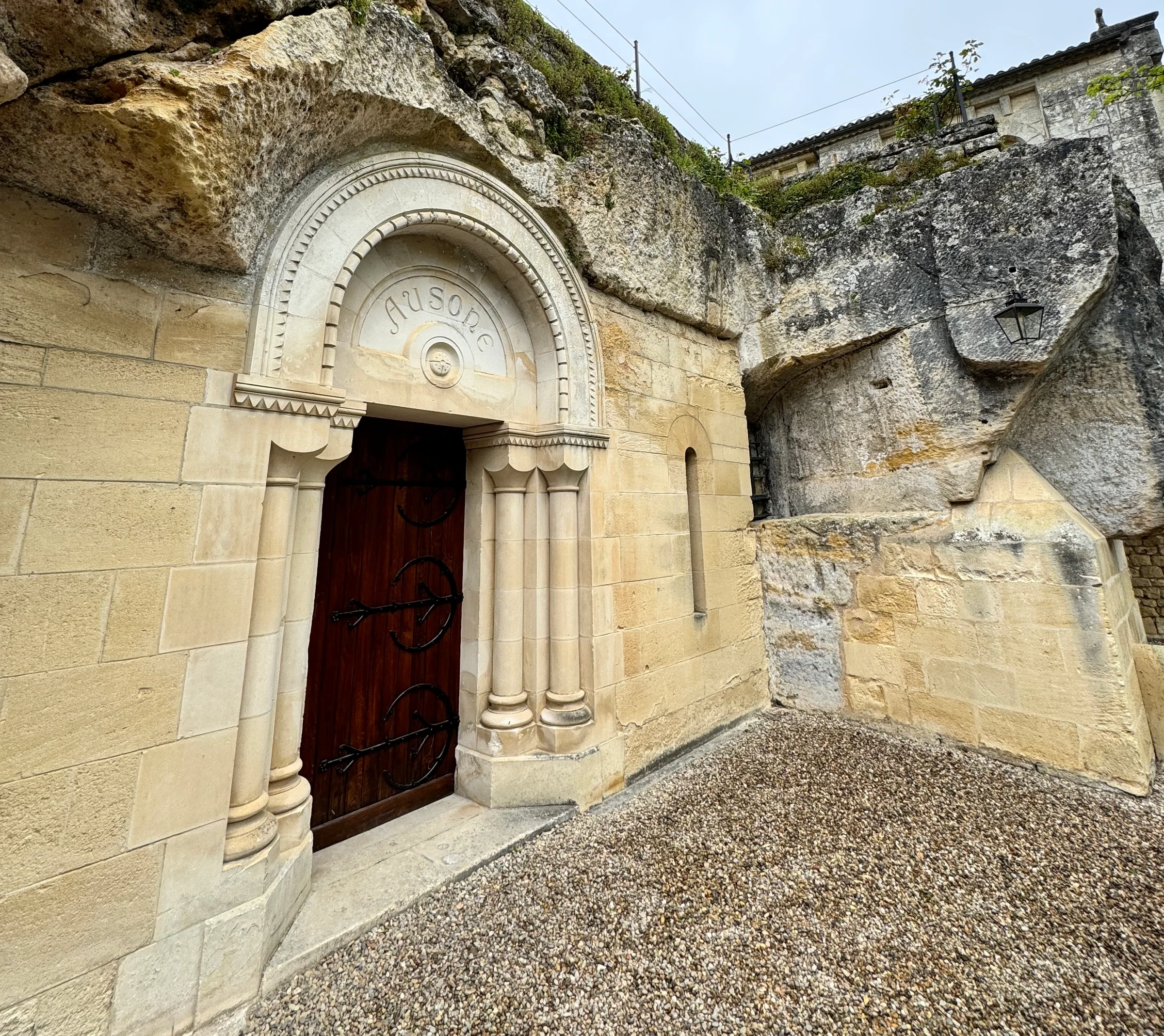
For readers mapping the broader appellation, contrast is part of the education. Chateau Ausone, Château Angelus, Chateau Beauregard, Chateau Montlisse, and Château Amélisse each show how varied Saint-Émilion becomes once soil, classification, and hospitality style are separated from the broad regional label.
A renovated cellar brings modern precision to an old estate frame
The modern chapter begins with the Castel family’s acquisition in 2008 and a sustained programme of vineyard and cellar work. The estate adopted an agro-ecological approach in 2011, the year associated with Terra Vitis certification, with bans on chemical fertilizers and weed killers, improved drainage, selected plot replanting, and increased planting density. These are not decorative sustainability claims; in Bordeaux, water management and vine balance increasingly shape Merlot in warmer, more irregular seasons.
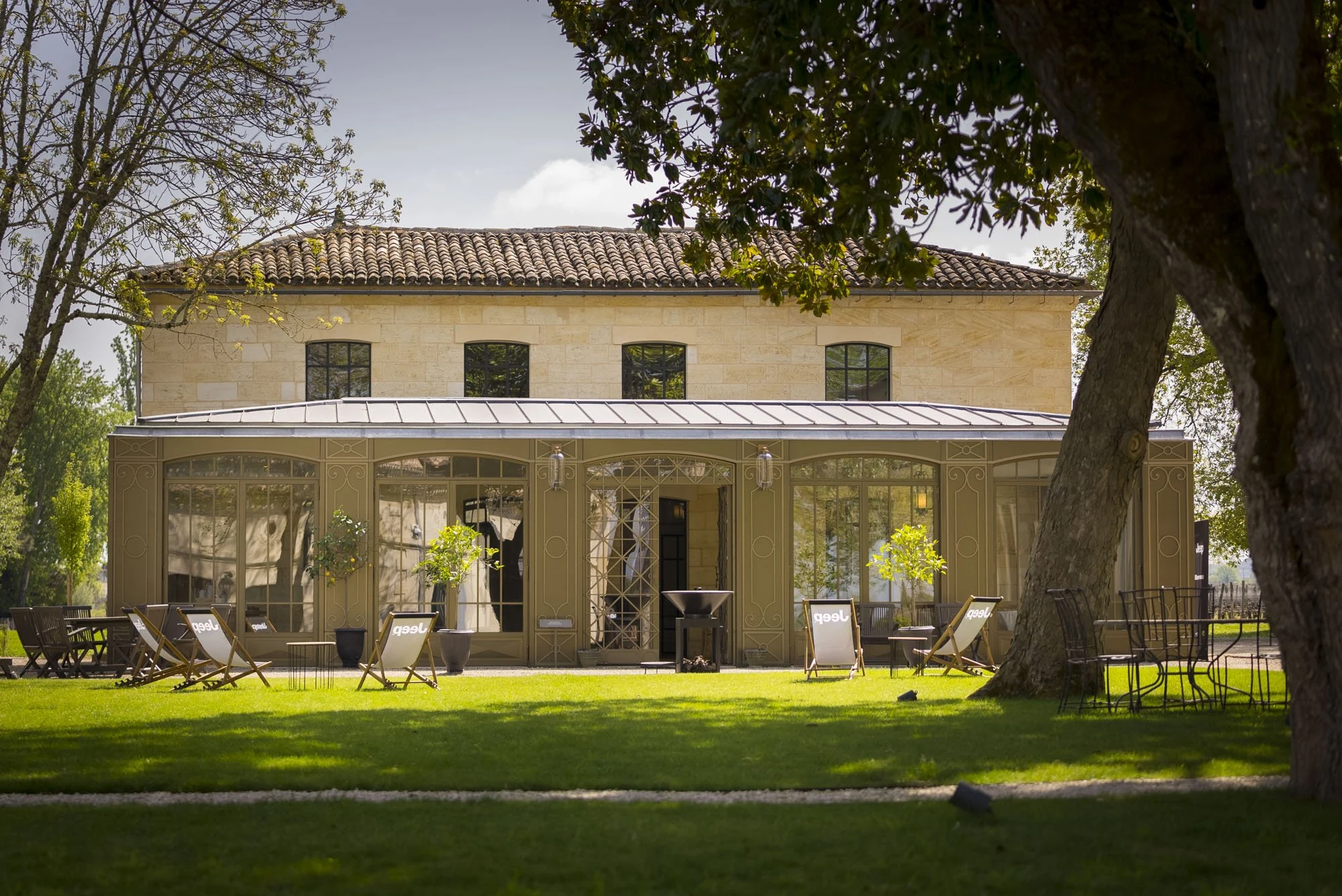
The winery, renovated and inaugurated in 2020, gives the estate a contemporary technical backbone. Fermentation and maceration take place in temperature-controlled concrete or stainless-steel tanks, with malolactic fermentation in tank before barrel aging. The standard aging frame is around 14 months in French oak, split between new barrels and barrels that have already held wine; the 2019 vintage is noted at 16 months with 50 percent new oak. This classic Saint-Émilion toolkit focuses on controlled extraction and texture rather than size.
Portfolio structure is concise. The principal wine is Château Montlabert, generally 75 to 80 percent Merlot with 20 to 25 percent Cabernet Franc depending on vintage. La Croix de Montlabert, the second wine, follows the same right-bank logic, with Merlot leading and Cabernet Franc shaping the frame. For visitors, that focus shows how vineyard, vintage, and cellar choices change a familiar pair of grapes rather than scatter attention across a broad range.
Recognition has followed the technical reset. Château Montlabert was promoted to Grand Cru Classé in the 2022 Saint-Émilion classification, a major trust signal where classification carries commercial and cultural force. The 2022 vintage received 97 points from Forbes and 94 points from Les Echos, while Bettane & Desseauve awarded 3 stars, 92 points, for 2020 and 91 points for 2019. In 2024, the estate also received the Bordeaux Best Of Wine Tourism Award for Architecture and Landscapes, fitting its split identity: serious cellar work inside a maintained historic environment.
Who should choose this Saint-Émilion tasting
The visit suits guests seeking a guided, quiet, estate-based tasting rather than a high-volume cellar crawl. The experience can include a cave tasting, vineyard tour, estate grounds, private tasting, and the architectural setting of the château and renovated winery. The tone is intimate and polished, with a smart-casual dress code and small-capacity feel suited to wine education, special occasions, corporate groups, and solo exploration.
The hospitality programme shows how Bordeaux estates are changing. Tastings and tours remain the foundation, but the property has expanded its events language around seminars, private receptions, cooking classes, and seasonal garden programming. That does not make it a lifestyle venue first; wine remains the organising principle. Saint-Émilion hospitality has matured beyond the cellar door, using architecture, gardens, and technical explanation to make terroir legible.
Château Montlabert makes sense when a Saint-Émilion itinerary needs one stop connecting classification, sustainability, and soil without feeling overproduced. It is not the address for maximal noise or broad variety. It is a disciplined Merlot-and-Cabernet-Franc estate where the vineyard explanation, the 2020 cellar, and the historic grounds point the same way.
Visitors building a fuller stay should separate wine, food, and evening plans rather than compress the village into one generic outing. Pair winery planning with Our full Saint-Émilion experiences guide, and use Our full Saint-Émilion bars guide for later drinking. For a wider French and European wine itinerary beyond Bordeaux, useful contrasts include A. Margaine in Villers-Marmery, Abbaye de Fontfroide in Narbonne, Abbotts & Delaunay in Marseillette, »der Steiner« Hans Steiner in Podersdorf am See, and & Handwein in Mannheim.
Questions
Frequently asked
How expensive is Château Montlabert?
Château Montlabert is listed at a price level of $$$.
The field
How it compares
| Place | Notes |
|---|---|
| Château Montlabert | west of Saint-Emilion, $$$ |
| Château Angelus | Saint-Émilion |
| Chateau Ausone | Saint-Émilion |
| Château Canon | Saint-Émilion |
| Château Cheval Blanc | Saint-Émilion |
| Château Figeac | Saint-Émilion |
| Château Pavie | Saint-Émilion |