
- Falstaff Winery - Listed · 2026
Château Pajzos is a historic Tokaj First Growth estate on Pajzos Hill near Sárospatak. Its appeal is rooted in a classic wine-country setting and in the estate’s focus on traditional Tokaji sweet wines alongside modern dry expressions. Rather than treating the visit as a generic stop, it is best understood as a way to read Tokaj through place: a scenic hill estate, cellar heritage and updated viticulture and winemaking working together. That reading matters because Tokaj can be too easily reduced to one famous style. At Pajzos, the point is broader and more layered: the estate gives visitors a frame for thinking about continuity, adaptation and the way a historic wine landscape can still speak in contemporary terms.
Historic Tokaj, read through sweet and dry expressions
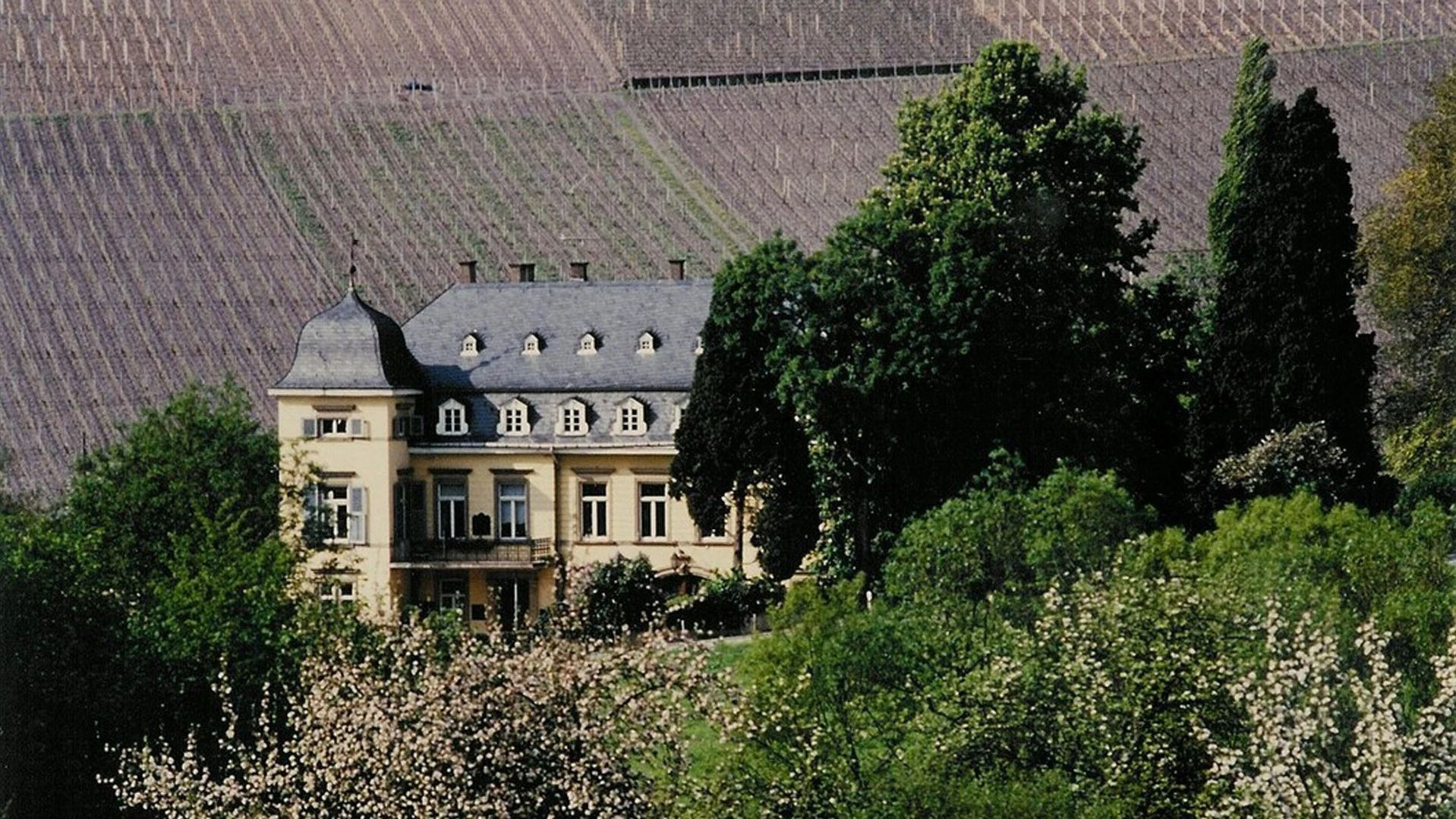
Château Pajzos is defined by its position on Pajzos Hill near Sárospatak and by its identity as a Tokaj First Growth estate. The story here is broad but important: this is a classic, scenic and iconic Tokaj property with a strong connection to the region’s traditional sweet-wine culture and to newer dry-wine expressions. The hill setting is not just a backdrop; it is part of the reason the estate feels legible as Tokaj, connecting landscape, vineyard identity and cellar tradition in a single view.
Because the public-facing details are limited, specific claims about vineyard size, grape mix, cellar methods, named cuvées, tasting formats or production statistics should be treated cautiously unless confirmed directly with the estate. What can be said with confidence is that Château Pajzos belongs to the historic Tokaj framework and presents that heritage through both classic cellar identity and more contemporary winemaking priorities. That caution is useful rather than limiting: it keeps the emphasis on what is reliably central to the estate, instead of padding the experience with details that may not be verified.
For travelers, that makes the estate most useful as a context stop: a place to understand Tokaj through a historic hillside setting and a distinctive regional identity, while also seeing how modern dry expressions fit into the same estate story. The visit is therefore less about checking off a list of features and more about reading the region in layers, from sweet-wine memory to present-day interpretation.
The estate identity and modern Tokaj context
The clearest frame for Château Pajzos is not a single owner biography, founding date or award claim, but its role as a historic Tokaj First Growth estate near Sárospatak. The guide should not rely on unconfirmed dates, scores or named individuals to make the case. The stronger and safer point is that Pajzos represents a blend of inherited Tokaj cellar culture and updated vineyard and winery practice. That blend is exactly what makes the estate useful in a modern travel guide: it allows the historic status of the place to remain central without freezing it as a museum piece.
That combination explains the estate’s split emphasis. On one side is the classic image of Tokaji sweet wine and cellar heritage; on the other is the modern regional movement toward drier expressions and more contemporary winemaking. Château Pajzos sits where those two readings of Tokaj meet. For visitors, this helps clarify that modern Hungarian wine is not separate from older regional identity. In Tokaj, the newer dry side can be understood as another expression of the same landscape, not a rejection of the sweet-wine tradition.
For travelers building time in Sárospatak, Château Pajzos can be considered alongside other local dining, lodging and wine-country planning in general terms, but this guide does not verify specific neighboring venues or linked itinerary partners beyond the estate itself. The safer approach is to treat Pajzos as an anchor for wine-focused planning in the area, then confirm any practical arrangements directly and separately.
What the estate says about modern Hungarian wine
The main reason to pay attention to Château Pajzos is the dialogue between old Tokaj and new Tokaj. The estate is associated with traditional Tokaji sweet wines, yet it is also described through modern dry expressions. That makes it a useful reference point for visitors who want more than a single-category understanding of the region. It also reflects a wider truth about serious wine travel in Hungary: the most interesting estates are often those where inherited reputation and current interpretation are both visible.
In practical terms, Château Pajzos is best framed as a historic, scenic Tokaj estate rather than as a restaurant, bar or casual hospitality venue. Expectations should follow that frame. The value is in the wine-country identity, the First Growth context and the sense of a property connected to both cellar heritage and contemporary production, not in treating it as a general-purpose stop.
Within Sárospatak, the estate’s strongest appeal is its First Growth identity on Pajzos Hill and its connection to Tokaj’s classic sweet-wine heritage and modern dry-wine direction. That is enough to make it a meaningful stop for wine-focused travelers without adding unsupported specifics. In a region where reputation can invite overstatement, Château Pajzos is best presented simply and clearly: historic, scenic, rooted in Tokaj, and relevant to the way the region is understood today.
Questions
Frequently asked
Who works at Château Pajzos?
Made By profiles Jean-Louis Laborde (Owner) at Château Pajzos.
How expensive is Château Pajzos?
Château Pajzos is listed at a price level of $$.
The field
How it compares
| Place | Notes | Awards |
|---|---|---|
| Château Pajzos | Tokaj-Hegyalja, $$ | · |
| Cloudy Bay Vineyards | Blenheim | World's 50 Best |
| Domaine Dujac | Morey-Saint-Denis | · |
| Harsányi Winery | Sárospatak | · |
| Herdade do Esporão | Reguengos de Monsaraz | World's 50 Best |
| Masi | Sant'Ambrogio di Valpolicella | · |
| Weingut Egon Müller | Wiltingen | · |