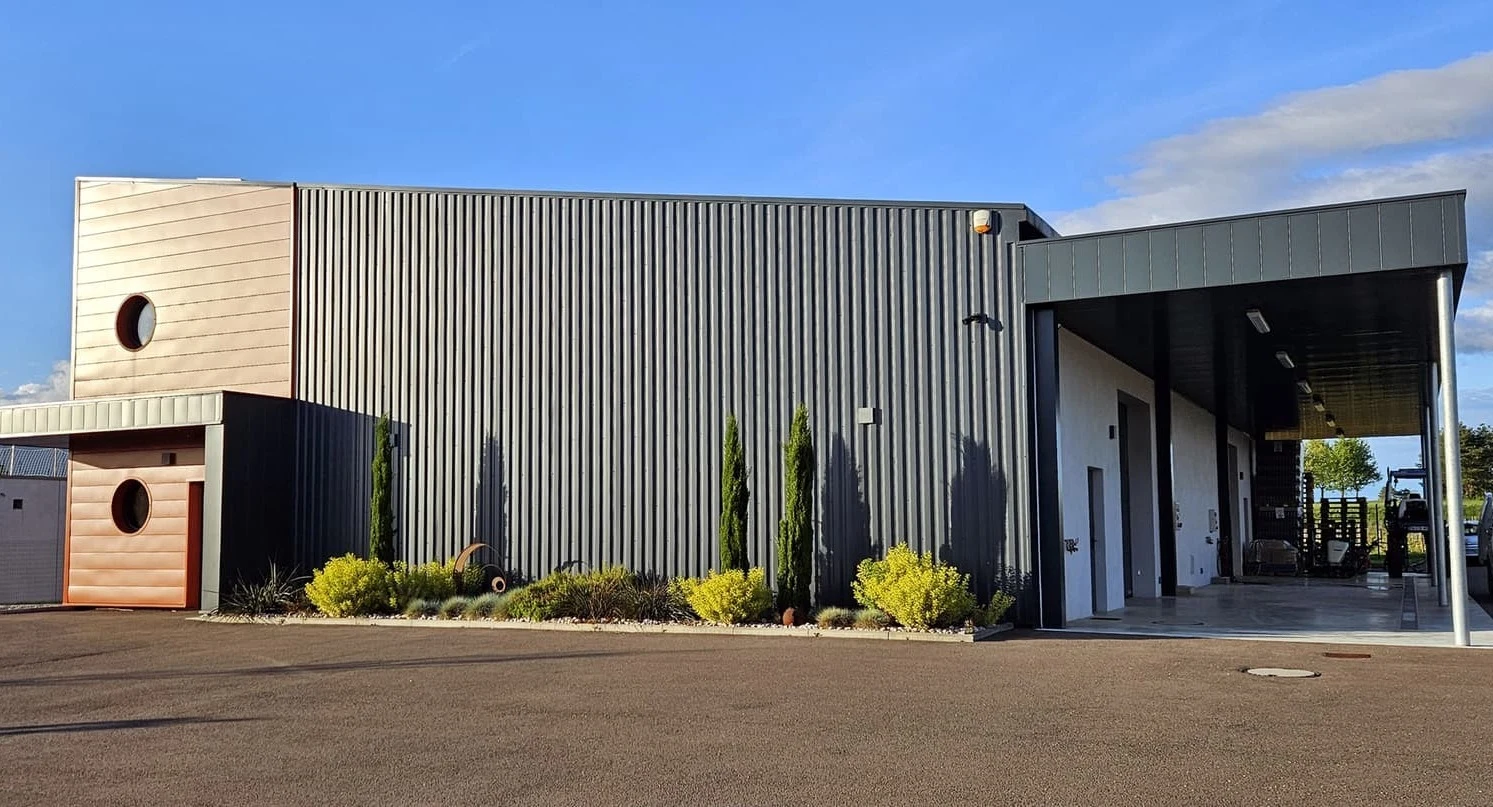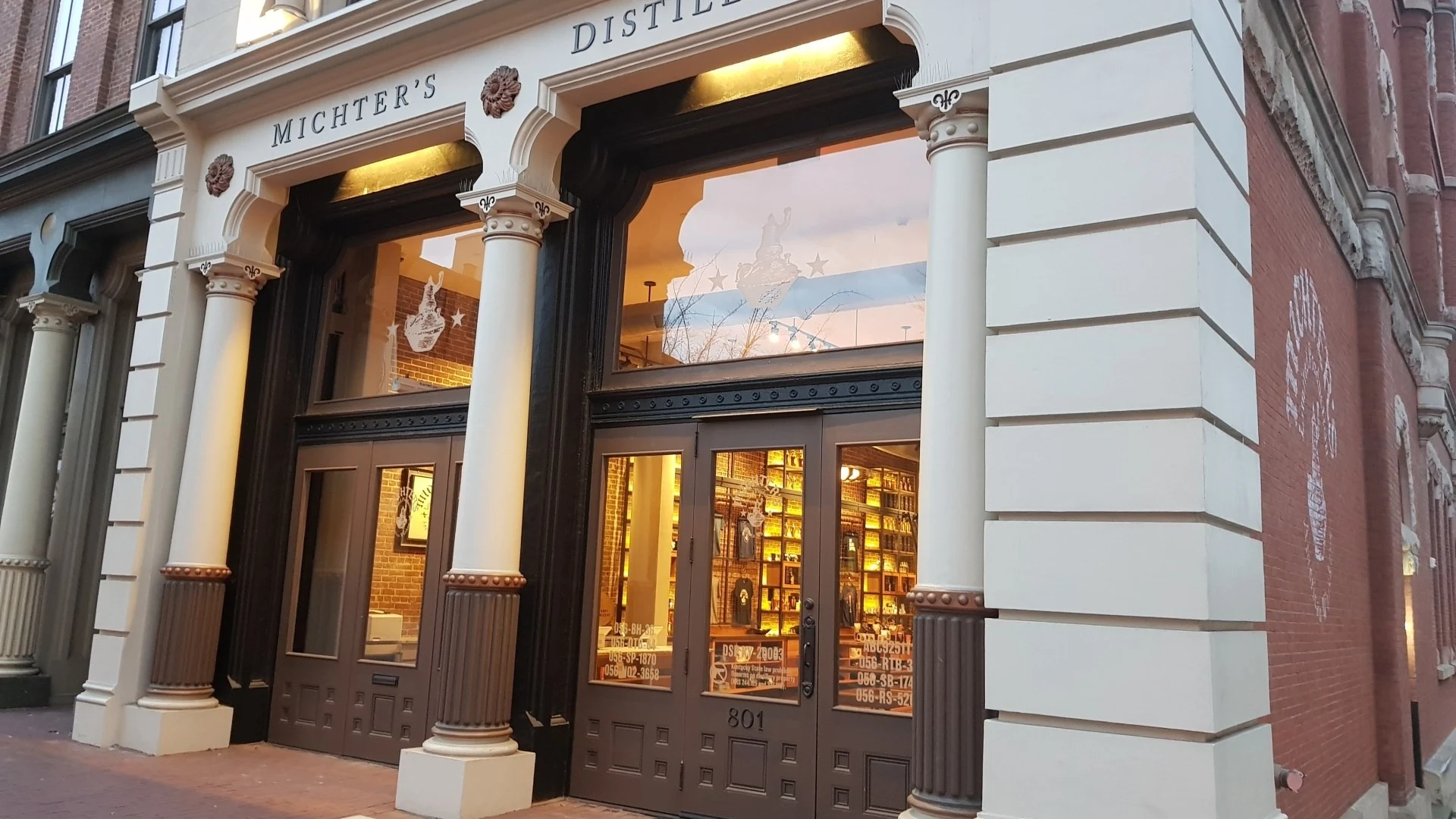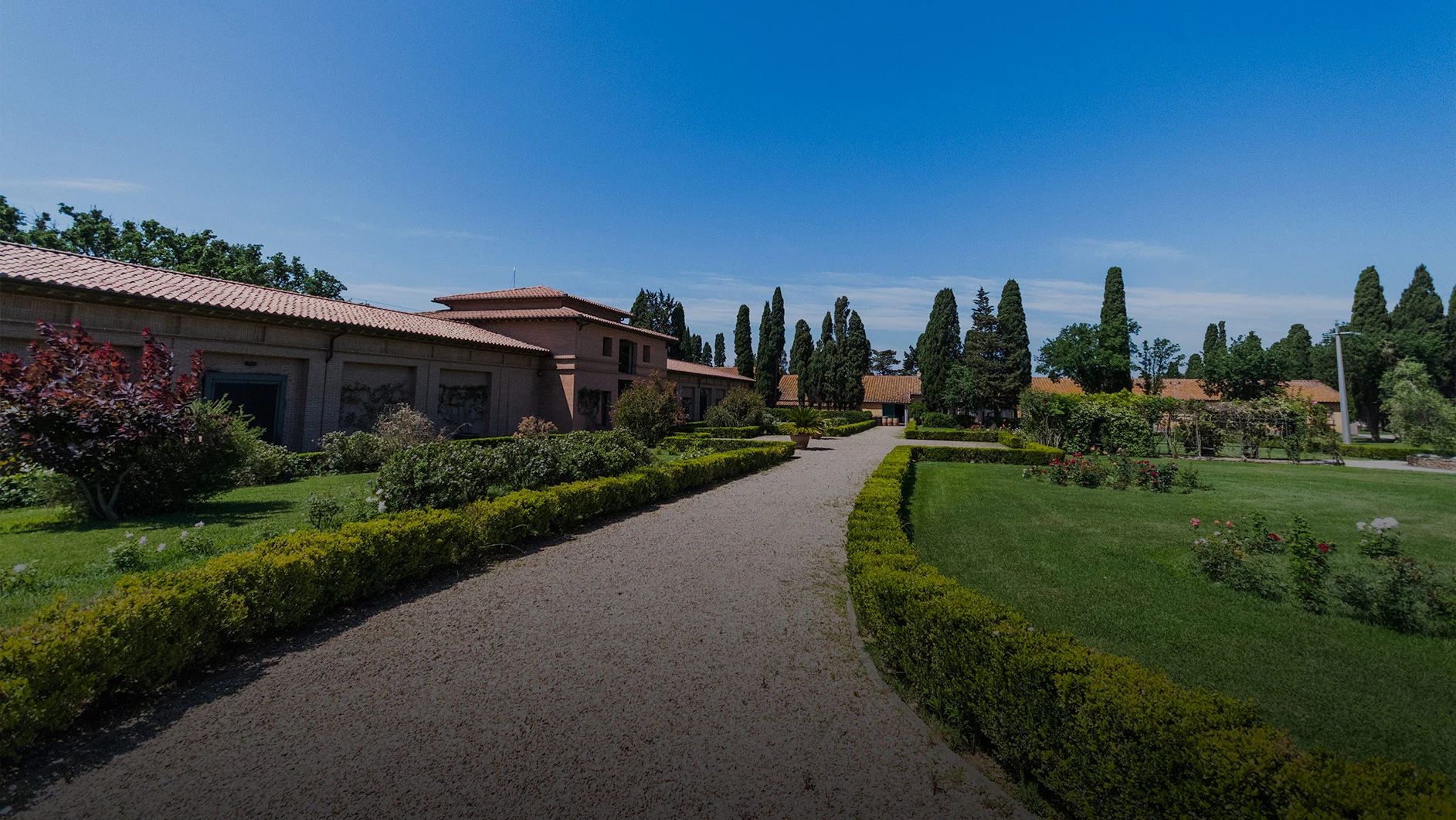
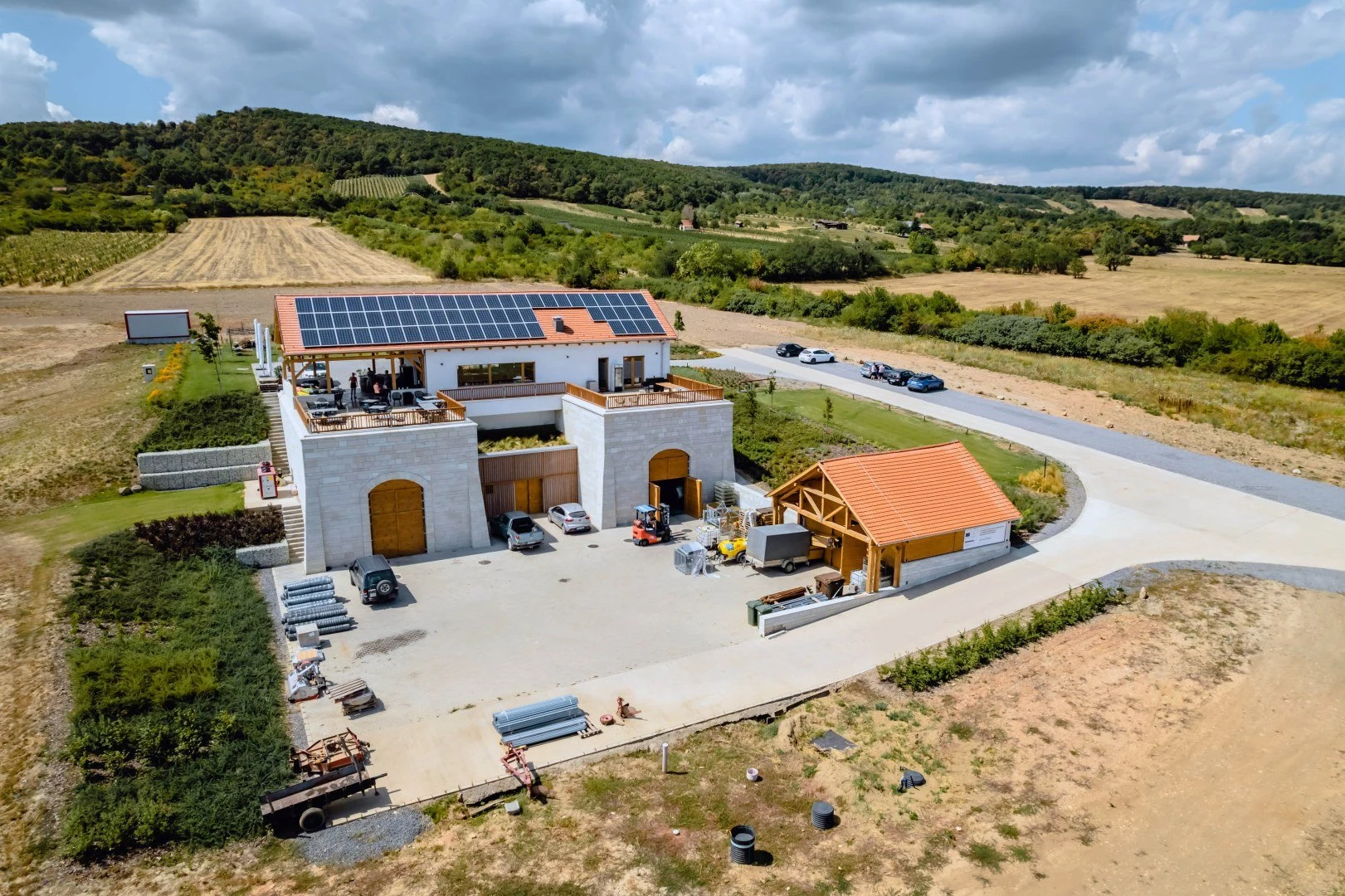
Harsányi Winery operates from Sárospatak, on the northern edge of the Tokaj wine region, where the Bodrog and Hernád rivers shape a cooler, more continental microclimate than the region's better-known southern villages. Carrying a Pearl 2 Star Prestige award for 2025, it represents Tokaj's quieter, terroir-focused tier, a producer worth seeking out by anyone tracing the region's full geographic range.
<h2>Sárospatak and the Northern Edge of Tokaj</h2><p>The Tokaj wine region is long enough that its northern and southern ends effectively produce in different conversations. The cluster of internationally recognised estates, <a href="https://www.enprimeurclub.com/wineries/royal-tokaji-mad-winery">Royal Tokaji in Mád</a>, <a href="https://www.enprimeurclub.com/wineries/disznoko-mezozombor-winery">Disznókő in Mezőzombor</a>, <a href="https://www.enprimeurclub.com/wineries/tokaj-hetszolo-tokaj-winery">Tokaj Hétszőlő in Tokaj</a>, tends to anchor the region's public identity around its central and southern reaches. Sárospatak sits further north, where the protected UNESCO-listed landscape meets a more continental climate profile and the Bodrog river plain begins to assert itself more directly on the vineyards. Producers here work in a quieter register: fewer international wine tour circuits, more of a working-town atmosphere, and a sense that the wines are made primarily for those who come looking rather than those who happen to pass through.</p><p>That geographic positioning matters more than it might seem. Tokaj's reputation was built on <em>aszú</em>, the botrytised sweet wine that made the region famous across European courts centuries ago. But the same volcanic soils, rhyolite tuff, zeolite, and clay over ancient lava flows, that concentrate flavour in those late-harvest grapes also give dry Furmint and Hárslevelű a texture and mineral tension that few other growing regions can replicate. In the northern part of the appellation, where Sárospatak's vineyards sit, the harvest window tends to run slightly later and the temperature swings between day and night are more pronounced, preserving acidity in a way that shapes the wines toward structure over immediate fruit weight. Understanding this is, in practical terms, the reason to seek out producers from this part of Tokaj alongside the more heavily marketed names further south.</p><h2>Harsányi Winery: Terroir at Address 37</h2><p>Harsányi Winery is located at Sárospatak 37, placing it within the town itself rather than on an isolated hillside estate. In the Tokaj context, that kind of address is common: many of the region's most serious producers operate from town-based cellars with vineyards dispersed across classified sites, a model inherited from centuries of smallholder farming and cooperative structure. The cellar is the point of transformation; the terroir work happens across the vineyard parcels that feed it.</p><p>In 2025, Harsányi received a Pearl 2 Star Prestige award. That credential is relevant not just as a quality signal in isolation but as a comparative reference: within Hungary's wine awards infrastructure, the Pearl classification operates as a prestige-tier marker, and two stars within that classification indicates a producer assessed across multiple wines and vintages, not a single entry-level submission. For visitors to the Tokaj region building a producer list that goes beyond the internationally distributed names, Harsányi's award standing gives it a clear position among northern Tokaj estates.</p><h2>What the Soil and Climate Actually Produce</h2><p>The defining characteristic of Tokaj's volcanic soils is their ability to retain heat during the day and release it at night, moderating temperature extremes while maintaining the acidity that gives Furmint, the region's primary grape, its structural backbone. In Sárospatak's northern position within the appellation, this interplay between volcanic substrate and cooler mesoclimate tends to produce wines where the mineral expression is more prominent relative to fruit concentration. The riper, more opulent style associated with some warmer southern Tokaj sites gives way here to something more tensioned, where salinity and the characteristic waxy texture of well-grown Furmint emerge more distinctly.</p><p>Hárslevelű, the secondary variety in the Tokaj blend tradition, adds floral and spice notes that Furmint alone cannot deliver. The proportion of each in a producer's dry wines often signals their stylistic orientation: heavier Hárslevelű blending toward aromatic accessibility, Furmint-dominant expressions toward age-worthiness and textural complexity. For estates in the northern part of the region, the latter approach tends to dominate, since the cooler conditions favour Furmint's slower maturation curve. This is the context within which Harsányi's work should be understood, not as a counterpoint to the more famous southern producers, but as a distinct geographic expression of the same appellation's potential. Comparisons to <a href="https://www.enprimeurclub.com/wineries/tokaj-oremus-tolcsva-winery">Tokaj Oremus in Tolcsva</a> or <a href="https://www.enprimeurclub.com/wineries/arvay-winery-ratka-winery">Árvay Winery in Rátka</a> are useful here: each producer sits in a slightly different microclimate within the same appellation, and the differences are real enough to make touring multiple sites worthwhile for anyone with a serious interest in how place translates into glass.</p><h2>Visiting: What to Know Before You Go</h2><p>Sárospatak is approximately 240 kilometres northeast of Budapest, making it a serious commitment for a day trip but a natural anchor for a multi-day Tokaj itinerary. The town itself carries historical weight beyond wine: its 16th-century castle and the Calvinist college, one of Hungary's oldest educational institutions, make it a more complete destination than many single-purpose wine villages in the region. Wine tourism in this part of Hungary tends to operate at a lower volume than in more internationally promoted appellations, which means direct contact with producers at Harsányi's scale typically rewards advance planning. Arriving without prior contact is a risk.</p><p>Seasonally, the optimal visiting window runs from late spring through harvest in October, when cellar activity is visible and the vineyards are in their most informative state. Autumn in Tokaj, particularly in years with good botrytis development, is when the region's character is most legible on the ground. For those structuring a broader regional itinerary, cross-referencing Harsányi with other Pearl-rated producers across Hungary's wine regions, including <a href="https://www.enprimeurclub.com/wineries/beres-winery-erdobenye-winery">Béres Winery in Erdőbénye</a>, <a href="https://www.enprimeurclub.com/wineries/carpinus-winery-bodrogkisfalud-winery">Carpinus Winery in Bodrogkisfalud</a>, or further afield at <a href="https://www.enprimeurclub.com/wineries/bolyki-winery-eger-winery">Bolyki Winery in Eger</a>, builds a more complete picture of Hungary's current fine wine tier than focusing solely on the established export names.</p><h2>Where Harsányi Sits in the Wider Hungarian Wine Picture</h2><p>Hungary's wine renaissance over the past two decades has been uneven in terms of international recognition. Tokaj commands most of the external attention, while regions like Villány (<a href="https://www.enprimeurclub.com/wineries/bock-winery-villany-winery">Bock Winery</a>), Szekszárd (<a href="https://www.enprimeurclub.com/wineries/bodri-winery-szekszard-winery">Bodri Winery</a>), and Eger have built strong domestic reputations that only partially translate abroad. Even within Tokaj, the gap between producers with active international distribution and those working primarily for local and regional markets is significant. Harsányi occupies the latter category: a Pearl 2 Star Prestige holder that is assessed at a high level within Hungarian wine culture but has not, built a substantial international retail presence.</p><p>That positioning is not a weakness so much as a condition of the segment. Producers in this tier across Hungary, including <a href="https://www.enprimeurclub.com/wineries/babarczi-winery-gyor-winery">Babarczi Winery in Győr</a> and <a href="https://www.enprimeurclub.com/wineries/bussay-pince-csornyefold-winery">Bussay Pince in Csörnyeföld</a>, tend to produce at smaller volumes with pricing calibrated to the domestic premium tier rather than export margins. For the visiting wine traveller, this often translates to better value relative to quality than is available in more export-oriented appellation wines, and a more direct relationship with the production process. Harsányi's address in Sárospatak, its award standing, and its northern Tokaj location all point to a producer worth including in any considered visit to the region's full range.</p>
Sárospatak operates at a quieter register than the more internationally trafficked Tokaj villages such as Mád. Harsányi's address at Sárospatak 37 places it within the town fabric rather than on a high-profile estate road, which sets the tone: this is a producer-focused visit rather than a wine-tourism showcase. The Pearl 2 Star Prestige (2025) award signals serious intent on the wine side, not the hospitality side.
Harsányi Winery has received recognition including: Pearl 2 Star Prestige (2025).
No confirmed tasting notes or specific bottlings are on record for Harsányi. What can be said is that Sárospatak sits within the northern Tokaj appellation, where volcanic soils and continental climate shifts favour both dry Furmint and botrytised styles. The Pearl 2 Star Prestige recognition for 2025 suggests the wines warrant attention across at least one of those categories.
Harsányi Winery is located at Sárospatak, Sárospatak 37, 3950, Sárospatak.
Harsányi Winery is a Sárospatak-based producer operating on the northern edge of the Tokaj wine region, one of Hungary's two UNESCO-listed wine zones. Its Pearl 2 Star Prestige award for 2025 places it among the credentialled names in a region still building international visibility outside Aszú. That combination of northern-appellation positioning and recognised quality defines what sets it apart from the Tokaj mainstream.
No confirmed website or phone number is on record for Harsányi Winery at this time. The most dependable route is to contact Sárospatak's local tourist office or reach out through the Hungarian Wine Academy's regional network, both of which maintain current producer contacts for Tokaj's northern communes. Planning around a multi-day Tokaj itinerary is advisable given that Sárospatak is roughly 240 kilometres northeast of Budapest.
Sárospatak, Sárospatak 37, 3950
Sárospatak