Jean-Hubert Delon guides Château Potensac in Ordonnac, shaping Médoc reds from old vines, limestone, clay-gravel and seasonal blends.
The blend changes with the season, and Jean-Hubert Delon, winemaker at Château Potensac in Ordonnac, keeps the estate legible through those decisions. His work here sits inside Domaines Delon, alongside Château Léoville Las Cases and Château Nénin, but Potensac asks for its own restraint: north Médoc fruit, old vines in places, and a plateau whose clay-gravel and limestone mounds give the wine its line. The Delon family has held the estate since 1750, with a matrilineal passage through generations before Delon inherited it from his paternal grandmother, Georgette Liquard. That history matters because the house has not been built around reinvention. It has been kept. The role is ownership as a craft, with authority expressed through standards that survive vintage variation. Potensac’s identity has long been tied to the Ordonnac district and to the longevity of its wines, noted in the first edition of the Féret wine guide. Delon’s station is therefore less about gesture than calibration: preserving the Médoc character of the place while allowing each year to speak in its own proportions.
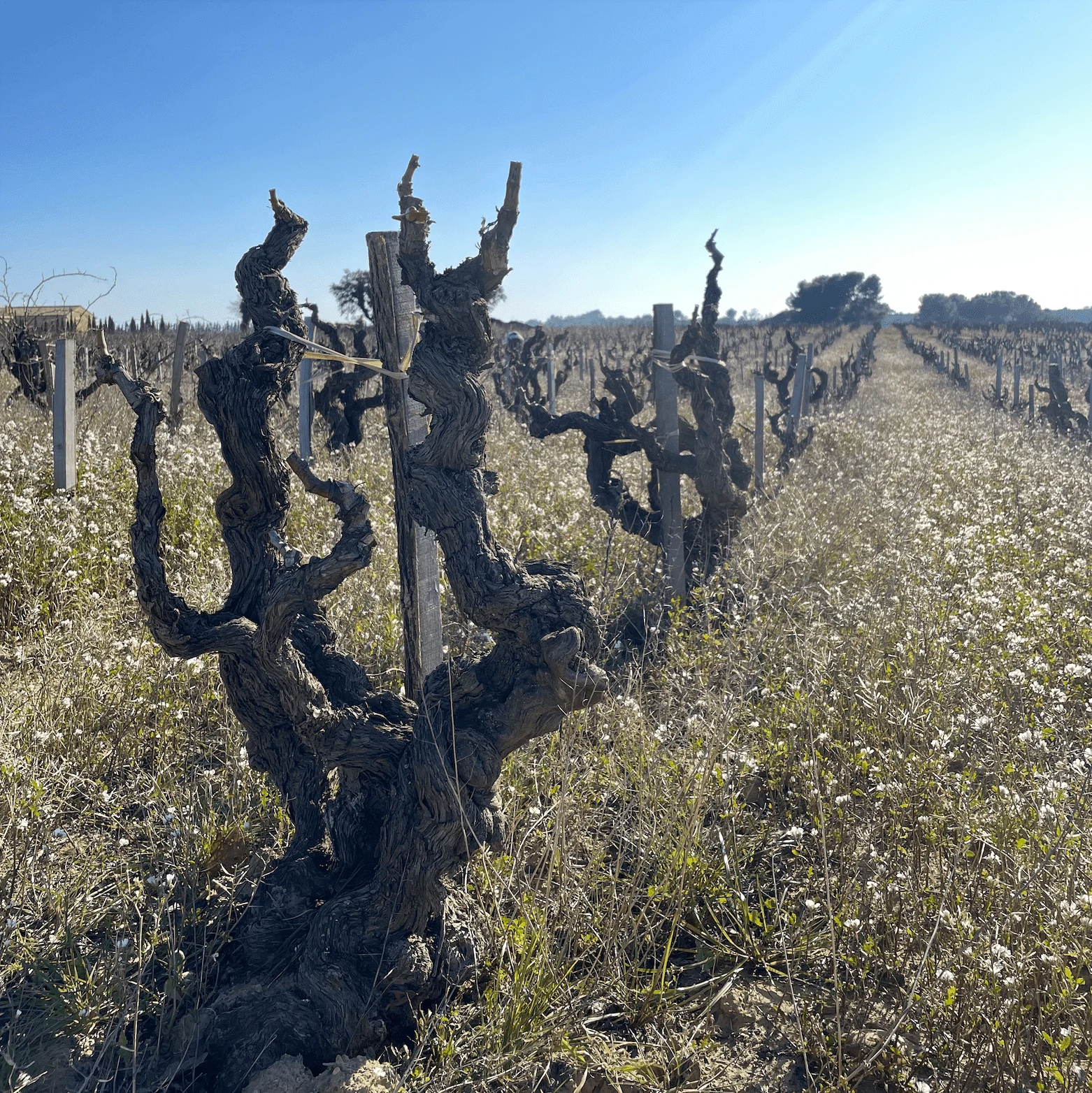
The vineyard runs across roughly 60 hectares on elevated slopes west of Ordonnac village, planted to Merlot, Cabernet Sauvignon, Cabernet Franc, and Petit Verdot. Some plots carry vines over 80 years old, a figure that changes the work at the bench before the fruit ever reaches the cellar. These vines do not ask for noise. They ask for picking decisions, parcel discipline, and a cellar program that keeps structure without sanding away origin. The soils do much of the speaking: fine gravel and clay sands over limestone, close in character to parts of Saint-Estèphe, with drainage and freshness working in opposite but necessary directions. In 2023, the Grand Vin was 48% Cabernet Sauvignon, 35% Merlot, and 17% Cabernet Franc. In 2022, it moved to 43% Cabernet Sauvignon, 36.5% Merlot, 19.5% Cabernet Franc, and 1% Petit Verdot. The point is not a fixed recipe. It is a method that lets the vintage set the ratios while the estate holds the frame: tight texture, dense tannin, freshness, and the capacity to age.
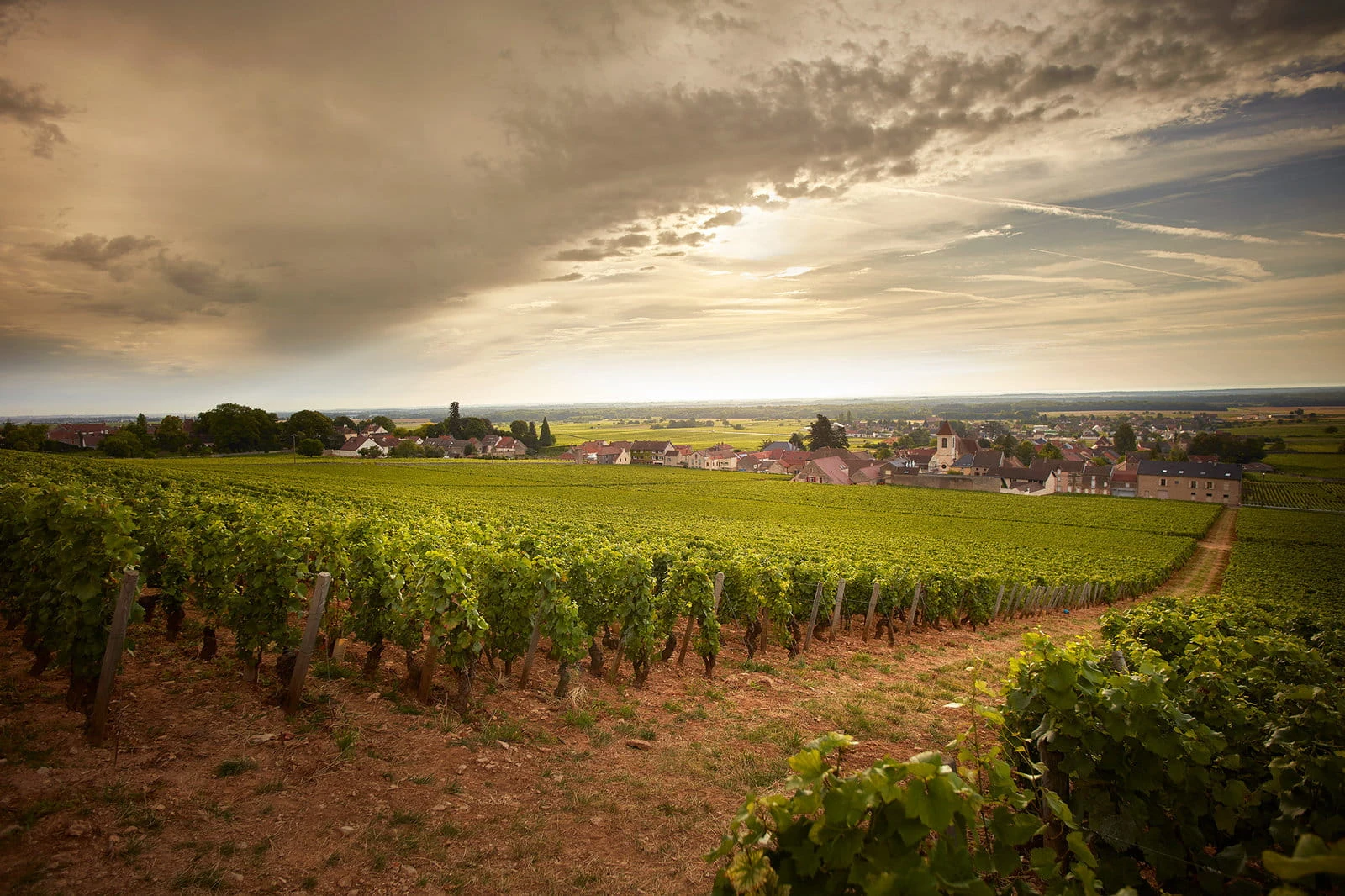
The cellar sits in a rural Médoc landscape, with vines around the raised plateau and a chapel standing directly in front of the winery building. That chapel gives Chapelle de Potensac its name, and it also fixes the mood of the place: agricultural, quiet, serious about claret rather than display. This is not a tasting room built to perform hospitality as spectacle. The vineyard is the main room. The pass is the sequence from slope to vat to blend, with Cabernet and Merlot moving through the program according to the year’s weather and the estate’s sense of proportion. Around Ordonnac, the setting keeps its scale. Gravel, limestone, rows of vines, the chapel, the cellar. The work has enough material to occupy the hands.
Château Potensac makes the Grand Vin and Chapelle de Potensac, a second wine shaped for an earlier register while keeping smoothness and freshness in view. The estate holds Cru Bourgeois Exceptionnel classification, and recent vintages show how closely the work depends on proportion rather than ornament. The next release to read here is not a new idea, but the next translation of the plateau into that blend at Château Potensac.
Ordonnac, Médoc, Nouvelle-Aquitaine, Frankreich
Ordonnac (north Médoc)