Château Saint Georges Côte Pavie
- 01CitySaint-Émilion, France
- Falstaff Winery - Listed · 2026
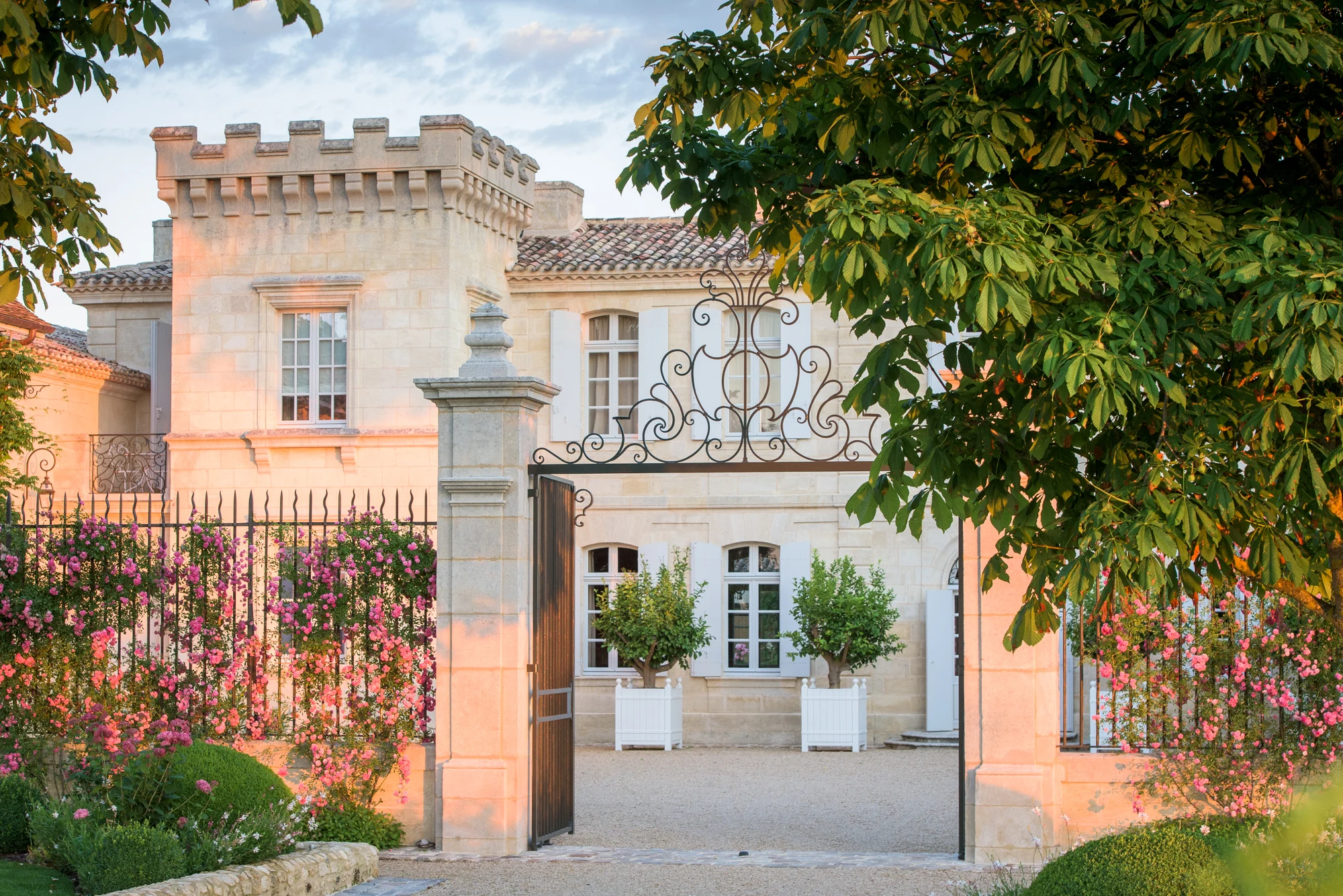
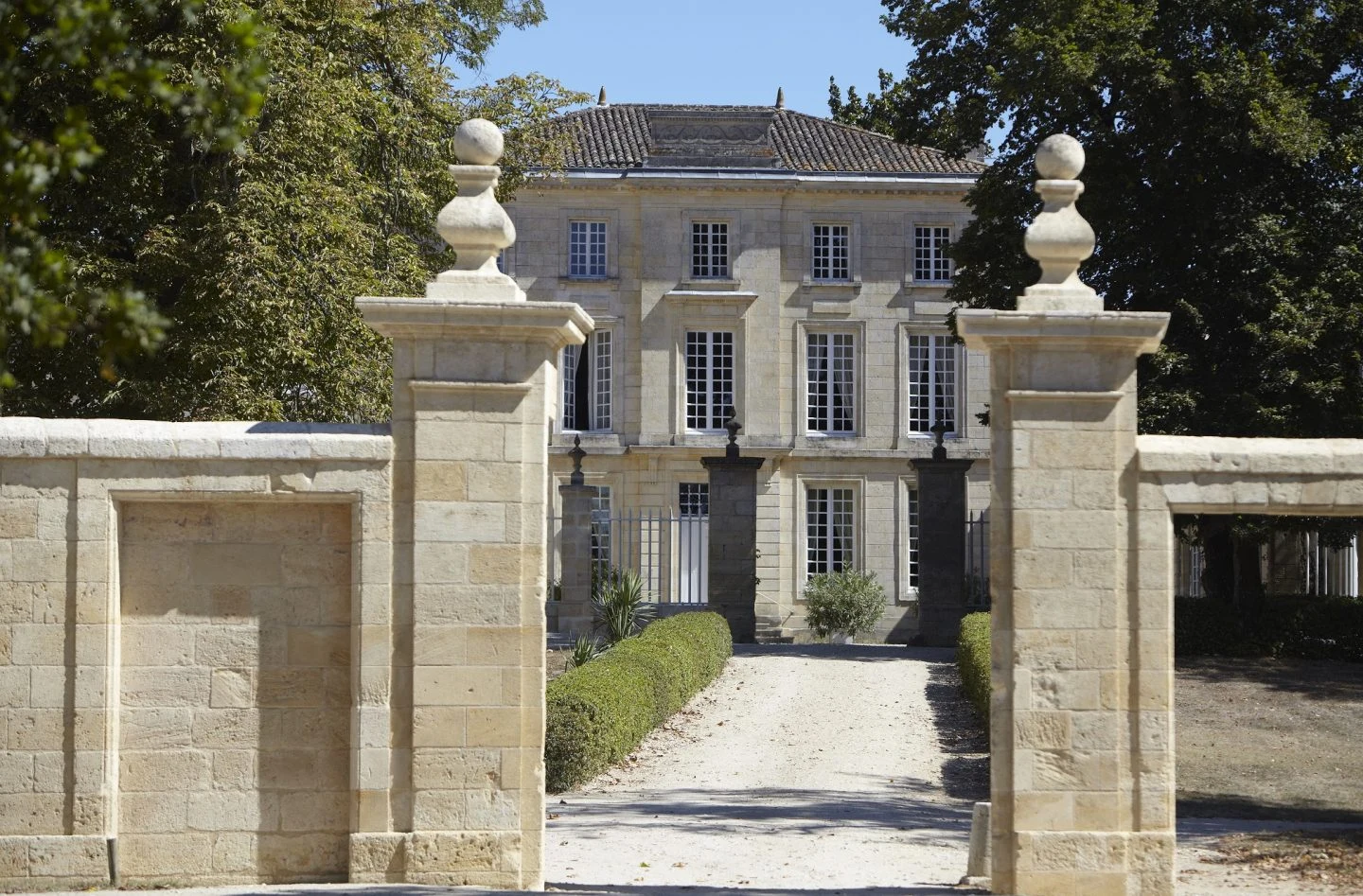
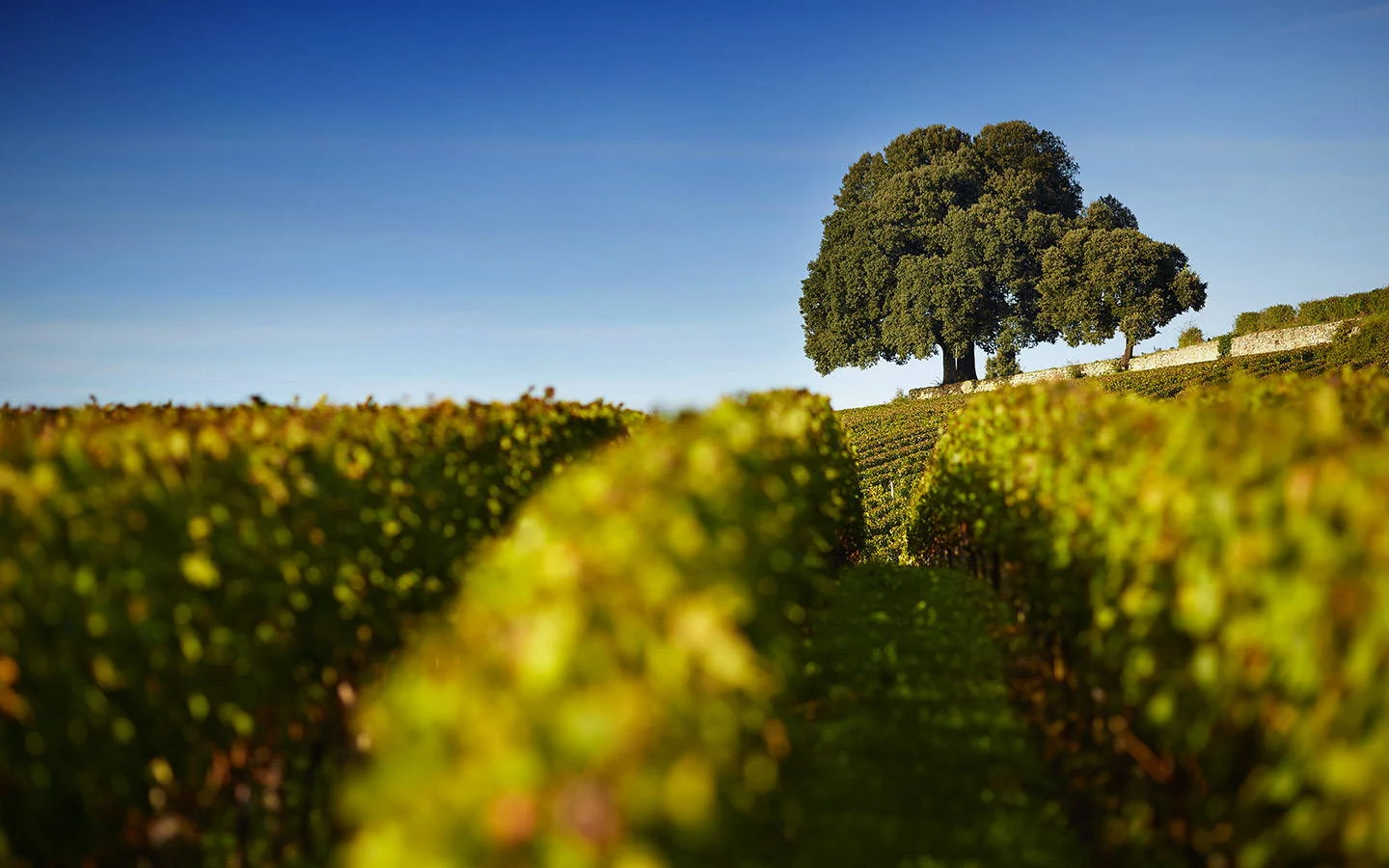
Château Saint Georges Côte Pavie is a historic château in Saint-Émilion where the visit centers on the vineyard, the cellar, and the winemaking process. The appeal is a focused look at how a Saint-Émilion estate connects its setting to the glass, using the place itself as the main frame for the tasting. Rather than presenting the visit as a broad hospitality experience, it is best read as a direct encounter with a château environment and the work that supports the wine.
The experience is best understood as classic, scenic, quiet, and intimate. Visitors should expect a small-group tasting atmosphere at a château with a renovated winery, with the emphasis placed on winemaking rather than on extras such as dining, special menus, or formal awards. That restraint is part of the character: the visit does not need to be padded with unrelated features to make sense, because its core proposition is already clear and specific.
Côte Pavie gives the tasting its argument
The useful starting point is the place itself: Château Saint Georges Côte Pavie is in Saint-Émilion, and the visit is built around seeing the vineyard and cellar before tasting. That structure gives context to the wine without needing to rely on unsupported claims about classifications, exact vineyard composition, production figures, scores, or named critical recognition. In practical terms, the sequence matters because it lets visitors approach the glass after first considering the estate setting and the winemaking environment.
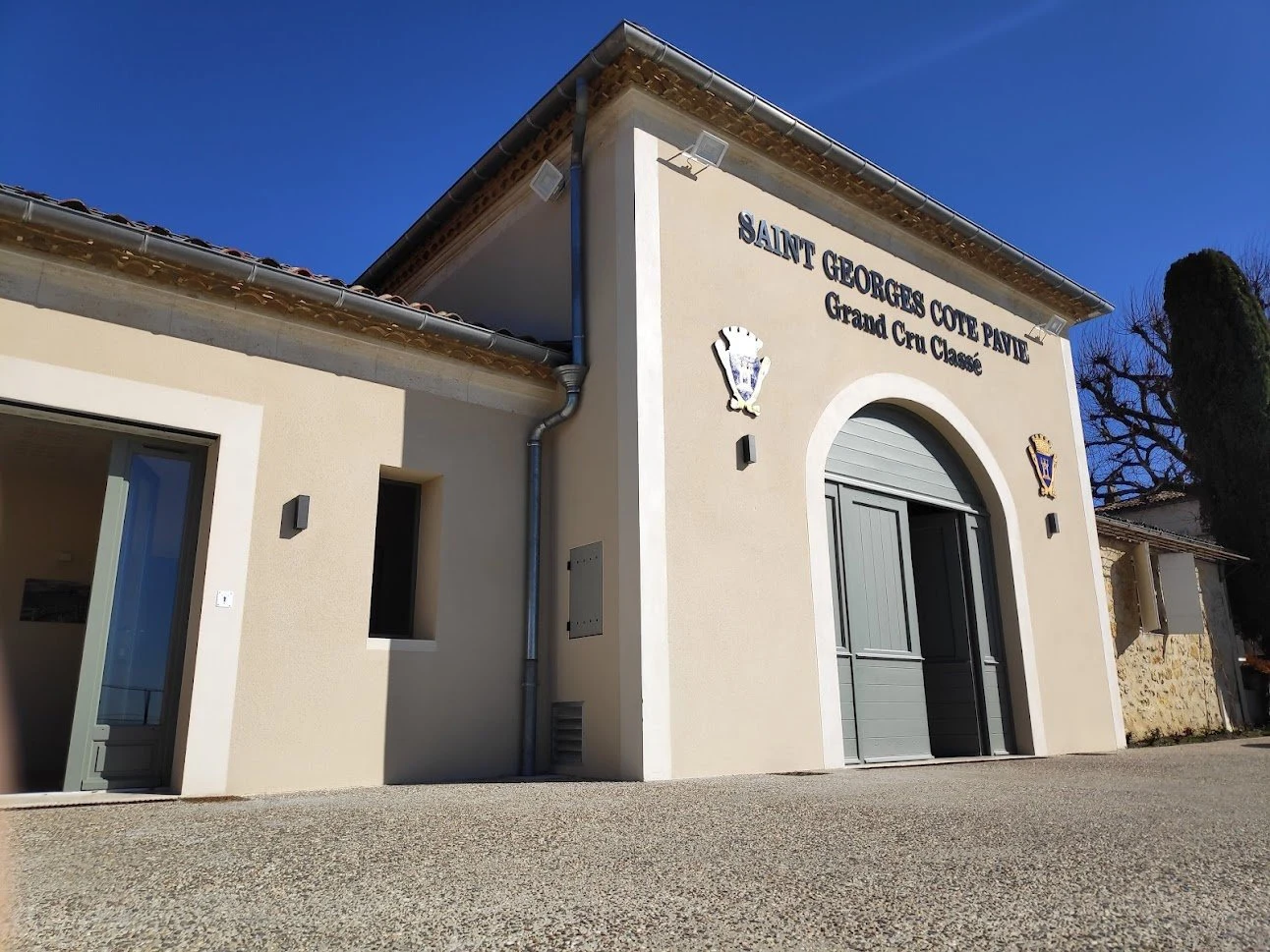
For travelers comparing winery visits in Saint-Émilion, the important confirmed details are direct. This is a historic château setting, the winery has been renovated, and the tasting is designed for a smaller group rather than a large, high-volume stop. Those facts are enough to define the tone of the experience. They point to a visit that is more about attention and context than spectacle, and more about understanding the route from vineyard to cellar than collecting a long list of supplementary activities.
The focus on winemaking also makes the visit a good fit for people who want a clear explanation of how the cellar and vineyard relate. Specific technical details beyond the venue description should not be assumed, but the overall premise is a vineyard-and-cellar visit with a tasting component. That makes it especially easy to place within a Saint-Émilion day: it is a wine-focused stop for visitors who want the setting, the process, and the tasting to feel connected rather than separate.
A historic château visit with a renovated winery
Château Saint Georges Côte Pavie works well as a calm Saint-Émilion stop for visitors who value setting and process. The château context gives the experience a classic feel, while the renovated winery keeps the visit grounded in the winemaking setting. The combination is important: the historic frame supplies atmosphere, and the winery element keeps the attention on how the estate presents its wines through the lens of production.
The confirmed tone is quiet, scenic, and intimate. That makes it especially suitable for travelers who prefer a measured visit over a busy tasting-room atmosphere. It is not necessary to add claims about exact duration, languages, bottle counts, menu pairings, or service extras to understand why people choose it. The appeal is simpler and cleaner than that: a smaller-group château tasting in Saint-Émilion, with enough structure to make the visit feel purposeful and enough calm to let the setting do some of the work.
The reason to come is the wine visit itself: a vineyard-and-cellar experience focused on winemaking in Saint-Émilion. Visitors who are looking for a restaurant-style outing, a formal dining program, or a visit built around external accolades should read the description carefully, because those are not the confirmed strengths here. The strength is the disciplined focus on place, cellar, and tasting.
How to read the glass in Saint-Émilion terms
Tasting should be approached as a way to connect a glass of wine to a château setting in Saint-Émilion. The glass is not isolated from the visit; it comes after the vineyard and cellar context, which gives the tasting a clearer sense of purpose. That is the right way to understand the experience: not as a standalone pour, but as the final part of a concise château visit.
For planning, the confirmed price is $21 per person. That makes Château Saint Georges Côte Pavie a clear, focused option for visitors who want a château visit without building the decision around unsupported claims. The value of the visit lies in knowing what it is: a scenic and intimate introduction to the estate setting, the cellar environment, and the winemaking process, rather than a package defined by add-ons.
If you are building a broader itinerary, compare it with other dining and wine experiences in Saint-Émilion generically rather than assuming the same format everywhere. Château Saint Georges Côte Pavie is best chosen when you want a scenic, small-group château tasting centered on the vineyard, the cellar, and the winemaking process. It suits an itinerary where clarity matters: one stop, a defined focus, and a setting that supports the wine without overwhelming it.
The verdict is simple: choose this château when the goal is a quiet, classic Saint-Émilion wine visit in a historic setting with a renovated winery and an intimate tasting format. Its appeal is not in excess, but in concentration: a calm look at a château, its vineyard-and-cellar context, and the way that context leads naturally into the tasting.
Questions
Frequently asked
How expensive is Château Saint Georges Côte Pavie?
Château Saint Georges Côte Pavie is listed at a price level of $$.
The field
How it compares
| Place | Notes |
|---|---|
| Château Saint Georges Côte Pavie | Saint-Émilion, $$ |
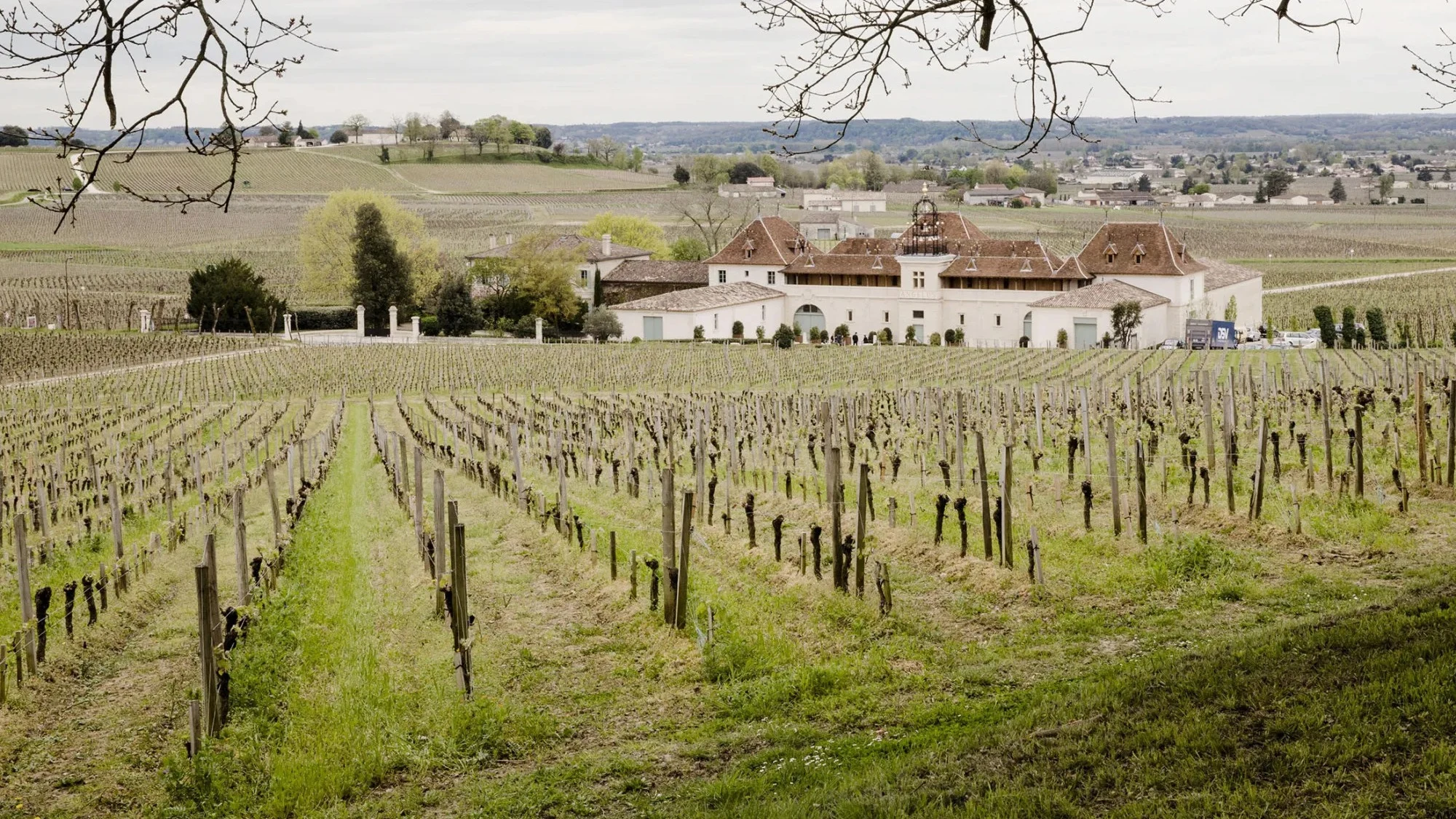
| Château Angelus | Saint-Émilion |
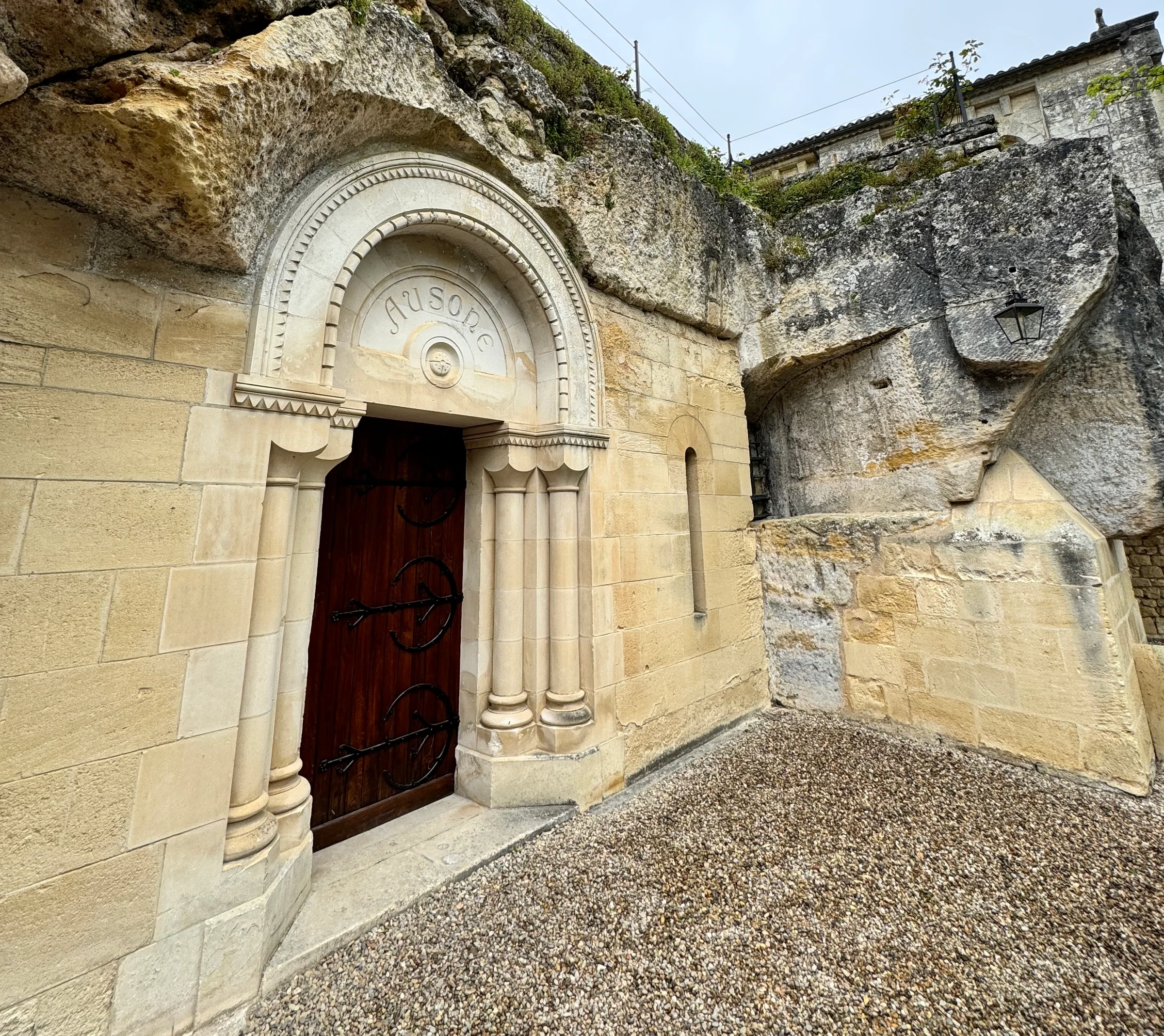
| Chateau Ausone | Saint-Émilion |
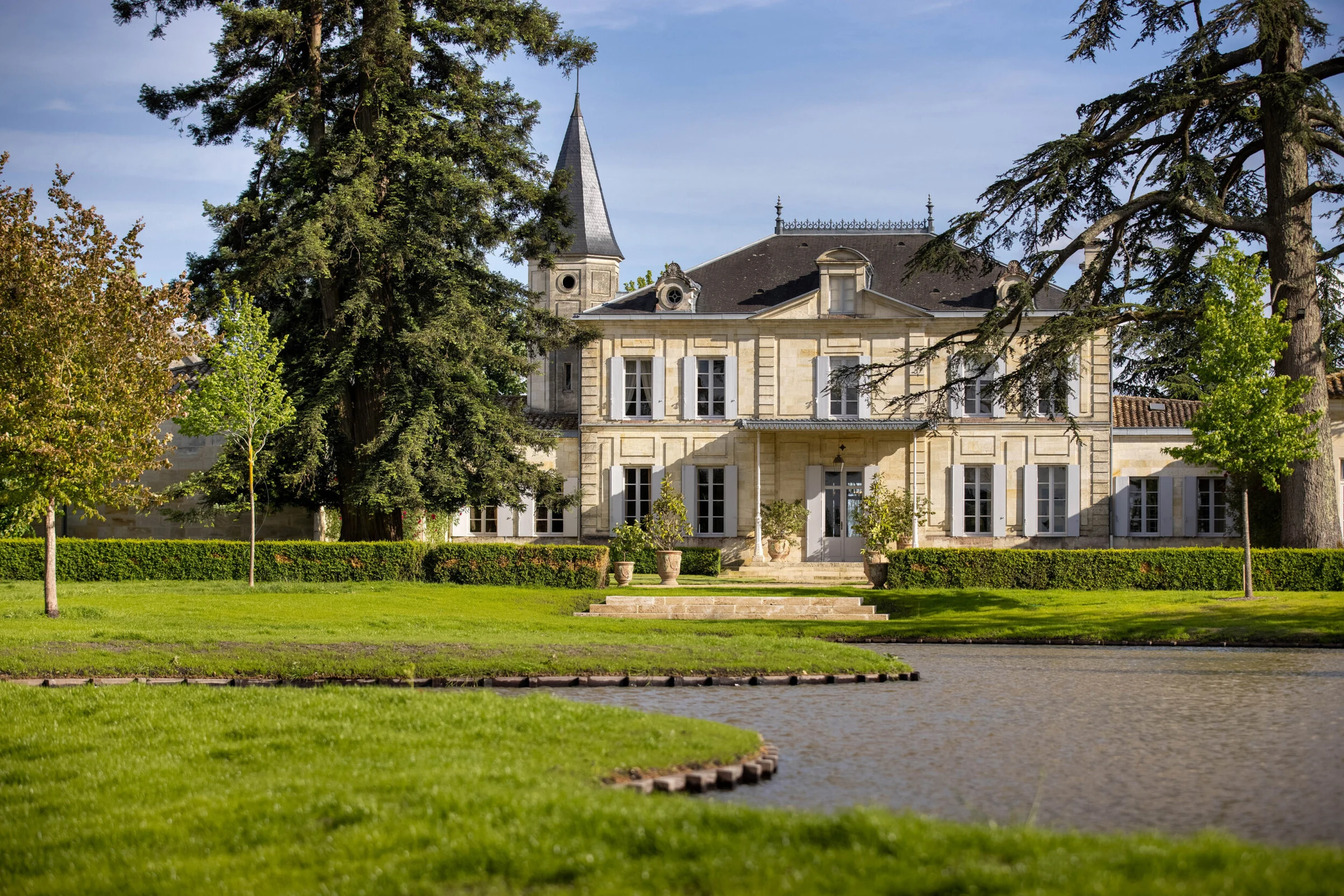
| Château Canon | Saint-Émilion |
| Château Cheval Blanc | Saint-Émilion |
| Château Figeac | Saint-Émilion |
| Château Pavie | Saint-Émilion |