Château Soutard
- 01CitySaint-Émilion, France
- Falstaff Winery - Listed · 2026
- Michelin 1 Grape · 2026
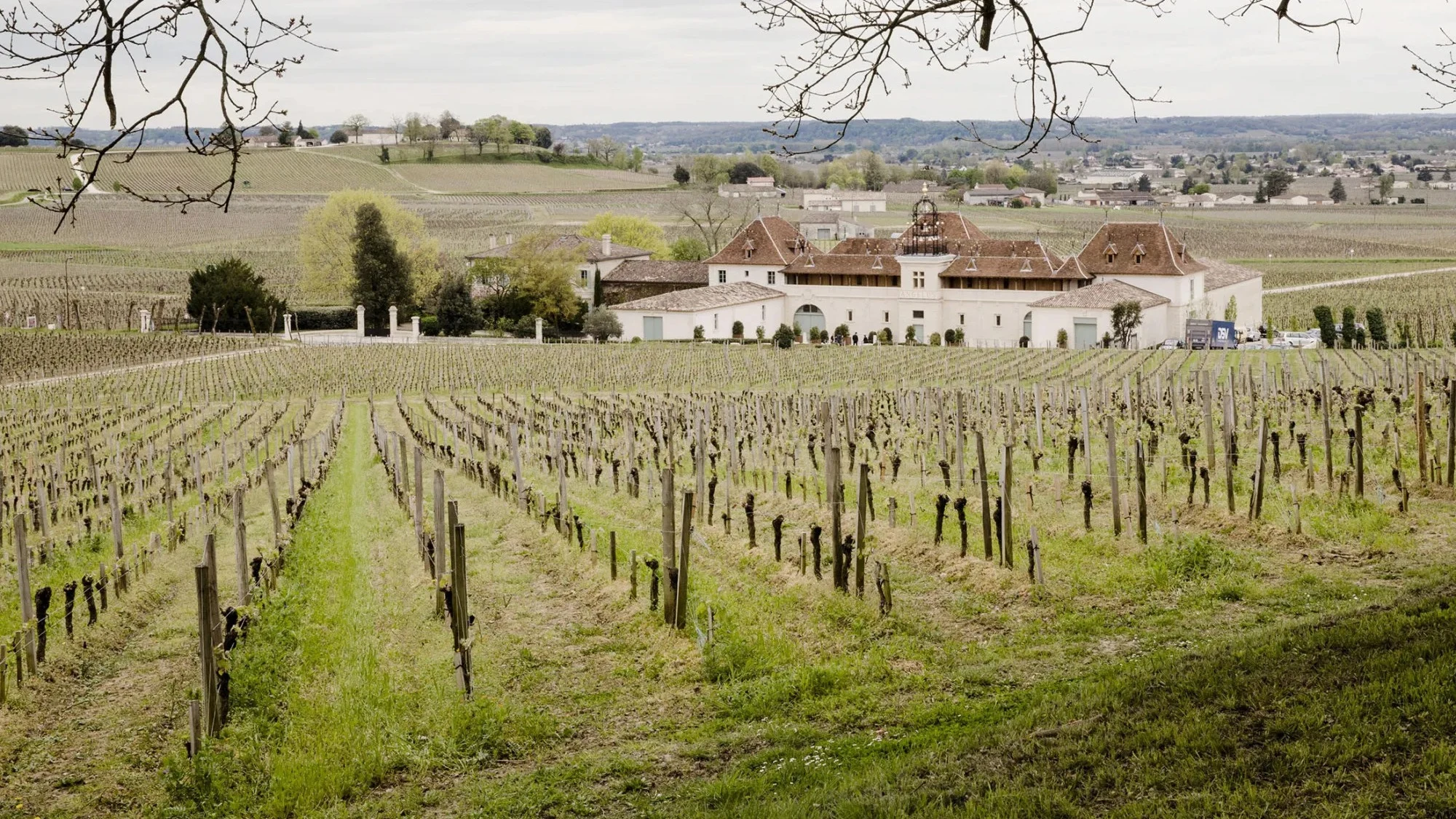
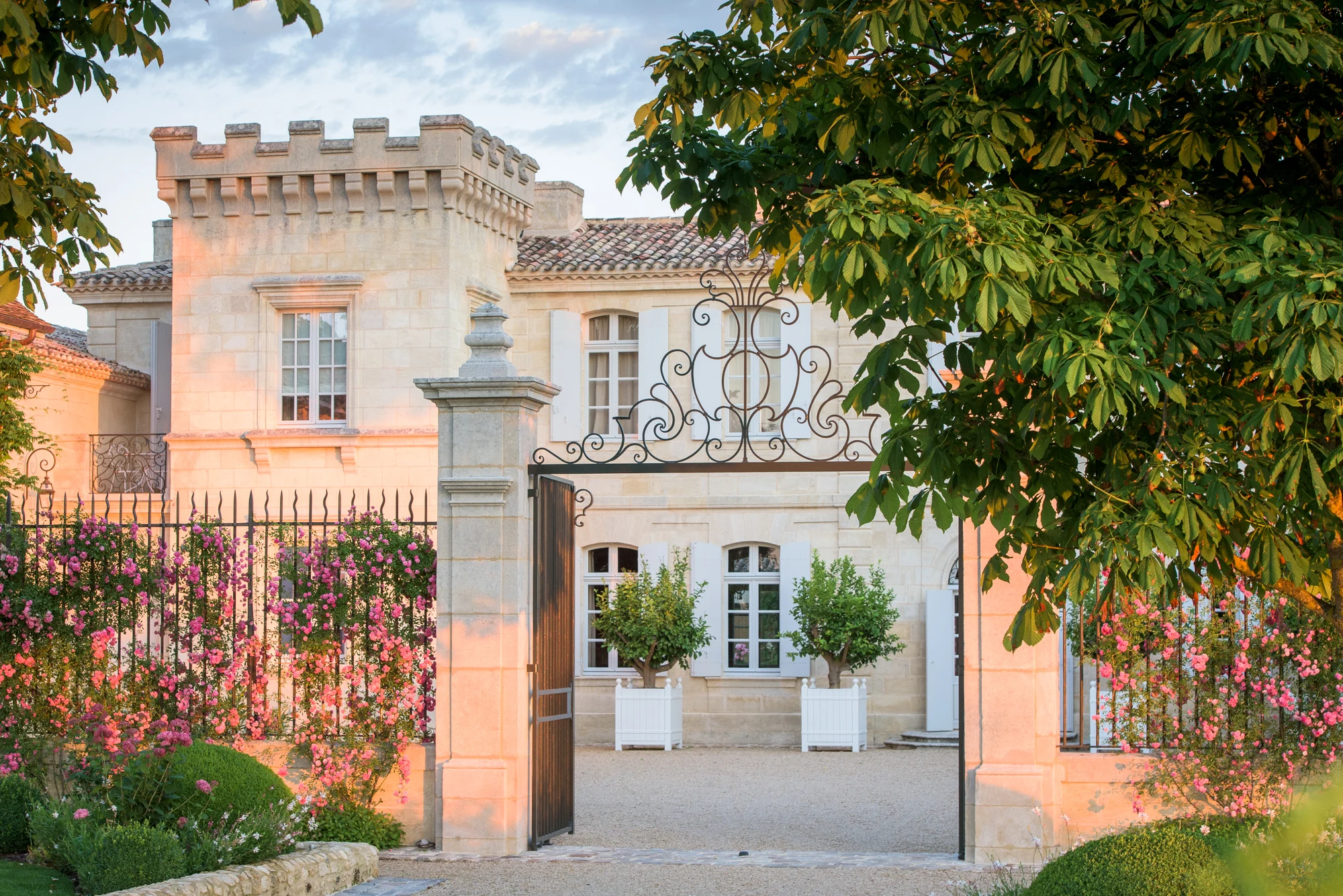
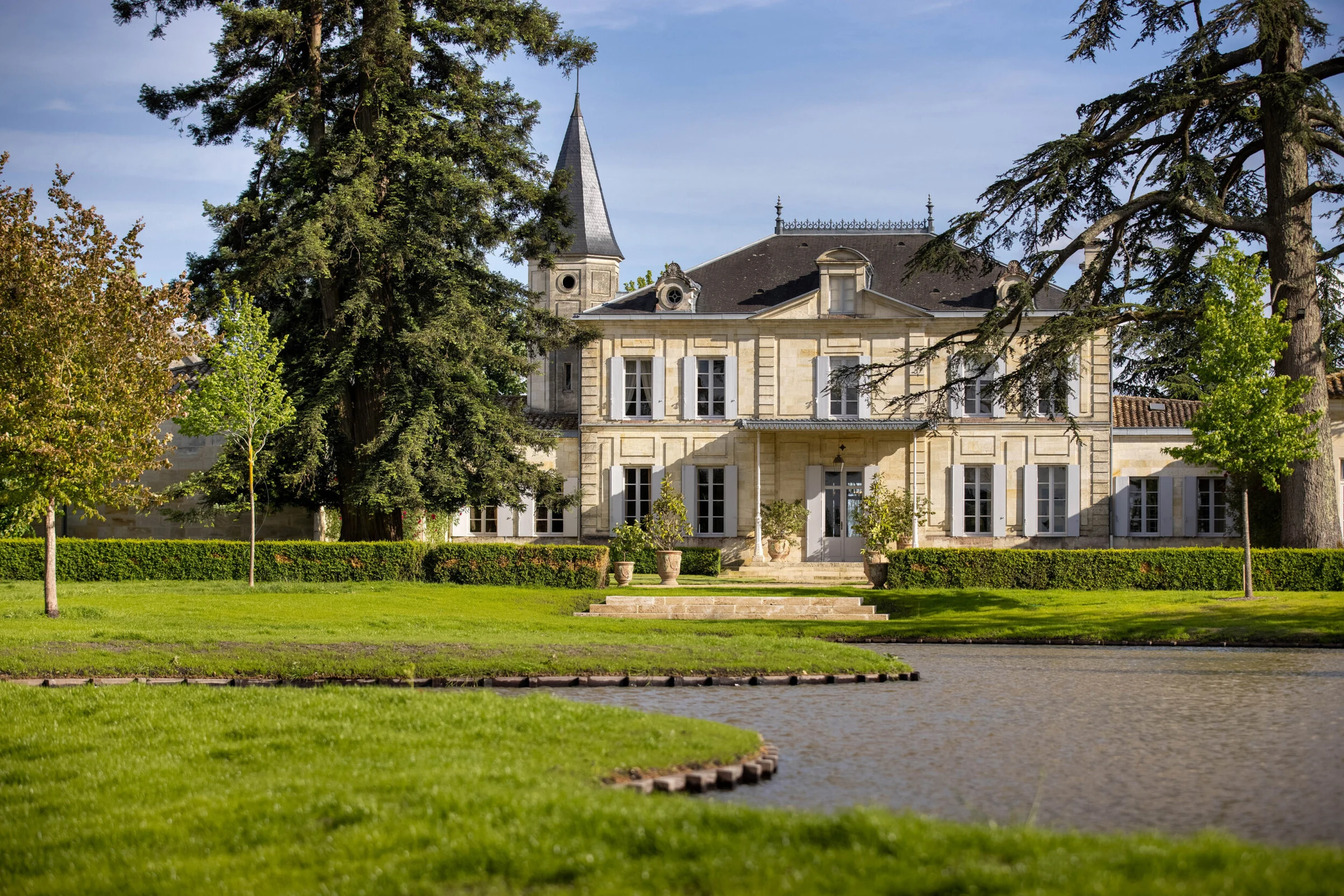
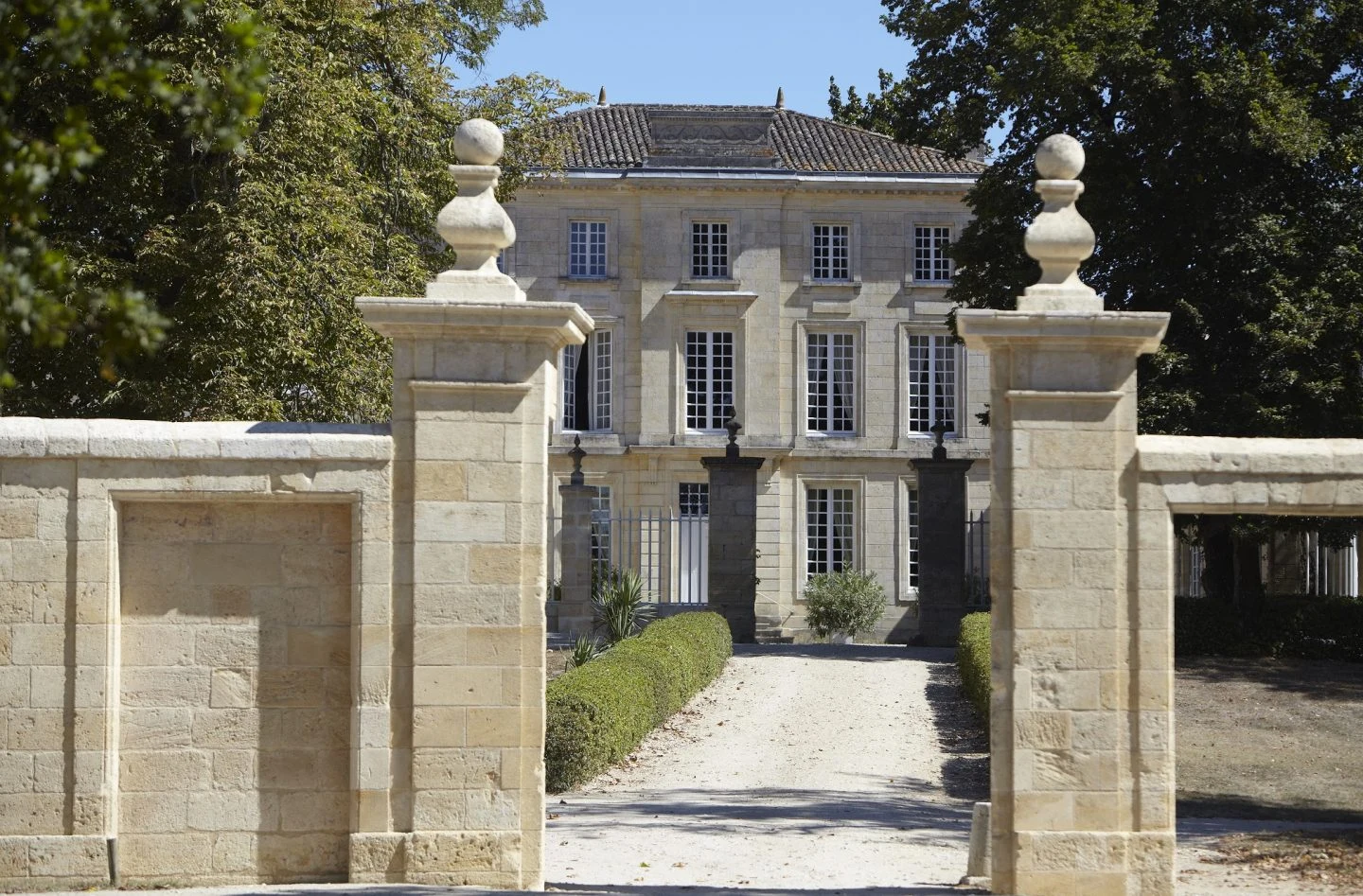
Approaching a Saint-Émilion château is often an exercise in reading atmosphere through stone, setting and quiet ceremony. At Château Soutard, the 18th-century château gives the first signal, while the modern gravity-fed cellar and glass elevator make the visit feel contemporary as well as historic. The result is a Grand Cru Classé estate experience that is polished, educational and elegant without feeling closed off, with the property’s sense of occasion balanced by a visitor experience that remains approachable.
Saint-Émilion’s wine culture is not just a matter of scenery. For visitors, the strongest experiences are often the ones that explain how an estate works while still leaving room for the pleasure of the setting. Château Soutard belongs in that conversation because the appeal centers on heritage, cellar design and a welcoming way of presenting the estate. It is the kind of visit where the visual impression and the practical explanation support each other, so the château is not simply a backdrop but part of how the estate communicates its identity.
Saint-Émilion heritage, explained through the cellar
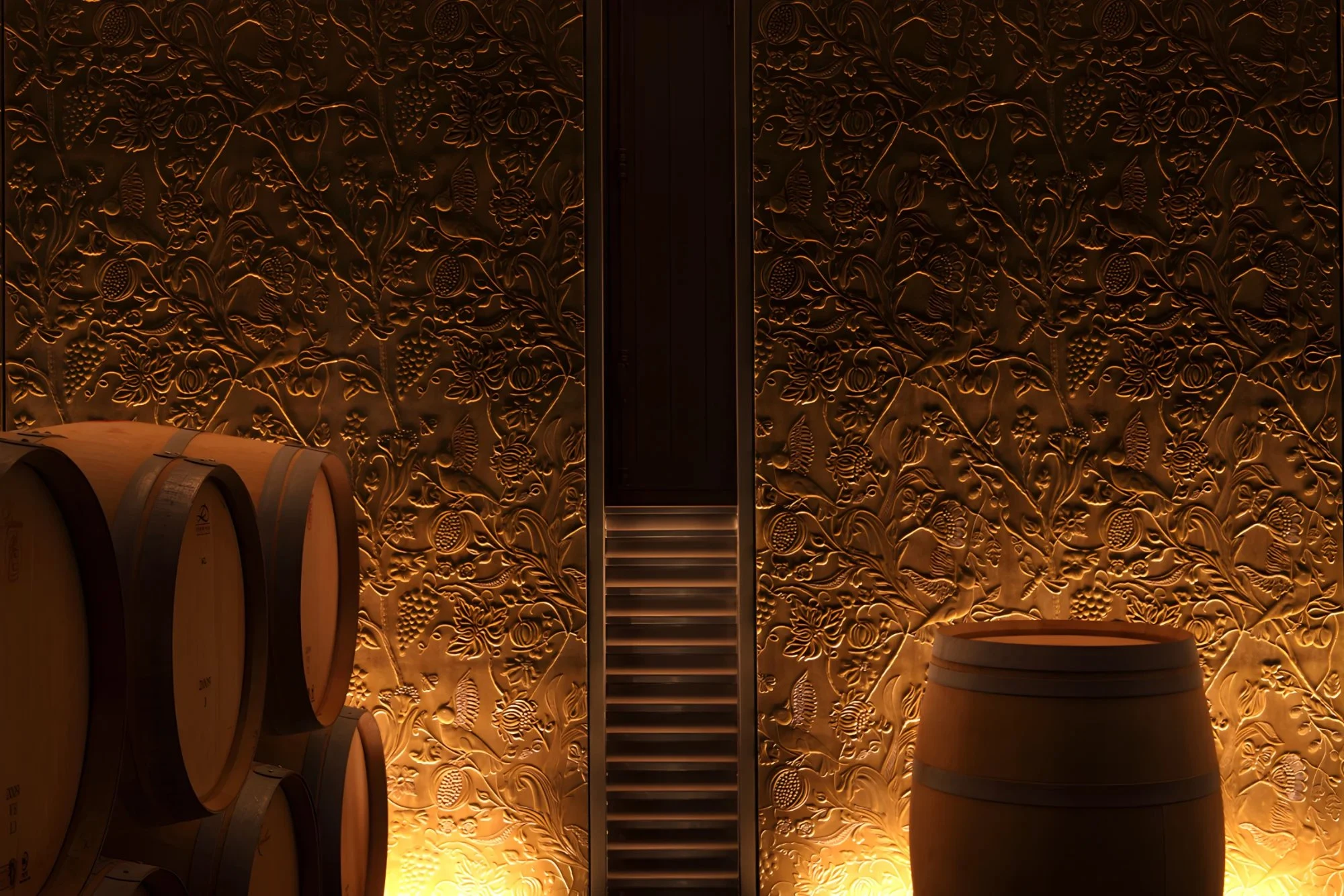
Château Soutard is best understood as a Saint-Émilion Grand Cru Classé estate where the architecture of the visit matters. The gravity-fed modern cellar gives visitors a clear sense that production and presentation are part of the experience, not hidden behind the château façade. That matters because the estate’s historic presence could easily dominate the first impression; instead, the cellar brings the focus back to how a working wine property can make its internal logic visible to guests.
The glass elevator is part of that appeal: it connects the experience of the château with the practical world of the cellar, turning movement through the estate into part of the education. Rather than relying only on historic atmosphere, Château Soutard presents a visit that feels structured, classic and contemporary at once. The contrast is not abrupt; it gives the tour a rhythm, moving from the formal language of the château into the more technical clarity of the cellar without losing the elegance of the setting.
For visitors comparing Saint-Émilion through estate visits, classification still carries weight. Château Soutard’s Grand Cru Classé status, its regal 18th-century château and its modern cellar design make it a useful stop for understanding how heritage and present-day hospitality can sit together in Saint-Émilion. The visit is especially helpful as a way of seeing that status expressed not only through a label or a façade, but through the way the estate receives, guides and explains itself to visitors.
Heritage with a modern visitor grammar
The visual identity is anchored by the 18th-century château, which gives Château Soutard a sense of formality and history from the outset. What keeps the experience from feeling purely old-world is the contemporary cellar infrastructure and the emphasis on clear, polished explanation. In that sense, the estate speaks two languages at once: the traditional language of Saint-Émilion heritage and the more current language of designed hospitality, where movement, visibility and interpretation are part of the visit.
That balance is the main reason to visit. Château Soutard is not presented here as a restaurant or a casual bar; it is a Saint-Émilion wine estate where the value lies in the atmosphere, the educational tasting experience and the way the property makes its historic and modern sides visible to guests. Visitors should come for the sense of place, the château setting and the cellar perspective rather than expecting the experience to behave like a simple drop-in drinking stop.
Saint-Émilion is dense with wine estates and other visitor experiences, so context helps. Visitors building a wider route can use general Saint-Émilion research as a planning spine, then decide where Château Soutard best fits within a day focused on wine, architecture and the village’s classic atmosphere. Within that kind of itinerary, Soutard makes sense as a more composed estate visit, one that offers the pleasure of a grand setting while still giving enough structure for the visit to feel purposeful.
Who gets the most from the visit
This is a strong choice for travellers who want Saint-Émilion translated through heritage, architecture and cellar practice in one visit. The atmosphere is scenic, elegant and classic, but the modern cellar and glass elevator keep the experience from being only a château-photo stop. It will suit visitors who like their wine tourism to have a clear narrative, where the beauty of the estate is matched by an effort to explain how the property presents itself and how the cellar fits into that story.
The sharper value is educational. Château Soutard works well for visitors who want a polished tasting in an elegant but welcoming setting, with enough contemporary design to make the mechanics of the estate feel present. At $35 per person, the appeal is the combination of Grand Cru Classé context, historic setting and a clear, approachable visit. The experience is best appreciated by those who see Saint-Émilion not only as a place to taste wine, but as a range of estates where architecture, classification and hospitality all shape the memory of the visit.
Questions
Frequently asked
How expensive is Château Soutard?
Château Soutard is listed at a price level of $$$.
The field
How it compares
| Place | Notes |
|---|---|
| Château Soutard | Saint-Émilion, $$$ |
| Château Angelus | Saint-Émilion |
| Chateau Ausone | Saint-Émilion |
| Château Canon | Saint-Émilion |
| Château Cheval Blanc | Saint-Émilion |
| Château Figeac | Saint-Émilion |
| Château Pavie | Saint-Émilion |