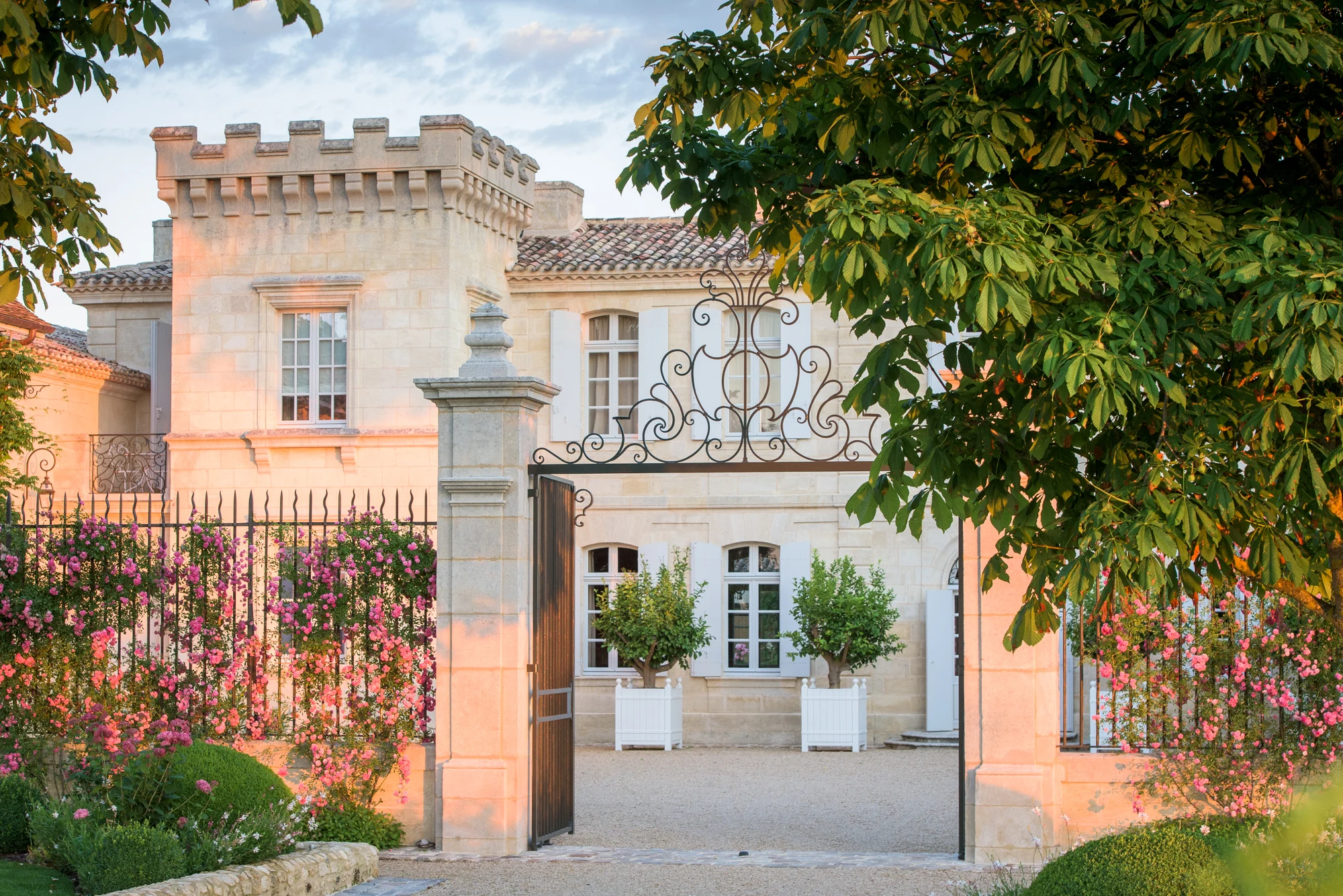
Château Villemaurine
- 01CitySaint-Émilion, France
- Falstaff Winery - 1 Stars · 2026
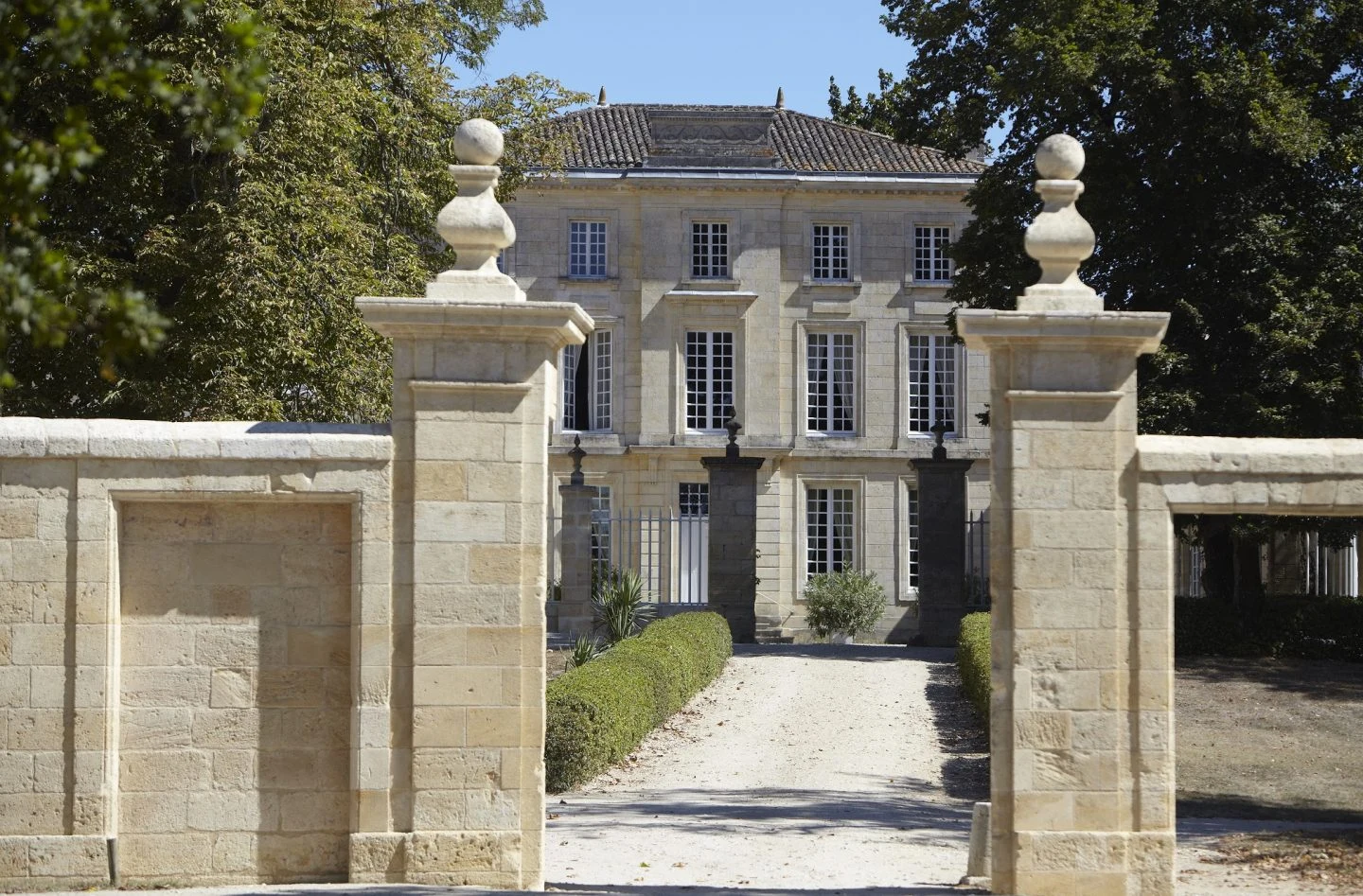
Approaching Château Villemaurine means reading Saint-Émilion through stone, cellar and view. The appeal of the estate is not a long checklist of amenities, but a clear setting: a historic Saint-Émilion Grand Cru Classé property where heritage limestone quarries and monolithic cellars sit alongside a modern vat room and dedicated tasting spaces. For visitors, that combination makes the estate a concise way to connect the village’s wine identity with the limestone fabric that helps define it.
The page is best understood as a focused venue guide rather than a full technical château profile. The confirmed information supports a simple promise: Château Villemaurine offers intimate, guided visits in Saint-Émilion, with panoramic views over the medieval village and an experience rooted in historic underground spaces.
Limestone above and below the glass
Château Villemaurine’s most distinctive feature is the way it links visible Saint-Émilion heritage with underground limestone. The estate is described as blending heritage limestone quarries and monolithic cellars with a modern vat room and tasting spaces. That is enough to frame the visit: this is a place where the setting itself carries much of the interest, especially for travelers who want more than a generic pour in a tasting room.
Saint-Émilion is often appreciated through its historic architecture and wine culture, and Château Villemaurine sits naturally within that story. The verified Grand Cru Classé status gives the estate a formal identity within the appellation, while the quarries and cellars give visitors a physical way to understand why the village’s stone environment matters. Rather than relying on unsupported claims about exact soils, vines or cellar techniques, the reliable emphasis is on the estate’s blend of heritage spaces and contemporary tasting infrastructure.
That distinction matters. It is fair to say that the estate combines historic cellars with a modern winemaking setting; it is not fair, on the current record, to state exact tank types, fermentation methods, oak regimes, vineyard composition or production volumes. Visitors interested in those technical points should ask during the guided visit or confirm them through the château’s own current materials.
The cellar visit turns geology into context
The strongest reason to come here is the cellar context. Château Villemaurine is as offering intimate, guided visits that incorporate limestone quarries, monolithic cellars, a modern vat room and tasting spaces. That makes the experience especially suitable for travelers who want Saint-Émilion’s geology and built heritage to be part of the visit, rather than simply a backdrop to it.
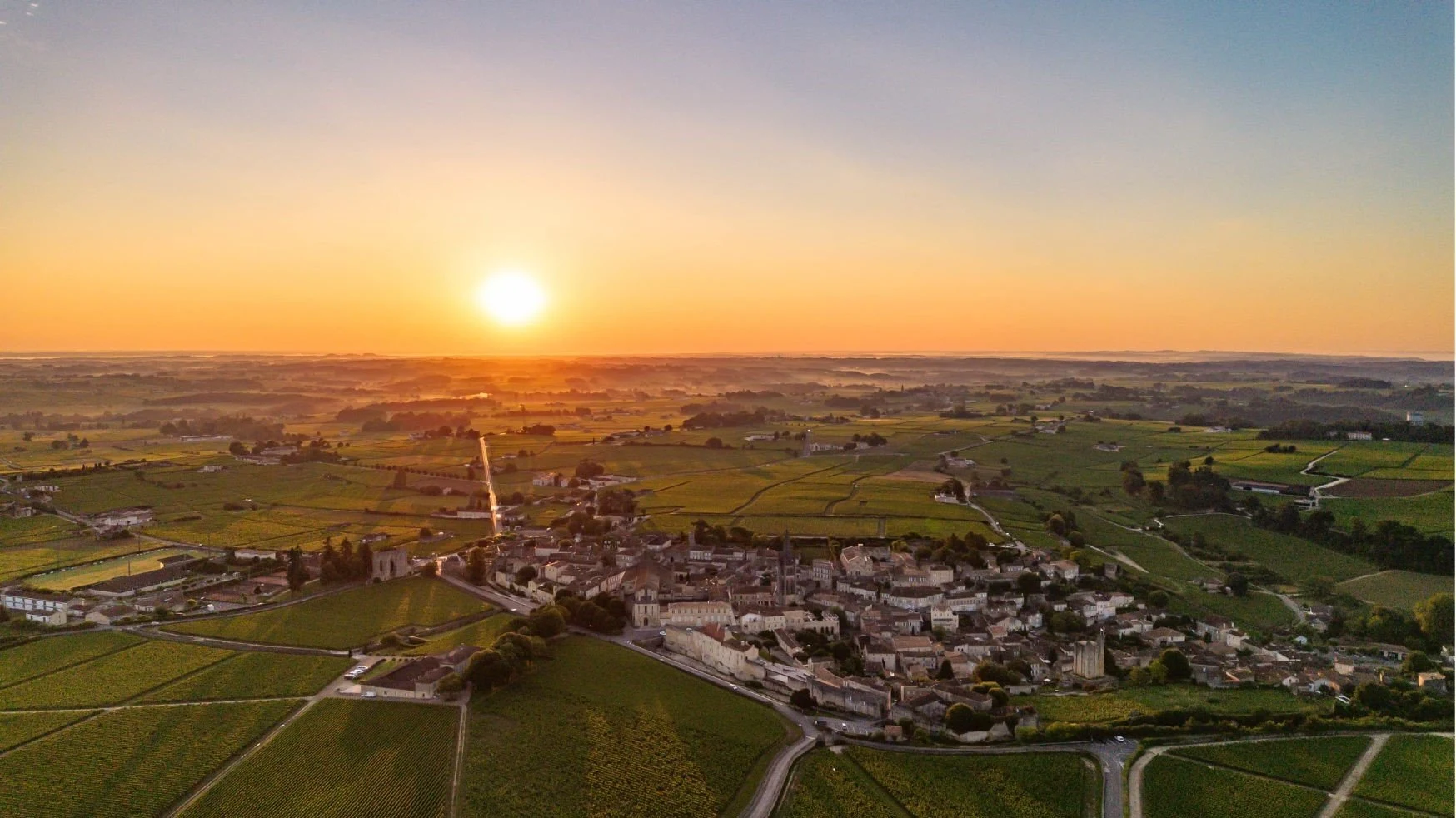
The panoramic views over the medieval village are another grounded part of the appeal. They help place the estate in Saint-Émilion rather than making it feel like an isolated wine stop. The best expectation is a guided, place-led experience: stone below, village views around, and tasting spaces that connect the historic fabric of the estate with its present-day role as a Grand Cru Classé château.
Because only limited operational detail, this guide does not claim a specific tour duration, language offering, group policy, child policy, accessibility arrangement, payment method or appointment rule. Those points can change and are not represented in the data provided here. The safe planning approach is to treat Château Villemaurine as a guided-visit venue and confirm practical details directly before going.
How to place it in a Saint-Émilion itinerary
For a wine-focused day in Saint-Émilion, Château Villemaurine works well as a heritage-and-cellar anchor. Its strengths are compact but meaningful: Grand Cru Classé identity, limestone quarries, monolithic cellars, a modern vat room, tasting spaces, guided visits and views over the medieval village. Those are the details to build around if you want a visit that feels tied to Saint-Émilion itself.
The listed price is $30 per person. That figure gives travelers a useful planning baseline, though any inclusions, timing and availability should still be confirmed directly with the estate.
Readers building a broader Saint-Émilion route can combine Château Villemaurine with other dining, hotel, bar and experience options in the area generically, depending on the day’s focus. If the goal is wine education, keep the château visit close to time in the village so the limestone quarries, monolithic cellars and panoramic views feel connected to the surrounding medieval setting.
The critical read is simple: Château Villemaurine is strongest for travelers who want a concise, guided encounter with Saint-Émilion’s historic stone environment and Grand Cru Classé wine culture. Come for the limestone quarries, monolithic cellars, modern vat room, tasting spaces and village views, not for unsupported claims about exact vineyard makeup, technical production details or a broader hospitality program that has not been here.
Questions
Frequently asked
How expensive is Château Villemaurine?
Château Villemaurine is listed at a price level of $$$.
The field
How it compares
| Place | Notes |
|---|---|
| Château Villemaurine | Saint-Emilion, $$$ |
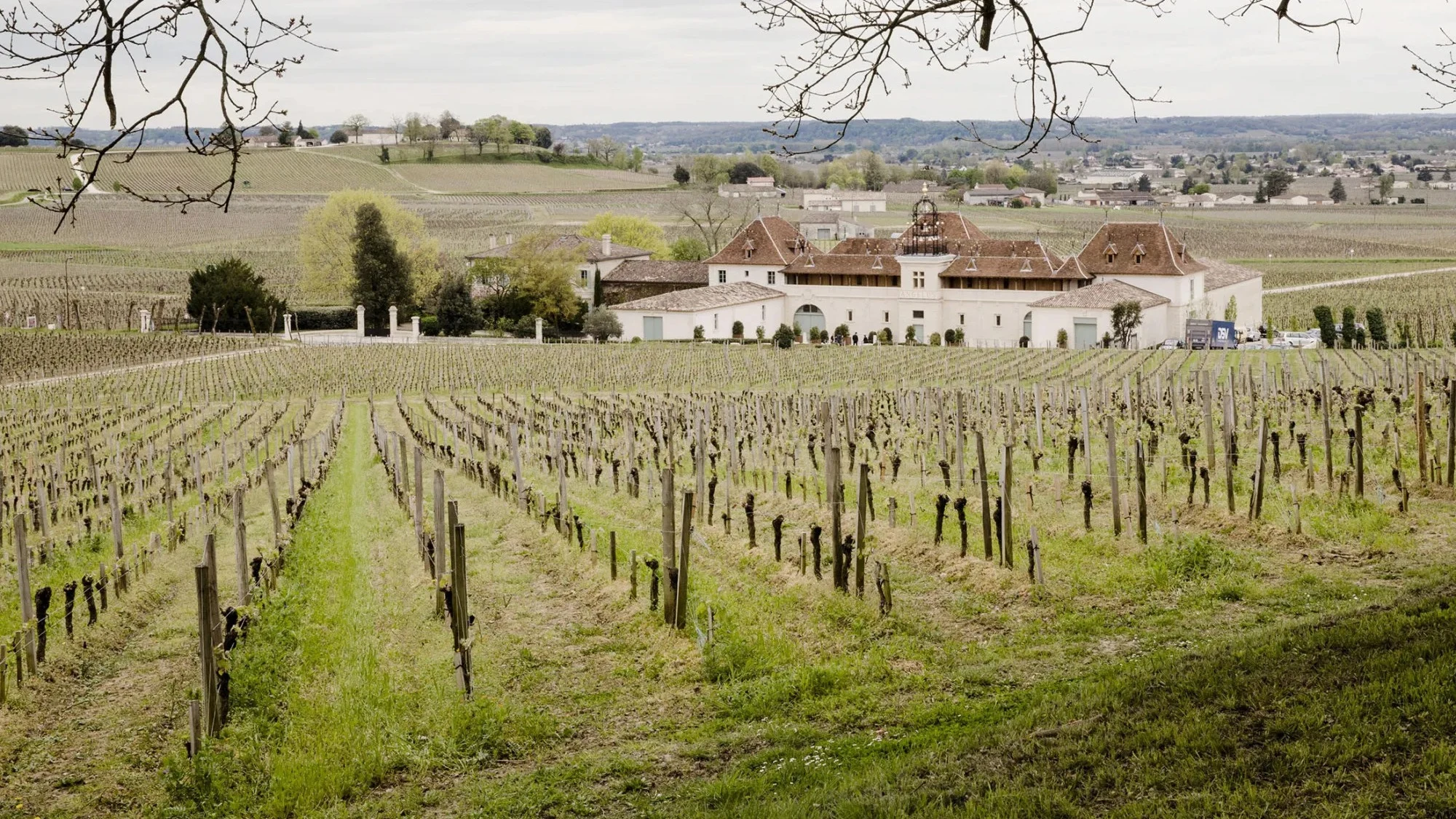
| Château Angelus | Saint-Émilion |
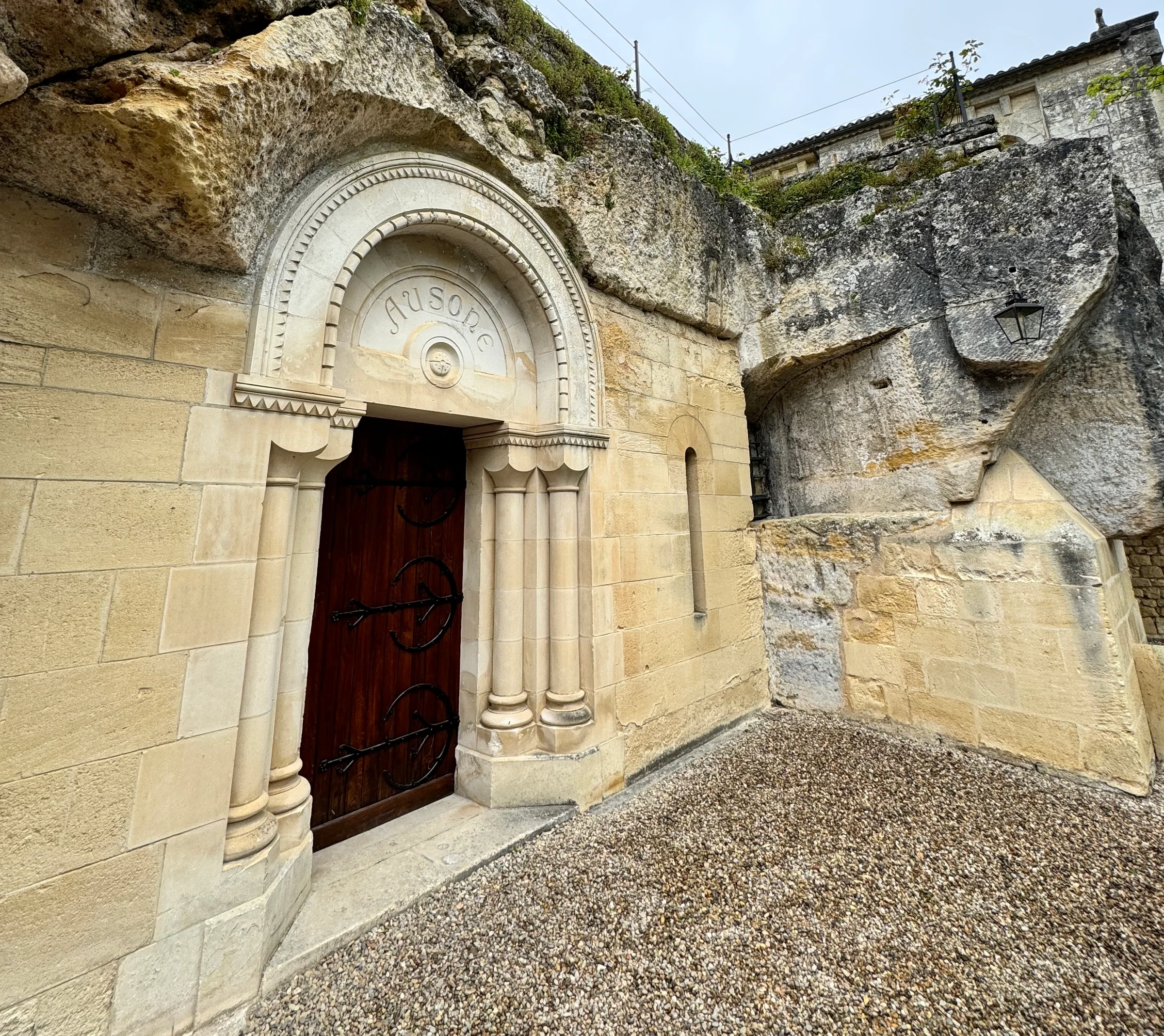
| Chateau Ausone | Saint-Émilion |
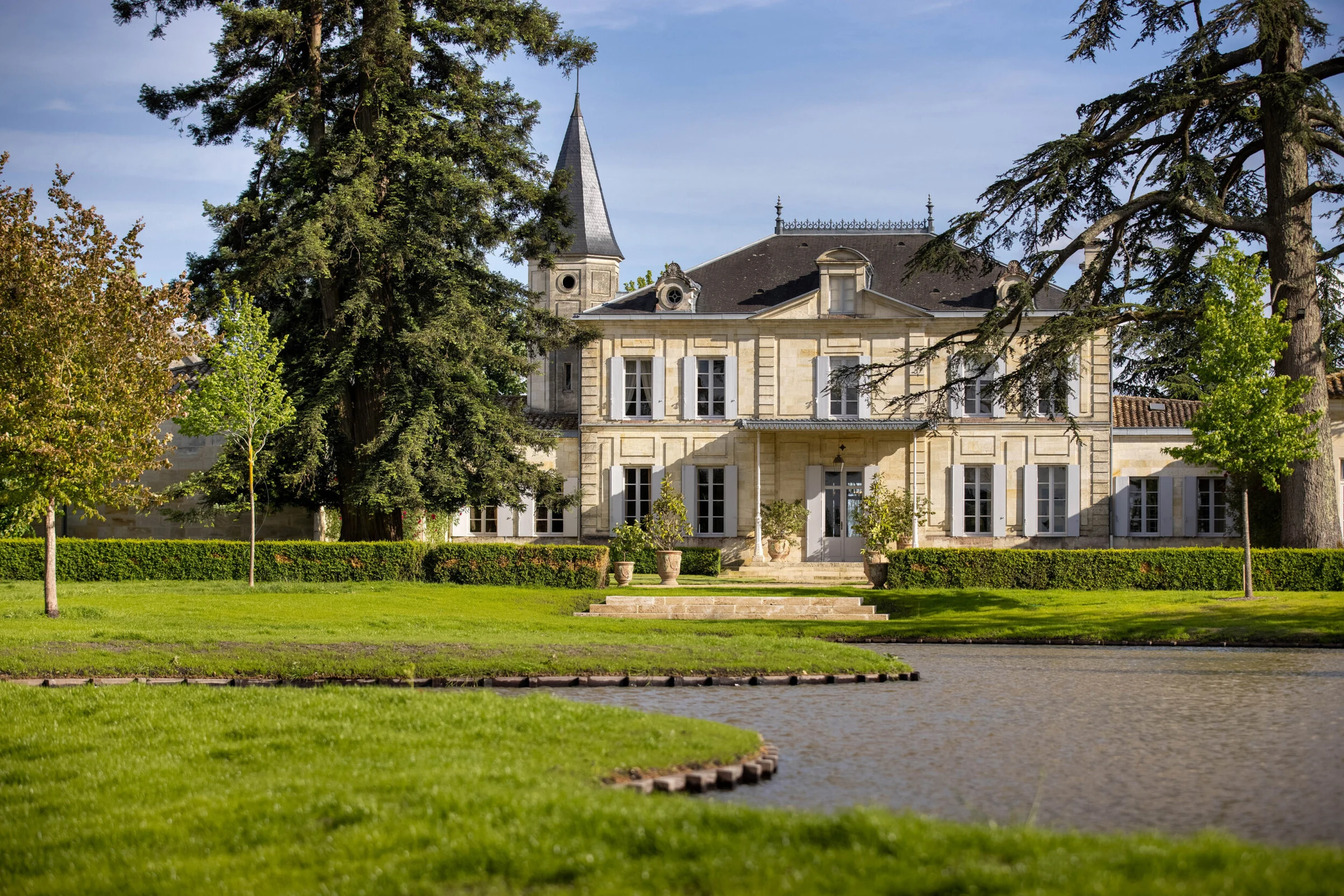
| Château Canon | Saint-Émilion |
| Château Cheval Blanc | Saint-Émilion |
| Château Figeac | Saint-Émilion |
| Château Pavie | Saint-Émilion |