Château Vitallis
- 01CityFuissé, France
- Falstaff Winery - Listed · 2026
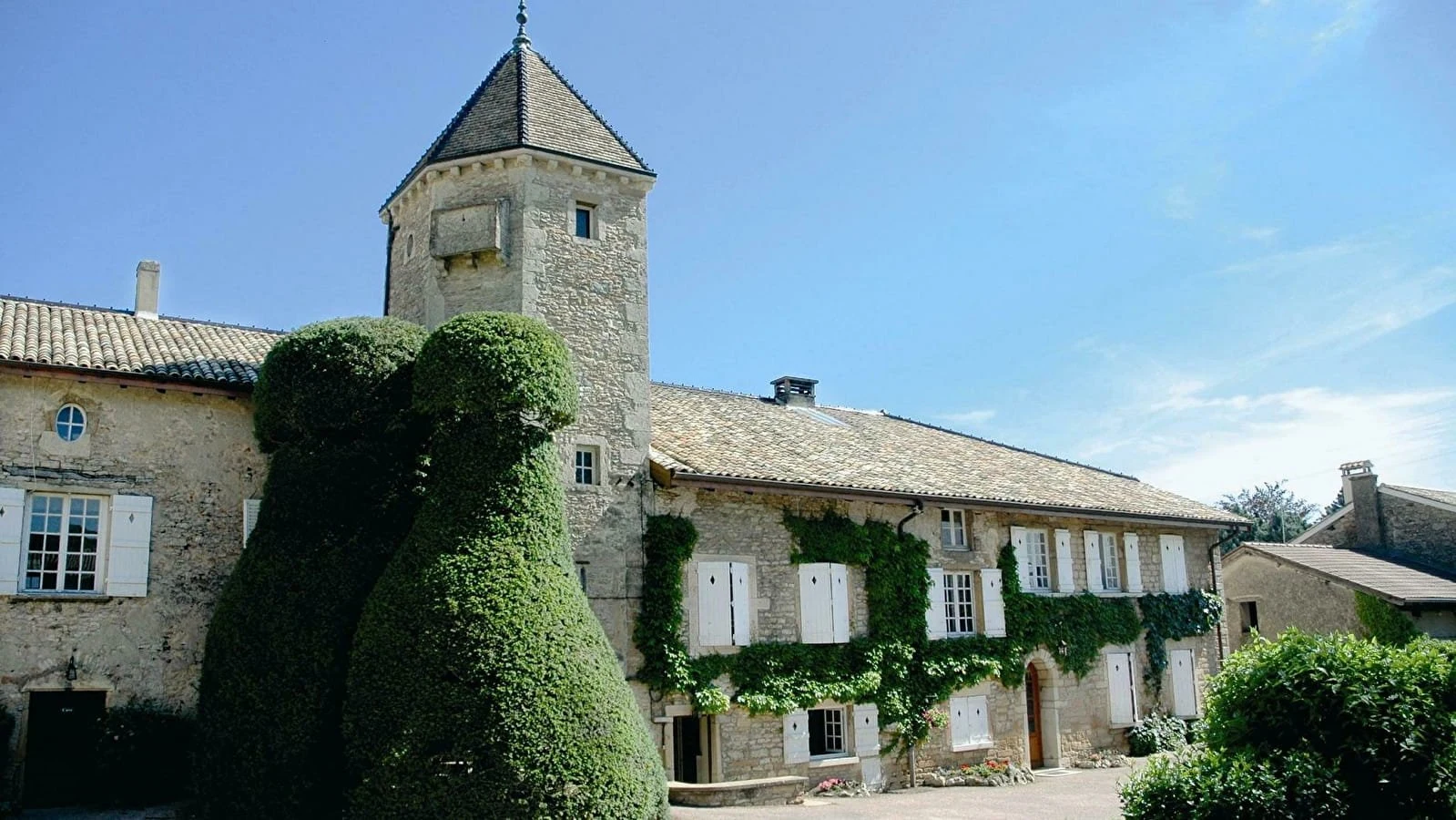
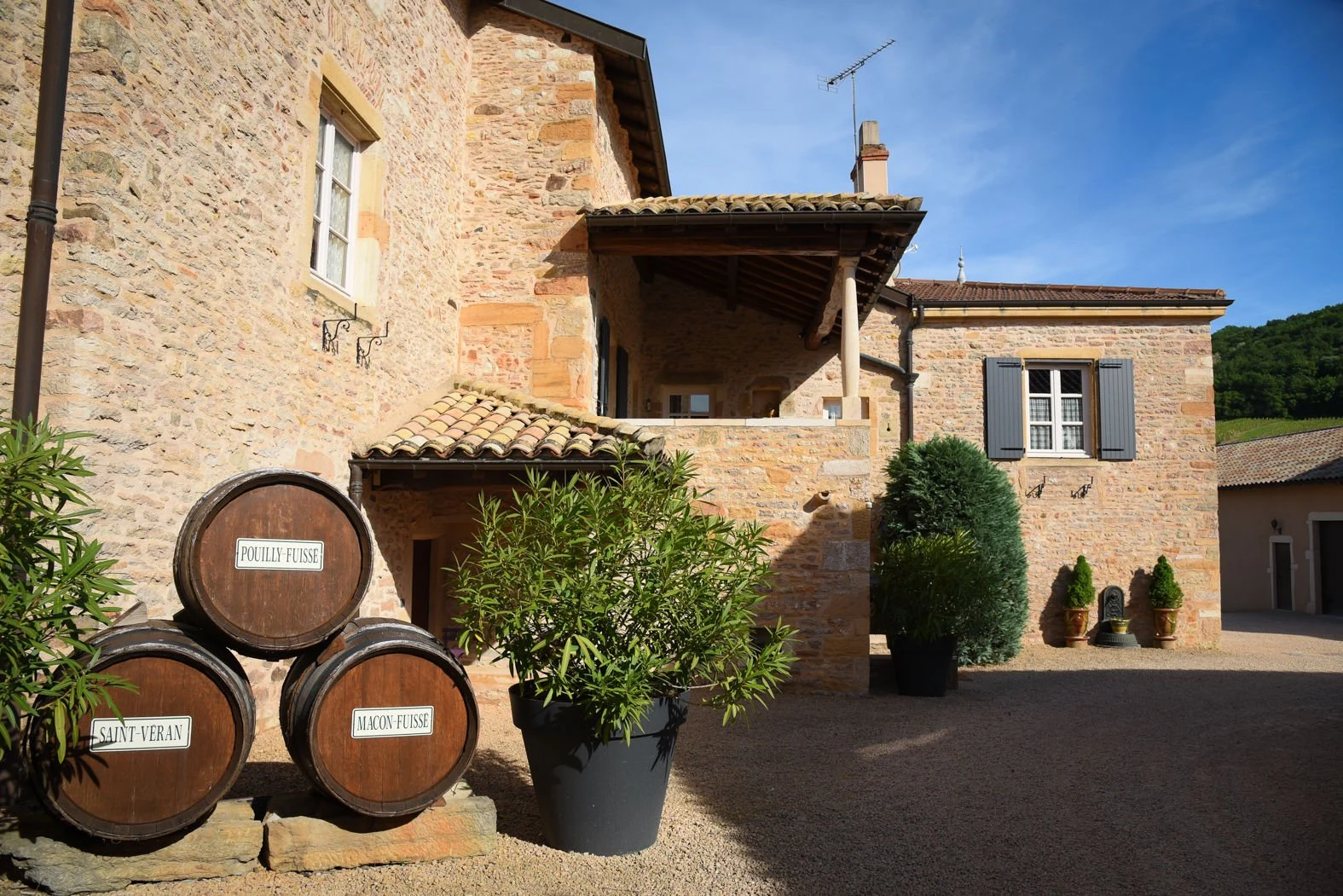
Approaching Château Vitallis means entering a quieter register of southern Burgundy: stone, vine rows, southeast-facing slopes, and a château whose origins reach back to the 13th century. In Fuissé, the appeal is not built around spectacle or a long list of promoted extras. The picture is a historic vineyard estate with old Chardonnay vines, a tranquil setting, and a traditional winemaking identity rooted in organic, sustainable farming. Its interest comes from the way those elements sit together, forming a place where the architecture, the slope, and the vines all feel like part of the same story.
That is the useful frame for Château Vitallis. The estate atmosphere centers on the château, the surrounding vines, and a classic southern Burgundy sense of place. Rather than relying on claims about specific services, bottle lists, awards, or tasting formats, the strongest confirmed details are the setting itself: Fuissé, old Chardonnay vines, southeast-facing slopes, and a historic estate character. For a visitor, that makes Château Vitallis easier to understand as a place-led stop than as an attraction defined by programming. The value lies in the calm continuity of the site and in the vineyard identity that surrounds it.
Old Chardonnay vines in Fuissé
Château Vitallis is best understood through its vineyard setting. The confirmed identity is anchored in old Chardonnay vines on southeast-facing slopes, with a calm, traditional estate atmosphere. For visitors interested in Burgundy, that combination gives the property its appeal: a historic château, vines with age, and a landscape shaped by Chardonnay. It is a simple set of facts, but in Burgundy those facts carry weight, because the relationship between grape, slope, exposure, and village is central to how places are read.
The estate’s history gives the visit weight without needing to overstate the public record. The château dates to the 13th century, and the setting remains closely tied to the surrounding vineyard landscape. That depth of origin helps frame the estate as part of a longer rural and viticultural environment, rather than as a newly constructed wine-tourism stop. The point is not to turn the history into a grand narrative, but to let it support the sense of rootedness already present in the place.
Viticulture is the point. Château Vitallis is associated with old Chardonnay vines and organic, sustainable farming. In practical terms, that positions the estate as one where the vineyard setting is central to the experience. The confirmed story is traditional and agricultural rather than heavily branded or performance-driven. The emphasis stays close to the land: vines, farming choices, and the steady southern Burgundy character of a property shaped by Chardonnay. For travelers, that means expectations should be grounded in the vineyard itself and in the atmosphere of a working historic estate.
A Fuissé estate visit built around place
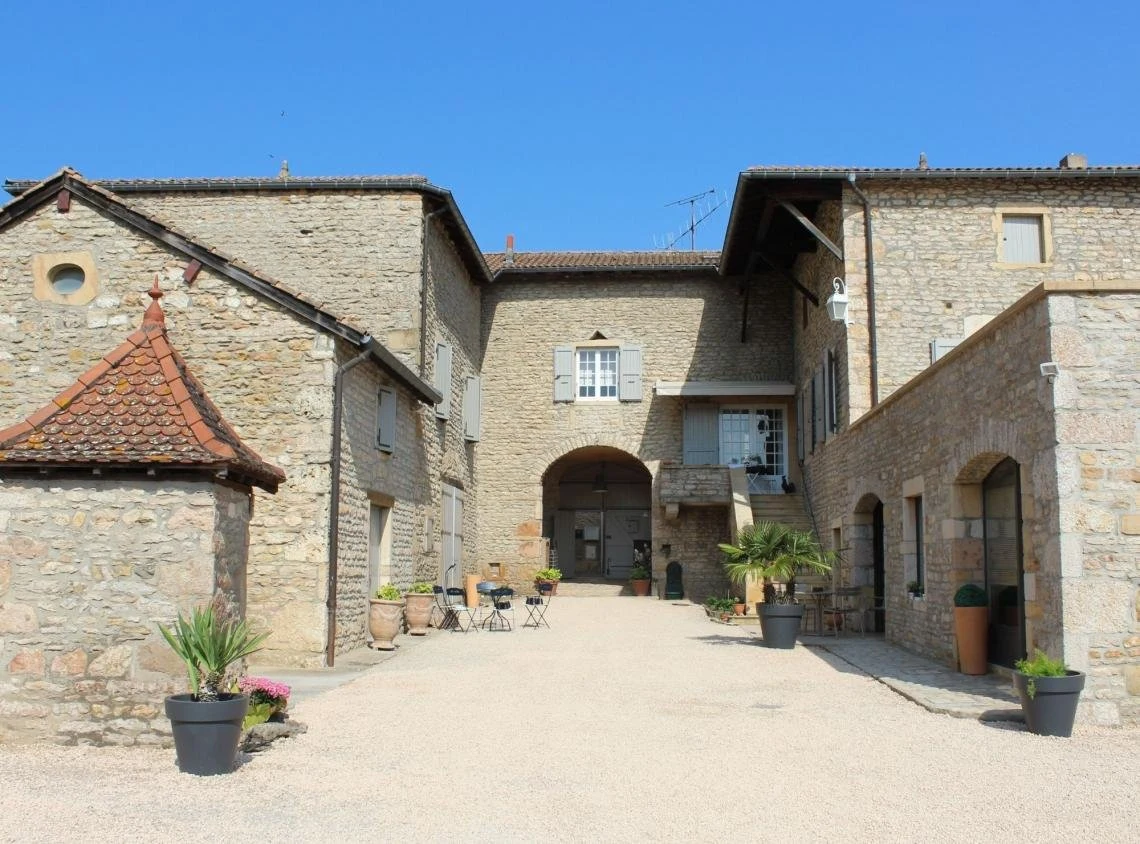
The appeal of Château Vitallis is the direct connection between château, vines, and the calm vineyard range of Fuissé. It is not a place that needs to be described through embellishment to be understood. Its strongest qualities are already clear: the historic building, the vineyard slopes, the old Chardonnay vines, and the quieter pace of a traditional estate environment.
The wine identity is centered on Chardonnay in a southern Burgundy estate context. Specific bottles, vintages, tasting menus, awards, and critical scores are not confirmed here, so they should not be treated as fixed features of the experience. What is grounded is the broader character: old Chardonnay vines, southeast-facing slopes, traditional winemaking, and organic, sustainable farming. That broader character is useful for planning because it sets the tone without promising details that may change or may not be publicly confirmed. Château Vitallis should be approached as a vineyard estate first, with any current releases or visit specifics checked directly with the property.
Recognition is not a basis for describing Château Vitallis here. Without confirmed award or rating details, the estate is better presented through its historic setting and vineyard character. That keeps expectations honest and leaves room for visitors to ask the estate directly about current releases, availability, and any recent distinctions. It also keeps the emphasis where the confirmed information is strongest: on Fuissé, the château, the old Chardonnay vines, the southeast-facing slopes, and the traditional farming and winemaking identity attached to the estate.
How to place Château Vitallis within a Fuissé wine day
Château Vitallis is a fit for travelers who want Fuissé in a classical key: a historic 13th-century château, old Chardonnay vines, southeast-facing slopes, and a tranquil vineyard feel. The setting favors people interested in place, farming, and traditional winemaking rather than those looking for a heavily produced attraction. It can work especially well as a slower, more contemplative point in a wine-focused day, where the aim is to understand the landscape and estate character rather than move quickly from one feature to another.
For wider planning around the area, use our full Fuissé wineries guide, then map meals, hotels, and evening options through our full Fuissé restaurants guide, our full Fuissé hotels guide, our full Fuissé bars guide, and our full Fuissé experiences guide. When comparing the area, keep Château Vitallis in focus as a historic Fuissé estate and use other dining or travel options in Fuissé generically to round out the day. The sensible approach is to let Château Vitallis play its natural role: a calm, place-driven vineyard estate within a broader Fuissé itinerary, defined by its château, Chardonnay vines, slopes, and traditional sense of southern Burgundy.
Questions
Frequently asked
How expensive is Château Vitallis?
Château Vitallis is listed at a price level of $$.
The field
How it compares
| Place | Notes |
|---|---|
| Château Vitallis | Fuissé, $$ |
| Château de Fuissé | Fuissé |
| Domaine J.-A. Ferret | Fuissé |
| Domaine Robert-Denogent | Fuissé |
| Domaine Roger Luquet | Fuissé |
| Domaine Thibert Père et Fils | Fuissé |
| Tenuta San Guido | Bolgheri |