- Falstaff Winery - Listed · 2026
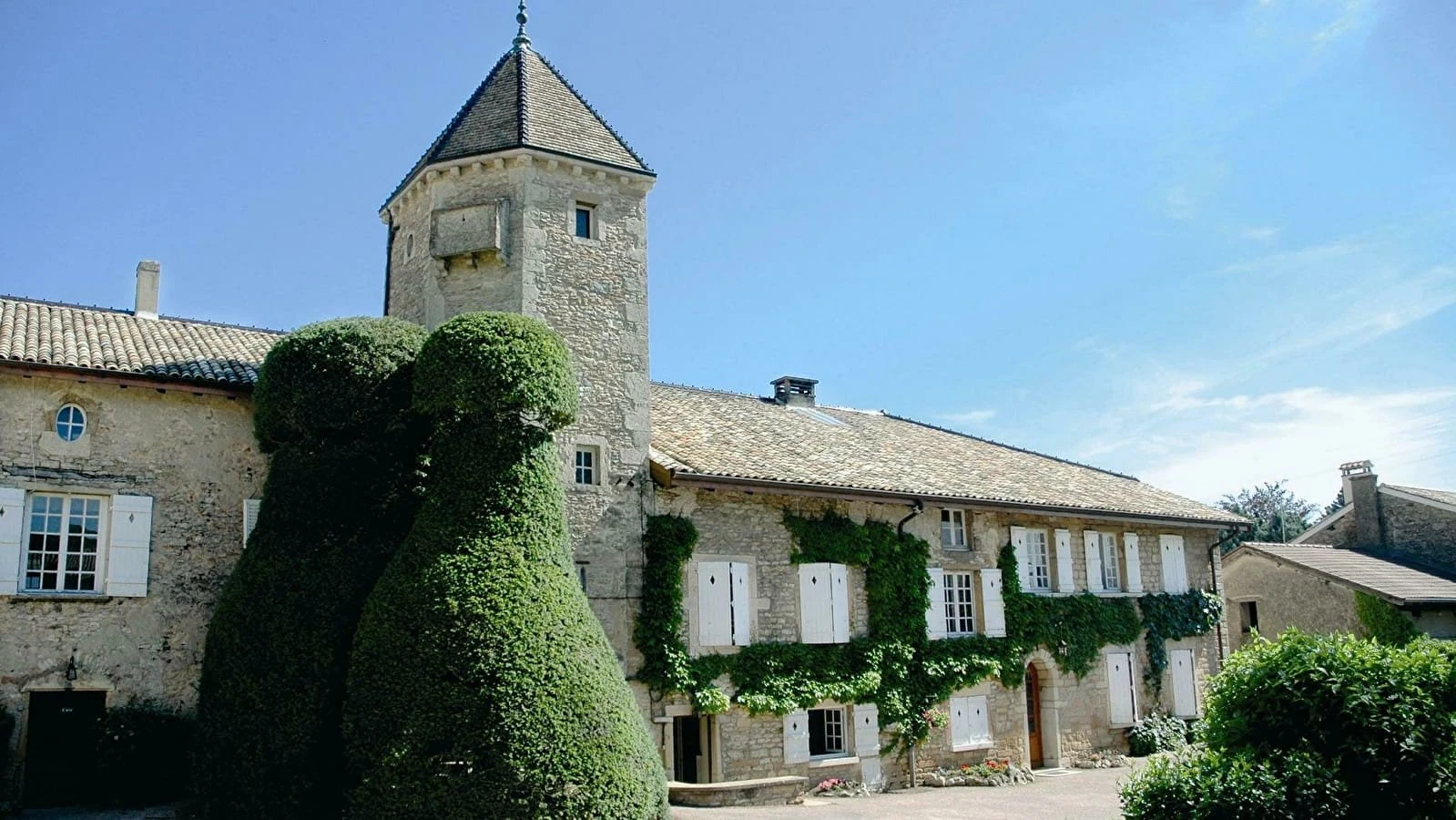
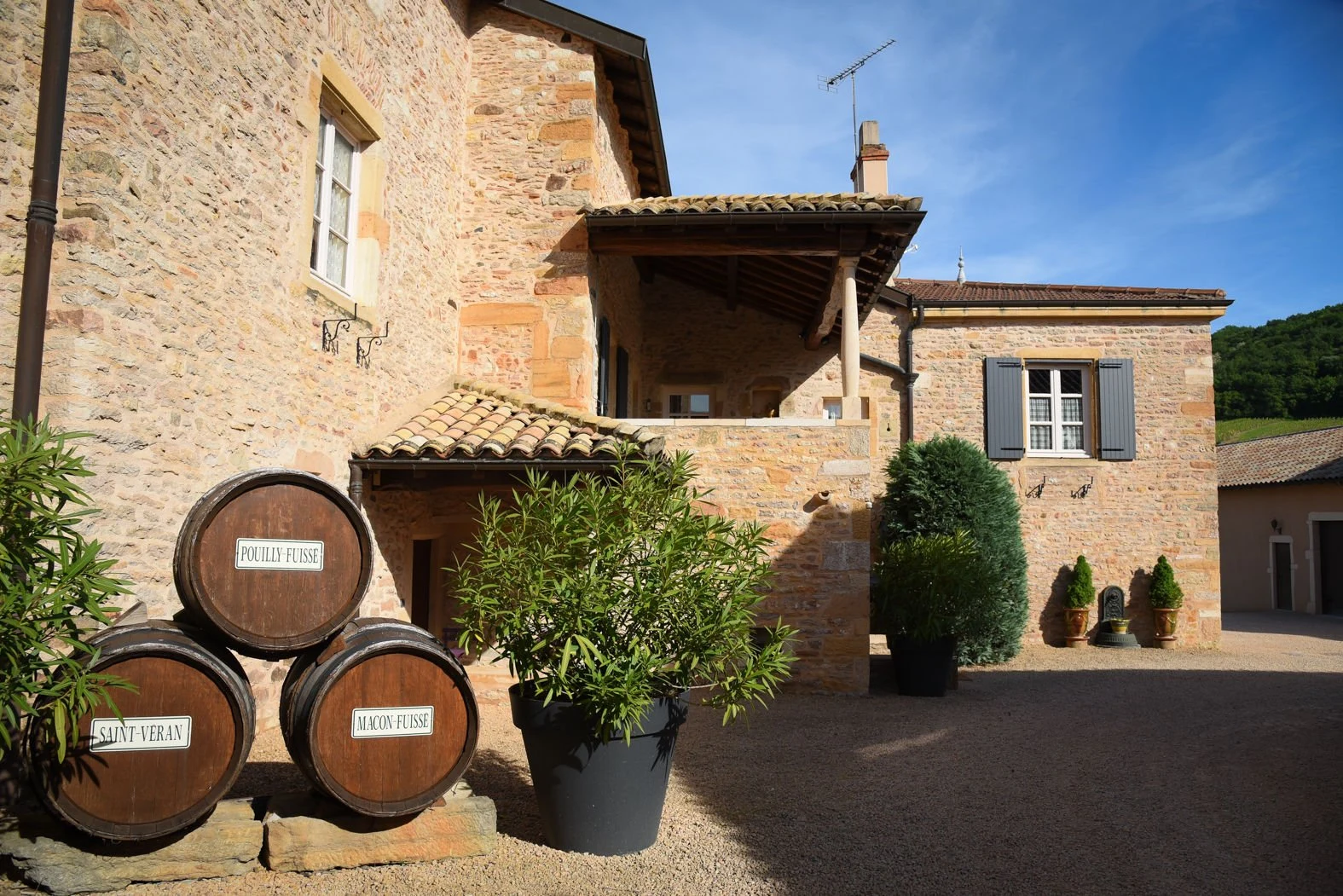
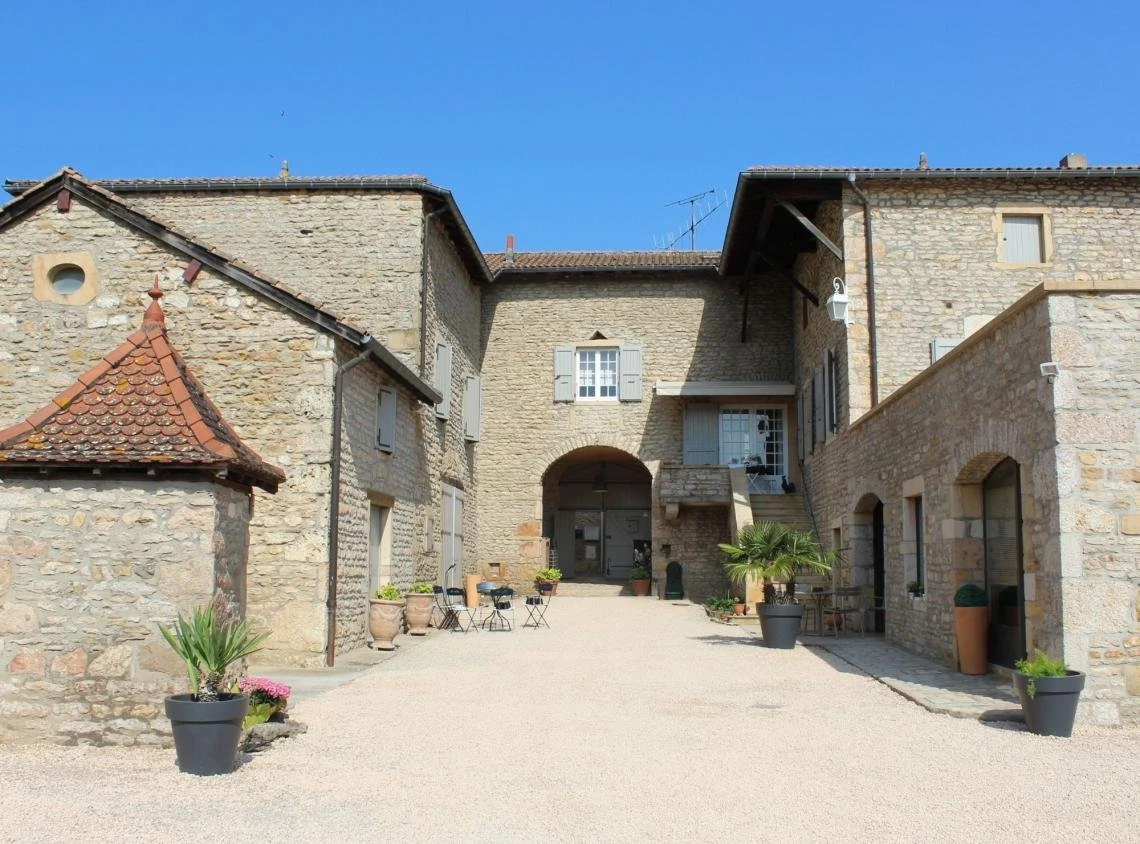
Fuissé does not need theatre to make its point. Domaine Robert-Denogent belongs to the village’s quieter register: a small family domaine in the Mâconnais with a working-farm feel, a rustic and calm atmosphere, and a focus on profound, naturally made Chardonnay. The experience is better understood as serious and contemplative than as a polished visitor-center stop, and that distinction is central to reading the place well. Its appeal lies in the sense of a domaine whose interest comes from the cellar, the pace of the work, and the quiet confidence of Chardonnay handled without unnecessary display.
The useful way to read this domaine is through patience and cellar work rather than hospitality gloss. The picture is of a family estate where Chardonnay and long élévage matter, and where the mood around the cellar is quiet, focused and unhurried. For travellers, that means expectations should be set around the character of the domaine rather than around a broad tourism offering. It is the kind of address to approach with a slower, more attentive frame of mind: less as an attraction to be consumed quickly, and more as a serious Mâconnais reference point whose value is bound up with restraint, texture and time.
Chardonnay in a serious Mâconnais register
Domaine Robert-Denogent is best framed as a Fuissé domaine devoted to naturally made Chardonnay. That phrase carries most of the editorial weight here, because it places the domaine in a specific register: not simply as another stop in wine country, but as a place where Chardonnay is treated as the center of gravity and where the method implied by long cellar work is part of the identity.
That restraint is important. The appeal is not a scripted spectacle, but the sense of a working place where the wine is treated with patience. In this context, “serious” should not be read as stiff or forbidding; it points instead to concentration, quietness and an absence of decorative excess. The rustic atmosphere and calm setting reinforce that impression, making the domaine feel more grounded than performative.
Within that frame, Domaine Robert-Denogent fits visitors who care about atmosphere and intention as much as labels and logistics. The tone is rustic, quiet and serious, with a working-farm feel that distinguishes it from more polished wine-tourism settings. For the right traveller, that lack of gloss is not a limitation but part of the reason to pay attention. It suggests a domaine whose personality is expressed through its materials, its cellar rhythm and its focus on Chardonnay rather than through a staged visitor experience.
A serious cellar mood, not a polished tourist center
The character of Domaine Robert-Denogent points toward a subdued, cellar-focused atmosphere rather than a broad leisure complex. What can be said is that the domaine’s identity is tied to long élévage, naturally made Chardonnay and a serious, contemplative mood. That combination gives the place a particular editorial clarity: it belongs to the quieter end of wine travel, where the main subject is the wine and the work behind it, not a list of add-ons.
That distinction matters in Fuissé. Domaine Robert-Denogent is not best sold as a checklist of amenities; it is better understood as a small family domaine with a working-farm feel. Travellers looking for a rustic, quiet wine-country stop may find that character more relevant than conventional hospitality polish. The useful expectation is not of a visitor center built around spectacle, but of an address whose atmosphere is modest, practical and inward-looking, shaped by the concerns of a functioning domaine.
No confirmed awards, critic scores or formal rankings are included in the information so the domaine should not be presented through accolades. Its editorial case rests instead on its confirmed identity: a Fuissé family domaine focused on profound, naturally made Chardonnay and long cellar work. That is a narrower claim, but a stronger and more accurate one. It keeps the emphasis where the available information supports it: on place, style, atmosphere and the patient seriousness implied by extended élevage.
How to place it within a Fuissé wine itinerary
Fuissé rewards a focused route rather than a rushed sweep. Domaine Robert-Denogent fits a day built around the village and its wider Mâconnais setting, especially for travellers interested in Chardonnay, quiet cellar atmospheres and small-domain character. Other dining, lodging and wine stops in Fuissé can be planned generically around the village without needing to overstate what is known about this domaine’s visitor format. In practice, it should sit in an itinerary as a thoughtful, wine-led point of interest rather than as the anchor for a highly programmed day.
For planning, keep the expectations simple: Domaine Robert-Denogent is in Fuissé, sits in the $$$ price band, and is defined by a small family-domaine profile, naturally made Chardonnay, long élévage and a rustic, serious feel. Details such as exact services, opening arrangements, tasting structure, production figures or named awards should be confirmed directly before building an itinerary around them. That caution is not a weakness; it is simply the right editorial discipline for a domaine whose confirmed appeal is more about character than published visitor infrastructure.
The editorial case for Domaine Robert-Denogent is direct: come to Fuissé for a quiet, serious expression of a family domaine in the Mâconnais, shaped by Chardonnay and patient cellar work rather than by a choreographed tourist-center performance. Read on those terms, it offers a clear kind of value: not spectacle, not over-explanation, but a calm and grounded sense of what a small, serious Chardonnay-focused domaine can represent in this part of Burgundy.
Questions
Frequently asked
Who works at Domaine Robert-Denogent?
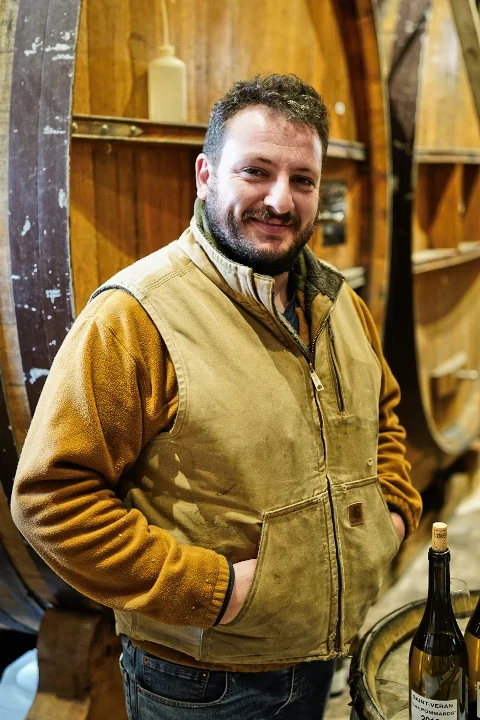
Made By profiles Antoine Robert (Winemaker and Vigneron) and Nicolas Robert (Winemaker and Vigneron) at Domaine Robert-Denogent.
How expensive is Domaine Robert-Denogent?
Domaine Robert-Denogent is listed at a price level of $$$.
The field
How it compares
| Place | Notes |
|---|---|
| Domaine Robert-Denogent | Fuissé, $$$ |
| Château de Fuissé | Fuissé |
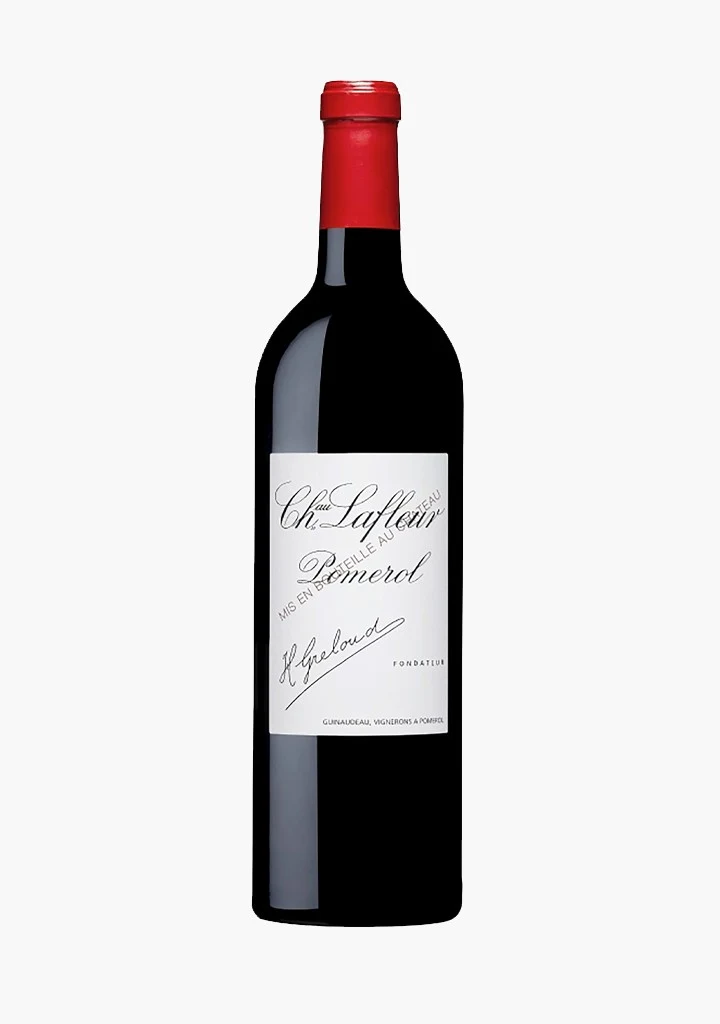
| Château Lafleur | Pomerol |
| Château Vitallis | Fuissé |
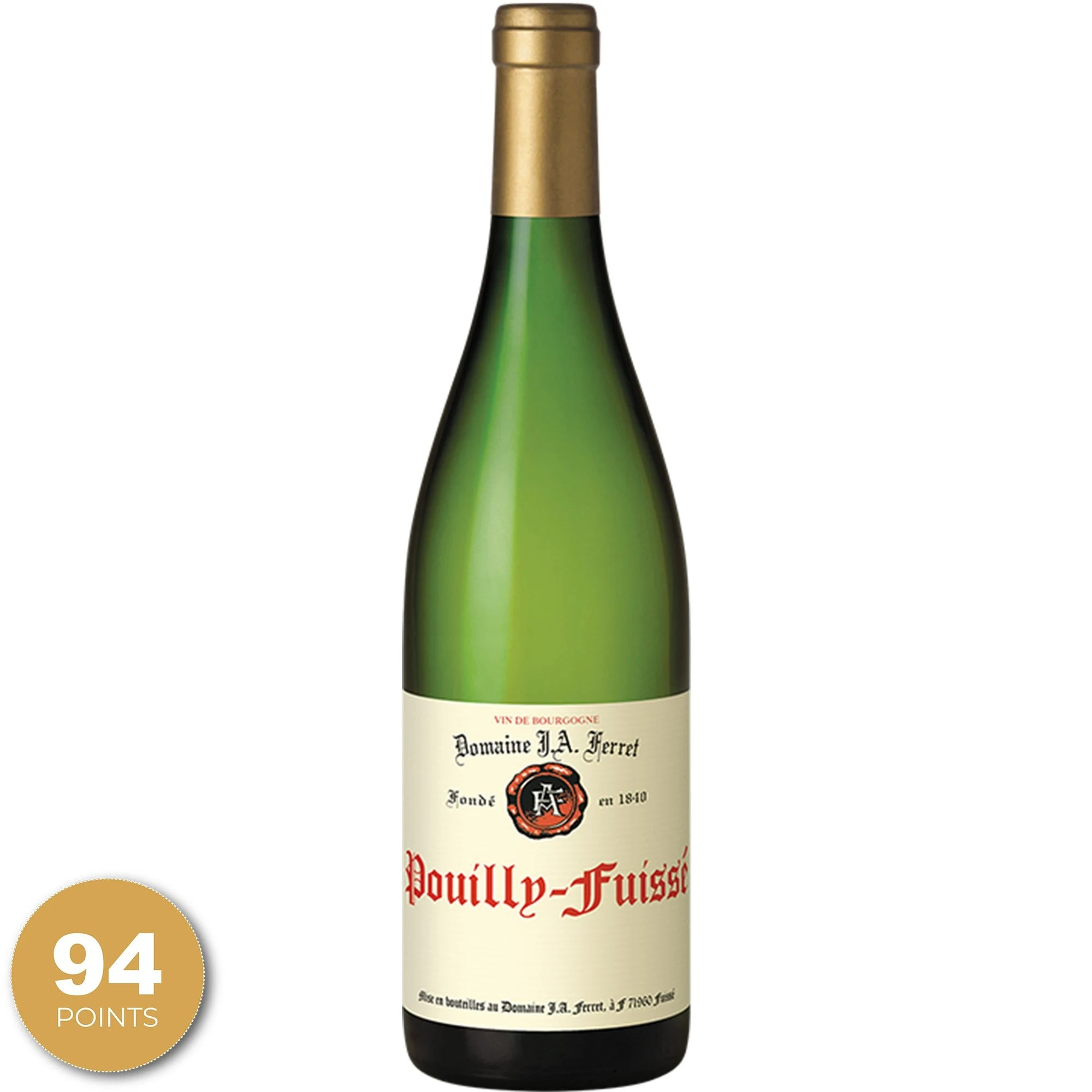
| Domaine J.-A. Ferret | Fuissé |
| Domaine Roger Luquet | Fuissé |
| Domaine Thibert Père et Fils | Fuissé |