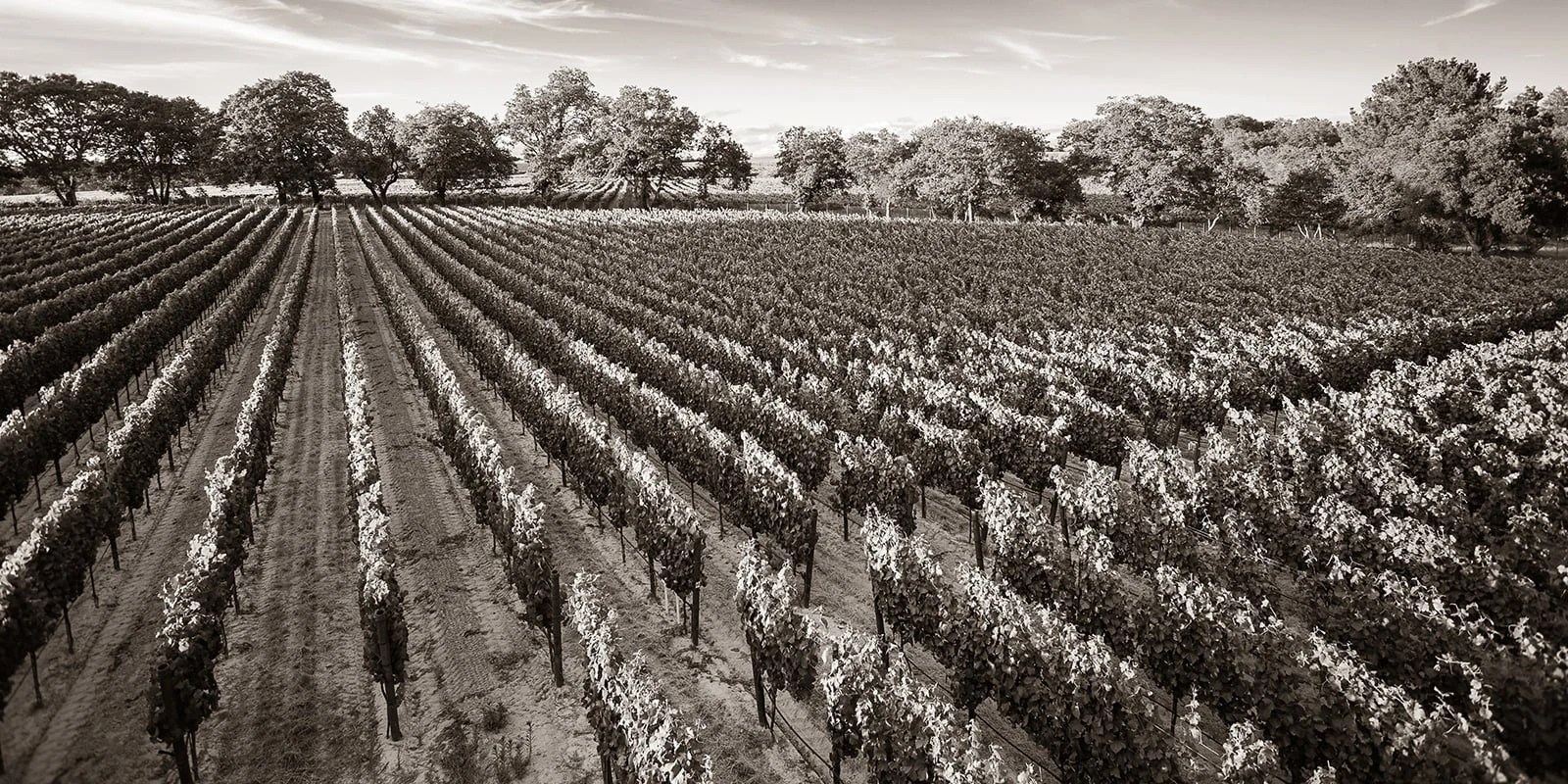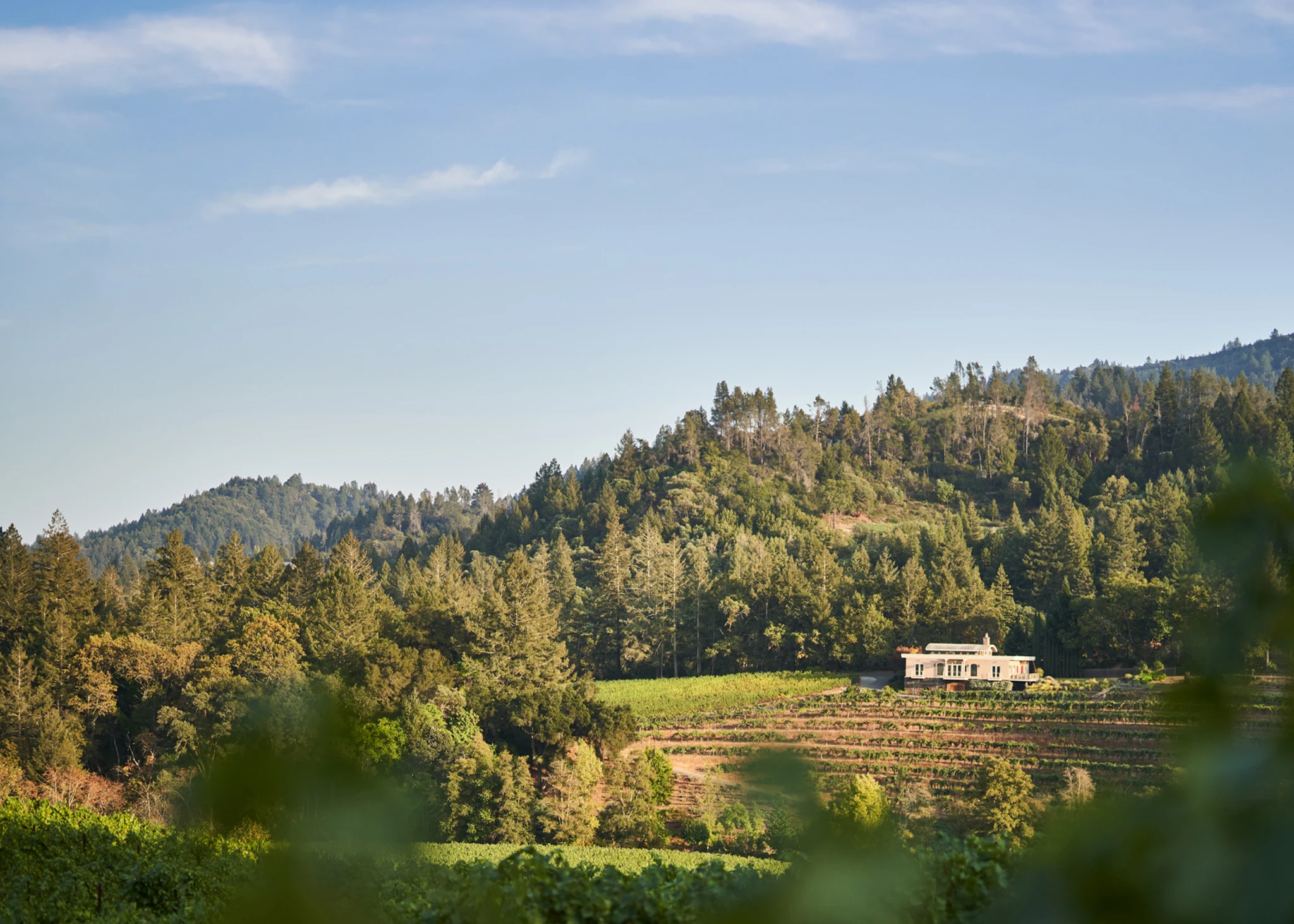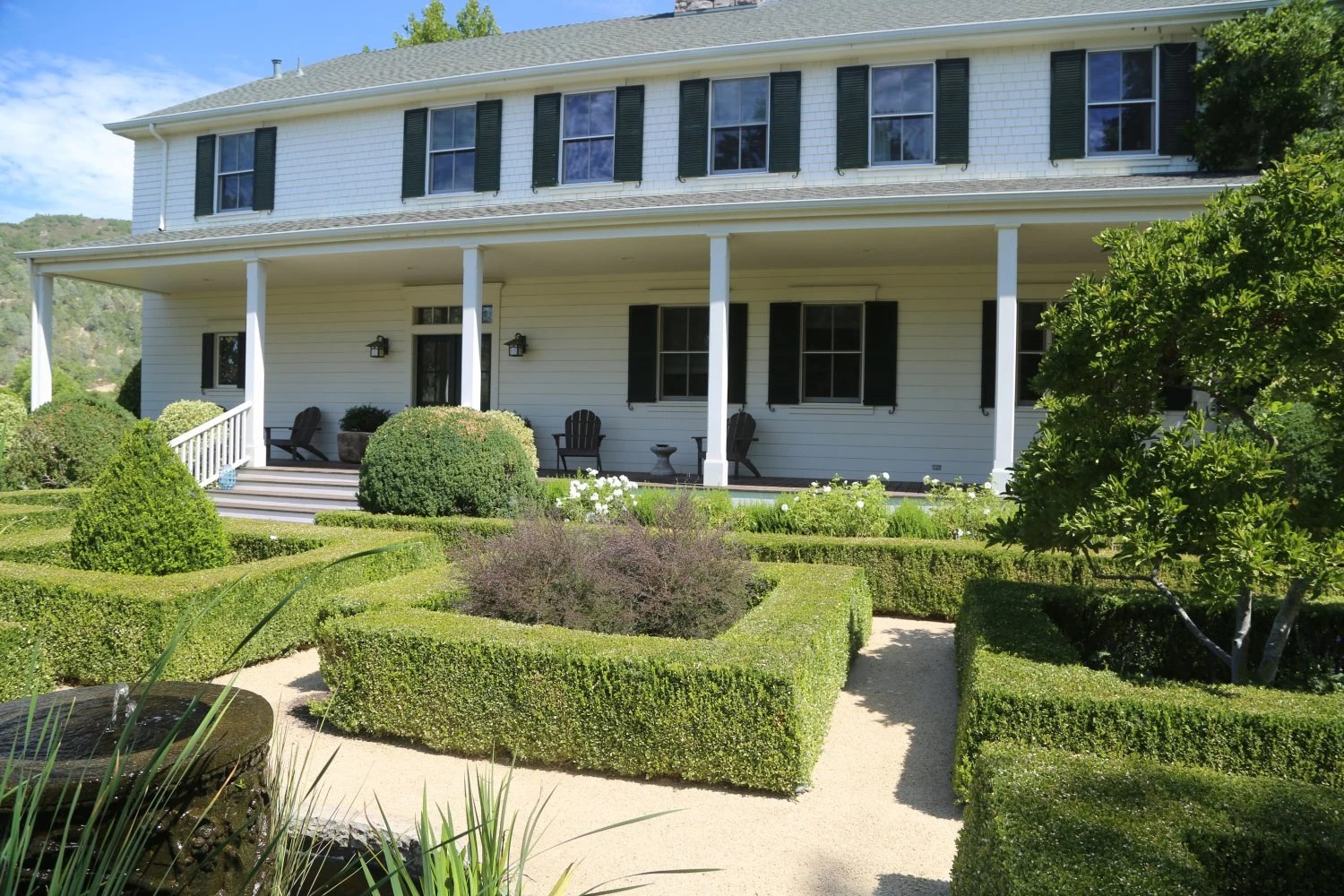
Chaix Wines operates within Calistoga's tightly held tier of prestige producers, earning a Pearl 2 Star Prestige rating in 2025. The label sits in the upper bracket of Napa Valley's allocation-driven winery scene, where viticulture philosophy and sourcing decisions carry more weight than volume. For visitors to California's northern wine country, it represents the kind of specialist producer worth tracking down.
<h2>Calistoga's Prestige Tier and Where Chaix Sits Inside It</h2><p>At the northern end of the Napa Valley, Calistoga occupies a different register from the tourist-heavy corridors of Yountville or St. Helena. The town's volcanic soils, cooler mountain air drawn down from the Palisades, and longer hang time produce wines that read differently from the valley floor: more structure, more grip, a cooling mineral thread that runs through even the warmest vintages. It is terrain that rewards producers willing to work with, rather than against, those conditions. The wineries that have built reputations here tend to do so quietly, through allocation lists and word-of-mouth rather than tasting-room volume.</p><p>Chaix Wines holds a Pearl 2 Star Prestige rating for 2025, a designation that places it in the upper bracket of California producer assessments. That credential reflects sourcing quality, winemaking restraint, and consistent output, positioning the label against peers like <a href="https://www.enprimeurclub.com/wineries/chateau-montelena-winery">Chateau Montelena Winery</a> and <a href="https://www.enprimeurclub.com/wineries/larkmead-vineyards-calistoga-winery">Larkmead Vineyards</a>, two of Calistoga's most closely watched addresses.</p><h2>The Viticulture Context: What Responsible Farming Means at This Latitude</h2><p>California's premium wine regions have been navigating a significant shift in how producers approach their vineyards. The industry-wide move toward organic and regenerative farming practices accelerated through the 2010s and has become a baseline expectation among serious collectors rather than a niche selling point. In Napa specifically, the conversation has moved beyond certification to encompass water management, soil biology, and canopy strategies calibrated to warming growing seasons.</p><p>Calistoga's particular geology makes it an instructive case. The volcanic ash and alluvial fans deposited by ancient eruptions create soils with exceptional drainage, which reduces the need for aggressive intervention in wet years and forces vines into deeper root systems during dry ones. Producers farming with lower chemical inputs can lean into that natural resilience. The result, at its finest, is wine that reflects site rather than the winery's hand, an outcome that increasingly defines what the prestige tier in this appellation looks like.</p><p>For a label earning recognition at the level Chaix Wines carries, viticulture decisions upstream of the winery are as consequential as anything that happens in the cellar. Producers at this level in Calistoga are being assessed against a comparable set that includes <a href="https://www.enprimeurclub.com/wineries/frank-family-vineyards-calistoga-winery">Frank Family Vineyards</a> and, further south in the valley, <a href="https://www.enprimeurclub.com/wineries/newton-vineyard">Newton Vineyard</a>, whose commitment to minimal-intervention farming has shaped how the category is understood.</p><h2>How Chaix Compares Within California's Allocation-Driven Producer Class</h2><p>The structure of California's premium wine market has bifurcated sharply over the past decade. On one side sit large-production labels with wide retail distribution and tasting-room accessibility. On the other sits a smaller, harder-to-enter tier of producers whose wines move through mailing lists, allocations, and relationships with a fixed number of buyers. Chaix Wines operates in the latter category, which changes both how you access the wines and what the experience of engaging with the label looks like.</p><p>Allocation-model producers in Napa tend to attract a buyer profile willing to wait for wines and to engage with the label over time rather than transactionally. That model also exerts a different discipline on the winemaking: when your market is your allocation list rather than a retail shelf, the incentive to produce wines built for longevity over immediate approachability is stronger. The comparison set here includes producers like <a href="https://www.enprimeurclub.com/wineries/aubert-wines">Aubert Wines</a>, whose single-vineyard Chardonnay and Pinot Noir programs operate on a similar list-driven structure, and <a href="https://www.enprimeurclub.com/wineries/accendo-cellars">Accendo Cellars in St. Helena</a>, which has built its reputation on the same principle of controlled scarcity and site-specific sourcing.</p><p>Beyond Napa, the allocation model has parallels across the West Coast. <a href="https://www.enprimeurclub.com/wineries/adelsheim-vineyard-newberg-winery">Adelsheim Vineyard in Newberg</a> and <a href="https://www.enprimeurclub.com/wineries/alexander-valley-vineyards-geyserville-winery">Alexander Valley Vineyards in Geyserville</a> represent the same discipline applied to different varietals and terroirs, while further south, <a href="https://www.enprimeurclub.com/wineries/adelaida-vineyards">Adelaida Vineyards in Paso Robles</a> and <a href="https://www.enprimeurclub.com/wineries/alban-vineyards">Alban Vineyards in Arroyo Grande</a> show how the small-production, terroir-forward ethos translates outside Napa's gravitational pull. Chaix Wines belongs to this broader class even if its address is specifically Calistogan.</p><h2>The Wines: What the 2 Star Prestige Rating Implies About the Glass</h2><p> The Pearl 2 Star Prestige 2025 rating confirms that Chaix Wines has been assessed against a formal rubric and met the threshold for recognition at the upper tier. In EP Club's framework, that placement carries weight precisely because it is not awarded on reputation alone.</p><p>California's prestige-tier Cabernet Sauvignon producers dominate the conversation in Napa, but Calistoga has also produced serious Zinfandel and Petite Sirah, varietals that thrive in the appellation's heat and are capable of producing wines with considerable structure and age-worthiness. Producers earning prestige-level recognition in this appellation are typically working with Cabernet-dominant blends or single-vineyard programs, though the specifics for Chaix Wines would need to be confirmed directly with the producer. For comparative context, labels like <a href="https://www.enprimeurclub.com/wineries/alpha-omega-winery-rutherford-winery">Alpha Omega Winery in Rutherford</a> and <a href="https://www.enprimeurclub.com/wineries/andrew-murray-vineyards">Andrew Murray Vineyards in Los Olivos</a> illustrate how producers at this prestige level approach varietal selection and site expression differently depending on their appellation's signature.</p><h2>Planning Your Visit: What to Know Before You Go</h2><p> The access model is appointment-only, in keeping with the way many producers at this level manage visitor experience and wine supply carefully. Arriving in Calistoga without an appointment at any prestige-tier winery is a risk; the town's better addresses book ahead, sometimes weeks in advance for weekend slots.</p><p>Calistoga itself is a 90-minute drive north of San Francisco, sitting at the top of the Silverado Trail, one of Napa's two main north-south corridors. The town has a distinctly different pace from the valley's southern end: fewer tour buses, more working ranch character, and a thermal spa culture that predates the wine boom. Visitors treating it as a day trip from Napa town underutilise it; an overnight stay gives you morning access before tasting rooms open and evening time in the town itself.</p><p> Prestige-tier producers at this level often shift tasting formats seasonally, and what is offered in spring may differ from autumn programming. Two international comparisons for how different wine cultures approach the prestige visitor experience: <a href="https://www.enprimeurclub.com/wineries/aberlour-aberlour-winery">Aberlour in Aberlour</a> and <a href="https://www.enprimeurclub.com/wineries/achaia-clauss-patras-winery">Achaia Clauss in Patras</a> both demonstrate how established producers manage heritage-level recognition while keeping visitor access structured and meaningful. The principle translates across categories: at the top of any producer tier, access is managed deliberately, and advance preparation is the difference between a meaningful tasting and a closed gate.</p>
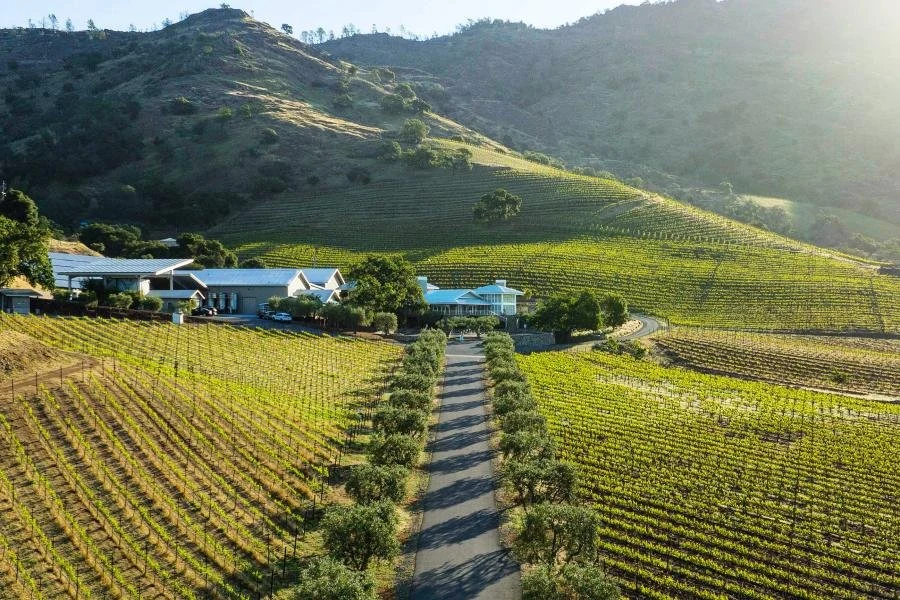
Chaix Wines operates within Calistoga, the northernmost town in Napa Valley, where the atmosphere skews toward serious producer tastings rather than the high-volume tourism corridors further south. The setting aligns with the allocation-driven tier of California wine, where visits tend to be smaller in scale and more focused on the wines themselves. EP Club's Pearl 2 Star Prestige designation for 2025 reflects that positioning.
Chaix Wines has received recognition including: Pearl 2 Star Prestige (2025).
Specific varietal data and tasting notes are not confirmed in public sources, so recommendations for individual bottles aren't something we can verify.What the Pearl 2 Star Prestige rating does confirm is that Chaix sits in a quality tier that warrants serious attention across whatever the current release portfolio includes.Contact Chaix directly for current availability.
The Pearl 2 Star Prestige rating awarded by EP Club in 2025 is the clearest quantifiable marker here, placing Chaix among a select group of California producers recognised at prestige tier. That credential matters in Calistoga's context, where the northern Napa producer class tends to work at smaller scale and higher concentration than the wider valley average.
Producers operating at the Pearl 2 Star Prestige level in Calistoga typically require appointments rather than accepting walk-ins, but that should be verified directly with Chaix before planning a visit.