Long lees ageing, light dosage
- Falstaff Winery - Listed · 2026
Lees before release
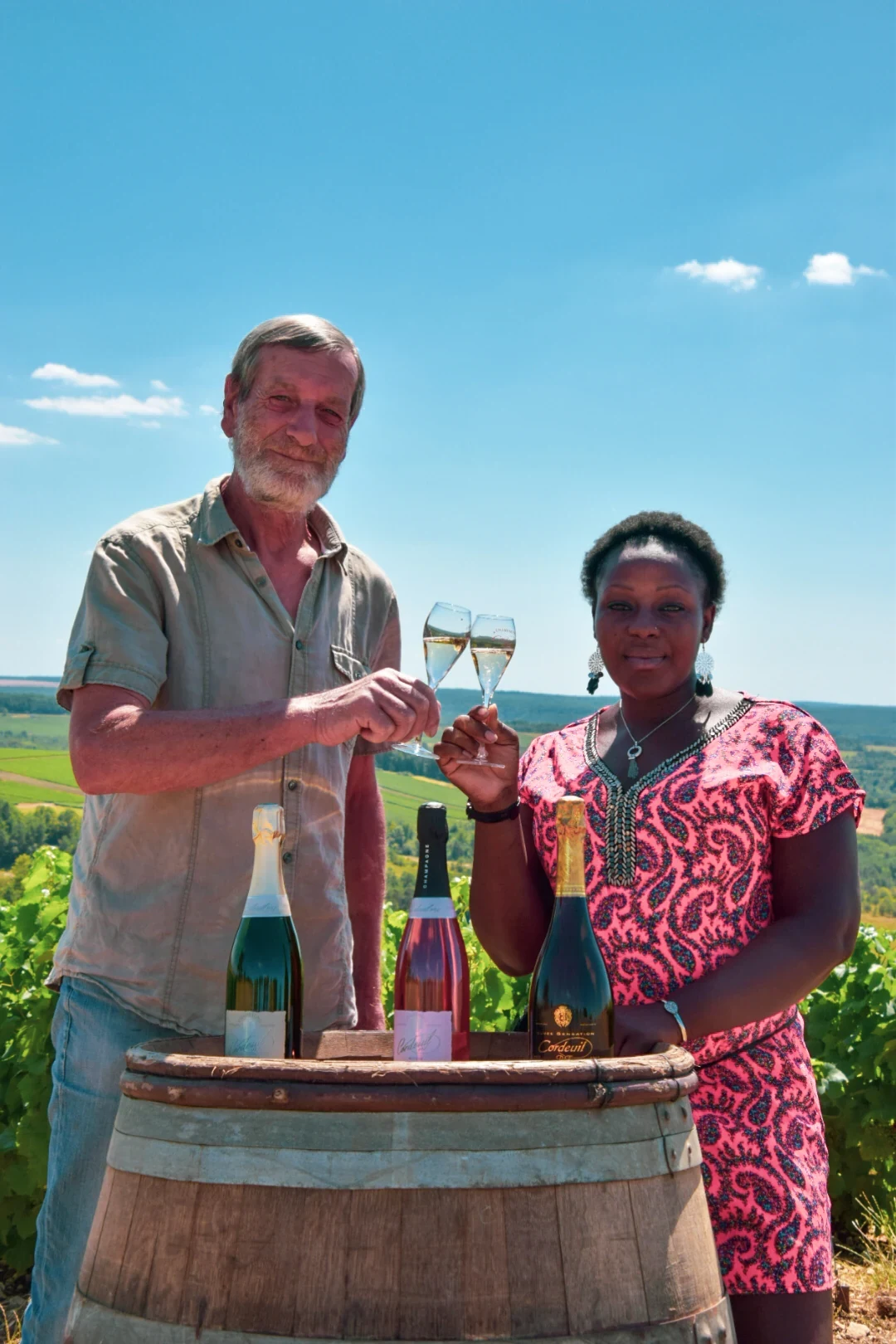
Lees do the slow work before Erlande Cordeuil and Gilbert Cordeuil, winemakers at Champagne Cordeuil Père et Fille in Noe Les Mallets, decide a bottle is ready. The house style gives time a practical job: long cellar ageing, light dosage, and fruit from organic vines in the Côte des Bar. Gilbert works the estate with the long memory of a grower family. His parents planted Pinot Noir in the 1950s, the family began bottling its own Champagne in 1971, and Gilbert took over the domaine in 1973. Erlande now works beside him in the father-and-daughter structure named on the label. She has described that exchange plainly: “I am living a permanent apprenticeship with my father.” The line matters because the apprenticeship is not ornamental here. It sits in the choice to farm organically, to hold wines on lees, and to let Pinot Noir from the Aube carry structure without asking dosage to supply weight.
A small estate held in time
The estate is worked organically across Noé-les-Mallets, Fontette and Ville-sur-Arce, on Kimmeridgian clay-limestone soils. The house scale stays small, with production described at fewer than 40,000 bottles annually, and that scale suits a cellar program built around patience rather than release speed. Across the range, Cordeuil champagnes see extended ageing of 6 to 15 years, depending on the cuvée. The Extra-Brut gives the method in figures: 85% Pinot Noir and 15% Chardonnay, drawn from 2005/2006 fruit, aged on the lees for at least 7 years, and finished with 4 grams per liter dosage. Sensation takes another route through the same discipline. No malolactic fermentation preserves acidity and vivacity; extended ageing brings texture, aromatic persistence and a saline finish. Pinot Noir gives density, Chardonnay gives lift, and the cellar decides how far maturity can go before freshness gives way.
The cellar under the village
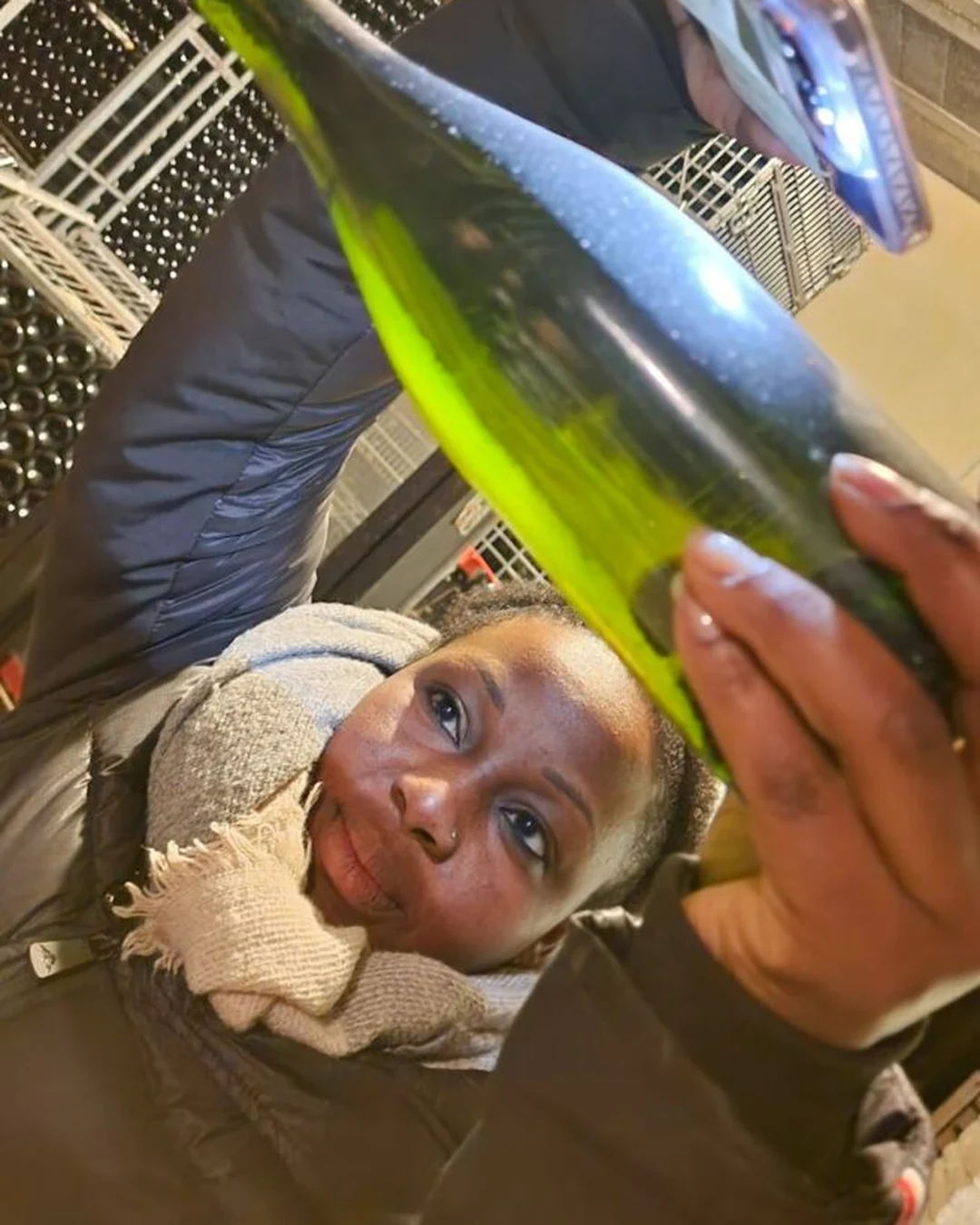
The cellar here is not arranged for spectacle. It reads as a grower’s working space in the Côte des Bar: quiet, close to the vineyard, and shaped by bottles resting longer than most visitors expect. Tastings happen near the method rather than apart from it, with the underground cellars carrying the house’s central argument. Time is not a decoration in the story. It is the tool that rounds the wines, lowers the need for sweetness, and lets the organic fruit keep its line. In the tasting room, the register follows the bottles: Pinot Noir-led Champagne, mature texture, measured dosage, and a family conversation that still has work to do after each disgorgement.
A father and daughter range
The range keeps the family’s work legible. Brut Tradition holds the house base, Millésime 2015 Bio gives a vintage reading, Sensation sets brightness against maturity, and Brut Rosé carries fruit in balance. Recognition has come in the same plain register, including a Mani Viti honor in 2024, a triple Gold Medal at the Singapore Awards in 2021, and Guide Hachette 3 stars for Cordeuil champagnes. The bottle that shows the cellar’s patience is Sensation.
Questions
Frequently asked
Who makes Champagne Cordeuil Père et Fille?
Erlande Cordeuil and Gilbert Cordeuil make the Champagne at Champagne Cordeuil Père et Fille in Noé-les-Mallets.
What style of Champagne does the estate produce?
The house works with organic fruit from the Côte des Bar, long cellar ageing and light dosage, with Pinot Noir at the centre of the style.
What is the estate known for in the cellar?
Champagne Cordeuil Père et Fille is known for keeping wines on the lees for extended periods, with ageing of six to fifteen years depending on the cuvée.
Does the domaine accept visits by appointment?
Visits are by appointment only.
Has the house received any recognition?
Recognition includes a Mani Viti honour in 2024, a triple Gold Medal at the Singapore Awards in 2021, and three stars in Guide Hachette for Cordeuil champagnes.
The field
How it compares
| Place | Notes | Awards |
|---|---|---|
| Champagne Cordeuil Père et Fille | Noé-les-Mallets, $$$ | · |
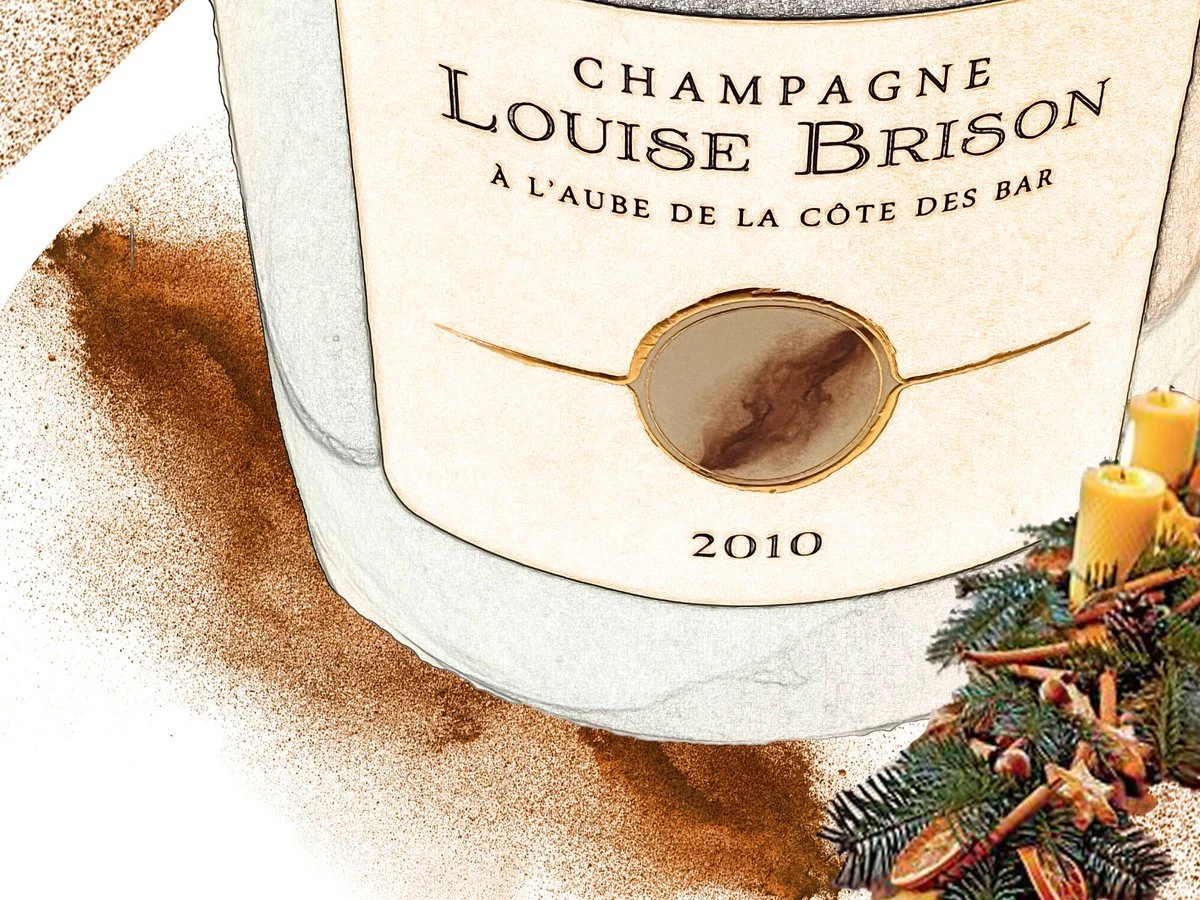
| Champagne Louise Brison | Noe Les Mallets | · |
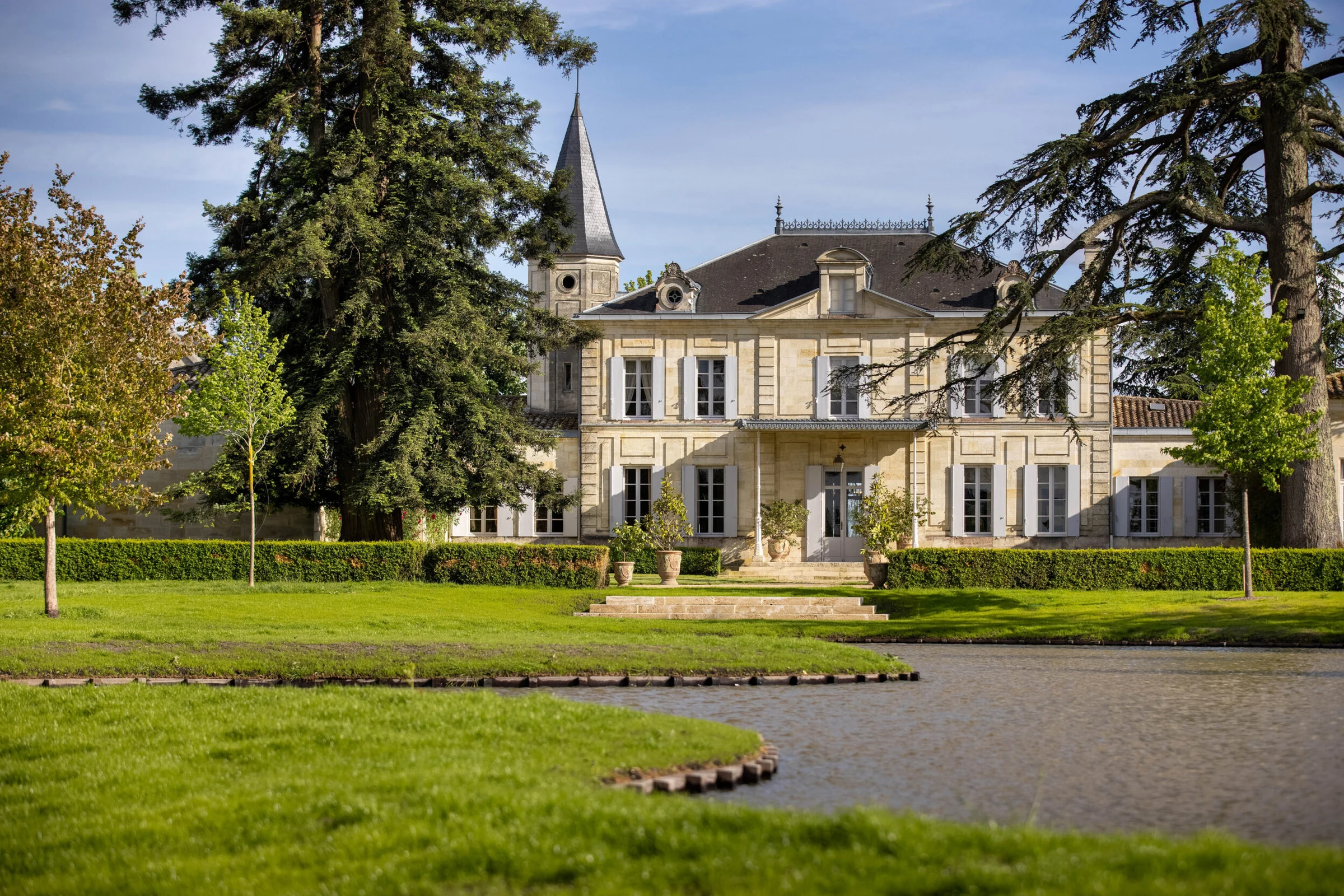
| Château Cheval Blanc | Saint-Émilion | · |
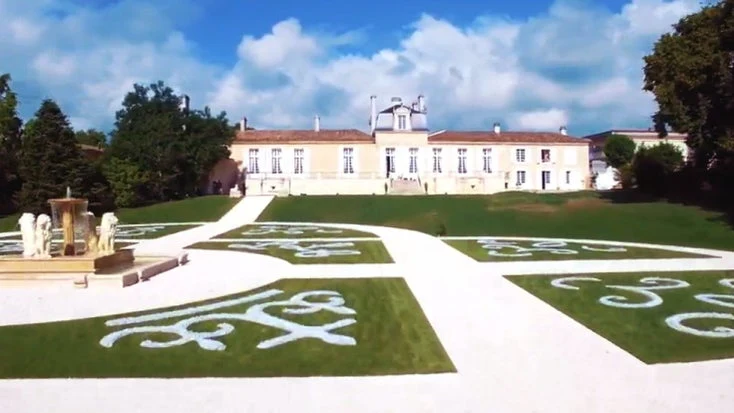
| Chateau Leoville Las Cases | Saint-Julien-Beychevelle | · |
| Château Montrose | Saint-Estèphe | · |
| Kumeu River Wines | Kumeu | World's 50 Best |
| Quinta do Crasto | Sabrosa | World's 50 Best |