- Falstaff Winery - Listed · 2026
Vertus gives Champagne a quieter register: vineyard scenery and grower estates where the conversation begins close to the vines. Champagne Doyard fits that calm Côte des Blancs atmosphere: a family-run grower Champagne estate with a quietly elegant, traditional feel. Its visits are best understood as cellar- and vineyard-focused rather than built around flashy design or the kind of staged grandeur that can dominate more theatrical Champagne addresses. The tone is quieter, more local, and more connected to the landscape around Vertus.
The more useful way to read this address is through place and pace rather than luxury signals. For travelers seeking a hidden-gem Champagne stop in Vertus, the appeal is the estate’s authentic mood: classic, scenic, and restrained, with the focus kept on the cellar, the vineyards, and the family-run character of the estate. It is the sort of stop where the setting does much of the work, because the pleasure comes from understanding Champagne in a more grounded way, close to the land that gives the visit its shape.
Vineyards and the grower logic of Vertus
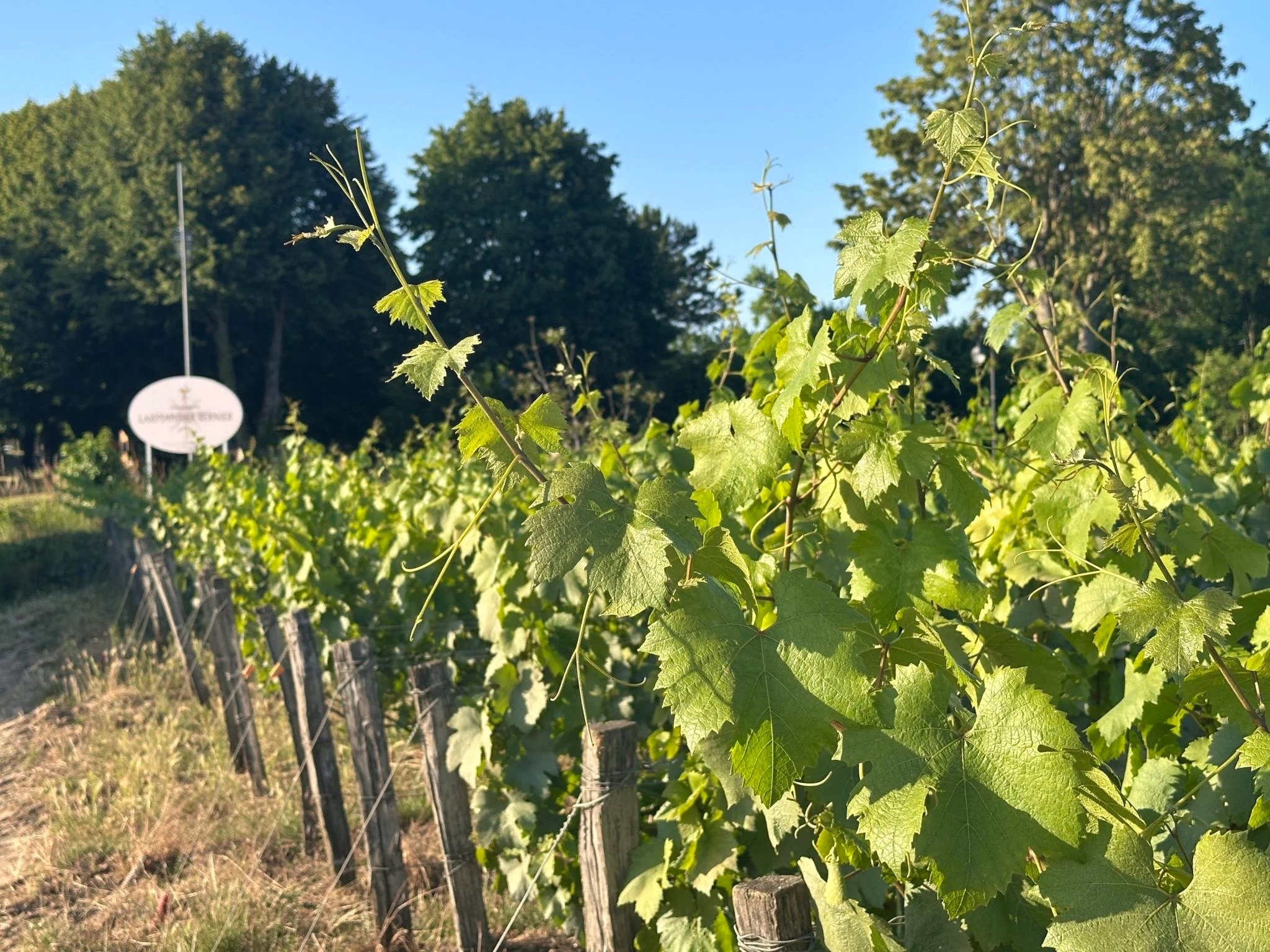
Champagne tourism often divides between large-house spectacle and smaller estates where the vineyard is the main explanation. Champagne Doyard belongs to the second kind of experience. The picture is not one of theatrical hospitality or high-design staging, but of a traditional grower estate in Vertus where the visit is grounded in the land and cellar. That makes the estate easier to appreciate when approached with the right expectations: less as a grand performance, more as a direct encounter with a family-run Champagne address in its own village context.
What can be said with confidence is that Champagne Doyard is a family-run grower Champagne estate in Vertus with a classic, elegant, and scenic atmosphere. Those qualities are not incidental details; they are the main reason to come. The estate’s identity is tied to a calmer reading of Champagne, one where vineyards, cellar, and family continuity feel more important than spectacle. In that sense, its elegance is quiet rather than demonstrative, and its appeal depends on understatement.
For visitors, that distinction matters. Instead of approaching Champagne Doyard as a broad entertainment venue, it is better framed as a quiet Côte des Blancs stop for people who want a calm, authentic estate visit centered on cellar and vineyard context. The reward is not a long list of diversions, but the coherence of the experience: a place where the Champagne visit remains focused, scenic, and close to the grower logic of Vertus.
A cellar-led visit rather than Champagne theatre
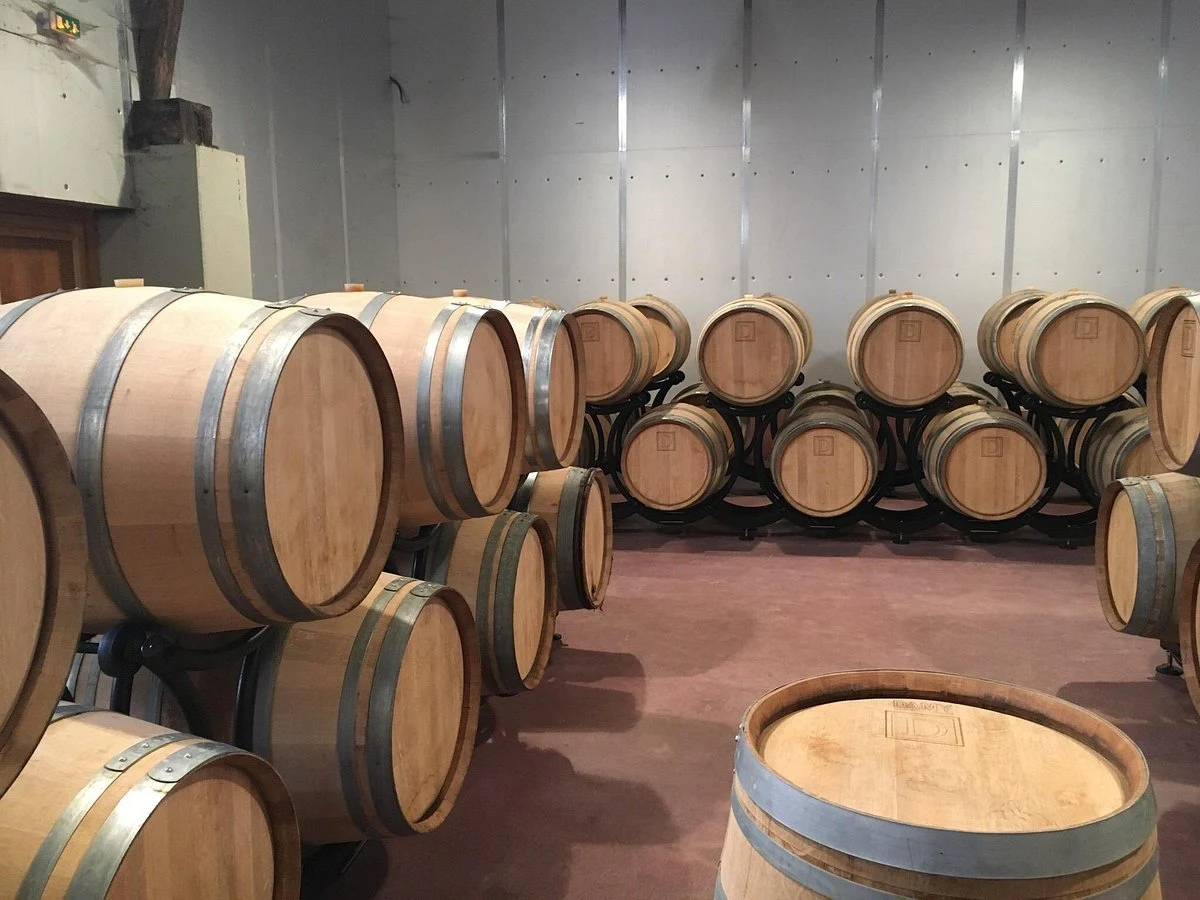
The setting is traditional and restrained. Champagne Doyard is well suited to travelers who value the feeling of a family-run grower estate over a showpiece tasting room. The emphasis is on the cellar and vineyards, which gives the experience a focused, low-key rhythm. That rhythm is important: the estate is best enjoyed without expecting elaborate hospitality theatre, because its character sits in the steadier pleasures of place, craft, and atmosphere.
That makes the estate especially appealing to visitors who want Champagne explained through place rather than branding. The character is classic and elegant, with a hidden-gem quality that fits the quieter side of Vertus. It is not trying to be everything at once. Instead, it offers a more concentrated version of Champagne tourism, where the estate’s family-run nature and its vineyard surroundings provide the frame for the visit.
Treat Champagne Doyard primarily as a Champagne estate visit, not as a dining destination. That simple framing helps set the tone correctly. Come for the cellar-led perspective, the vineyard context, and the restrained atmosphere of a grower estate in Vertus, rather than for a broader food-focused outing or a highly produced hospitality experience.
How to place it within a Vertus wine itinerary
Vertus rewards travelers who slow the pace. A visit to Champagne Doyard works well as part of a calm Côte des Blancs day, with time left for the cellar- and vineyard-focused nature of the estate rather than rushing it between multiple stops. The estate’s appeal is subtle enough that it benefits from a little breathing room: a schedule that allows the scenery, the cellar context, and the traditional mood to register properly.
For a broader Vertus plan, keep the wine visit as the anchor and build around the town’s other categories in a general way: other dining in Vertus and additional local experiences can round out the day without turning the visit into a checklist. That approach suits the estate’s own temperament. Champagne Doyard fits best into an itinerary that values calm sequencing and local atmosphere, not one designed simply to accumulate as many stops as possible.
Champagne Doyard’s appeal is narrow in the best sense: a family-run grower Champagne estate in Vertus with a quietly elegant, traditional feel, strongest for travelers who want a calm, scenic, and authentic Côte des Blancs atmosphere. It is a useful counterpoint to more show-driven Champagne experiences, precisely because it keeps the emphasis where this kind of visit is strongest: on the cellar, the vineyards, and the understated charm of a grower estate rooted in Vertus.
Questions
Frequently asked
Who works at Champagne Doyard?
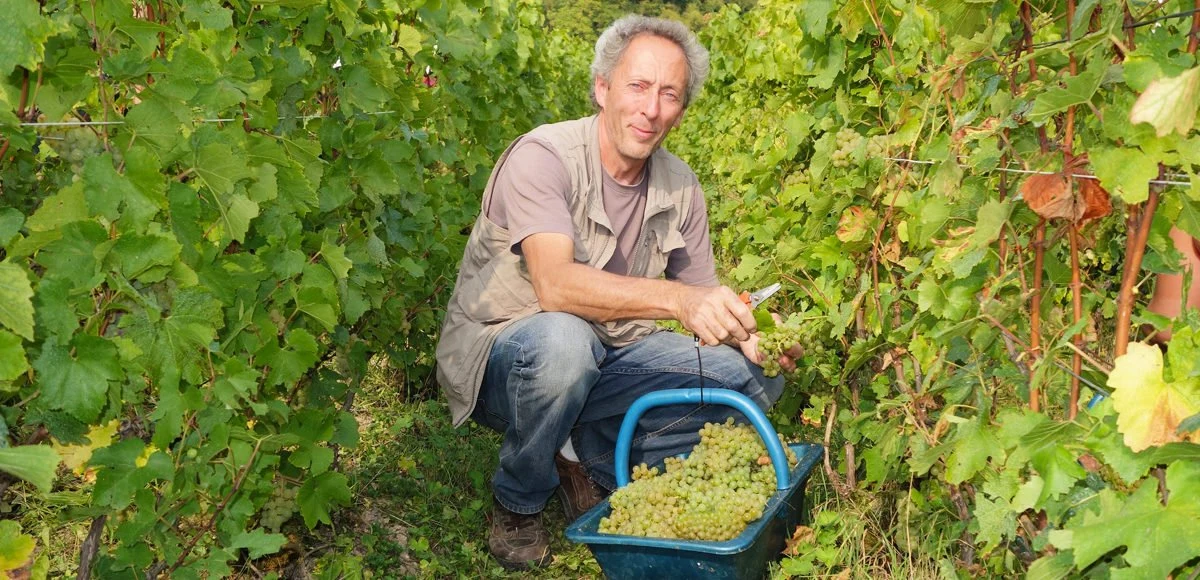
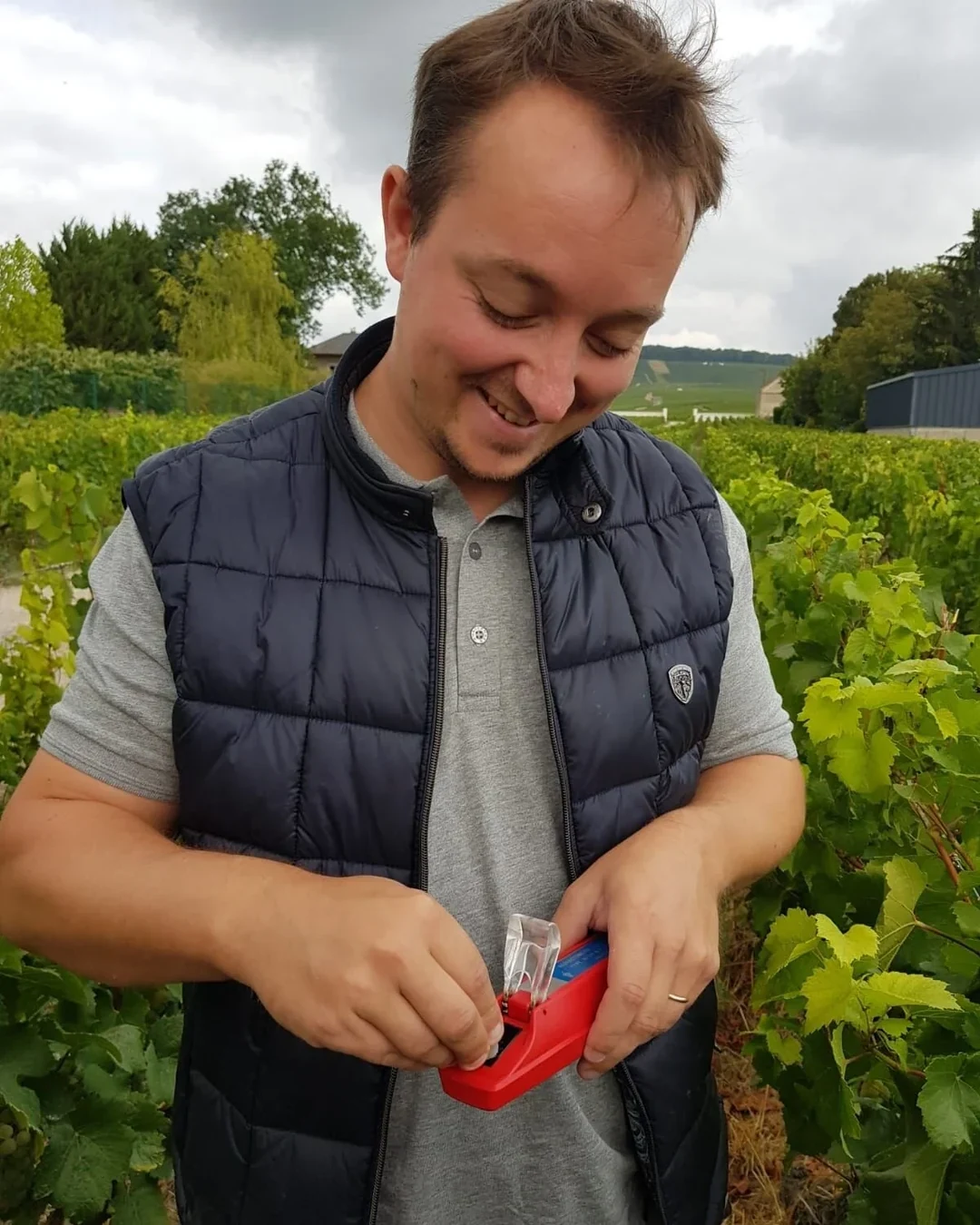
Made By profiles Guillaume Doyard (Winemaker) at Champagne Doyard.
How expensive is Champagne Doyard?
Champagne Doyard is listed at a price level of $$$.
The field
How it compares
| Place | Notes | Awards |
|---|---|---|
| Champagne Doyard | Vertus (Côte des Blancs), $$$ | · |
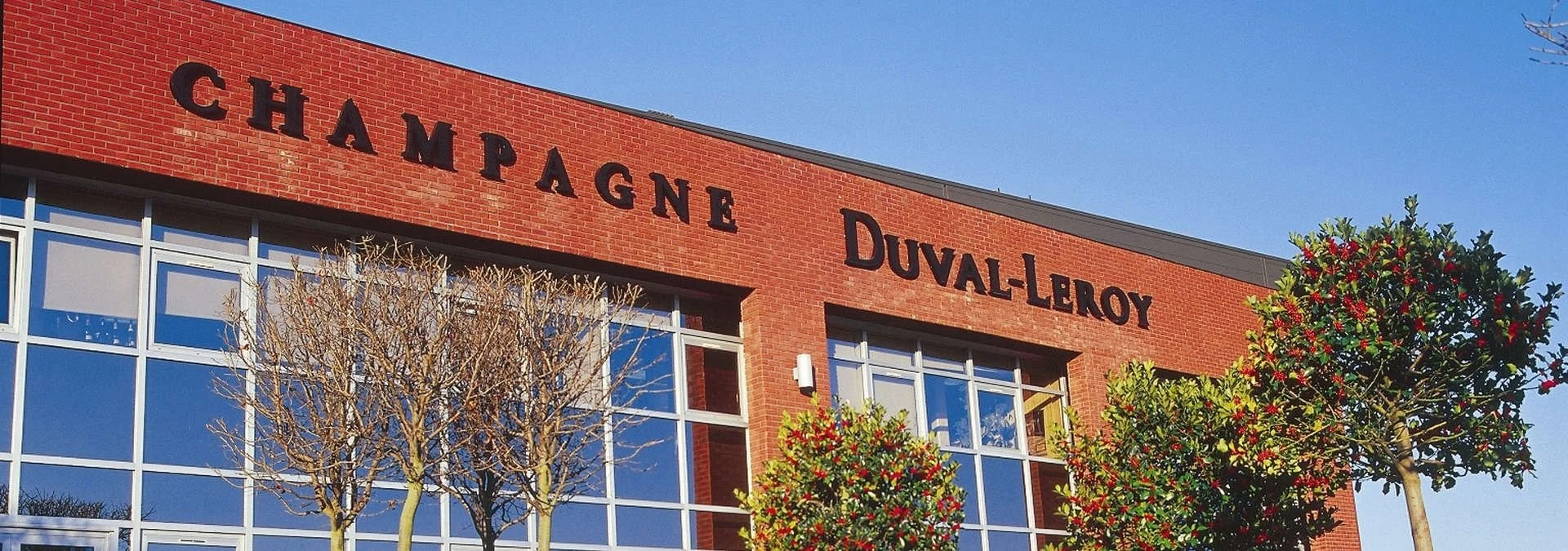
| Champagne Duval-Leroy | Vertus | · |
| Champagne E. Michel | Vertus | · |
| Champagne Pascal Doquet | Vertus | · |
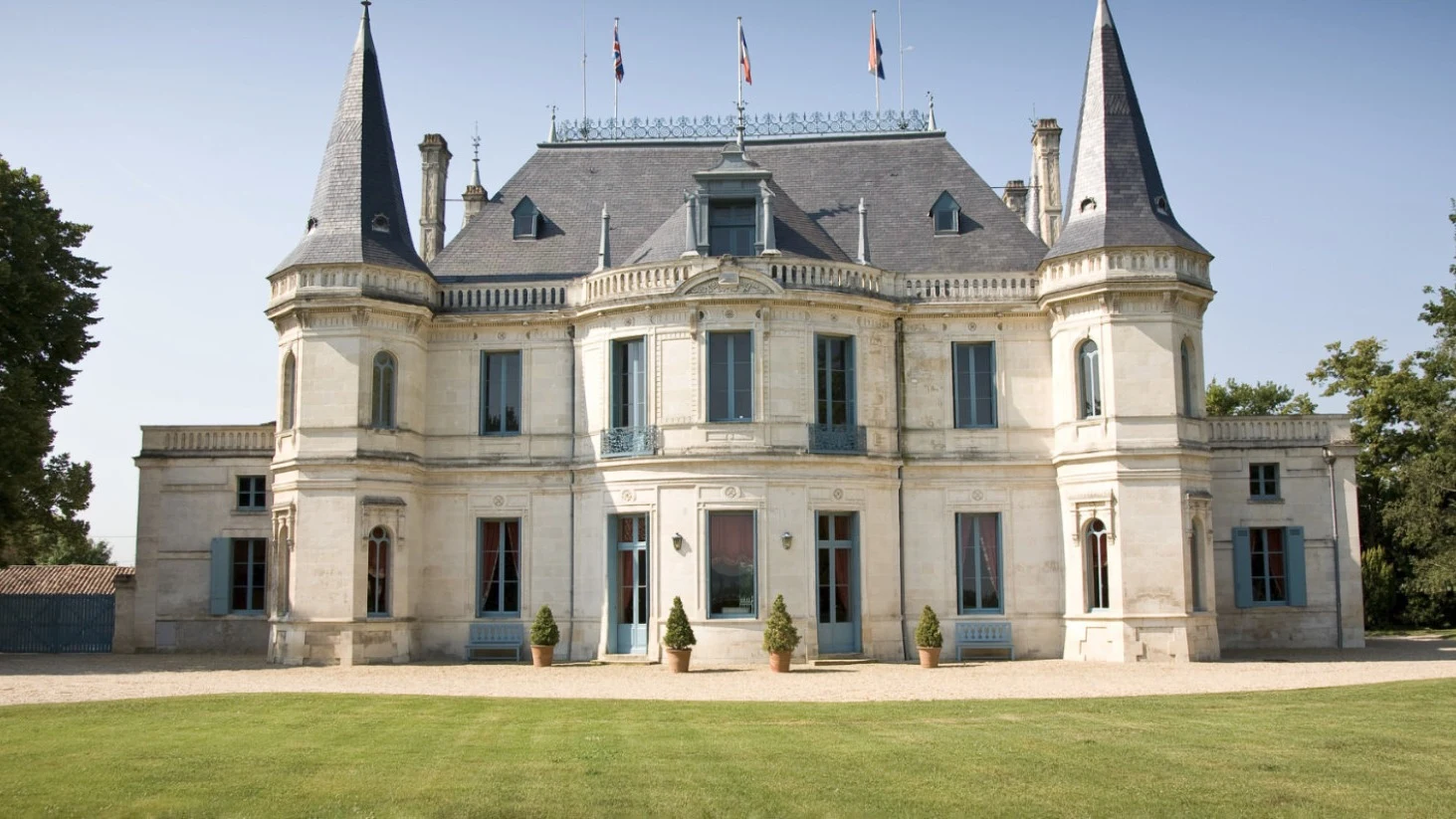
| Château Palmer | Margaux | · |
| Larmandier-Bernier | Vertus | · |
| Viña Montes | Santa Cruz | World's 50 Best |