Made ByWinery
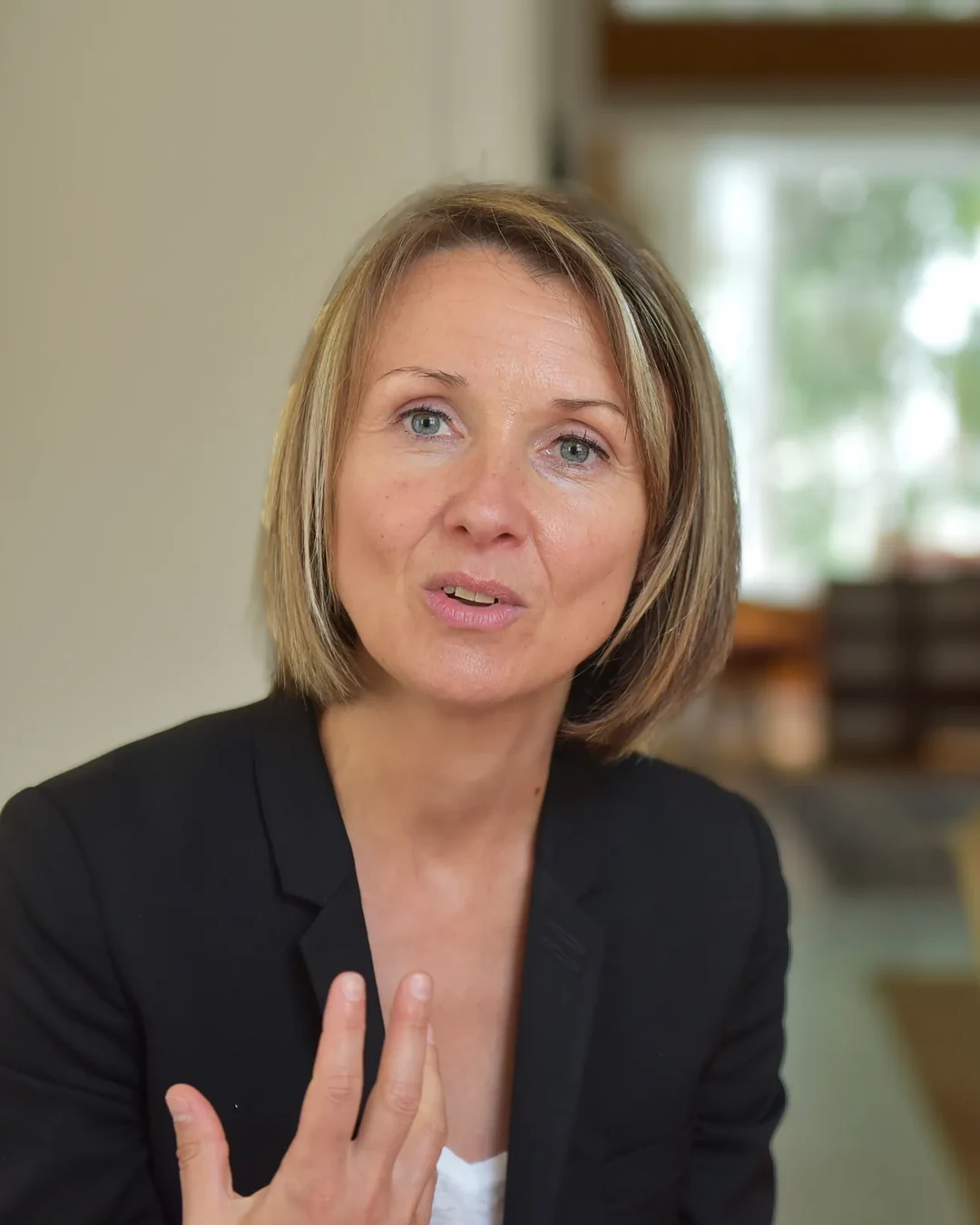
At Champagne Perrier-Jouët in Épernay, Séverine Frerson, Cellar Master, deftly holds a Chardonnay-led house style to floral precision.
At a glance
- Price
- $$$$
- Per person
- $104
- Neighborhood
- Avenue de Champagne
Chardonnay held to a floral line
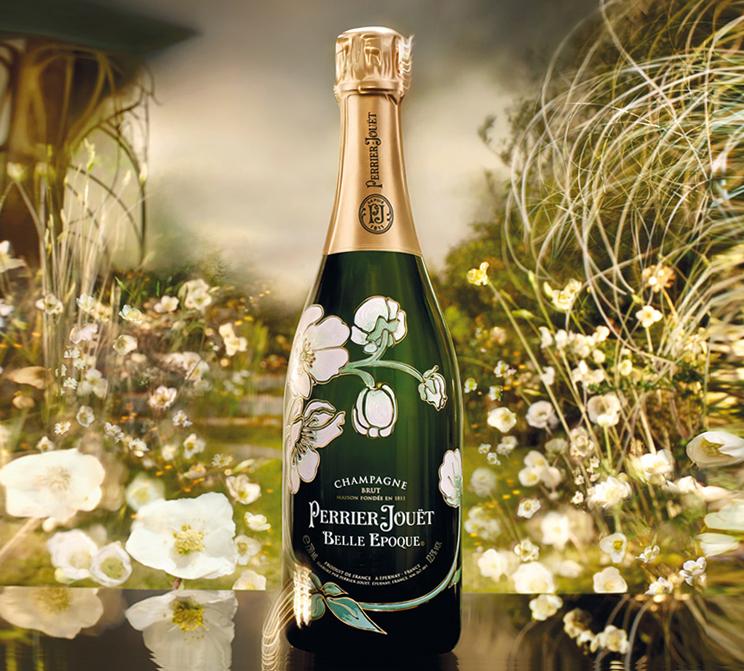
Chardonnay sets the first decision for Séverine Frerson, Cellar Master at Champagne Perrier-Jouët in Épernay, before the blend reaches the glass. Her work sits inside a house founded in 1811, where the signature has long favored lift, white flowers, and a certain restraint rather than breadth for its own sake. Frerson came to that responsibility through enology at the University of Reims, a technical formation suited to a cellar where judgment has to hold feeling and method in the same hand. Since 2018, she has carried the Cellar Master title for Maison Perrier-Jouët and Champagne Perrier-Jouët in Épernay, a continuity of place that matters in Champagne because style is built through repetition as much as invention. The house gives Chardonnay the leading voice, drawing its identity toward the Côte des Blancs and the chalk-rich soils associated with Cramant and Avize. Frerson’s task is not to make that voice louder. It is to keep it legible through assemblage, aging, and release, so that a cuvée such as Belle Époque Brut 2014 reads as structure with lift, not structure set against it.
A house style measured in lees and blend
The method here depends on Champagne’s old grammar: fruit selected for balance, base wines held for assemblage, bottles left on lees long enough for texture to gather without losing the house’s floral register. Perrier-Jouët is historically associated with corks stamped with the date of the blend, a small cellar mark that tied quality to season and place before such language became common. In the 1830s, the house reduced residual sugar and helped set a drier Champagne style into motion. Today, the program still turns around sparkling wine from Champagne AOC, with Chardonnay at its center and Pinot Noir and Pinot Meunier used for structure and depth. Non-vintage Champagnes take approximately 15 months from raw grapes to commercialization; vintage Champagnes require three years. In the vineyards, the house has moved part of its own estate into regenerative husbandry, with 33 hectares, approximately 50% of the vineyards, under practices that include biomass and floral plant covers and vitiforestry. The stated objective is 100% of the house’s own vineyard estate. Those figures belong to farming, but they reach the cellar. A blend can only carry finesse if the material arrives with it.
The tasting room without the cellar tour
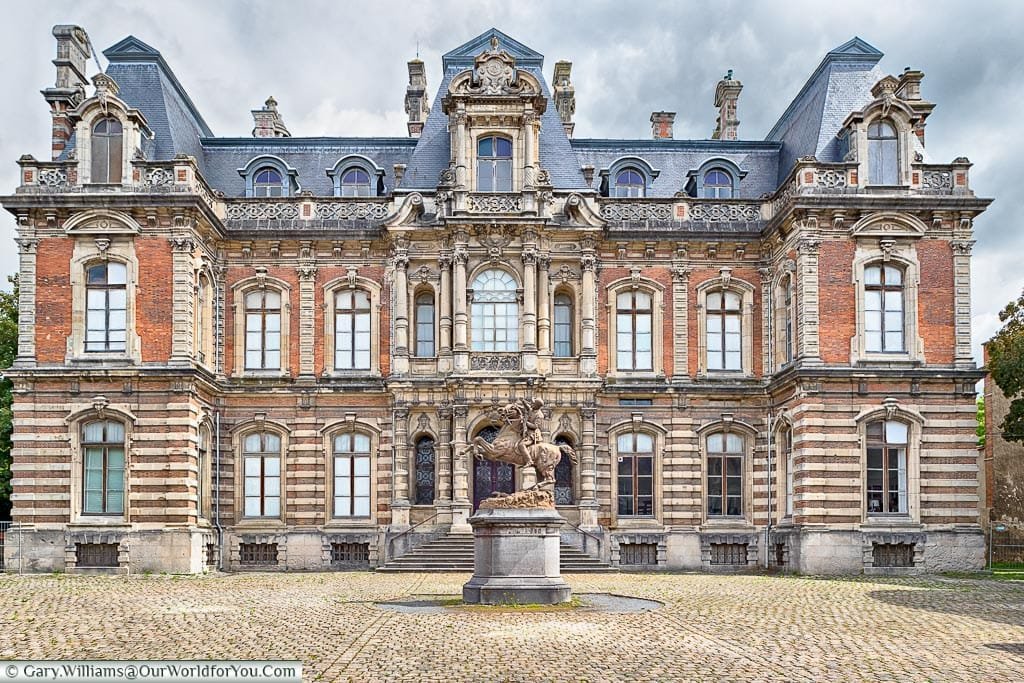
The room on Avenue de Champagne keeps the experience close to the glass. The guided tasting centers on two selected cuvées rather than a passage through the cellars, so the attention shifts to aroma, texture, and the way the house presents its line of Chardonnay-led wines. It is a quiet format, polished without noise, and it suits a maison whose public image has been tied for more than a century to Émile Gallé’s Japanese anemone, created in 1902. That flower is not incidental decoration here. It repeats the house’s preferred register: nature, curve, restraint, and the floral note that follows the wine from vineyard to label. The tasting room works almost like a bench-side explanation, except the tools are glass, pour, and comparison.
The anemone and the next pour
Perrier-Jouët’s future is easiest to read through the same two places that have carried it for generations: the vineyard and the cellar. Frerson’s work continues at the point where regenerative farming, Chardonnay selection, and assemblage meet, with Belle Époque Brut 2014 standing as one named marker of her hand. In the pour, the Japanese anemone on the bottle meets the floral line inside Belle Époque Brut 2014.
Know before you go
- Dress code
- smart_casual
- Reservations
- recommended
- Parking
- street
- Payment
- cash, debit_card, credit_card
Address
Epernay, Grand Est, Frankreich
Avenue de Champagne