
Cellar-led Champagne
- Falstaff Winery - 5 Stars · 2026
- Pearl 4 Star Prestige · 2025
Pol Roger began with a sale of wine to a merchant in Aÿ in 1849. The business moved to Épernay in 1851, where its cellars remain central to the house's identity. Pol Roger says it now owns 92 hectares of vines and also sources grapes from growers.
Blending before branding
The house's Brut Réserve offers a clear view of its method: equal shares of Pinot Noir, Meunier and Chardonnay from 30 crus, with 25 percent reserve wines in the blend. The mix spreads the wine across grapes, places and harvests rather than relying on one vineyard to define the style. Pol Roger's product notes describe secondary fermentation and ageing in its deep, cool Épernay cellars.
Two prestige-cuvée histories
La Réserve Spéciale Cuvée PR Millésimée went on sale in 1976 from the 1971 vintage, with equal parts Pinot Noir and Chardonnay, according to the Union des Maisons de Champagne. Pol Roger dates the creation of Cuvée Sir Winston Churchill to 1975. The 1971 vintage of Cuvée PR went on sale in 1976; Cuvée Sir Winston Churchill was created in 1975. Both came long after the house began in 1849.
Questions
Frequently asked
When did Pol Roger begin?
Pol Roger made his first wine sale in Aÿ in 1849. The house moved to Épernay in 1851.
How is Brut Réserve blended?
Pol Roger blends Pinot Noir, Meunier and Chardonnay in equal parts from 30 crus, with 25 percent reserve wines.
Can the public visit Pol Roger?
No. The house states that it is not open for public visits.
The field
How it compares
| Place | Notes | Awards |
|---|---|---|
| Pol Roger | Avenue de Champagne, $$$$ | · |
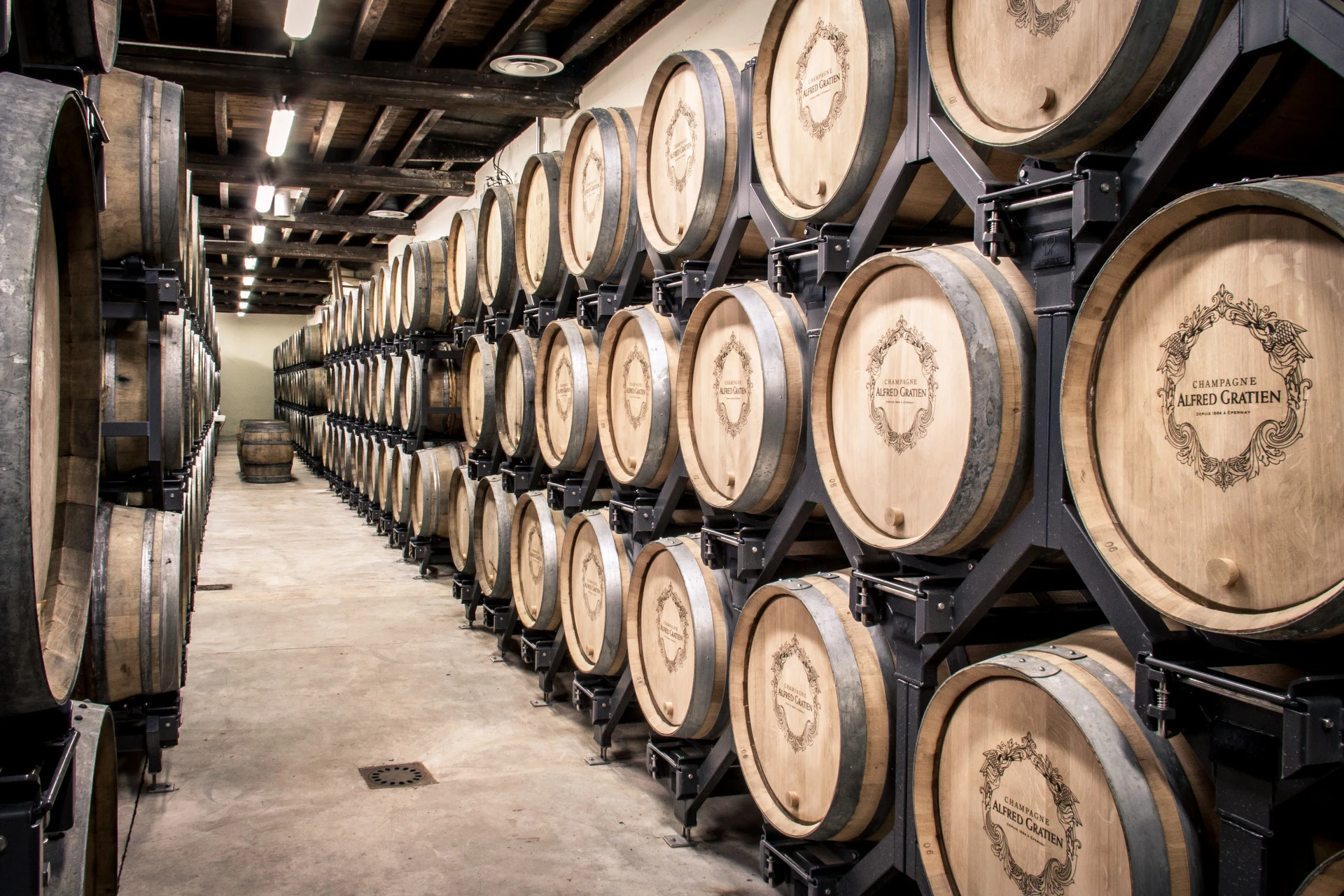
| Alfred Gratien | Épernay | · |
| Champagne Dom Pérignon | Épernay | · |
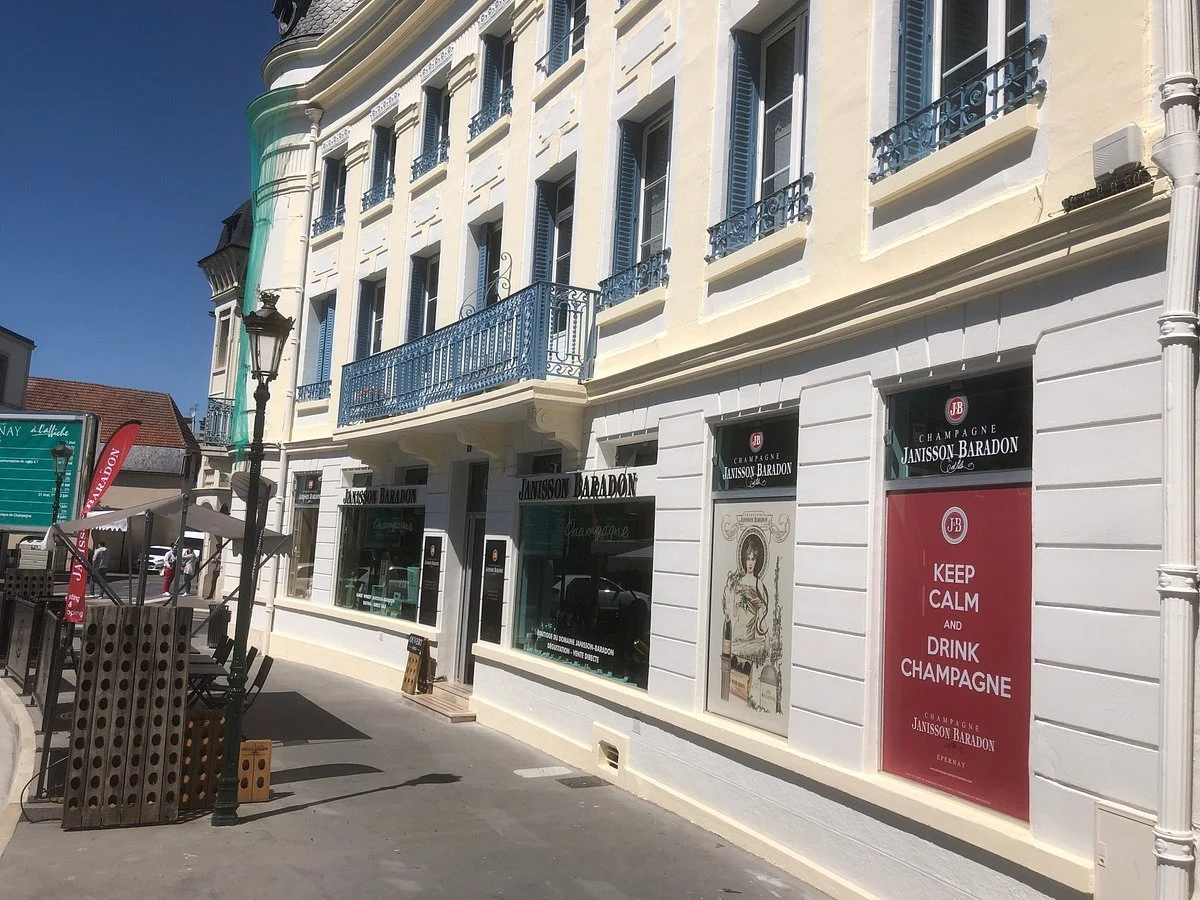
| Champagne Janisson-Baradon | Épernay | · |
| Gosset | Épernay | · |
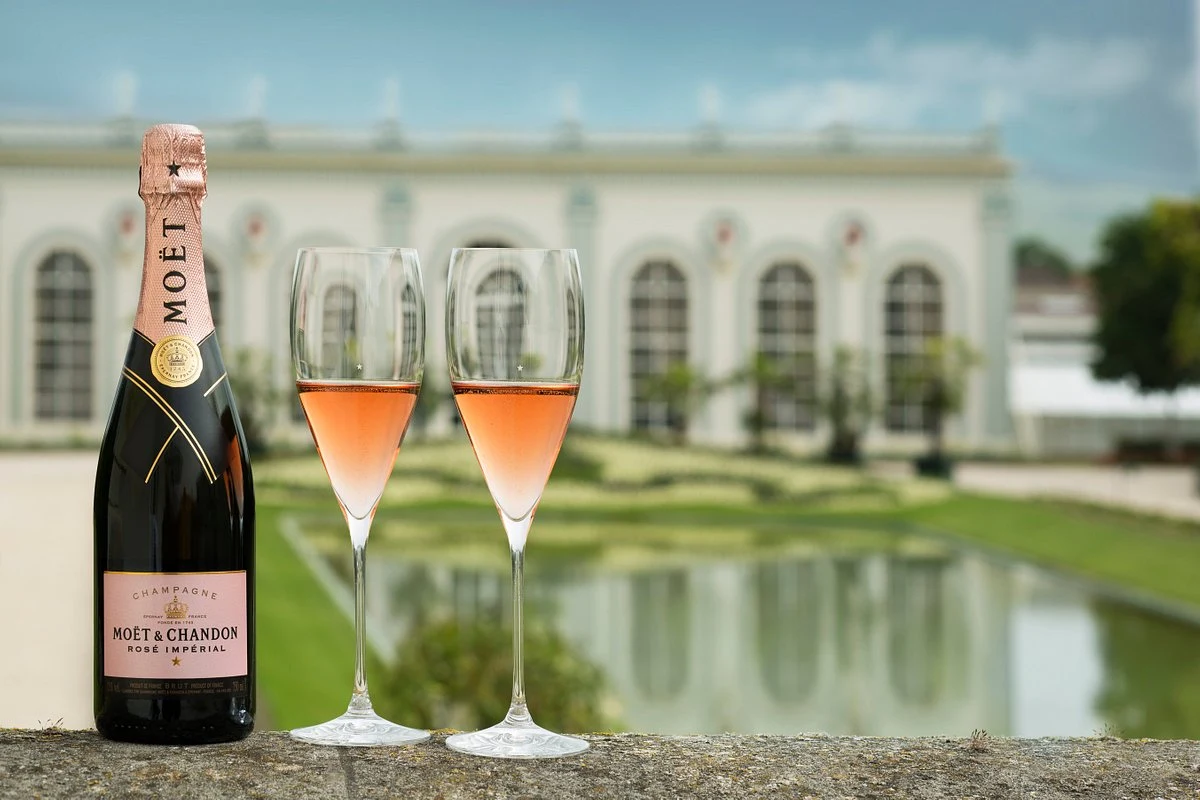
| Moët & Chandon | Épernay | World's 50 Best |
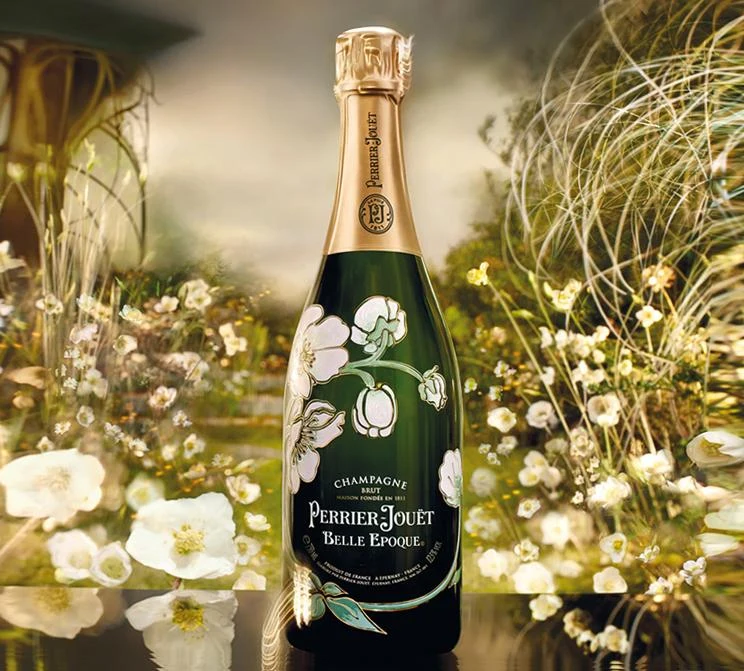
| Perrier-Jouët | Épernay | · |