Pinot Blanc aged in amphorae
- Falstaff Winery - 3 Stars · 2026
The grower reads the cellar through the fruit
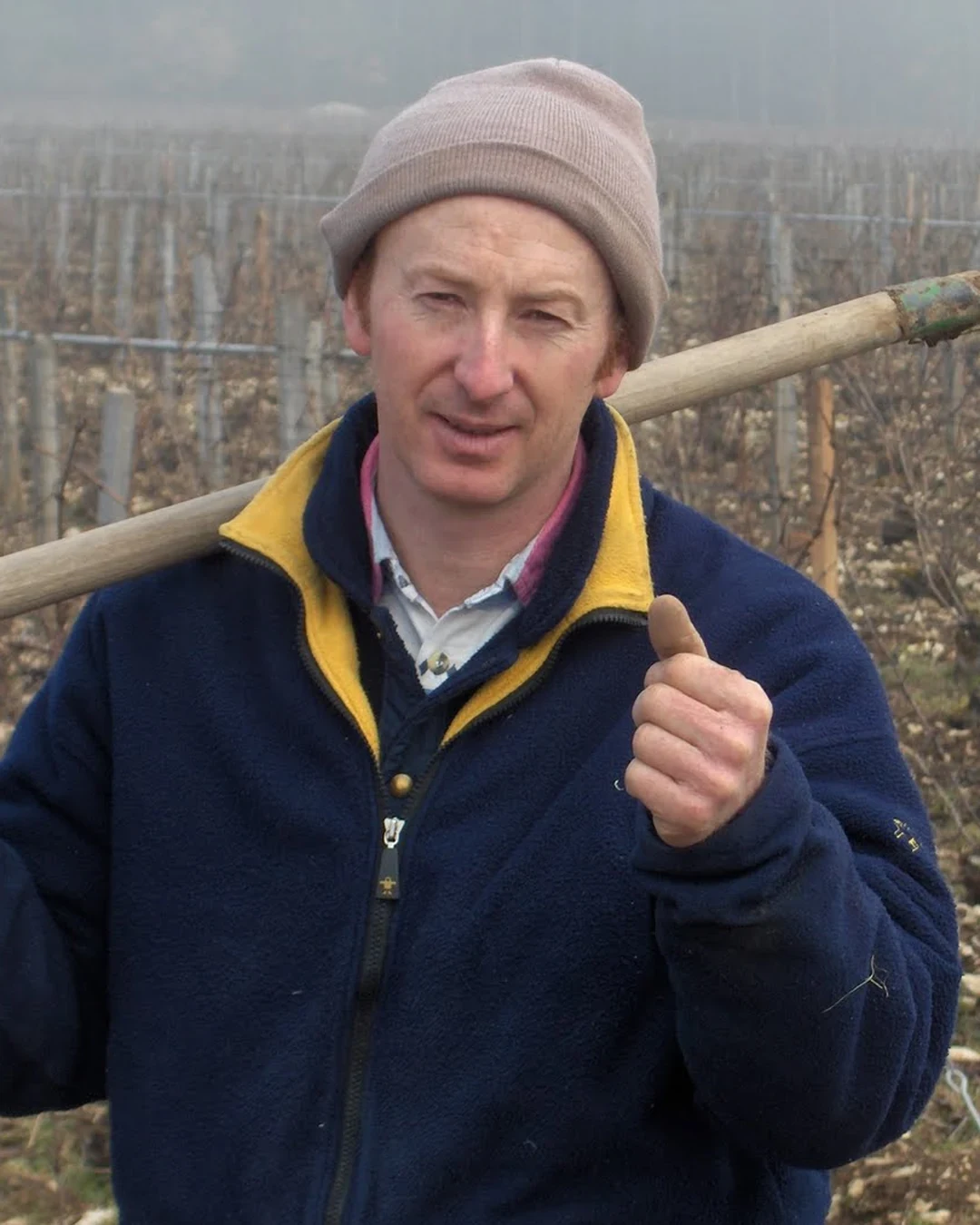
Bertrand Gautherot checks the line between fruit and vessel as winemaker at Champagne Vouette & Sorbée in Buxieres Sur Arce. At the estate, Bertrand Gautherot works across the vineyard, the cellar and the final assembly, so the bottle carries one continuous set of decisions rather than a divided program. The property is small, around 5–5.5 hectares, and its scale matters: this is grower Champagne made close to the land that gives it shape. Pinot Noir leads much of the work, with Chardonnay and Pinot Blanc also in the ground, all within Champagne AOC. The farming is biodynamic, certified by Demeter in 1998, and the estate’s identity rests on that discipline rather than on cellar correction. Gautherot’s authorship is visible, but it does not press itself over the wine. Wild yeast, oak, amphorae, malolactic fermentation and no dosage in some bottlings are not hidden behind polish. They stay readable, as method, material and site.
Fonnet, clay and the patience of sur latte
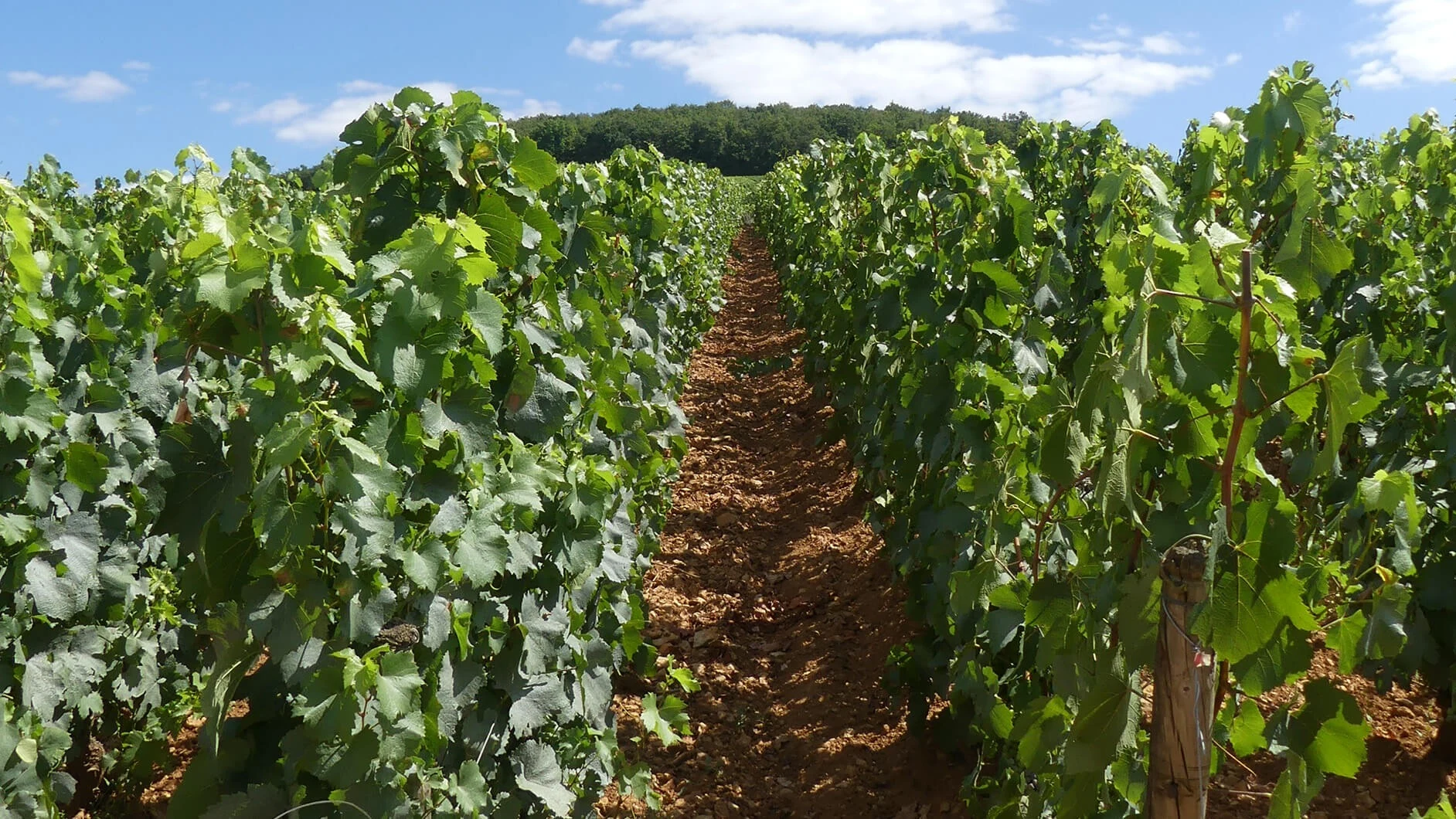
The place has a clear grammar: Kimmeridgian and Portlandian limestone, hillside slopes, biodynamic farming, native fermentation and a refusal to use dosage as a finishing mask. In the cellar, Gautherot lets the process remain legible. Textures makes that most plain. The wine comes from Pinot Blanc in the lieu-dit of Fonnet, then passes through French oak barrels and amphorae before bottling and aging sur latte. Wood, clay and lees each leave contact without taking control of the cuvée. Fidèle, Blanc d’Argile and Textures give the program its range, from Pinot Noir-led Champagne to Chardonnay and Pinot Blanc expressions shaped by vessel and time. The estate does not treat the cellar as a place of erasure. Fermentation, élevage and disgorgement serve the same end: a wine that keeps the trace of its making while staying tied to the slope it came from.
A quiet domaine on limestone slopes
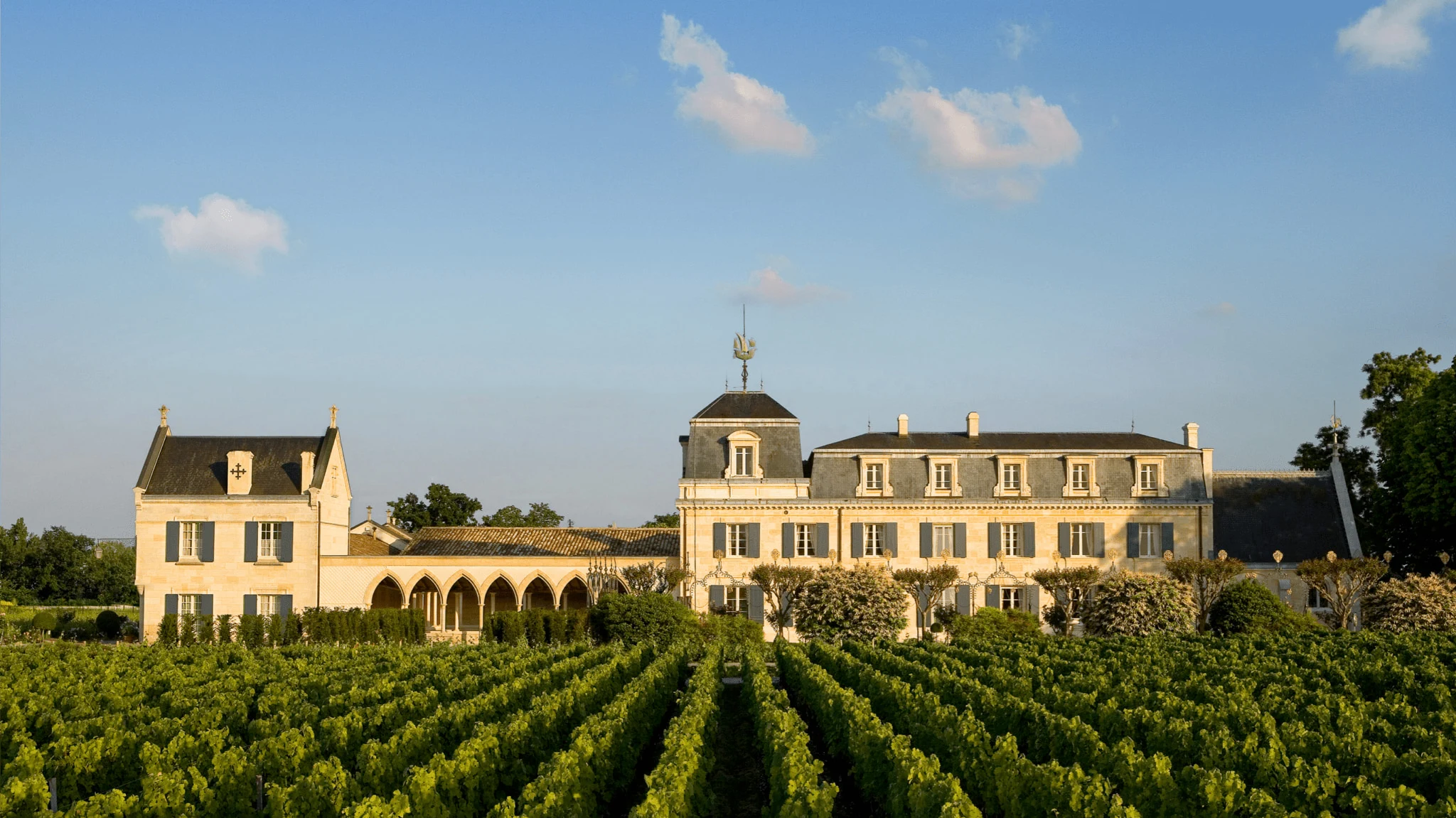
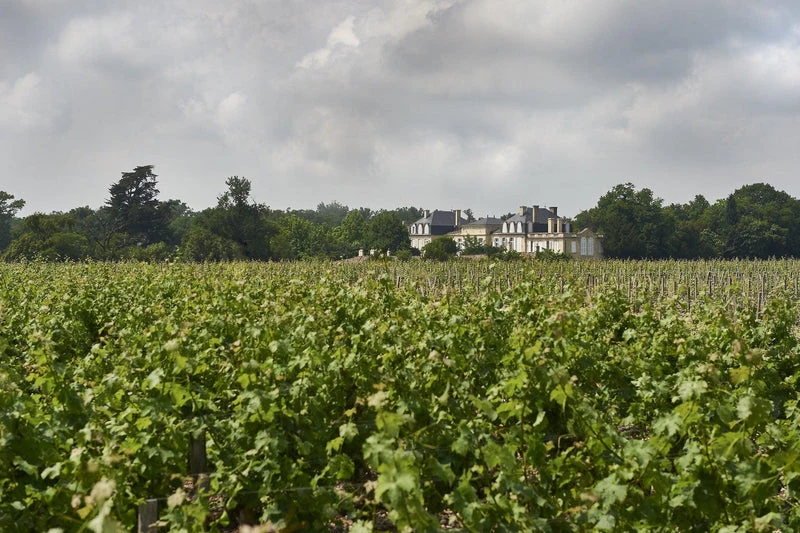
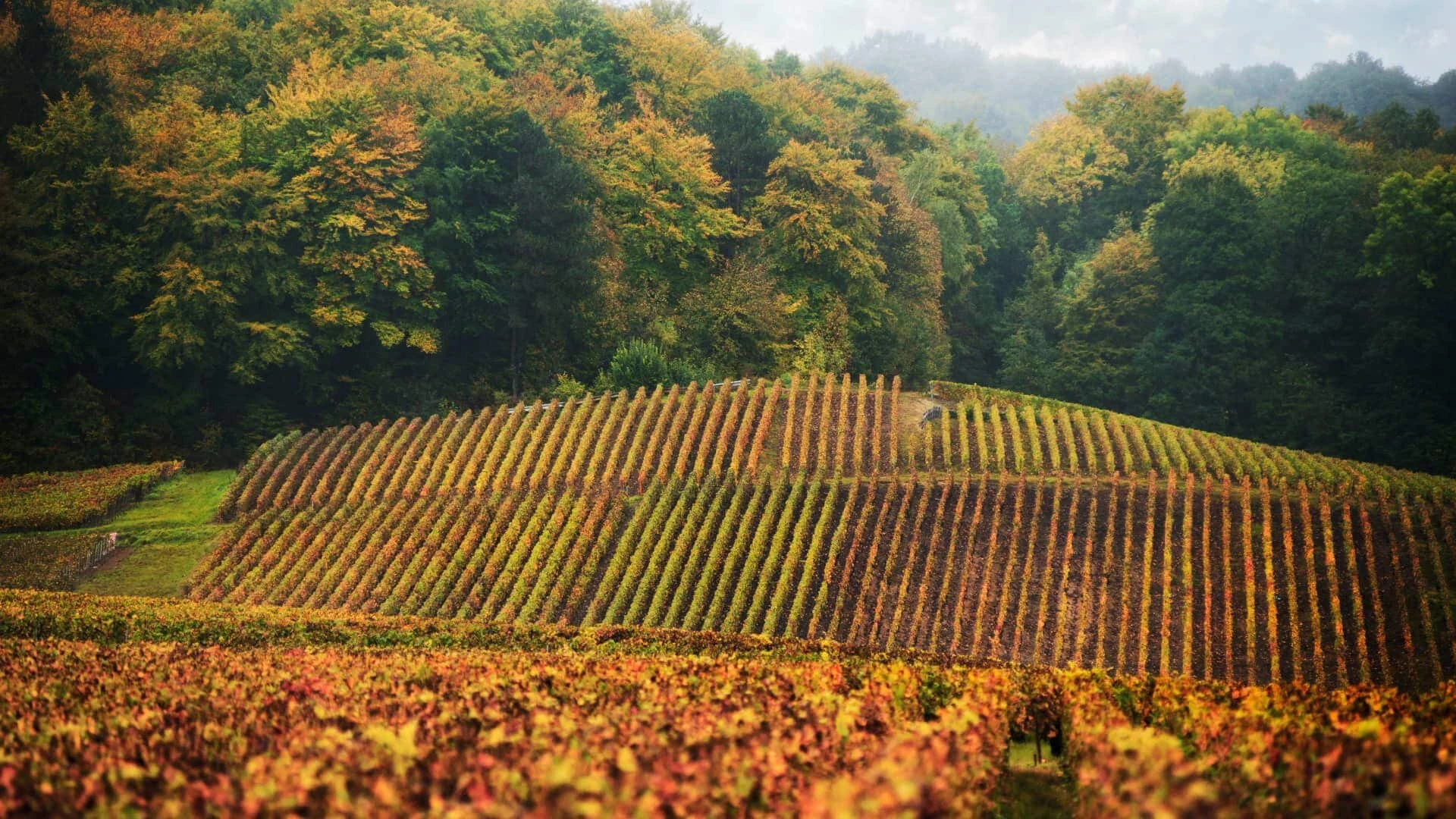
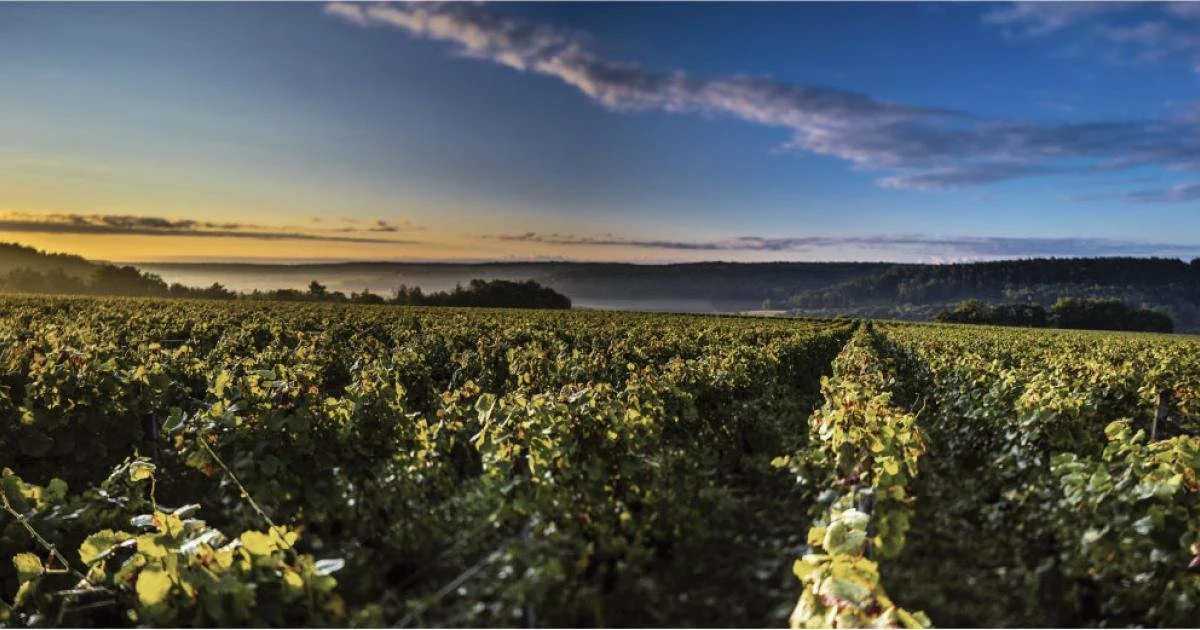
The room here is not the room of a large house, and it does not try to feel like one. The estate sits in the small village of Buxières-sur-Arce, in the Côte des Bar, surrounded by vines on limestone hillsides rather than by the machinery of a visitor center. The pace feels rural and close to the work, with little distance between the table and the vines. In the cellar, barrels and amphorae matter because they are part of the handwork, not decoration. In the vineyard, biodynamics gives the estate its daily discipline, with the soil treated as the first station in the cellar program. The tasting room belongs to that same register: intimate, vineyard-led, and shaped by comparison between cuvées rather than spectacle. The noise is low. The glass does the speaking, especially when Textures brings Fonnet, Pinot Blanc, oak, clay and lees into one line.
Questions
Frequently asked
Who makes the Champagne at Vouette & Sorbée?
Bertrand Gautherot makes the Champagne and works across the vineyard, the cellar and the final assembly.
What is the estate known for?
Vouette & Sorbée is a small grower Champagne estate in Buxières-sur-Arce that makes biodynamic Champagne with a clear link between fruit, vessel and site.
What grapes are grown there?
Pinot Noir leads much of the work, with Chardonnay and Pinot Blanc also planted within Champagne AOC.
Can visits be booked at the estate?
Visits are by appointment only.
Is there parking on site?
There is an on-site parking lot.
The field
How it compares
| Place | Notes | Awards |
|---|---|---|
| Champagne Vouette & Sorbée | Côte des Bar, $$$ | · |
| Château La Mission Haut-Brion | Talence | · |
| Château Léoville Barton | Saint-Julien-Beychevelle | · |
| Chateau Leoville Las Cases | Saint-Julien-Beychevelle | · |
| Domaine Bonneau du Martray | Pernand-Vergelesses | · |
| Ruinart | Reims | World's 50 Best |
| Vieux Château Certan | Pomerol | · |