- Michelin Selected · 2025
- Small Luxury Hotels of the World Member · 2025
A Castle on the Lake, Taken Seriously Again
Lausanne's hotel scene divides along a clear line. On one side sit the grand lakeside palaces, the Beau-Rivage Palace, the Lausanne Palace and Spa, the Hotel Royal Savoy Lausanne, properties with hundreds of rooms, international brand affiliations, and the infrastructure to match. On the other sits a smaller, more architecturally specific tier: historic buildings converted into hotels that trade scale for character. Château d'Ouchy belongs to this second group, and after a sensitive renovation, it occupies that position with more confidence than it has in years.
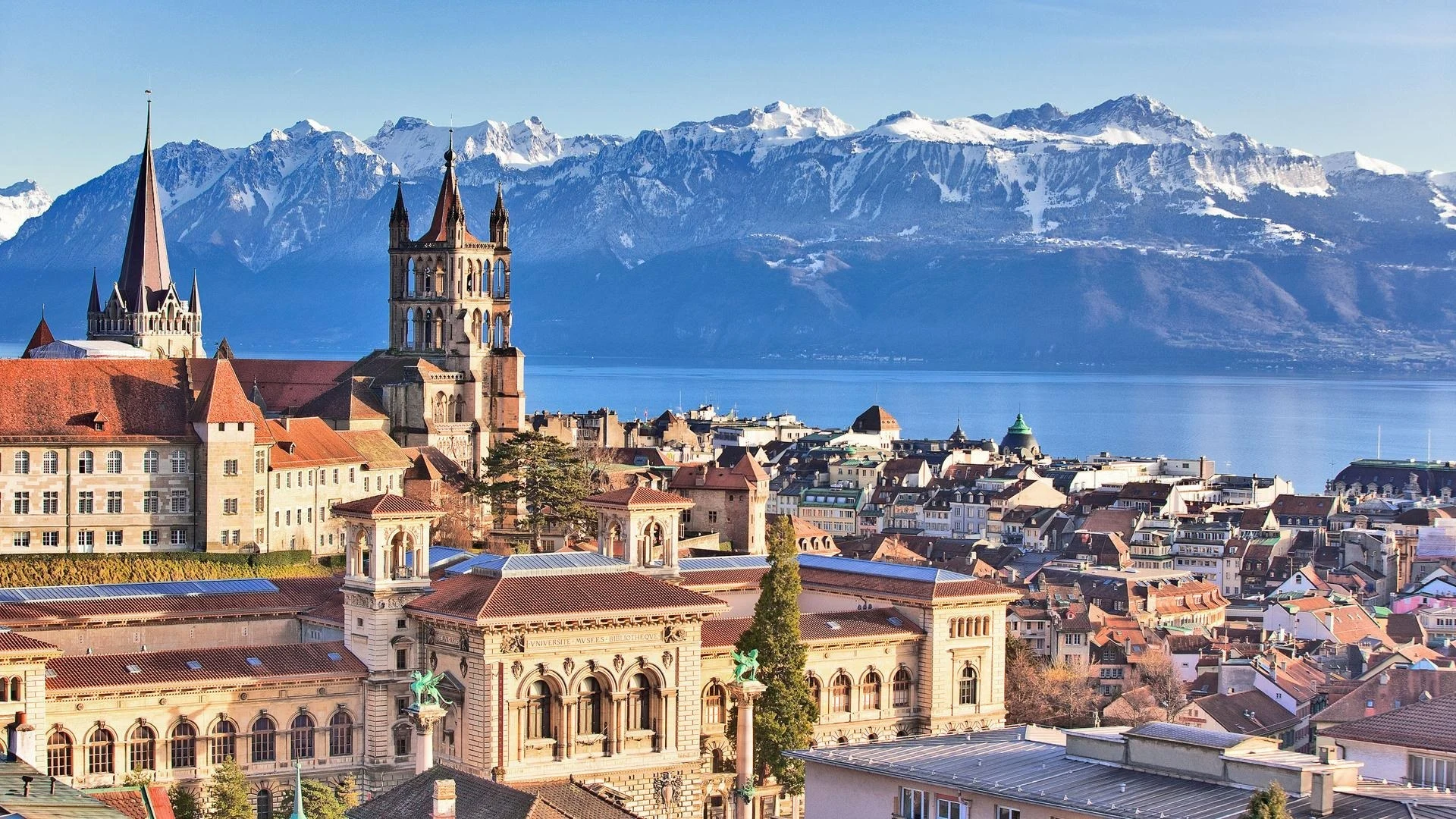
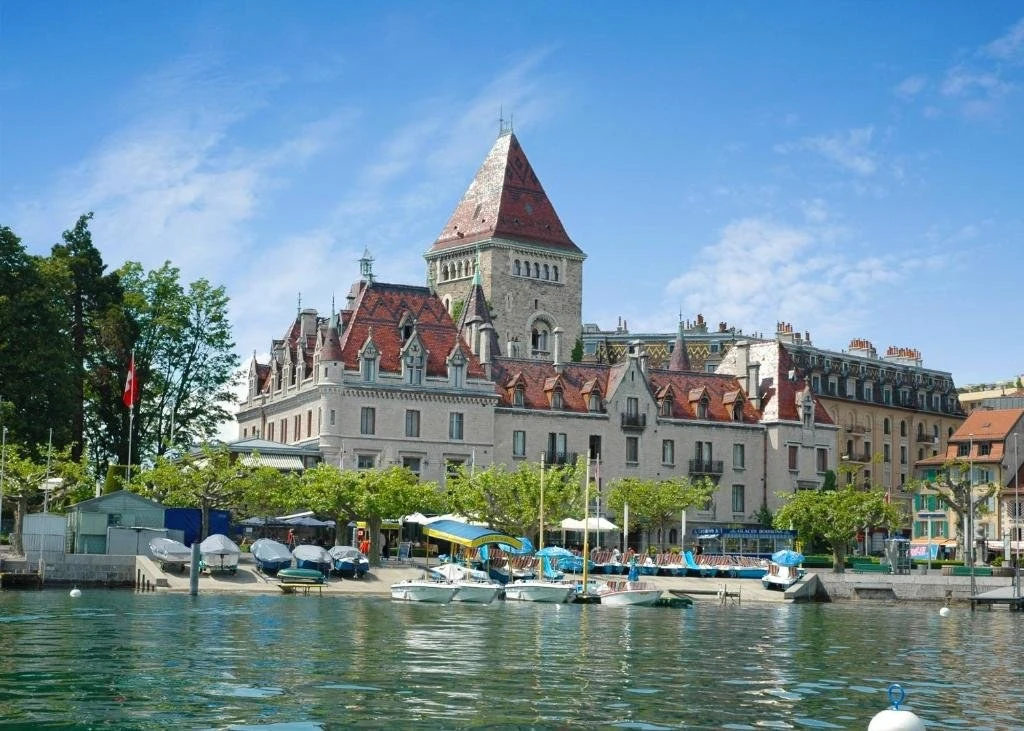
The approach from Place du Port tells you what kind of hotel this is before you cross the threshold. The neo-gothic façade, reconstructed in the late 1800s, rises at the water's edge in a way that puts most European castle-hotel gestures to shame by sheer plausibility. This is not a folly or a marketing concept built around a turret. It is a genuine 19th-century structure that was designed to impress from the lake, and it still does. The Alps across the water provide a backdrop that changes with season, weather, and time of day, conditions that guests in lakeside rooms read like a slow-moving painting.
The Renovation Logic
Switzerland's premium hotel market has seen a wave of careful restorations over the past decade, a trend visible from the Mandarin Oriental Palace in Lucerne to the Grand Hotel Kronenhof in Pontresina. The consistent challenge is the same: how much original material do you preserve before contemporary comfort standards demand intervention? At Château d'Ouchy, the renovation has resulted in 50 rooms, a count that keeps the property in a deliberately intimate range. For context, properties at that key count operate closer to the logic of a small luxury inn than a full-service palace hotel, staff-to-guest ratios are higher, and the building's quirks become features rather than inconveniences.
The 49-room configuration also places the château in a comparable set that includes design-led independents more than branded hotel groups. Across Switzerland, hotels in this category, among them the Hotel Villa Honegg in Ennetbürgen and the Valsana Hotel in Arosa, have carved out strong followings precisely because their limited capacity produces a more curated guest experience. The château's position at the Ouchy waterfront adds a geographic anchor that most of those alpine peers cannot match.
Dining at the Waterfront: What the Setting Demands
The editorial angle on any castle hotel's dining programme begins with the room it has to work with. Château d'Ouchy's physical setting, a 19th-century structure facing Lake Geneva with views to the Savoy Alps, creates a specific expectation that the food and beverage operation either meets or wastes. The lake-facing dining spaces that buildings like this typically produce are among the most compelling dining environments in Swiss hospitality, where the setting does significant atmospheric work that a city-centre restaurant must achieve through other means.
What the building and its position suggest, however, is that a food and beverage operation here should be read as an extension of the lakeside promenade tradition that Lausanne, and Ouchy specifically, has maintained for well over a century. The Ouchy district has historically been where Lausanne's hospitality concentrated at the water, and the château sits at the centre of that geography.
Comparable lakeside dining contexts across the region, from the brasserie and fine dining split at the Beau-Rivage Geneva to the culinary ambitions at Park Hotel Vitznau, suggest that the most successful formats pair a serious kitchen with terrace access when the lake view is this strong. The architectural logic of the building argues for an operation anchored to that lake connection.
Lausanne's Competitive Context
Ouchy functions as a distinct neighbourhood from the city's commercial and university districts on the hill above. The metro line connects the two in under five minutes, which gives château guests practical access to Lausanne's broader cultural infrastructure, the Olympic Museum is within easy walking distance, and the city centre's restaurants and wine bars are reachable without a car. But the Ouchy waterfront itself, with its promenades, ferry terminals, and lakeside parks, constitutes a self-contained itinerary. In summer, the ferries that cross to Évian-les-Bains and link the Swiss and French Riviera towns create a natural extension of any stay.
Within Lausanne's hotel tier, the château does not compete directly with the palace properties. Those hotels, including properties comparable in positioning to the Badrutt's Palace in St. Moritz or Baur au Lac in Zurich, operate at higher room counts, with full spa facilities and multiple dining concepts at scale. The château's competition is more accurately the European castle-hotel category, a format that appears across France, Italy, and the German-speaking world with varying degrees of authenticity. On the authenticity measure, the Ouchy building's documented 19th-century history and direct lake positioning are hard to replicate. Properties at this address do not get rebuilt.
For guests considering Switzerland more broadly, the château is one reference point in a country where historic hotel renovations have produced some of Europe's most compelling properties. The 7132 Hotel in Vals, the CERVO Mountain Resort in Zermatt, and the Castello del Sole in Ascona each represent different inflections of the Swiss heritage property model. Château d'Ouchy's inflection is the lakeside castle, a format that, done well, is among the hardest to find anywhere in Europe outside of Scotland or the Loire Valley, and here it comes with Alpine views and Swiss operational standards.
Planning a Stay
Château d'Ouchy sits at Place du Port in the Ouchy district of Lausanne, reached from the city's main rail station via the M2 metro line to Ouchy-Olympique in under ten minutes. For room selection, the primary distinction to press on is lake orientation: rooms facing the water capture the full Geneva lake view, while other configurations focus on the château's gardens or courtyard. Given the 49-room count, availability in high season, June through August, when the Swiss Riviera draws significant European leisure traffic, moves quickly, and advance booking is advisable. Rooms start at about $244 per night, and reservations are recommended.
Questions
Frequently asked
Who works at Château d’Ouchy?
Made By profiles Benjamin Chemoul (General Manager) at Château d’Ouchy.
How expensive is Château d’Ouchy?
Château d’Ouchy is listed at a price level of $$$$.
The field
How it compares
| Place | Notes | Awards |
|---|---|---|
| Château d’Ouchy | Ouchy, $$$$ | · |
| Beau-Rivage Palace | Lausanne | Michelin 2 Keys |
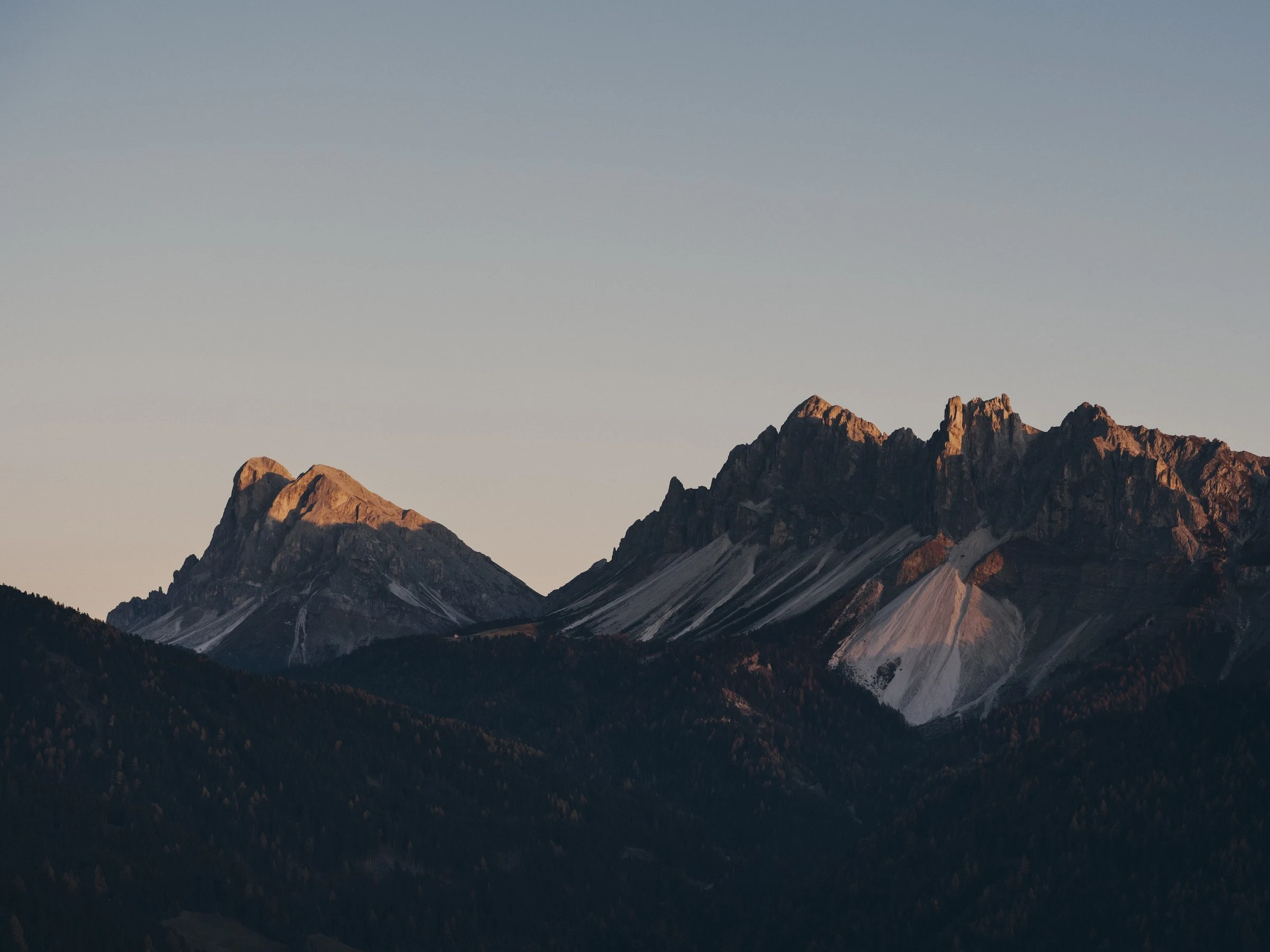
| Forestis Dolomites | Plose | Michelin 2 Keys |
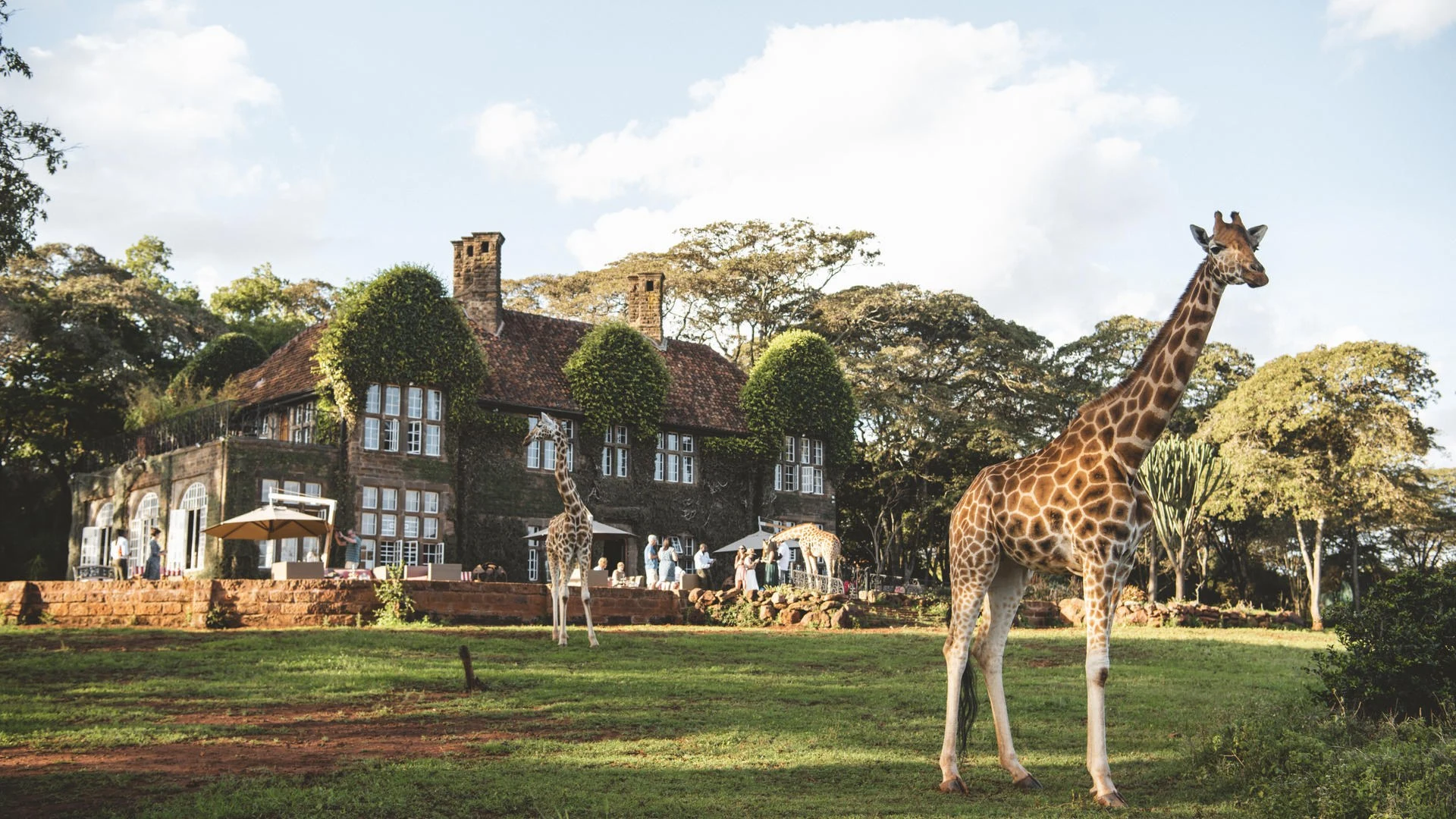
| Giraffe Manor | Nairobi | Michelin 3 Keys |
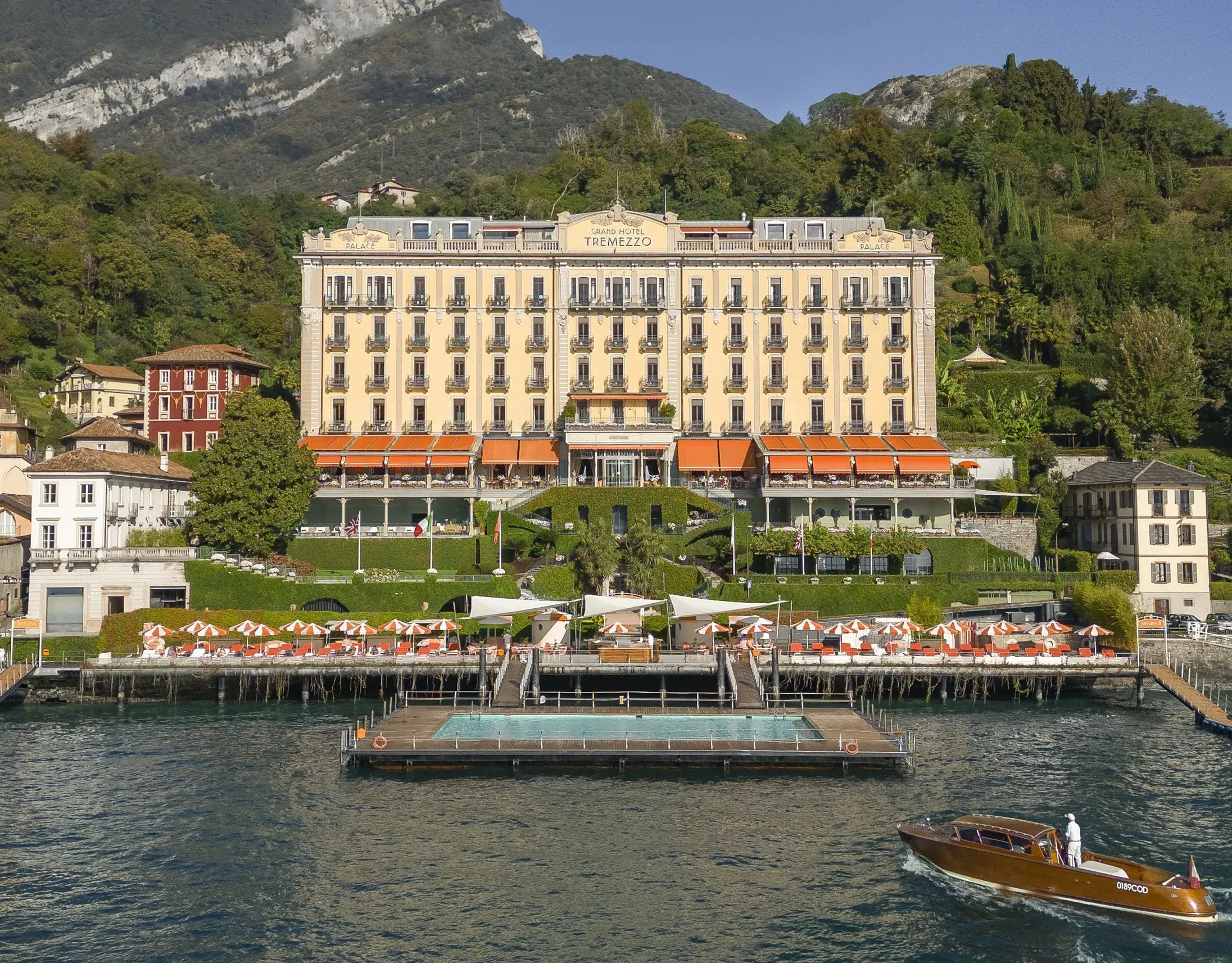
| Grand Hotel Tremezzo | Tremezzo | Michelin 2 Keys |
| Mandapa, a Ritz-Carlton Reserve | Ubud | Michelin 3 Keys, World's 50 Best |
| The Peninsula Beverly Hills | Los Angeles | Michelin 2 Keys |