Made ByWinery
Château de Berne
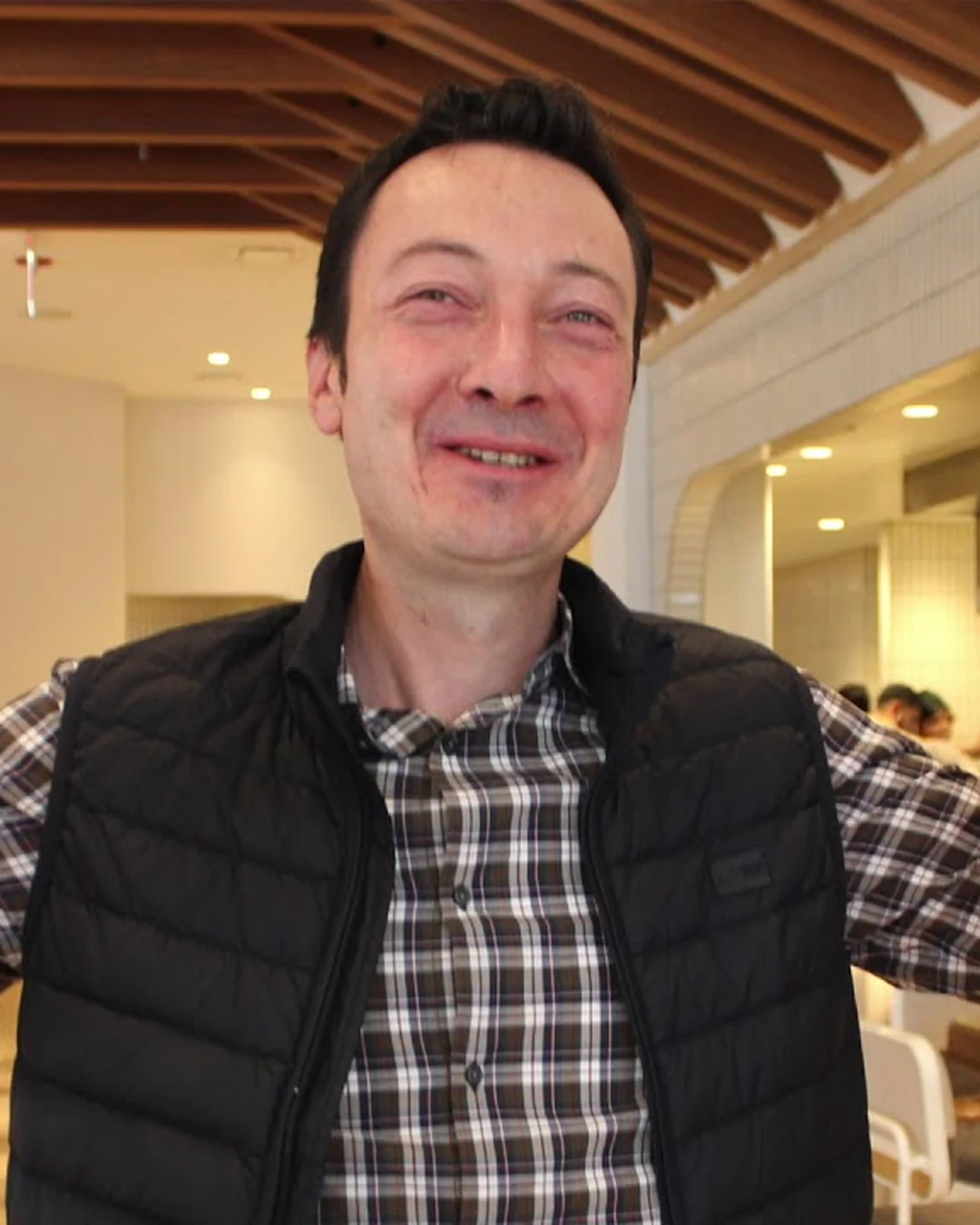
Chef in Residence
Alexis Cornu
Winemaker
- 01CityFargues, France
- 02RecognitionWorld's 50 Best — No. 43
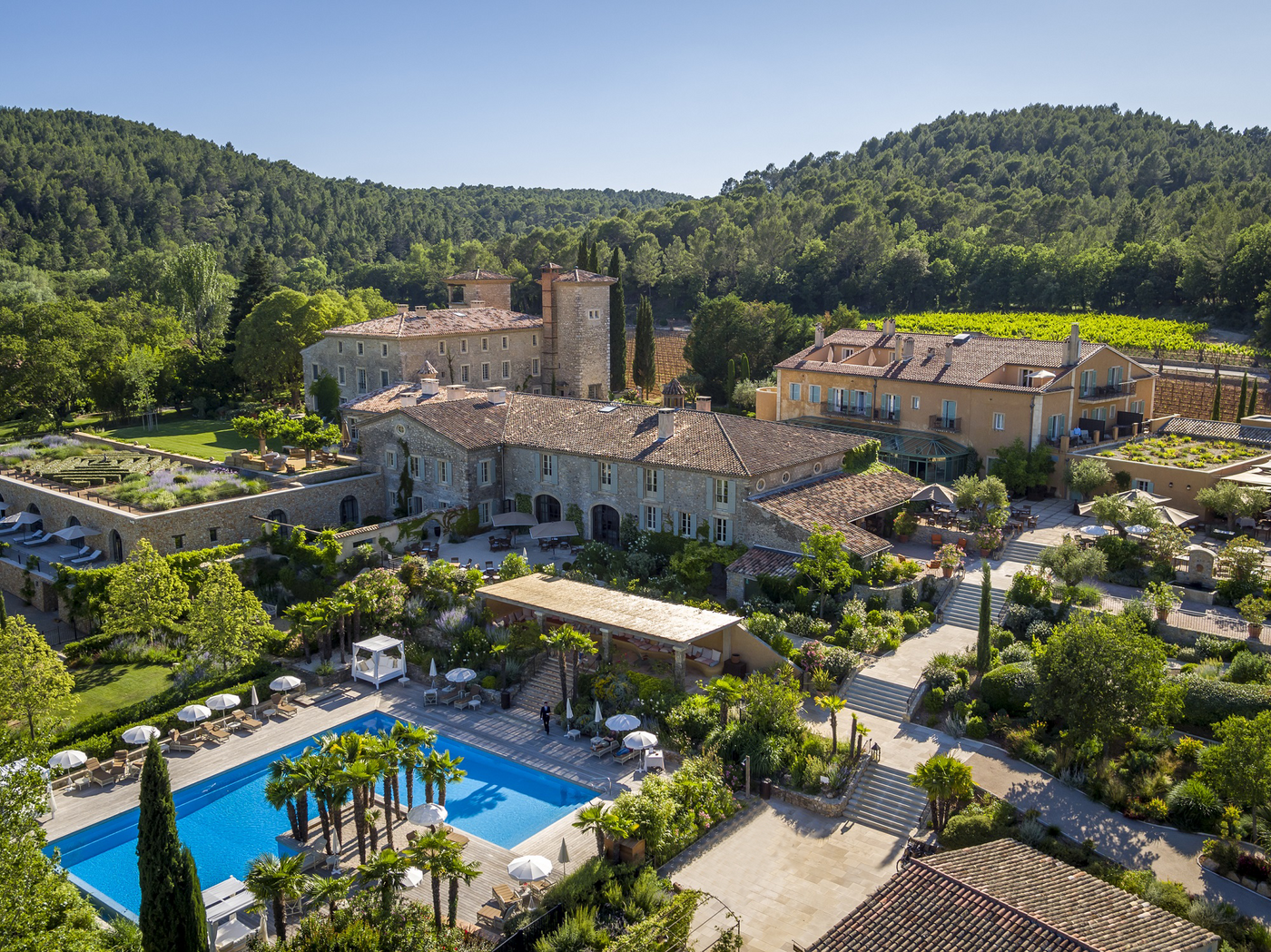
A five-star Relais & Châteaux property in the Provençal countryside, Château de Berne holds a Pearl 2 Star Prestige rating (2025) and sits roughly ninety minutes from Cannes. The estate dates its winemaking lineage to 1780, with Alexis Cornu now overseeing production across a working domaine that combines a hotel, spa, and cellar under one roof.
- World's 50 Best · #43
At a glance
- Price
- $$$$
- Per person
- $50
- Neighborhood
- Fargues
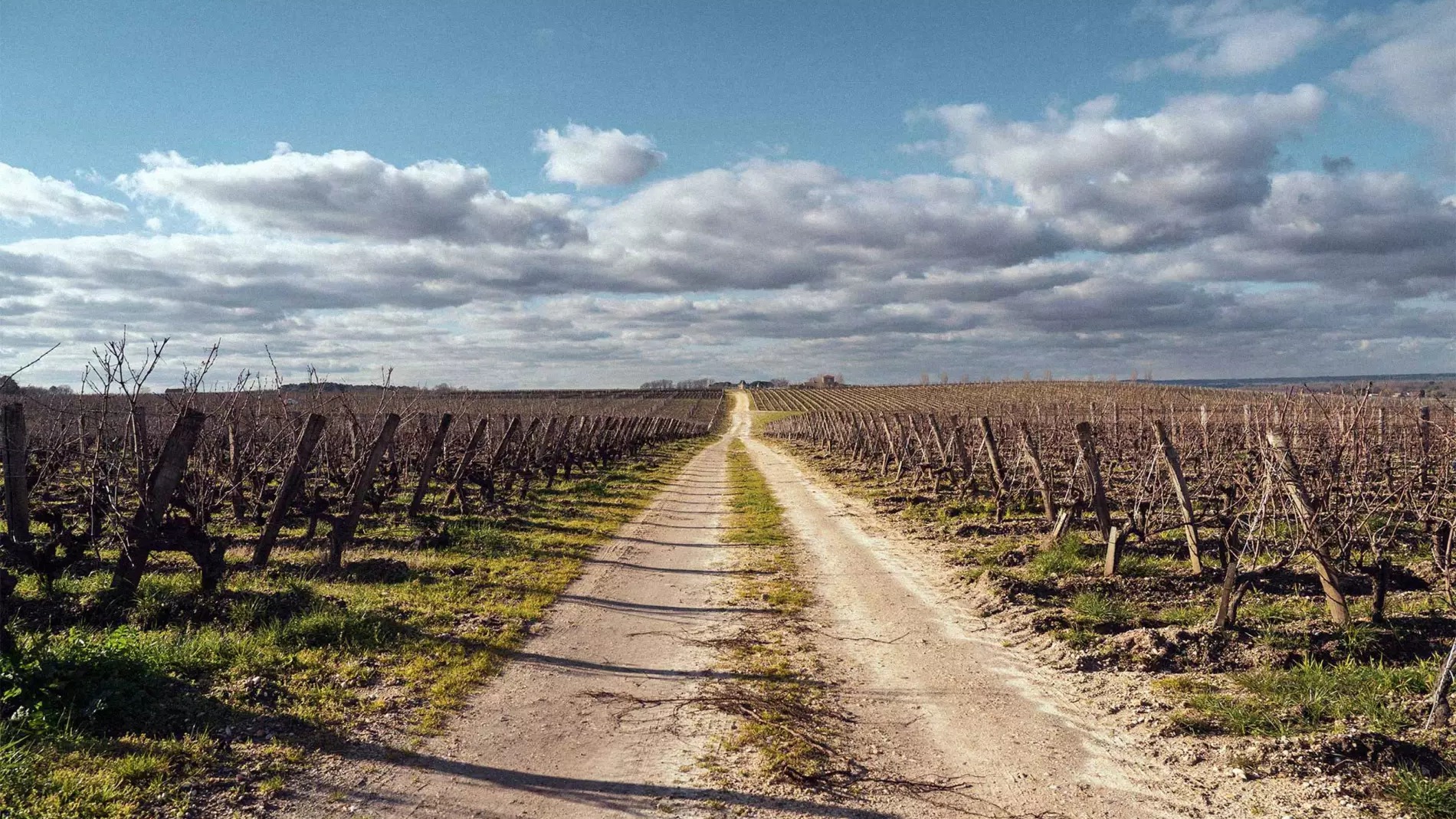
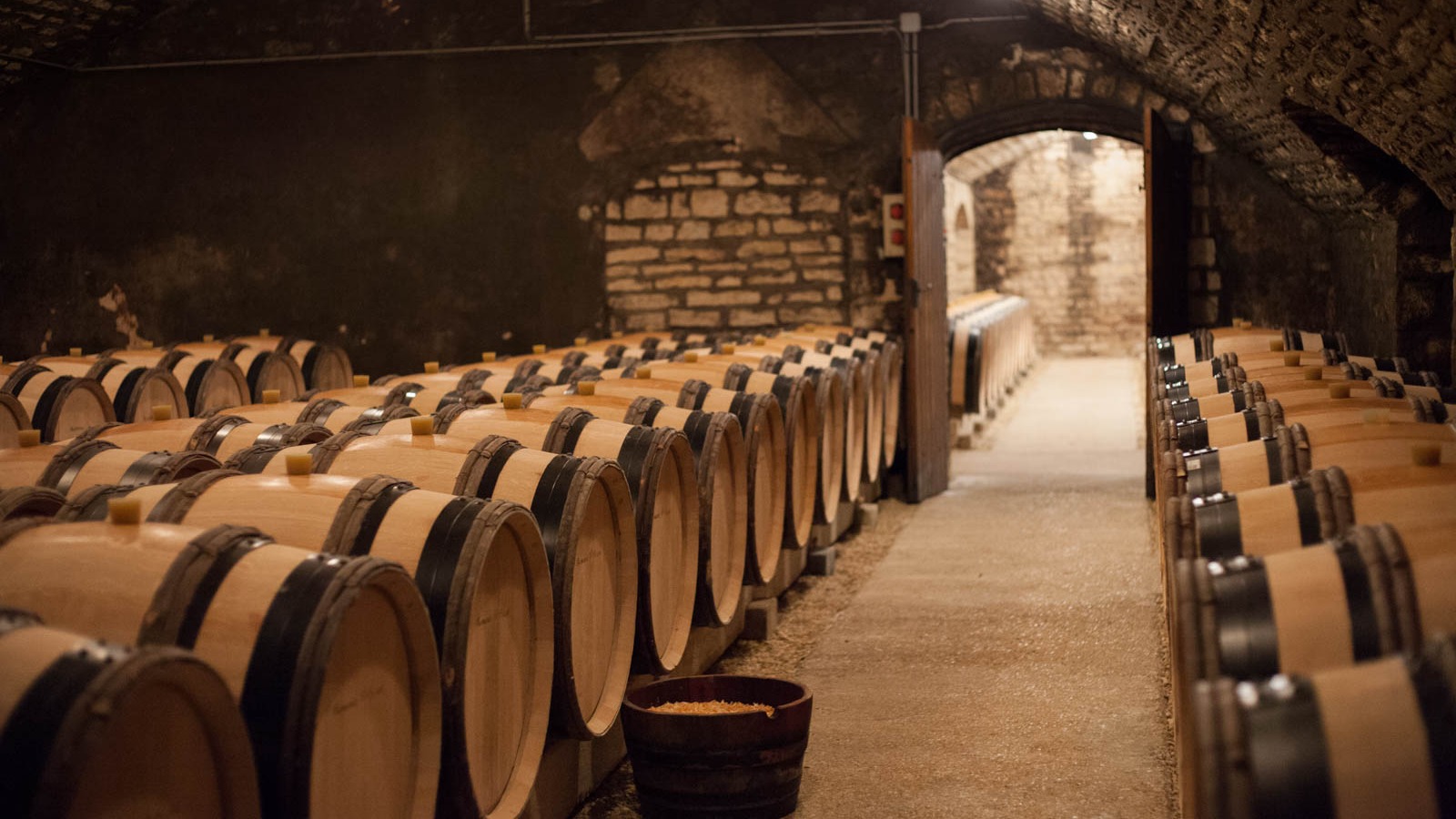
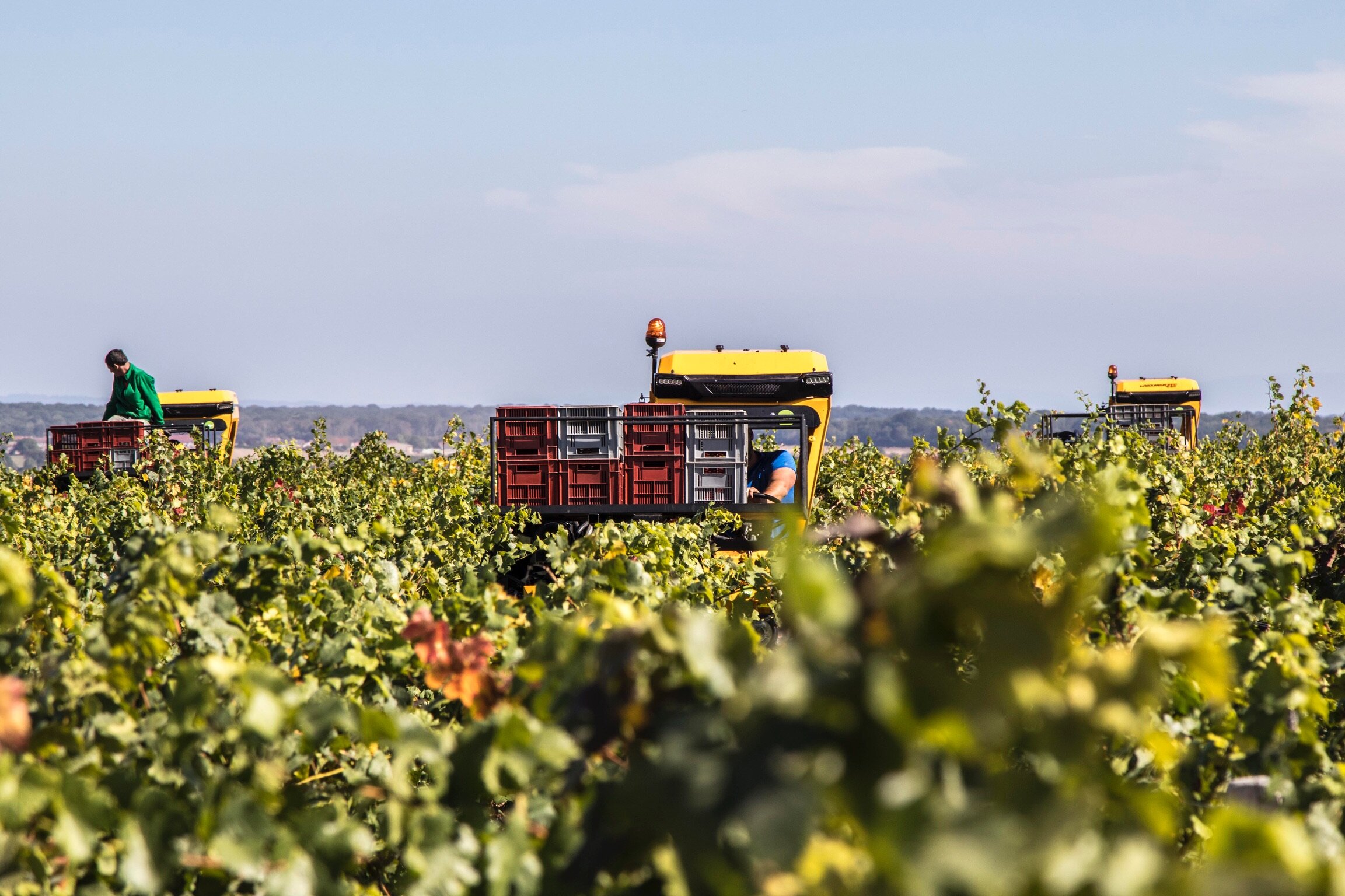
<h2>Where Provençal Wine Country Takes a Specific Shape</h2><p>The garrigue-covered hills between Draguignan and Flayosc represent a particular strain of Var viticulture, estates large enough to absorb a full agricultural calendar, old enough to carry institutional weight, and positioned precisely between the working domaine and the destination property. Château de Berne sits in that category, a five-star Relais & Châteaux address whose winemaking record stretches back to 1780 and whose contemporary identity is shaped by winemaker Alexis Cornu. The combination places it in a comparable set that includes other serious Provençal estates rather than purely hospitality-facing properties.</p><p> That distinction matters when evaluating what Château de Berne is actually offering. The wines are the founding logic of the place, and the hotel and spa have grown around them rather than the other way around.</p><h2>Alexis Cornu and the Approach to Var Rosé</h2><p>Provence's rosé category has undergone significant commercial pressure over the past decade. Volume production has expanded dramatically, pulling the regional identity toward pale, consistent, internationally palatable styles. Within that context, estates with winemakers who operate under a longer institutional memory, and with vineyards old enough to complicate that simplification, occupy a different position in the market.</p><p>Alexis Cornu's role at Château de Berne places the estate in that more deliberate tier. Working with a domaine whose documented history begins in 1780, Cornu operates within a frame that most Provence producers simply do not have access to. The first vintage date is not a marketing claim; it is a structural fact about the vineyard's age and accumulated site knowledge, and it shapes what the cellar can draw on when making decisions about extraction, blending, and release timing.</p><p>The Var sub-region of Provence tends to produce rosés with slightly more structure than those from the Côtes de Provence coastal strip, the elevation and inland position bringing more diurnal range and consequently more complexity at the phenolic level. Cornu's work at Berne operates within that regional advantage, and the estate's Pearl 2 Star Prestige recognition (2025) positions it in a noted tier of current critical assessment for the domaine category. For comparison, other Bordeaux-adjacent estates such as <a href="https://www.enprimeurclub.com/wineries/chateau-bastor-lamontagne">Château Bastor-Lamontagne in Preignac</a> and <a href="https://www.enprimeurclub.com/wineries/chateau-d-arche-sauternes-winery">Château d'Arche in Sauternes</a> demonstrate how French estate properties with deep historical roots tend to carry a different critical weight than newer operations, regardless of category.</p><h2>The Estate Format and What It Implies</h2><p>Relais & Châteaux membership at the five-star level carries specific obligations around architecture, service density, and culinary program. Membership is reviewed regularly and requires sustained performance across those criteria, which means the designation functions as a quality floor rather than a historical credential. For a Provençal property, that floor is set against strong regional competition, including estates in the Luberon and the Alpilles that have built considerable reputations in the same format.</p><p>What distinguishes Château de Berne within that competition is the agricultural depth. Many Relais & Châteaux properties in Provence are primarily hospitality operations with wine as an amenity. Here, the 1780 founding date and the presence of a named winemaker with a defined production philosophy indicate a different weighting. The cellar program is the anchor, and the hotel, spa, and countryside activities have been built to give guests sufficient time on the property to engage with it properly. Properties like <a href="https://www.enprimeurclub.com/wineries/chateau-desclans">Château d'Esclans in Courthézon</a> represent a related model in regional Provençal winemaking, where estate ambition and hospitality are developed in tandem.</p><p>The address at Chemin des Imberts, Flayosc puts the property in the eastern Var, a zone that has seen increasing interest from visitors who find the more-publicised western Provence corridors overcrowded during peak summer months. Flayosc itself is a village of modest scale with a weekly market and a Romanesque church that places it firmly in the slower register of rural Var life. The contrast with the polish of a five-star property is part of the appeal for guests who want access to both registers without sacrificing one for the other.</p><h2>The Provençal Hospitality Tier It Occupies</h2><p>Within Provence's premium accommodation set, properties split broadly between large-footprint resort operations with full conference infrastructure, smaller design-led addresses with minimal keys, and working estate properties where the agricultural program is central to the identity. Château de Berne occupies the third category with conviction, and the countryside activities referenced in its award citation are not peripheral. At an estate of this historical scale, access to the vineyards, the cellar, and the surrounding garrigue is part of the product in a way that a purely urban or coastal luxury property cannot replicate.</p><p>The positioning roughly ninety minutes from Cannes makes it accessible for arrivals through Nice Côte d'Azur, which handles substantial international traffic and connects easily to the Var hinterland by road. Guests arriving for events on the Croisette often extend into the Var for exactly this kind of contrast. The timing calculus is relevant: late spring and early autumn offer the most balanced conditions for both vineyard activity and outdoor movement, while August brings the full weight of the Provençal summer and the congestion that comes with it.</p><p>For context on the critical culture around French estate properties with long documented histories, estates like <a href="https://www.enprimeurclub.com/wineries/chateau-branaire-ducru-st-julien">Château Branaire Ducru in St-Julien</a>, <a href="https://www.enprimeurclub.com/wineries/chateau-clinet-pomerol">Château Clinet in Pomerol</a>, <a href="https://www.enprimeurclub.com/wineries/chateau-batailley-pauillac-winery">Château Batailley in Pauillac</a>, and <a href="https://www.enprimeurclub.com/wineries/chateau-belair-monange-saint-emilion-winery">Château Bélair-Monange in Saint-Emilion</a> all demonstrate how founding date and continuous production lineage inform the critical weight assigned to a producer. Berne's 1780 baseline puts it in historically serious company, even if its category, Provençal rosé and estate hospitality rather than classified Bordeaux, operates under different evaluative frameworks. Other Bordeaux classified properties such as <a href="https://www.enprimeurclub.com/wineries/chateau-boyd-cantenac-cantenac-winery">Château Boyd-Cantenac in Cantenac</a> and <a href="https://www.enprimeurclub.com/wineries/chateau-cantemerle-haut-medoc">Château Cantemerle in Haut-Médoc</a> show how different that Médoc classification tradition is from the Var estate model, though both reward visitors who engage with the agricultural context rather than treating the property as scenery.</p><h2>Planning a Visit</h2><p>Château de Berne operates year-round as a hotel and spa, with the winemaking calendar providing a natural rhythm for visits timed around harvest activity in September and October. The property's position in Flayosc means the nearest substantial town for additional context is Draguignan, about fifteen kilometres to the north. For the broader Var wine circuit, the estate connects naturally to the regional appellation network and provides a credible base for exploring the wider area. Guests interested in comparative French estate experiences across different appellations and categories may also find value in reviewing <a href="https://www.enprimeurclub.com/wineries/chateau-rieussec">Château Rieussec</a>, <a href="https://www.enprimeurclub.com/wineries/albert-boxler-niedermorschwihr-winery">Albert Boxler in Niedermorschwihr</a>, <a href="https://www.enprimeurclub.com/wineries/chartreuse-voiron-winery">Chartreuse in Voiron</a>, <a href="https://www.enprimeurclub.com/wineries/aberlour-aberlour-winery">Aberlour</a>, and <a href="https://www.enprimeurclub.com/wineries/accendo-cellars">Accendo Cellars in St. Helena</a> for a broader picture of how estate production and hospitality intersect across different wine cultures.</p>
Know before you go
- Dress code
- smart_casual
- Reservations
- recommended
- Parking
- on_site_lot
- Payment
- credit_card, contactless
- Outdoor seating
- Yes
- Groups
- Welcomed
Frequently asked
Has Château de Berne won any awards?
Château de Berne has received recognition including: Experience the chicest of Provençal lifestyles at this five-star Relais & Chateaux hotel and spa. Just over an hour from Cannes, countryside activities are rewa; Pearl 2 Star Prestige (2025); Experience the chicest of Provençal lifestyles a….
Where is Château de Berne in Fargues?
Château de Berne is located at Chemin des Imberts, 83780 Flayosc, Fargues.
What's the signature bottle at Château de Berne?
The estate's rosé range, produced under winemaker Alexis Cornu, sits at the premium end of Var production and earned Pearl 2 Star Prestige recognition in 2025. Cornu's approach in the Flayosc hills prioritises restraint over volume, which separates Berne's output from the bulk of commercial Provence rosé on the market.
What should I know about Château de Berne before I go?
Château de Berne is a five-star Relais & Châteaux property on Chemin des Imberts in Flayosc, roughly an hour from Cannes. It operates as a combined hotel, spa, and working winery, so the stay is shaped as much by the winemaking calendar as by the standard resort rhythm. The 2025 Pearl 2 Star Prestige award for the wine programme confirms the estate's standing beyond its hospitality offering.
Can I walk in to Château de Berne?
As a Relais & Châteaux property operating at the five-star level, Château de Berne runs on a reservation-led model for both accommodation and dining. The estate's rural Var location, off Chemin des Imberts outside Flayosc, means walk-in access is impractical in any case. Advance booking is the standard approach.
What makes Château de Berne different from other Provence wine-hotel estates?
Château de Berne holds both five-star Relais & Châteaux status and a Pearl 2 Star Prestige award (2025) for its wine, a combination that positions it above hotels that treat the vineyard as scenery rather than substance. Winemaker Alexis Cornu leads production from the Flayosc terroir in the Var, placing the estate within a specific strand of inland Provençal viticulture distinct from the more commercially exposed appellations closer to the coast.
Who is Château de Berne best for?
The estate suits travellers who want Provençal wine country at a five-star Relais & Châteaux standard rather than a coastal resort format. Winemaking visitors will find the Pearl 2 Star Prestige-rated programme under Alexis Cornu a specific draw, while those based in or around Cannes have a credible countryside alternative within an hour's drive. It is less suited to travellers seeking urban access or conference-scale facilities.
Address
Chemin des Imberts, 83780 Flayosc
Fargues · Provence
How it compares
- Price
- $$$$
- Awards
- World's 50 Best #43
- Notes
- Fargues, Grenache, Cinsault
- Price
- $$$$
- Awards
- 1 recognition
- Notes
- Fargues, Semillon, Sauvignon Blanc
- Price
- $$$$
- Awards
- World's 50 Best #34
- Notes
- Châteauneuf-du-Pape, Grenache, Mourvèdre
- Price
- $$$$
- Awards
- World's 50 Best #42
- Notes
- Ampuis, Syrah, Viognier
- Price
- $$$
- Awards
- World's 50 Best #59
- Notes
- Nuits-Saint-Georges, Pinot Noir, Chardonnay
- Price
- $$$
- Awards
- World's 50 Best #42
- Notes
- Tain-l'Hermitage, Syrah