Made ByRestaurant
Château de Pleujouse
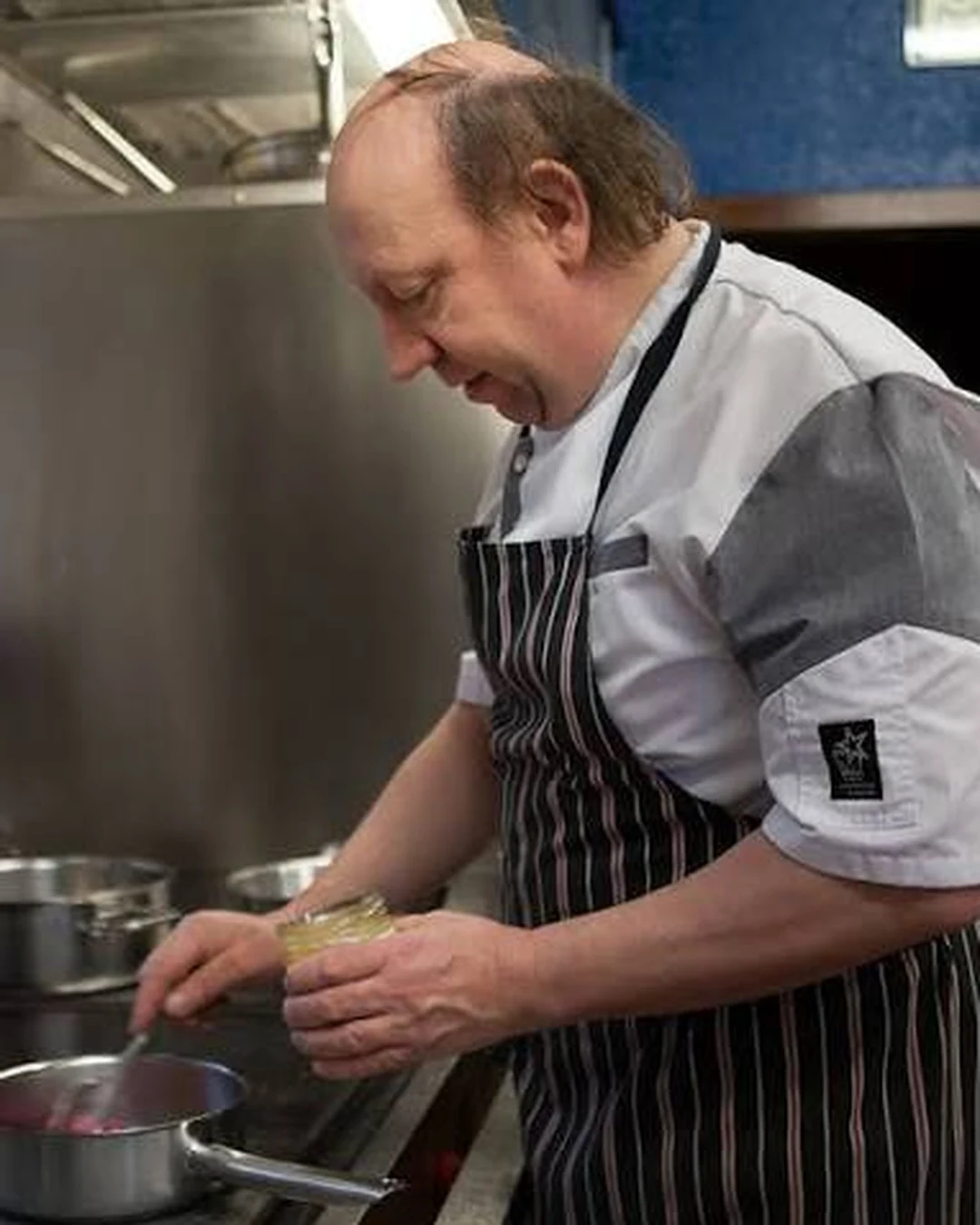
Chef in Residence
Gérard Praud
Chef
- 01CuisineFrench Regional Fine Dining
- 02CityPleujouse, Switzerland
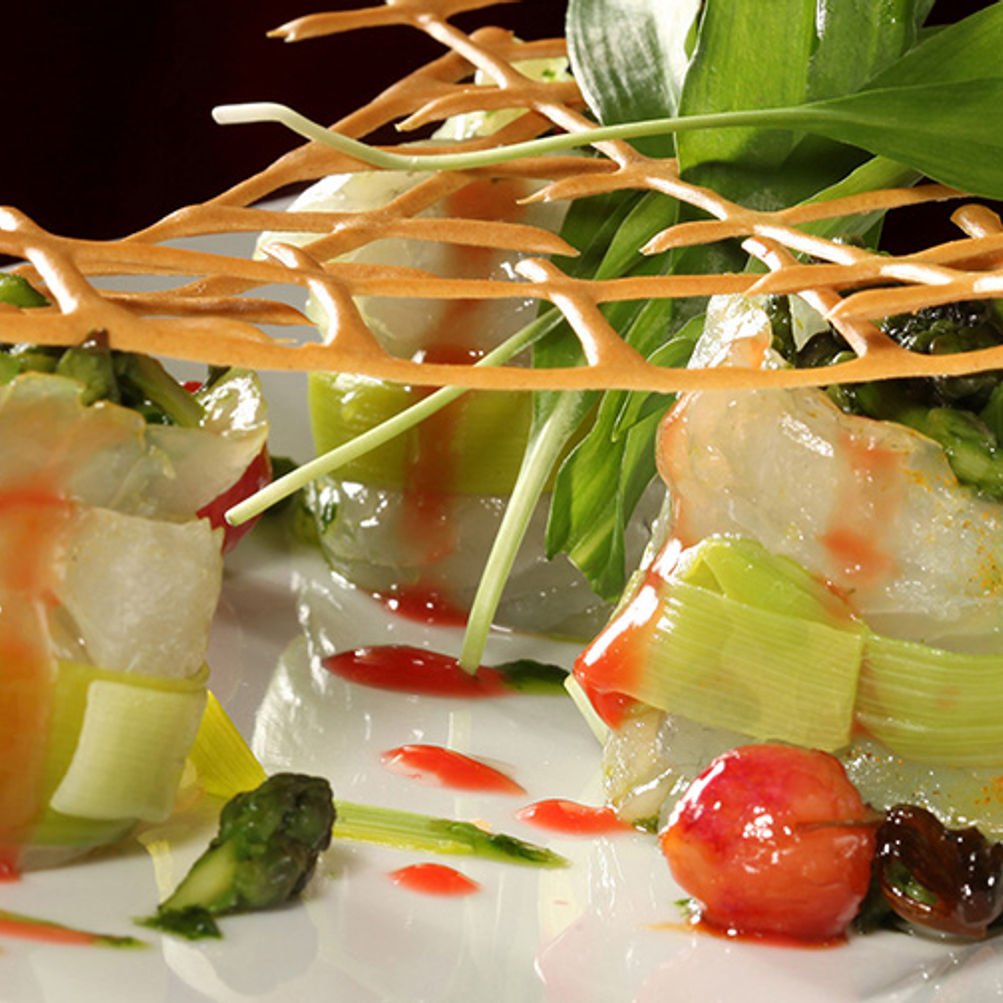
Château de Pleujouse holds back-to-back Michelin Bib Gourmand recognition (2024 and 2025) for traditional cuisine in a village setting in the Jura region of northwest Switzerland. Under chef Gérard Praud, the kitchen delivers regional cooking at a mid-range price point that sits well below the country's three-star tier, making it one of the more accessible Michelin-recognised addresses in the Swiss interior.
- Michelin Bib Gourmand
At a glance
- Cuisine
- French Regional Fine Dining
- Price
- $$$$
- Hours
- Mon: Closed; Tue: Closed; Wed: Closed; Thu: 12 PM–12 AM; Fri: 12 PM–12 AM; Sat: 12 PM–12 AM; Sun: 12 PM–12 AM
- Neighborhood
- Pleujouse
- Rating
- 4.6 (177)
<h2>A Village Castle, a Regional Kitchen</h2><p>Château de Pleujouse is a restaurant in Pleujouse, Switzerland, serving French Regional Fine Dining at a €€€€ price tier. Approach Pleujouse from the main road and the settlement announces itself in the way that Swiss Jura villages do: compact, unhurried, built around agricultural rhythms rather than tourism. Le Château 18 sits at the physical and, arguably, the culinary centre of that setting. The building carries the architectural weight of a château in the regional sense, stone, proportion, a certain solidity, and the dining room reads as an extension of that character rather than a contrast to it. This is not a space designed to impress visitors arriving from Zurich or Basel with metropolitan expectations; it is a space that makes sense to the landscape around it.</p><p>The Bib Gourmand designation, held consecutively in 2024 and 2025, signals a specific editorial position in Michelin's hierarchy: cooking of genuine quality at a price point the guide considers favourable. At a €€€€ price tier, Château de Pleujouse operates in a different register from Switzerland's three-star addresses. Restaurants like <a href="https://www.enprimeurclub.com/restaurants/schloss-schauenstein-furstenau-restaurant">Schloss Schauenstein in Fürstenau</a> or <a href="https://www.enprimeurclub.com/restaurants/memories-bad-ragaz-restaurant">Memories in Bad Ragaz</a> occupy the €€€€ bracket, where tasting menus and extensive cellar programs set the terms of engagement. The Bib Gourmand category exists precisely because Michelin recognises that value and quality are not mutually exclusive, and a consecutive nomination across two years suggests the kitchen is consistent rather than fortunate.</p><h2>The Tradition Chef Gérard Praud Works Within</h2><p>Traditional cuisine, as a Michelin category, implies a commitment to established technique and regional identity over innovation for its own sake. In the Jura context, that means a culinary vocabulary shaped by the land: dairy products from high-altitude pastures, freshwater fish, cured meats, and the kind of slow-cooked preparations that reflect a climate and a culture rather than a trend. Chef Gérard Praud works within this framework, and understanding that framework matters more than the biographical arc of the individual behind it.</p><p>The Swiss-French border region around the Jura has long operated in a culinary middle ground between Alsatian richness to the north and the more restrained French tradition to the west. Chefs working here rarely appear in the conversation alongside the avant-garde names at <a href="https://www.enprimeurclub.com/restaurants/focus-atelier-vitznau-restaurant">focus ATELIER in Vitznau</a> or IGNIV Zürich by Andreas Caminada, but that is by design. The Bib Gourmand is not a consolation prize in a competition for stars; it is recognition of a different ambition entirely. Praud's kitchen, nominated twice in succession, appears to have found a stable expression of that ambition, regional, grounded, and priced for a broad audience rather than an expense-account one.</p><p>For comparison, the Bib Gourmand tradition in France has long surfaced places like Auberge Grand'Maison in Mûr-de-Bretagne, where classical country cooking carries genuine recognition. Château de Pleujouse operates in a similar register: the kind of restaurant that a knowledgeable local would name without hesitation and that a travelling visitor might otherwise drive past.</p><h2>Where This Fits in Swiss Dining</h2><p>Switzerland's restaurant scene has a structural peculiarity worth noting: the country's highest-profile addresses cluster in accessible urban centres or alpine resort towns, leaving the rural interior underrepresented in most editorial coverage. Multi-star kitchens like <a href="https://www.enprimeurclub.com/restaurants/hotel-de-ville-crissier-crissier-restaurant">Hotel de Ville Crissier in Crissier</a>, <a href="https://www.enprimeurclub.com/restaurants/cheval-blanc-by-peter-knogl-basel-restaurant">Cheval Blanc by Peter Knogl in Basel</a>, or <a href="https://www.enprimeurclub.com/restaurants/latelier-robuchon-geneva-restaurant">L'Atelier Robuchon in Geneva</a> attract visitors who have built an itinerary around dining. Château de Pleujouse attracts visitors who have found it, which is a meaningful distinction.</p><p>The €€€€ price tier also places it outside the typical planning calculus for dedicated food travellers, who tend to concentrate spend at the top tier. That is the Bib Gourmand paradox: the award creates enough visibility to draw curious visitors while the pricing keeps the dining room accessible to the local community that probably sustains it through the quieter months. A Google rating of 4.6 across 177 reviews suggests the two constituencies, locals and out-of-town visitors, are arriving at similar conclusions.</p><p>Other regional Swiss addresses with comparable positioning include <a href="https://www.enprimeurclub.com/restaurants/einstein-gourmet-sankt-gallen-restaurant">Einstein Gourmet in Sankt Gallen</a> and <a href="https://www.enprimeurclub.com/restaurants/colonnade-lucerne-restaurant">Colonnade in Lucerne</a>, though those operate in urban settings where foot traffic differs substantially from a Jura village. The rural equivalents of Château de Pleujouse are rarer, which gives the consecutive Bib Gourmand nomination a specific contextual weight: sustaining Michelin recognition in a small village, away from tourist flows and urban density, reflects a kitchen that performs because it has to, not because the setting draws visitors regardless.</p><p>For those building a broader Swiss itinerary around dining, it is worth noting that <a href="https://www.enprimeurclub.com/restaurants/da-vittorio-st-moritz-st-moritz-restaurant">Da Vittorio in St. Moritz</a> and <a href="https://www.enprimeurclub.com/restaurants/7132-silver-vals-restaurant">7132 Silver in Vals</a> represent the alpine resort end of the spectrum, where setting and reputation are intertwined. Château de Pleujouse offers something structurally different: Michelin recognition without the resort infrastructure, priced accordingly.</p><h2>Planning a Visit</h2><p>Pleujouse sits in the canton of Jura, the country's youngest canton and one of its least touristically developed, which means arriving requires intention. The village is accessible by car from Basel in under an hour and from Biel/Bienne in approximately the same duration, making it a feasible lunch destination for visitors based in either city. There is no hotel infrastructure in the village itself, for overnight stays, the wider Jura region and its small-town accommodation offers the closest options, though our full Pleujouse hotels guide covers what is available in the area.</p><p> The Bib Gourmand designation generates meaningful traffic for venues of this scale, and a small dining room in a rural château is unlikely to absorb walk-in demand with any reliability. Plan accordingly.</p><p>For those spending longer in the area, our full Pleujouse restaurants guide maps the broader dining picture, while bars, wineries, and experiences in the canton round out an itinerary beyond the restaurant itself. The Jura region produces its own wines, largely unknown outside Switzerland, and the agricultural character of the area rewards visitors who take time to look beyond the single destination that brought them there. Traditional cuisines like Praud's at Château de Pleujouse, and comparable addresses such as <a href="https://www.enprimeurclub.com/restaurants/auga-gijon-restaurant">Auga in Gijón</a>, tend to make more sense when experienced in context rather than as isolated stops on a tasting itinerary.</p>
Know before you go
- Dress code
- smart_casual
- Reservations
- recommended
- Parking
- on_site_lot
- Accessibility
- wheelchair_accessible
- Outdoor seating
- Yes
- Groups
- Welcomed
Frequently asked
Is Château de Pleujouse okay with children?
At the €€ price range, the financial barrier is low enough to make a family visit practical. The traditional cuisine format and rural Pleujouse setting suit older children with an appetite for regional cooking rather than à la carte flexibility. A Bib Gourmand kitchen prioritises honest, composed plates, so expect a sit-down pace rather than an informal one.
What is the atmosphere like at Château de Pleujouse?
This is a Michelin Bib Gourmand address in a Swiss Jura village, not a multi-star city restaurant: the tone is grounded and regional rather than formally ceremonious. The château setting gives the room a degree of character that a standard village auberge would not, but the €€ pricing signals a convivial, unfussy register. Arrive expecting warmth over white-glove service.
Is Château de Pleujouse Michelin-listed?
Château de Pleujouse has received recognition including: Michelin Bib Gourmand (2025); Michelin Bib Gourmand (2024).
What should I order at Château de Pleujouse?
The restaurant holds consecutive Bib Gourmand recognition (2024 and 2025) under chef Gérard Praud for its traditional cuisine, which in Jura means dishes rooted in the region's agricultural and pastoral identity. Follow that designation: the safest strategy at a kitchen earning repeat Michelin recognition through regional commitment is to order whatever reflects the season and local produce rather than looking for internationally familiar options.
Address
Le Château 18, 2953 Pleujouse, Switzerland
Pleujouse
How it compares
- Cuisine
- French Regional Fine Dining
- Price
- $$$$
- Awards
- Michelin Bib Gourmand
- Notes
- Pleujouse
- Cuisine
- French Contemporary Bistro
- Price
- $$$
- Awards
- Michelin Bib Gourmand
- Notes
- Saint-Légier-La Chiésaz
De la Gare - La Table des Suter
- Cuisine
- Classic French Fine Dining
- Price
- $$$$
- Awards
- Michelin Plate
- Notes
- Lucens
- Cuisine
- Modern French-Mediterranean Fine Dining
- Price
- $$$$
- Awards
- Michelin Plate
- Notes
- Villars-sur-Ollon
- Cuisine
- Modern French Fine Dining with Swiss Terroir
- Price
- $$$$
- Awards
- Michelin Plate
- Notes
- Villars-sur-Ollon
- Cuisine
- Classic French Bistronomique
- Price
- $$$
- Awards
- Michelin Bib Gourmand
- Notes
- Champel
In residence
Similar places
Japanese-influenced Californian Kaiseki
Single Thread Farm
Healdsburg, United States
★★★ · 50 Best
French Seafood Fine Dining
Le Bernardin
New York City, United States
★★★ · 50 Best
Modern Korean Tasting Menu
Atomix
New York City, United States
★★ · 50 Best
French
Sézanne
Tokyo, Japan
★★★ · 50 Best
Modern Seafood Fine Dining
Providence
Los Angeles, United States
★★★ · 50 Best
Contemporary Plant-Based Fine Dining
Eleven Madison Park
New York City, United States
★★★ · 50 Best