Noble rot, Barsac, estate fruit
- Falstaff Winery - Listed · 2026
- Pearl 4 Star Prestige · 2025
The estate fruit and the long season
Noble rot sets the pace at Château Nairac in Barsac. The estate is a classified Second Growth from 1855, set in Barsac AOC and given to dessert wine shaped by Sémillon, Sauvignon Blanc and Muscadelle. It works from a small production scale, with 25,000-30,000 bottles annually from 16.9 hectares. The house is not presented through a named winemaker, so the craft has to be read through the place: the fruit, the appellation, the cellar, the length of the season.
At a Sauternes-style estate, the decisive gesture is often refusal. Pick too early and the wine loses its depth. Wait without discipline and the crop can go past usefulness. That is the whole argument of Barsac compressed into a single decision, repeated across a harvest that arrives in stages rather than in one week, and it is why the vineyard rather than the cellar sets the ceiling on what the vintage can become.
Botrytis as a harvest decision
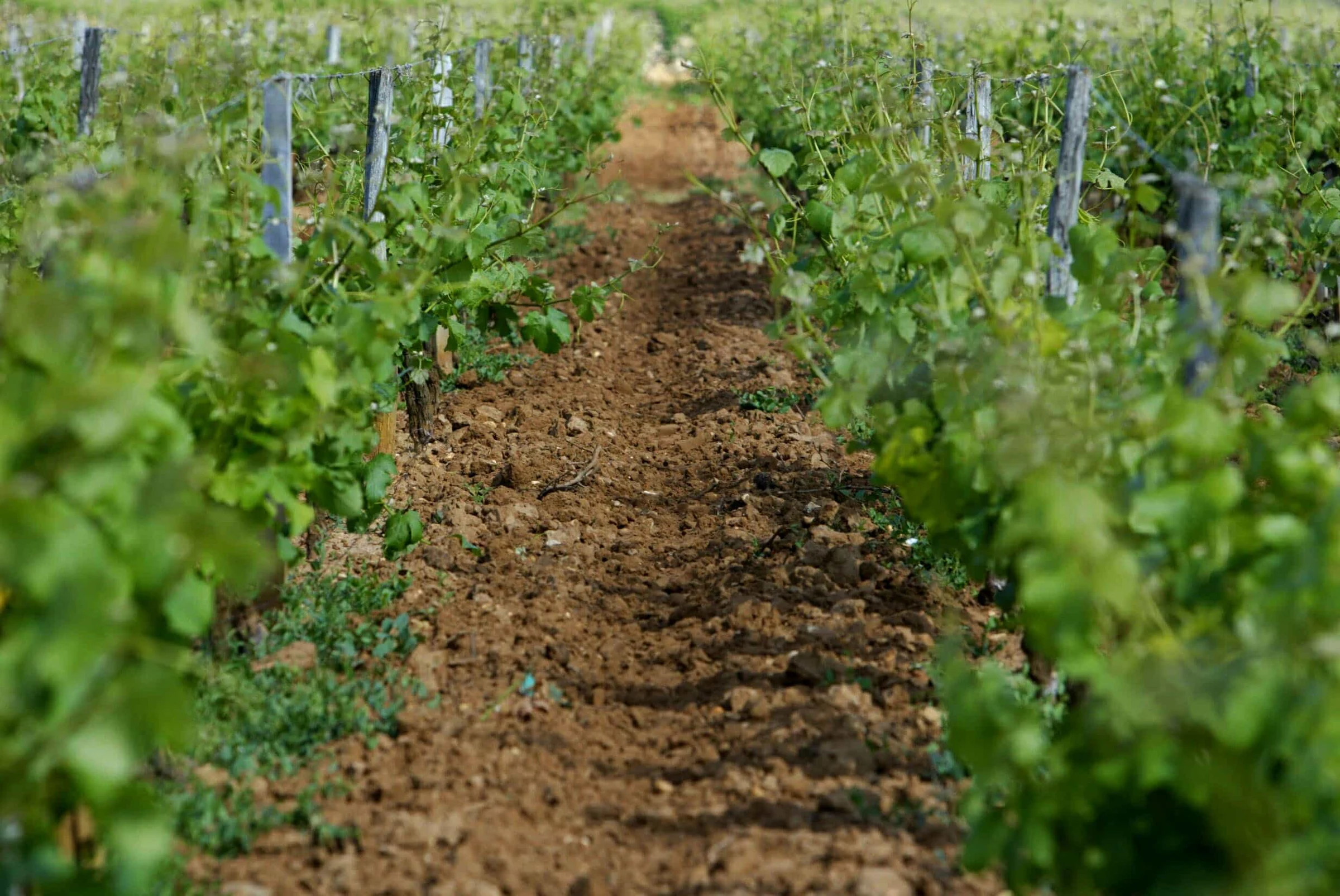
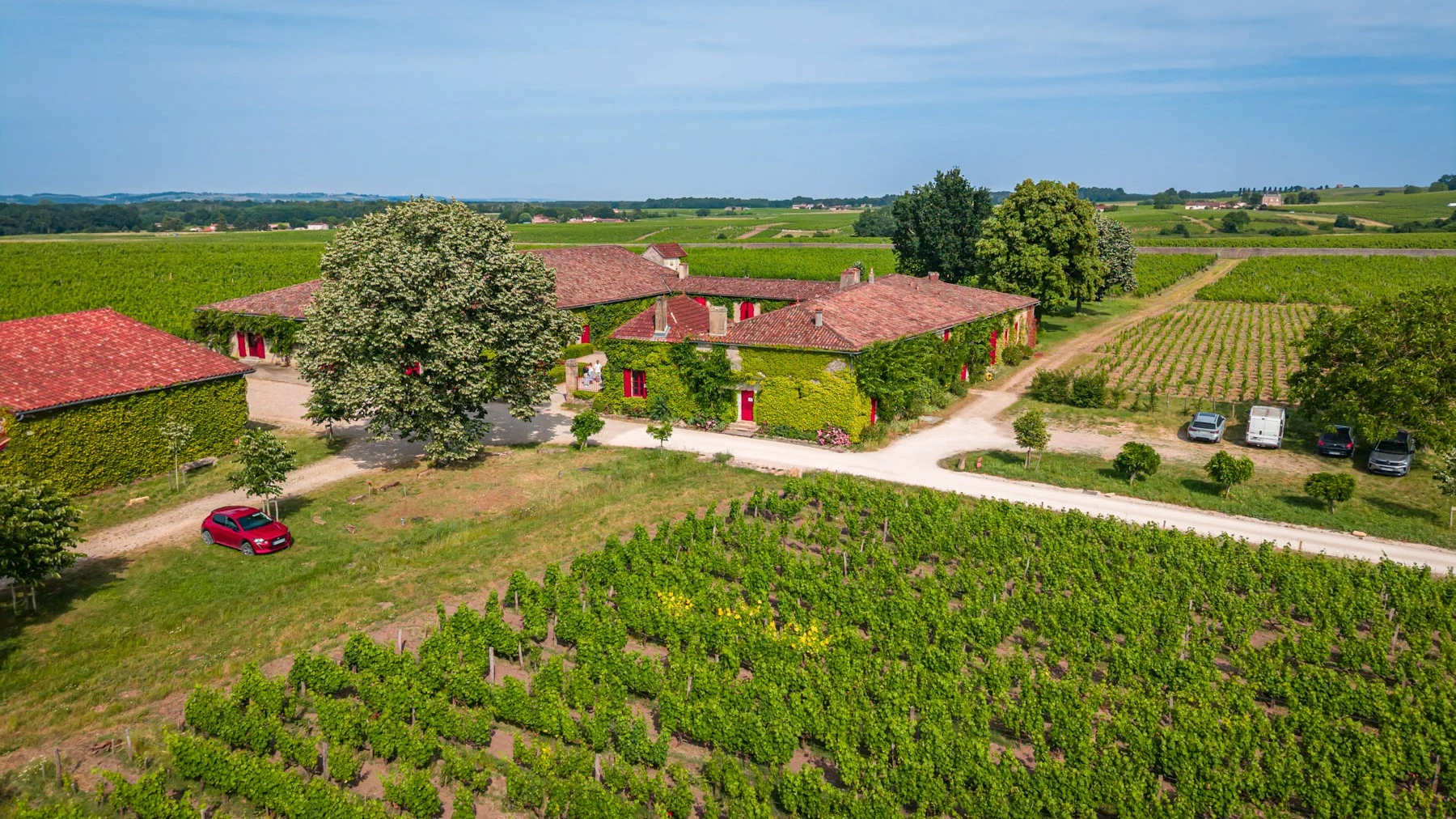
The program rests on grapes affected by noble rot, the condition that concentrates the berry and turns harvest into a sequence of passes rather than a single act. Château Nairac’s vineyard material is described across 17 hectares of clay-limestone and gravelly terroir near the Garonne River, an arrangement that belongs to the humid logic of Barsac and Sauternes. Sémillon carries the centre of the blend; Sauvignon Blanc and Muscadelle sit beside it, each with its own task in the glass.
The estate does not frame its work as scale. Its published range of 25,000-30,000 bottles keeps the attention on selection, not volume. In this kind of cellar, measurement is less theatrical than necessary: the moment of picking, the condition of each lot, the way sweetness meets acidity before the wine settles into its final shape. Conventional production philosophy is noted, but the deeper discipline is older than that word. The vineyard must be read repeatedly, row by row, as botrytis changes the available fruit.
Quiet rooms, old stone, sweet wine
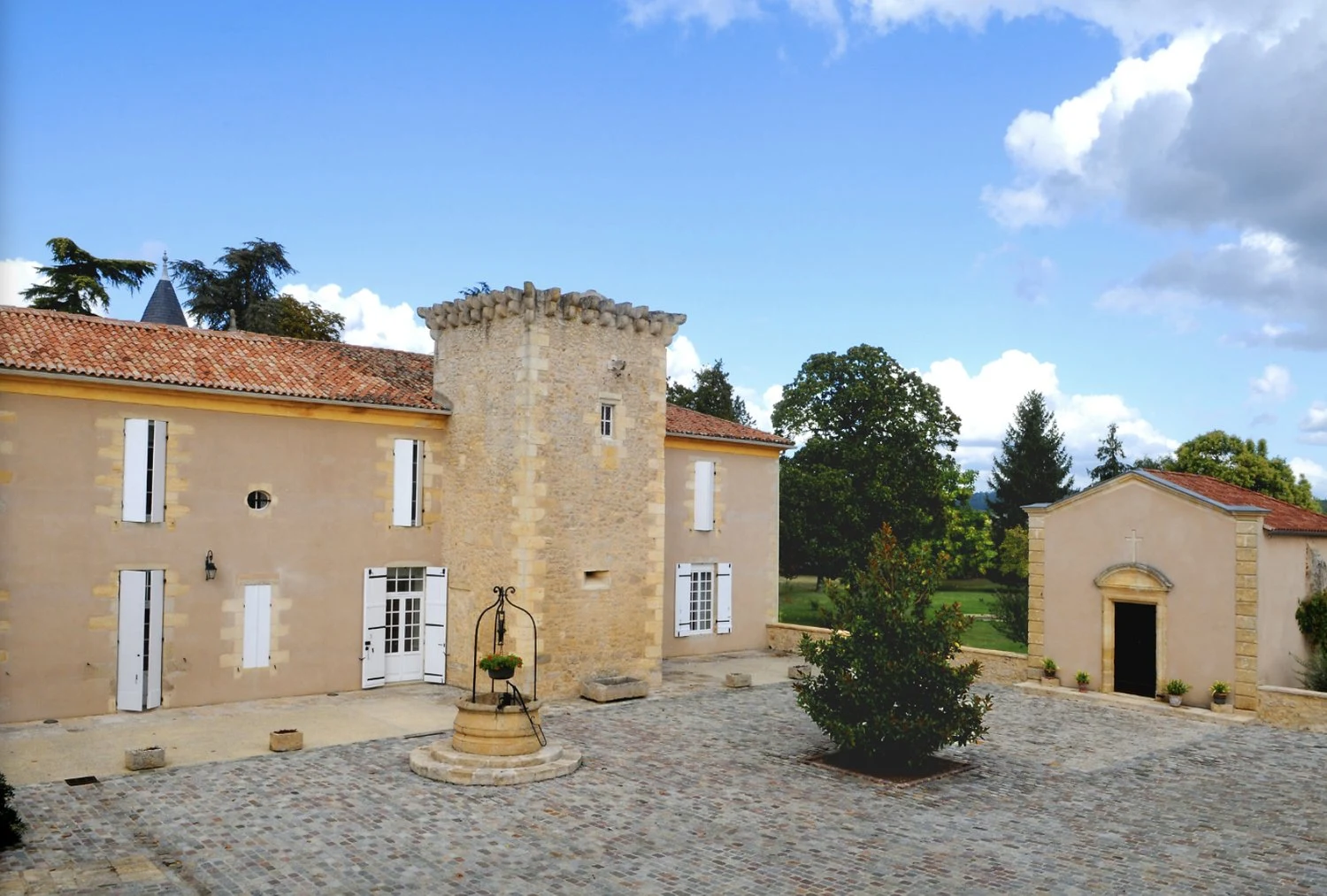
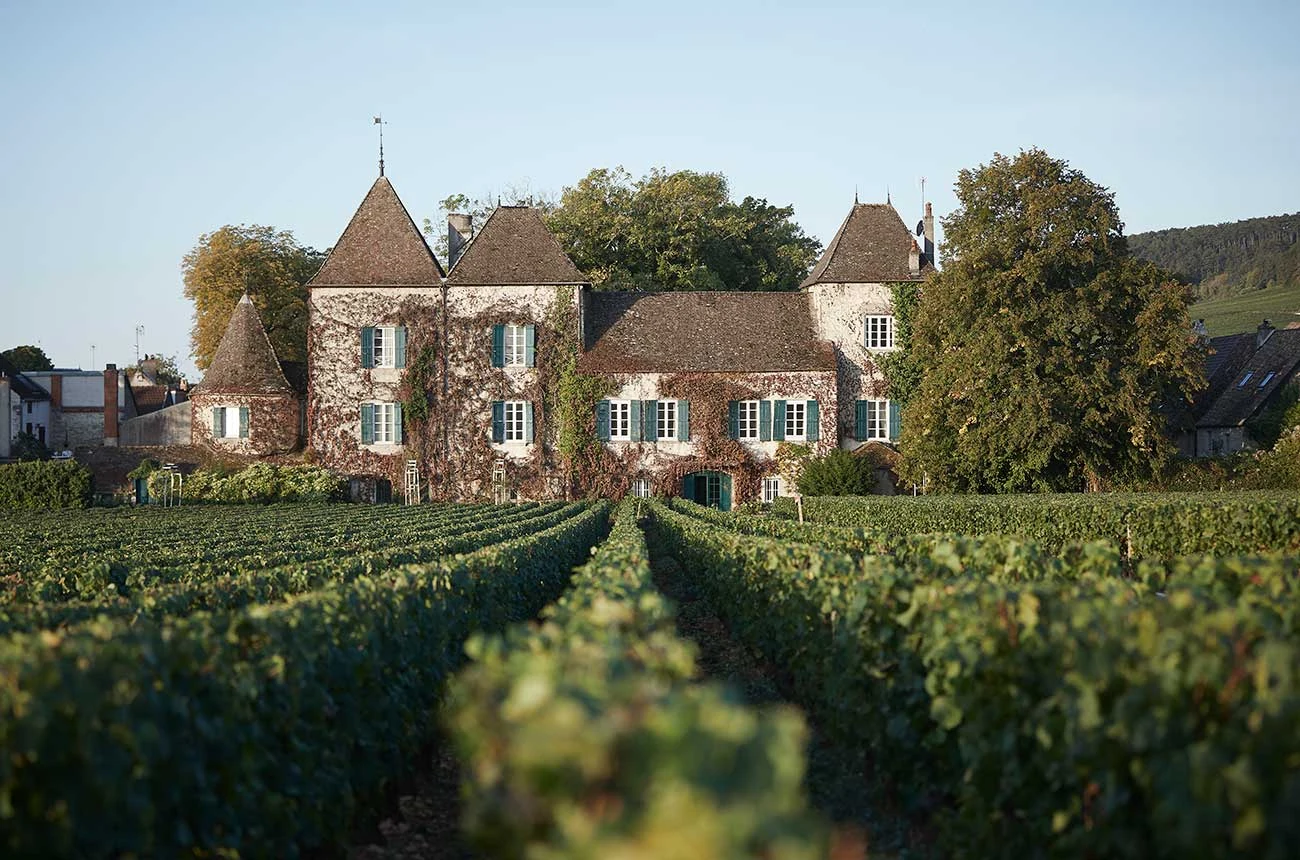
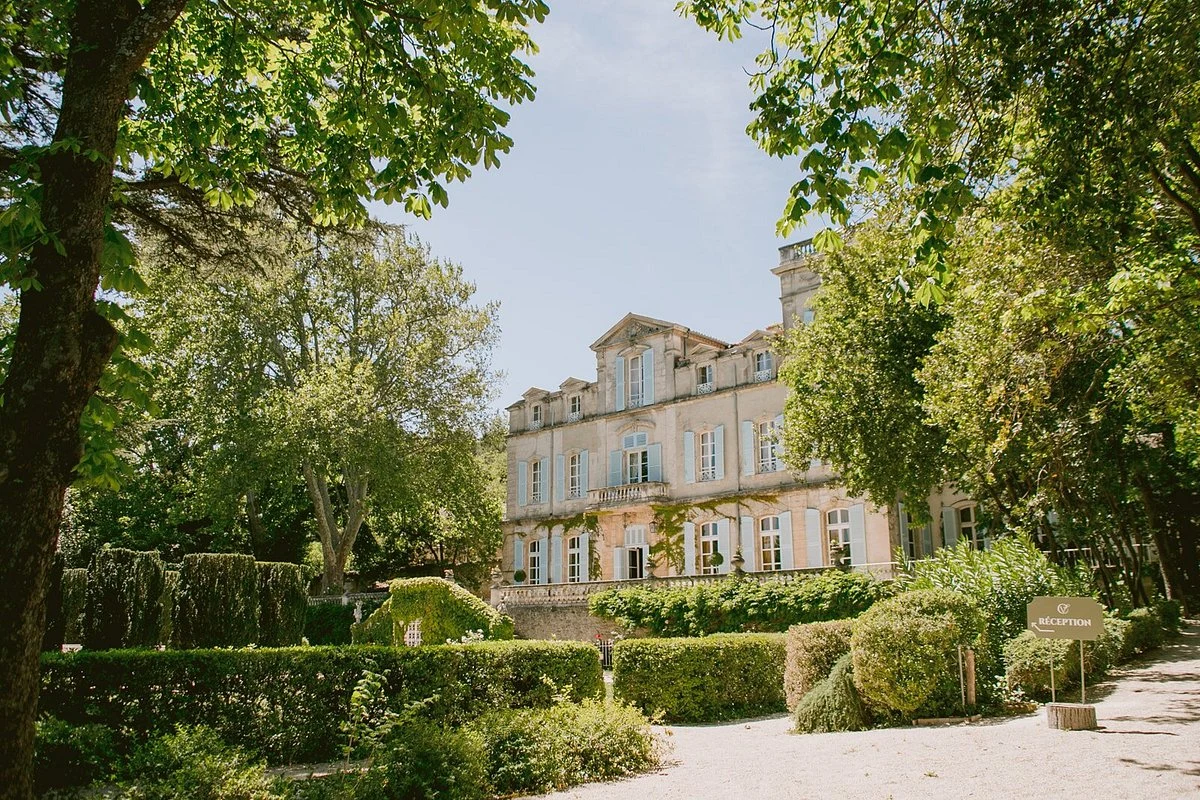
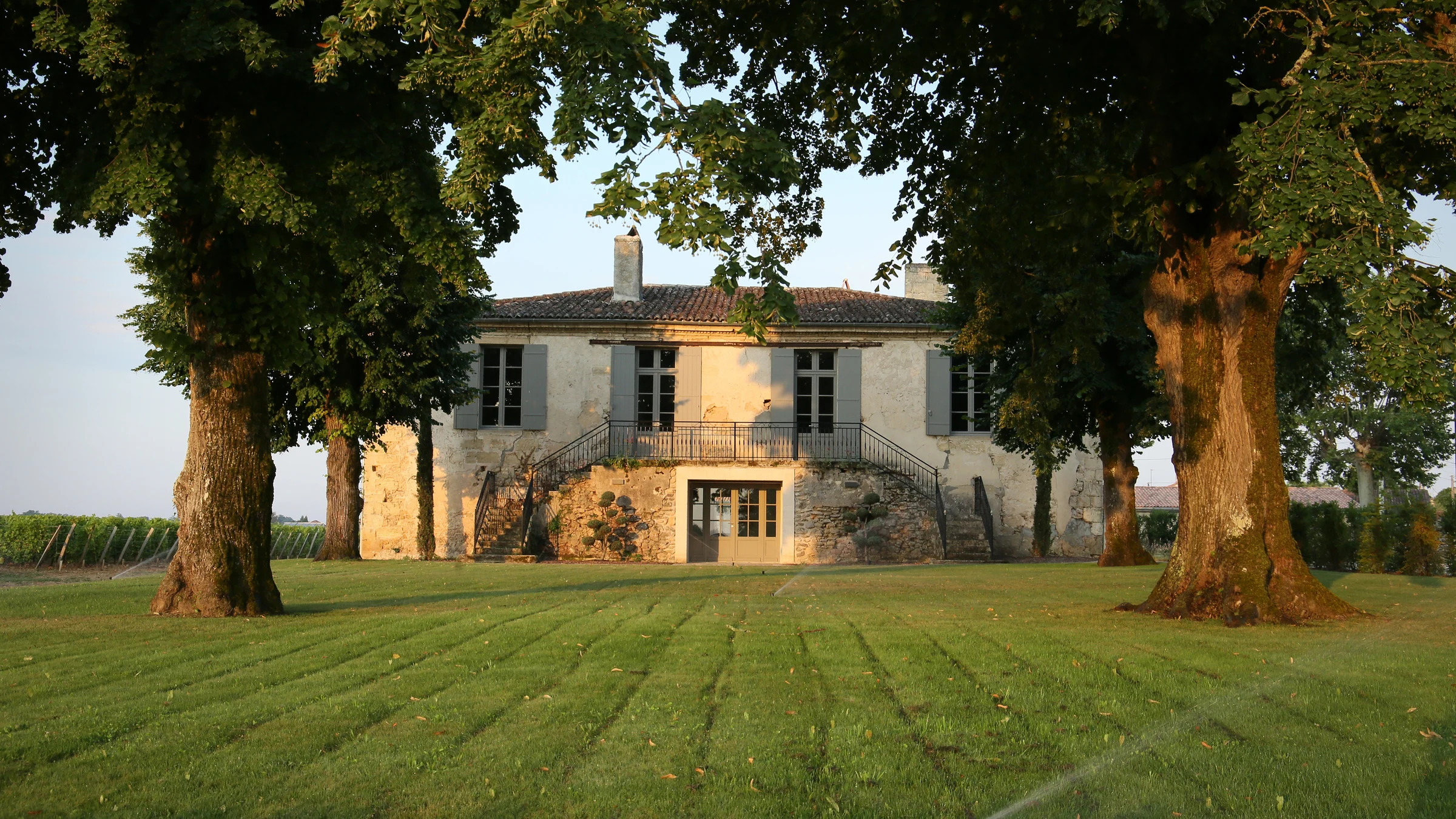
The château gives the work a formal frame without making it feel ornamental. Architectural elements reach back to the 17th century, while the house was redesigned in the 18th century and later restored. The setting is quiet, with rolling vineyard terraces around the estate and the Garonne close enough to belong to the wine’s weather. In the tasting room, the register is estate tasting rather than spectacle: a glass, the wine’s weight, the line of acidity that keeps dessert wine from becoming only sweetness.
The cellar and the room share that restraint. Barsac does not need a louder stage, and an estate of this size could not build one if it wanted to. The useful facts are already tactile: clay-limestone, gravel, Sémillon, Sauvignon Blanc, Muscadelle, noble rot, and a harvest that has to be walked more than once. Château Nairac is most legible through the Barsac AOC glass.
Questions
Frequently asked
What is Château Nairac known for?
Château Nairac makes Barsac dessert wine shaped by noble rot and estate fruit. It is a classified Second Growth from 1855 in Barsac AOC, and the work is built around Sémillon, Sauvignon Blanc and Muscadelle.
How large is the estate’s production?
The estate works on a small scale, with 25,000 to 30,000 bottles produced each year from 16.9 hectares.
What kind of visit is it?
The house is presented as an estate tasting rather than a public-facing spectacle. Visits are by appointment only.
Is there practical information for arriving and dressing?
There is on-site parking, and the dress code is smart casual.
The field
How it compares
| Place | Notes |
|---|---|
| Château Nairac | Barsac, $$$$ |
| Château Climens | Barsac |
| Château Coutet | Barsac |
| Château de l'Aumérade | Barsac |
| Château de Selle | Barsac |
| Château Doisy Dubroca | Barsac |
| Château Doisy-Daëne | Barsac |