Mauzac at 350 meters
- Falstaff Winery - Listed · 2026
Fruit carried from row to cellar
The vineyard decisions come first for Jan Panman, winemaker at Chateau Rives-Blanques in Cepie, where he works between the rows and the cellar. His station is not a single bench. It begins with the living material, then follows Mauzac, Chenin Blanc, and Chardonnay through the quieter discipline of pressing, fermentation, and blend. The estate has belonged to the Panman family since 2001, and Jan's work sits at the seam between vineyard management and winemaking, a practical role shaped by daily observation as much as by cellar judgment. Chateau Rives-Blanques farms its own fruit in Limoux AOC, on the Plaine de Roquefort above the Upper Aude Valley. The property works organically, with sustainable practice at the center of the program, and makes white and sparkling wines rather than building a cellar around volume. Jan's signature here includes Dédicace, a wine that keeps the estate's work close to its central question: how to carry altitude, acidity, and fruit through the method without losing the hand that grew it.
Three grapes at 350 meters
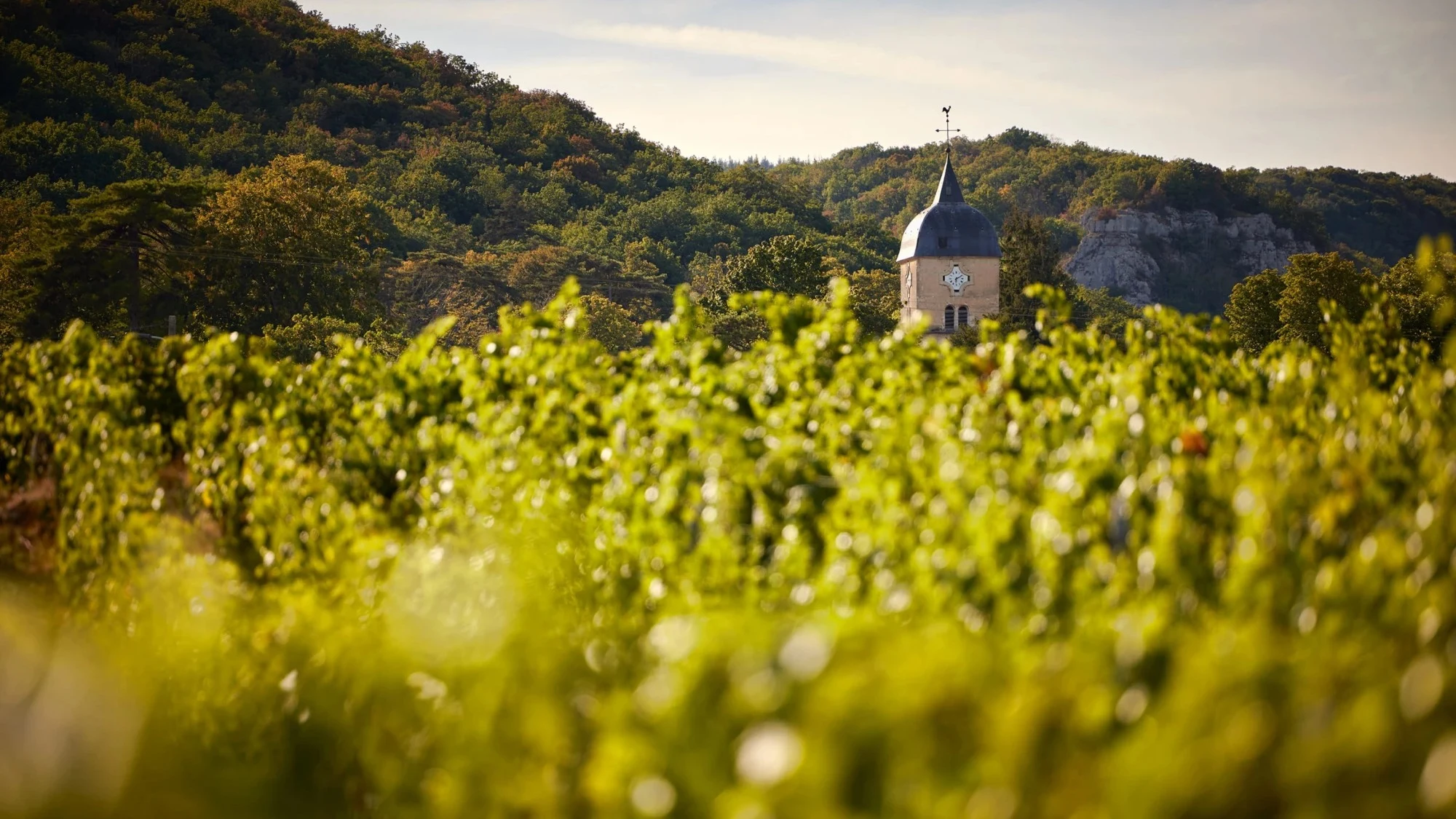
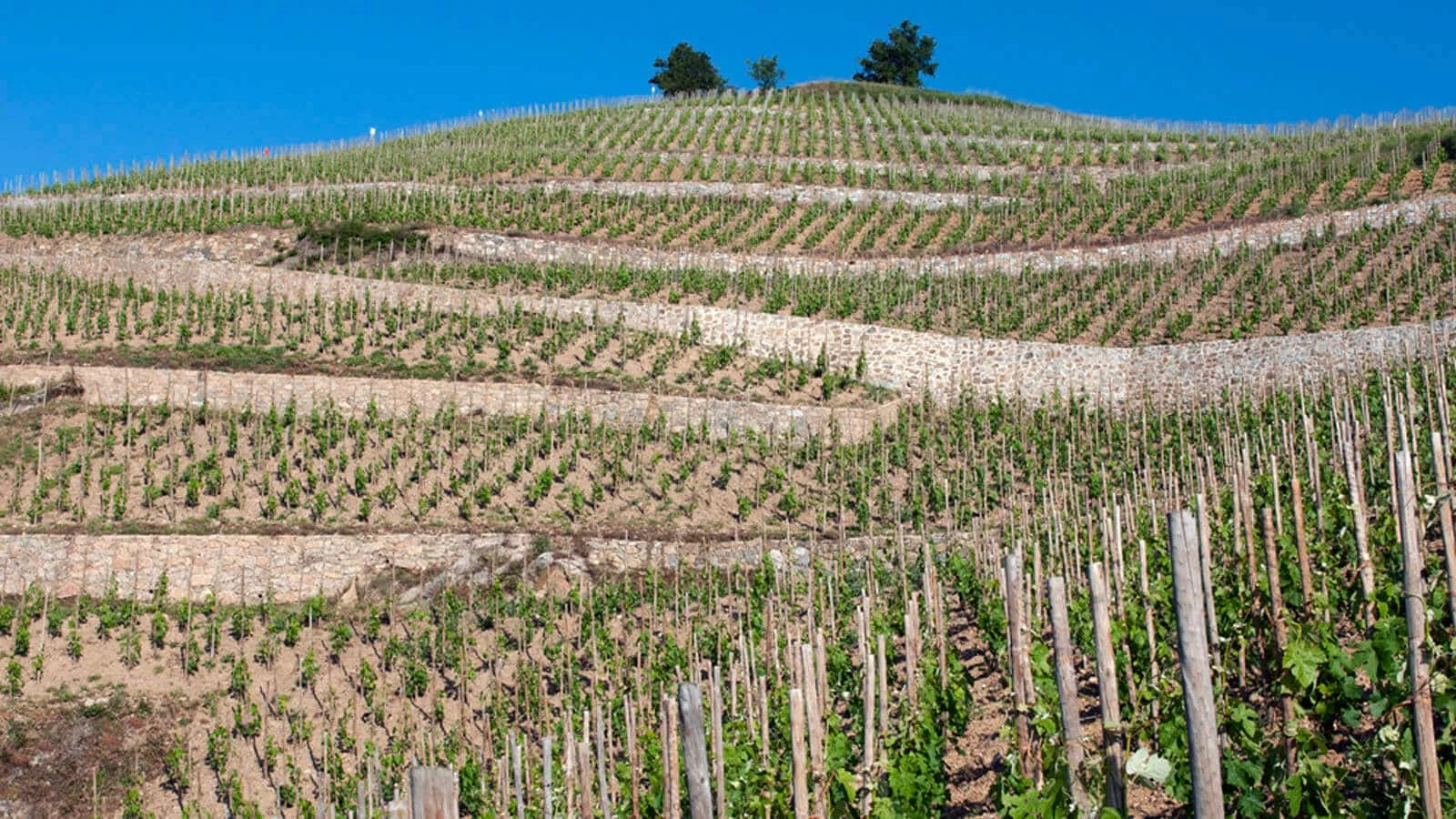
The craft of this place begins with height. The vines sit at 350 meters above sea level, where Mediterranean warmth meets Atlantic coolness and the grapes can ripen without giving up freshness too early. The estate runs to roughly 18–30 hectares, a small enough scale for the vineyard and cellar to remain in conversation. Mauzac gives the house a direct line into Limoux's older sparkling tradition; Chenin Blanc and Chardonnay broaden the register of the still whites and the sparkling program. For traditional-method wines, the second fermentation takes place in bottle, the Limoux discipline that predates Champagne by more than a century. Still whites may move through stainless steel or oak, depending on the wine, with temperature control used to hold fruit and line. One Mauzac bottling draws 90% of its fruit from Le Jardin, where 55- to 80-year-old bush vines grow without clonal selection, and the remaining 10% from a second site. Those figures matter because they show the estate's preference for source over scale.
The cellar below the Pyrenees
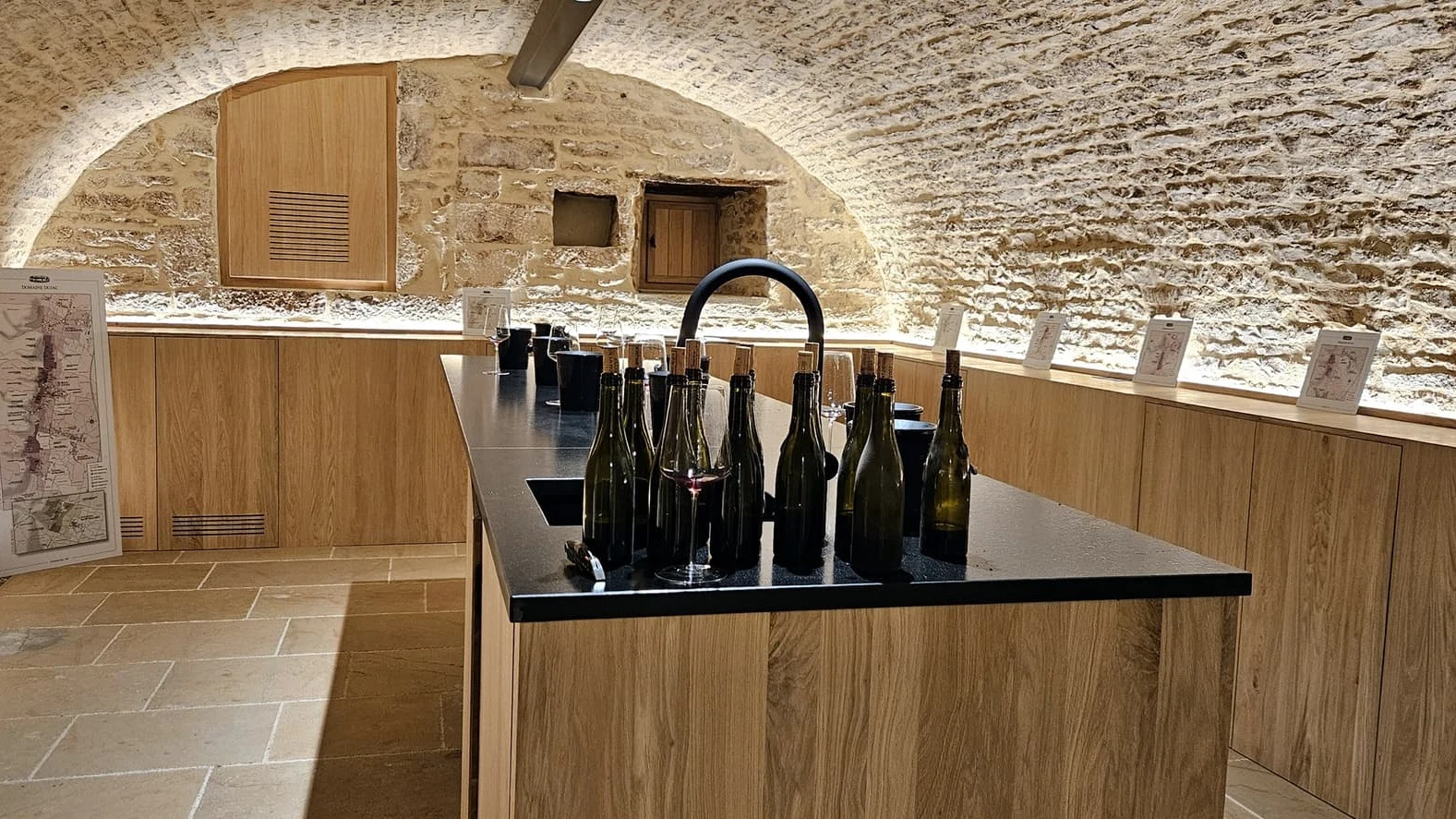
The room at Chateau Rives-Blanques has the calm of a working family estate rather than the polish of a performance. Outside, the vineyard terrace looks toward the Pyrenees, with woodland and Natura 2000 protected landscape around the property; inside, the cellar keeps the attention on tanks, barrels, bottles, and the sequence of decisions that move a wine from harvest to release. Tastings happen at the estate, often with the cellar and vineyard close enough in mind that the glass does not feel separated from the slope. That suits the wines. White and sparkling Limoux asks for patience in small adjustments, for picking dates, press fractions, lees, and blend to stay aligned. Jan Panman's work remains most legible in that passage from vineyard terrace to Dédicace.
Questions
Frequently asked
Who makes the wines at Chateau Rives-Blanques?
Jan Panman is the winemaker at Chateau Rives-Blanques, where he works between the vineyard and the cellar.
What kind of wines does Chateau Rives-Blanques make?
The estate makes white and sparkling wines, using Mauzac, Chenin Blanc, and Chardonnay.
Where is the winery located?
Chateau Rives-Blanques is in Cépie, in Limoux, on the Plaine de Roquefort above the Upper Aude Valley in Occitanie.
How does the estate work in the vineyard?
The property farms its own fruit in Limoux AOC and works organically, with sustainable practice at the center of the program.
Can visits be booked in advance?
The estate takes visits by appointment only, and tastings happen at the estate.
The field
How it compares
| Place | Notes |
|---|---|
| Chateau Rives-Blanques | Plaine de Roquefort, $$ |
| Château Pontet-Canet | Pauillac |
| Domaine Coche-Dury | Meursault |
| Domaine Dujac | Morey-Saint-Denis |
| Domaine Georges Roumier | Chambolle-Musigny |
| Domaine Jean-Louis Chave | Mauves |
| Domaine Leflaive | Puligny-Montrachet |