Winery
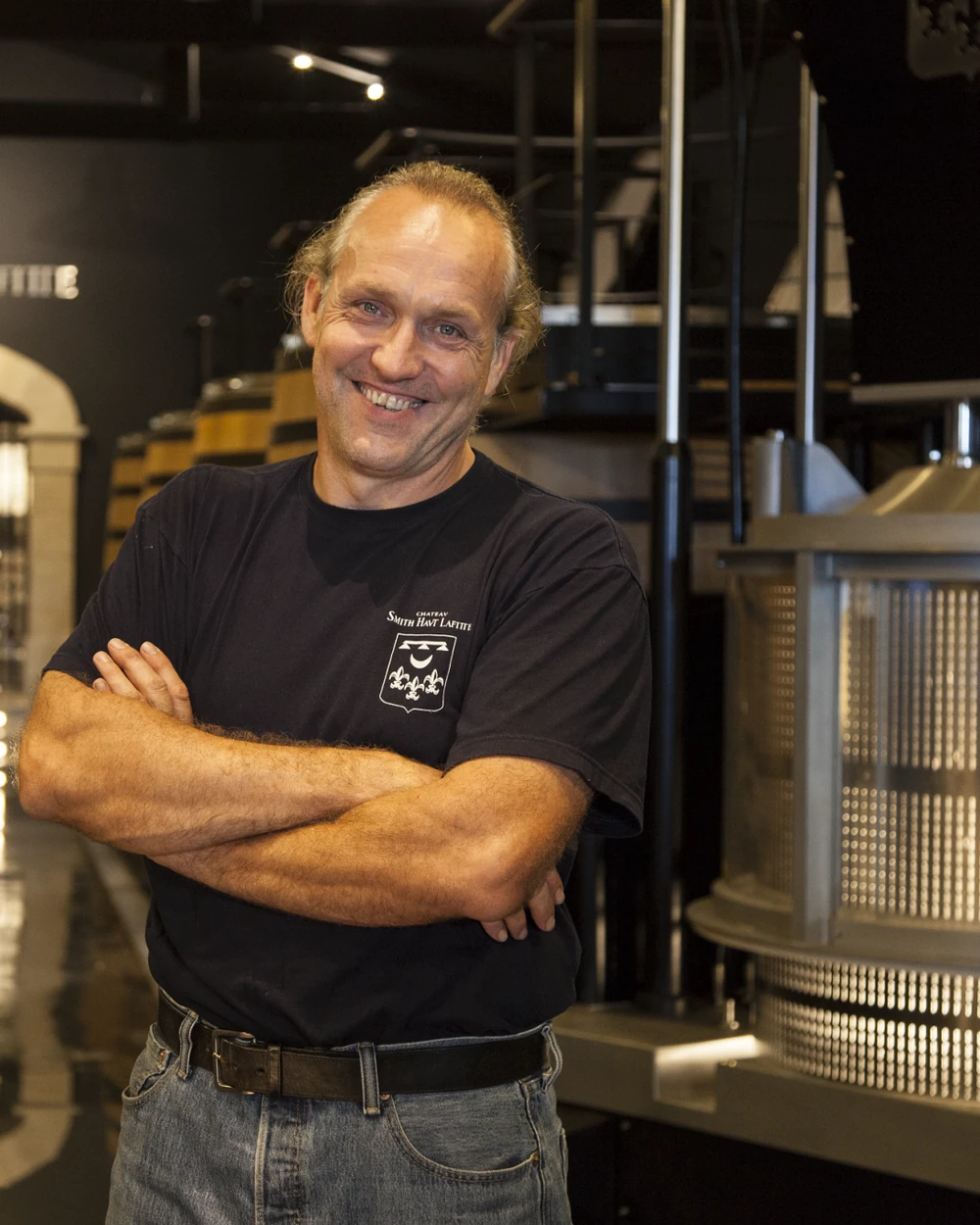
<strong>Château Smith Haut Lafitte</strong> belongs to the serious Graves conversation: a <strong>Martillac</strong> estate with a first vintage recorded in 1365, <strong>Grand Cru Classé</strong> recognition, <strong>biodynamic</strong> production, and <strong>Fabien Teitgen</strong> named as winemaker. Its appeal lies less in spectacle than in the way gravel, forest, and vineyard discipline translate into wines with a clear sense of place.
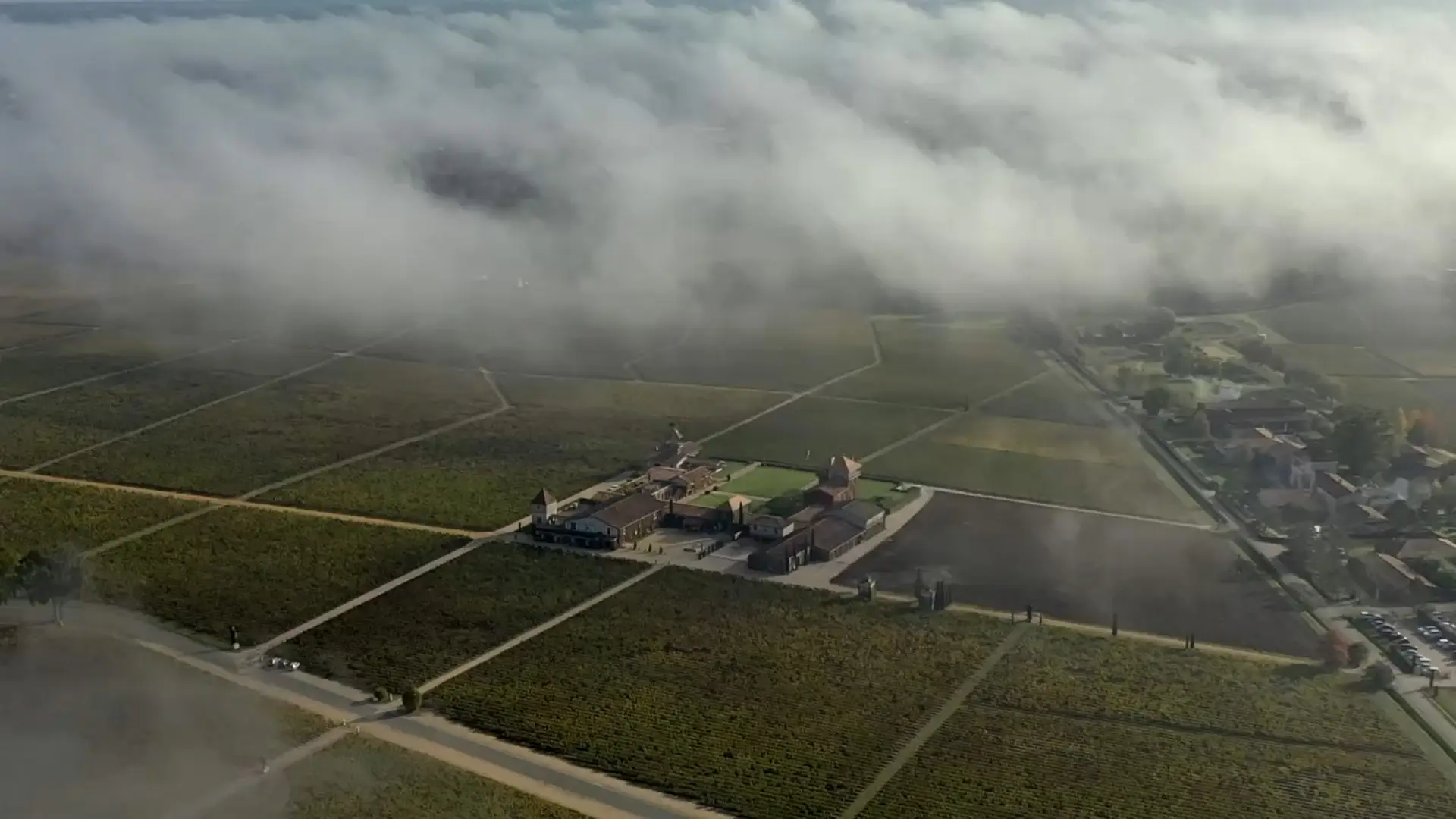
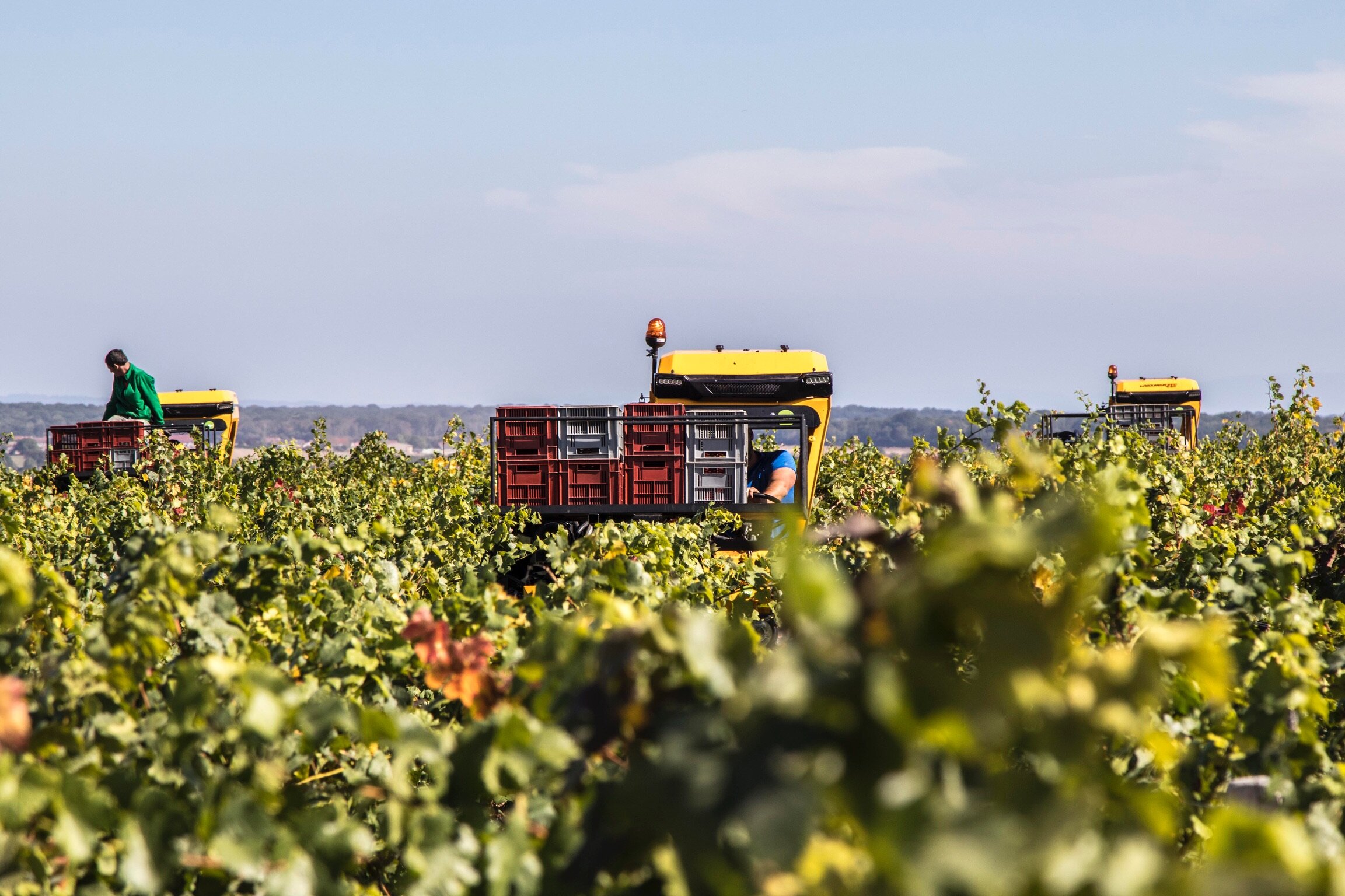
<h2>Gravel, forest, and the Graves idea of precision</h2><p>Approaching <strong>Martillac</strong>, the Bordeaux mood changes before the château appears. The city’s stone facades give way to pine, low vineyard rows, and the pale gravel that gives Graves its name. This is not the manicured drama of a hilltop estate or the ceremonial avenue of a Médoc first growth. The power here is quieter: drainage, heat retention, old agricultural memory, and a sense that the vineyard has been shaped as much by soil as by ownership.</p><p>That context matters because <strong>Château Smith Haut Lafitte</strong> is better understood as an argument for terroir than as a monument. The estate’s database record points to <strong>Grand Cru Classé</strong> wines produced biodynamically, with traditional techniques meeting modern ideas, and even shire horses appearing in the vineyard work. Those details are not decorative. In Graves and Pessac-Léognan, where red and white Bordeaux both carry serious weight, vineyard practice is part of the wine’s architecture. Gravel encourages depth of root, drainage reduces excess water pressure, and biodynamic farming signals a preference for close observation rather than purely corrective viticulture.</p><p>The first vintage is recorded as 1365, a date that gives the property unusual historical depth even in a region that trades heavily on lineage. Yet age alone is not the story. Bordeaux has plenty of old names. The stronger point is how a historic estate in Martillac reads today against a peer set that includes classified growths, biodynamic domaines, and high-touch visitor estates. Its <strong>Pearl 4</strong> <strong>Star Prestige</strong> rating for 2025 adds a contemporary trust signal, while the Grand Cru Classé status places the wines inside the official hierarchy that still shapes buying, collecting, and cellar expectations.</p><p>For broader city context, readers mapping a full stay around the southern edge of Bordeaux should use <a href="https://www.enprimeurclub.com/wineries/martillac">Our full Martillac wineries guide</a> first, then layer in dining, hotels, and low-key evening options through <a href="https://www.enprimeurclub.com/restaurants/martillac">Our full Martillac restaurants guide</a>, <a href="https://www.enprimeurclub.com/hotels/martillac">Our full Martillac hotels guide</a>, and <a href="https://www.enprimeurclub.com/bars/martillac">Our full Martillac bars guide</a>. Martillac is compact, but the better itinerary treats it as a vineyard district rather than a city-break neighbourhood.</p><h2>What the land is doing in the glass</h2><p>Graves has always had a different grammar from the northern Médoc. Cabernet Sauvignon remains central to the regional conversation, but the soils around Martillac tend to make structure feel more mineral and savoury than plush. The area’s gravelly beds, mixed with clay and sand depending on parcel, create a tension that suits both red Bordeaux blends and dry white wines. That dual identity is one reason the appellation has a more complicated personality than regions built around a single flagship style.</p><p>In that frame, the estate’s biodynamic production reads as a commitment to vineyard expression rather than a lifestyle label. Biodynamics in Bordeaux is not a shortcut to delicacy, nor does it erase the region’s need for selection, cellar discipline, and vintage-by-vintage judgement. It does, however, suggest a farming model in which canopy, soil life, and vine rhythm are monitored with unusual closeness. In a wet maritime climate, that choice carries practical risk. It also gives the wines a clearer claim to site specificity when executed with technical control.</p><p><strong>Fabien Teitgen</strong> is listed as winemaker, and that credential is useful because modern classified Bordeaux depends on the meeting point between farming and precision cellar work. The old caricature of Bordeaux as purely châteaux, consultants, and labels misses how much the region has changed. Today’s serious estates are judged not only by classification but by viticulture, parcel selection, ageing choices, and how convincingly they translate vintage conditions. The Martillac address makes that even sharper: Pessac-Léognan has to compete with the prestige economy of the Médoc while also defending its own identity through smoke, gravel, freshness, and dry white complexity.</p><p>Comparatively, Château Smith Haut Lafitte sits in a different conversation from Burgundy domaines where parcel scale and village identity dominate the language. A useful contrast is <a href="https://www.enprimeurclub.com/wineries/maison-joseph-drouhin-beaune">Maison Joseph Drouhin in Beaune</a>, where a Burgundian house model frames terroir through cru hierarchy and long regional buying relationships. Another is <a href="https://www.enprimeurclub.com/wineries/domaine-jean-grivot">Domaine Jean Grivot in Vosne-Romanée</a>, where the lens narrows to <strong>Pinot Noir</strong>, village nuance, and Côte de Nuits tension. Martillac works at another scale: estate, classification, blend, and gravel rather than climat, lieu-dit, and single-variety transparency.</p><h2>The classified-growth tier, without the museum mood</h2><p>Grand Cru Classé status remains one of Bordeaux’s clearest trust signals because it anchors the estate within a recognised hierarchy rather than a self-declared luxury tier. For travellers, that matters. A classified growth visit carries expectations: a coherent story of land, cellar, and ageing; wines with collection relevance; and a level of operational polish that can handle international demand. The risk, across Bordeaux, is that this polish can turn estates into static showrooms. The more interesting properties keep agriculture visible.</p><p>The available record for Château Smith Haut Lafitte points in that direction. The combination of biodynamic production, traditional techniques, and modern ideas suggests a working estate rather than a heritage shell. Shire horses in the vineyard, when used seriously, are not nostalgia theatre. They reduce soil compaction in sensitive parcels and make a visible argument for low-impact work. In a region where machinery, scale, and weather pressure all shape decisions, that detail places the estate among producers trying to reconcile prestige with soil care.</p><p>Within France, that makes for sharp comparisons. <a href="https://www.enprimeurclub.com/wineries/chateau-durfort-vivens-margaux-winery">Château Durfort-Vivens in Margaux</a> offers another Bordeaux reference point where classification and biodynamic farming intersect, but Margaux’s aromatic register and Médoc setting create a different set of expectations. <a href="https://www.enprimeurclub.com/wineries/chateau-haut-marbuzet-saint-estephe-winery">Château Haut-Marbuzet in Saint-Estèphe</a> belongs to a northern Médoc context marked by firmer tannic reputation and a separate village identity. Martillac, by contrast, sits closer to Bordeaux city and carries the Graves habit of balancing red-wine seriousness with white-wine importance.</p><p>The estate also belongs to a broader European movement in which premium wineries are judged by both bottle and place. <a href="https://www.enprimeurclub.com/wineries/bodegas-ysios-laguardia-winery">Bodegas Ysios in Laguardia</a> shows how architecture can become the first language of a Rioja visit; the Bordeaux model tends to be more coded, with classification and château identity doing the work. The stronger Martillac experience is less about spectacle and more about seeing how a historic estate organizes farming, cellar, and hospitality around a coherent claim: gravel-grown wines can carry both depth and restraint.</p><h2>Why Martillac rewards a slower itinerary</h2><p>Martillac is close enough to Bordeaux to be treated as a half-day excursion, but that undersells the area. The southern Bordeaux vineyard belt has a slower cadence than the city, and its appeal depends on letting the agricultural geography register. The pines, gravel ridges, low château profiles, and working parcels form the visual language of Graves. For a traveller used to villages in Burgundy or the steep drama of the Rhône, Martillac can appear restrained at first. Its detail is horizontal rather than vertical.</p><p>That restraint is part of the point. In Burgundy, a visit might revolve around the difference between neighbouring crus; <a href="https://www.enprimeurclub.com/wineries/domaine-a-p-de-villaine-bouzeron-winery">Domaine A. & P. de Villaine in Bouzeron</a> illustrates how a smaller appellation can build a serious identity around variety, slope, and village scale. In Provence, <a href="https://www.enprimeurclub.com/wineries/chateau-simone">Château Simone in Meyreuil</a> and <a href="https://www.enprimeurclub.com/wineries/chateau-de-pibarnon">Château de Pibarnon in Roquefort-la-Bédoule</a> show how limestone, altitude, and Mediterranean exposure can define character in ways that feel immediately physical. Martillac asks for a different kind of attention: drainage, warmth stored in stone, and the measured authority of blended wine.</p><p>That makes the estate a strong anchor for a wine-focused day rather than a casual drop-in between city stops. The database does not list public hours, phone number, website, booking method, or price range, so planning should be conservative. In classified Bordeaux, visitors should assume access may be structured and scheduled rather than casual. Practical arrangements are better confirmed through official channels or a hotel concierge before building the day around the visit. The absence of listed hours is a useful signal in itself: treat this as a serious wine appointment, not an open-door tasting room model.</p><p>Travellers extending the comparison beyond France can use <a href="https://www.enprimeurclub.com/wineries/cakebread-cellars">Cakebread Cellars in Rutherford</a> as a Napa counterpoint. Rutherford’s visitor culture is built around direct hospitality, varietal recognition, and a more explicit tasting-room economy. Bordeaux’s classified estates tend to operate through hierarchy, allocation, and appointment structure. Neither model is inherently superior; they teach different things. Martillac’s lesson is that prestige can be read through soil and classification before service style enters the conversation.</p><h2>How the experience fits into a Bordeaux wine trip</h2><p>A well-planned Bordeaux itinerary needs contrast. Too many château visits in one day flatten into barrel rooms, gravel drives, and polite technical explanations. The better approach is to choose estates that show different sides of the region: a Médoc property for Cabernet structure, a right-bank visit for Merlot-dominant limestone or clay, and a Graves or Pessac-Léognan address for the older Bordeaux story of red and white wines on gravel. Château Smith Haut Lafitte belongs in that third slot.</p><p>Its value for the visitor is not simply that it carries Grand Cru Classé recognition or a Pearl <strong>4 Star</strong> Prestige rating. Those signals help set expectations, but the deeper reason to go is the estate’s fit with the terroir question. Martillac gives a readable case study in how Bordeaux’s southern gravel belt can produce wines with stature without relying on the Médoc’s mythology. The biodynamic detail adds another layer, especially for travellers tracking the shift from conventional prestige viticulture toward more soil-conscious farming among classified and collectible estates.</p><p>There is also a useful hospitality ecosystem around Martillac. Wine travellers who want the day to hold together should think beyond the estate gates: lunch timing, return transport, and how many tastings the palate can actually process. For non-wine companions, <a href="https://www.enprimeurclub.com/experiences/martillac">Our full Martillac experiences guide</a> can help balance vineyard appointments with cultural or outdoor time. The point is not to overfill the schedule. Graves rewards attention, and attention declines quickly after the second technical tasting of the afternoon.</p><p>If the itinerary includes other French regions, the comparative lens becomes even richer. <a href="https://www.enprimeurclub.com/wineries/domaine-francois-lamarche">Domaine François Lamarche in Chablis</a> directs attention toward Chardonnay, limestone, and northern acidity, while Martillac keeps the discussion on gravel, blends, and Bordeaux’s ability to combine power with proportion. These contrasts are useful for serious drinkers because they prevent prestige from becoming a single language. A classified Bordeaux estate, a Burgundian domaine, a Provençal property, and a Napa winery each solve the problem of place differently.</p><h2>Planning notes for a serious visit</h2><p>The known practical data is limited: the address is Château Smith Haut Lafitte, 33650 Martillac, France; the winemaker is Fabien Teitgen; the first vintage is listed as 1365; and the estate is associated with Grand <strong>Cru Classé wines produced biodynamically</strong>. No public phone number, website, opening hours, price range, or booking method is listed in the supplied record. That means the correct planning posture is caution. Confirm access before travelling, avoid assuming walk-in tastings, and build buffer time into any day that also includes Bordeaux city or other châteaux.</p><p>Seasonally, <strong>Bordeaux wine</strong> travel changes character across the year. Spring and early summer bring vineyard growth and a less compressed visitor calendar than harvest; September and early October can be compelling but operationally sensitive because estates are focused on picking and cellar work. Winter has a quieter mood and can suit collectors who care more about conversation than vineyard scenery, though availability varies. These are regional planning principles rather than venue-specific promises, and they should be treated as such.</p><p>The broader editorial recommendation is clear: place this estate on an itinerary when the goal is to understand Graves through a high-credibility address, not when the goal is a casual tasting counter. The combination of Grand Cru Classé status, Pearl 4 Star Prestige recognition for 2025, biodynamic farming, and a first vintage recorded in 1365 gives the visit enough substance to anchor a day in Martillac. Its strongest fit is for travellers who want Bordeaux to feel agricultural again, not merely collectible.</p><h2>FAQ</h2><h3>What is the general vibe?</h3><p>If the trip is centered on Martillac rather than Bordeaux city, expect a country-vineyard mood shaped by gravel soils, working parcels, and classified-growth seriousness. The Grand Cru Classé reference and Pearl 4 Star Prestige rating suggest a polished estate context, but the biodynamic and shire-horse details point toward agriculture rather than pure château theatre. Price information is not listed in the supplied record, so cost should be checked through official planning channels.</p><h3>Where does the estate excel?</h3><p>The strongest editorial case is terroir expression in a classified Graves setting. Grand Cru Classé recognition gives the wines formal Bordeaux credibility, while biodynamic production suggests a farming-led reading of place. In Martillac, that means the visit is especially useful for understanding gravel, drainage, and the red-and-white identity of Pessac-Léognan rather than simply collecting another château name.</p><h3>Is it reservation-only?</h3><p>Confirm before going. The supplied venue record does not include public hours, a website, a phone number, pricing, or a booking method. Given the Grand Cru Classé context and the seriousness of the estate, visitors should not assume walk-in access. Treat any visit as appointment-led until official information says otherwise.</p><h3>What wines is it known for?</h3><p>The record identifies Grand Cru Classé wines produced biodynamically and names Fabien Teitgen as winemaker. The wine-region field is not listed, but the Martillac address places the estate in the southern Bordeaux orbit associated with Graves and Pessac-Léognan. The editorial significance lies in classified Bordeaux interpreted through gravel terroir and biodynamic farming.</p><h3>Why is this a useful EP Club spotlight?</h3><p>Château Smith Haut Lafitte gives Martillac a high-credibility reference point: Grand Cru Classé wines, Pearl 4 Star Prestige recognition for 2025, biodynamic production, and a recorded first vintage of 1365. With no chef or cuisine data listed, the spotlight belongs to wine rather than dining. The estate is most useful as a lens on how historic Bordeaux classification and contemporary soil-focused farming now meet in the same vineyard conversation.</p>
Expect a country-estate mood in Martillac, with a Graves setting and vineyard land rather than an urban tasting-room feel. The address is Château Smith Haut Lafitte, 33650 Martillac, France, and the estate’s Grand Cru Classé status gives the visit formal Bordeaux weight.
Château Smith Haut Lafitte has received recognition including: Grand Cru Classé wines are produced biodynamically at this country idyll, where traditional techniques are met with ingenious modern ideas: shire horses work la; Pearl 4 Star Prestige (2025); Grand Cru Classé wines are produced biodynamical….
Château Smith Haut Lafitte is located at Château Smith Haut Lafitte, 33650 Martillac, Martillac.
Its core strength is Grand Cru Classé wine production, especially with biodynamic methods folded into the estate’s farming and cellar work. Fabien Teitgen is the named winemaker, which adds a clear technical anchor to the château’s Graves identity.
The venue record lists the address in Martillac but does not provide hours, a phone number, or a website, so advance planning is sensible. As a Grand Cru Classé estate in Bordeaux, access is often organised around the château’s own scheduling.
The record identifies Grand Cru Classé wines produced biodynamically. Fabien Teitgen is listed as winemaker, and the Martillac location places the estate in Graves, a region associated with gravelly soils and structured Bordeaux wines.
Château Smith Haut Lafitte, 33650 Martillac
Martillac · Bordeaux