Made ByWinery
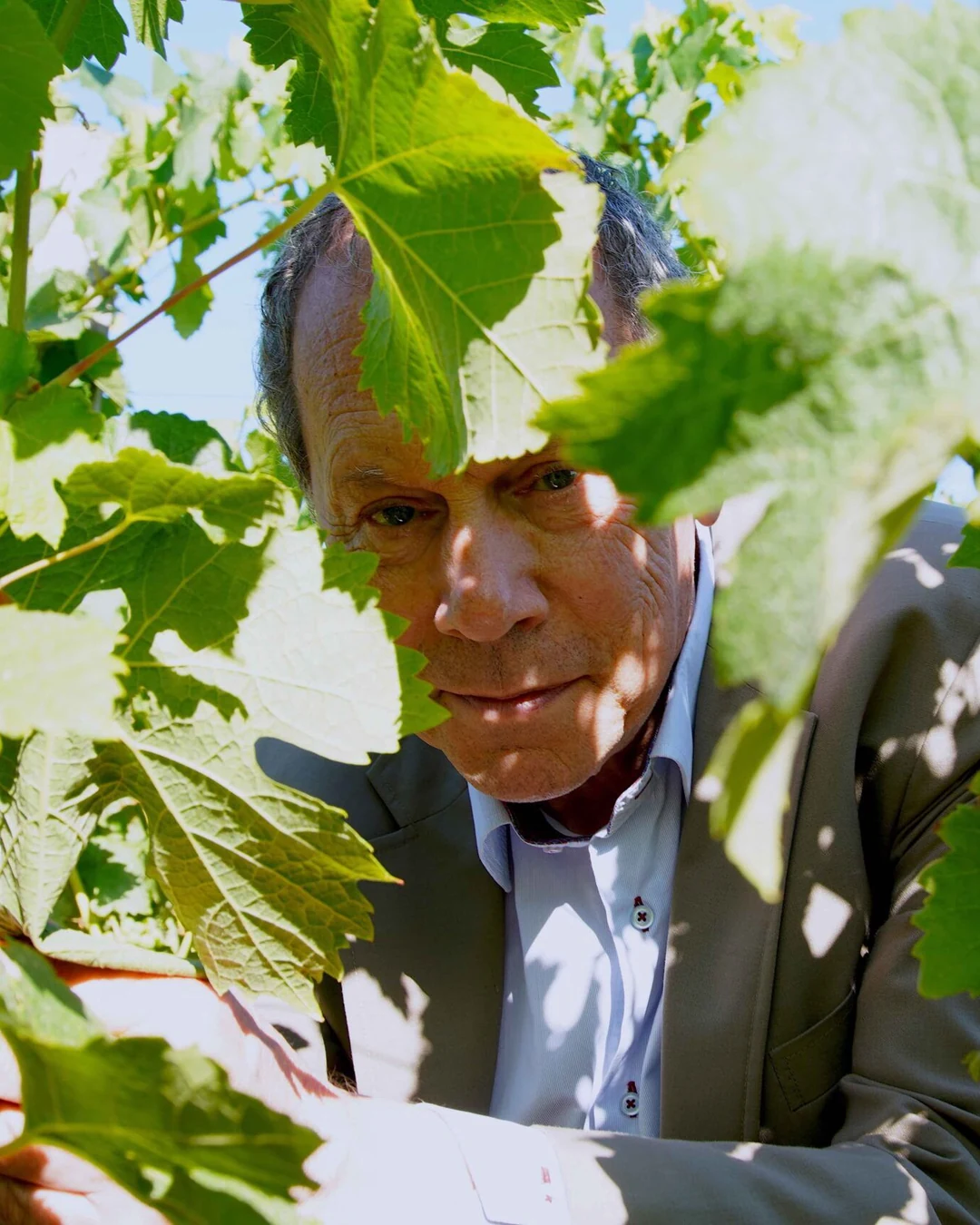
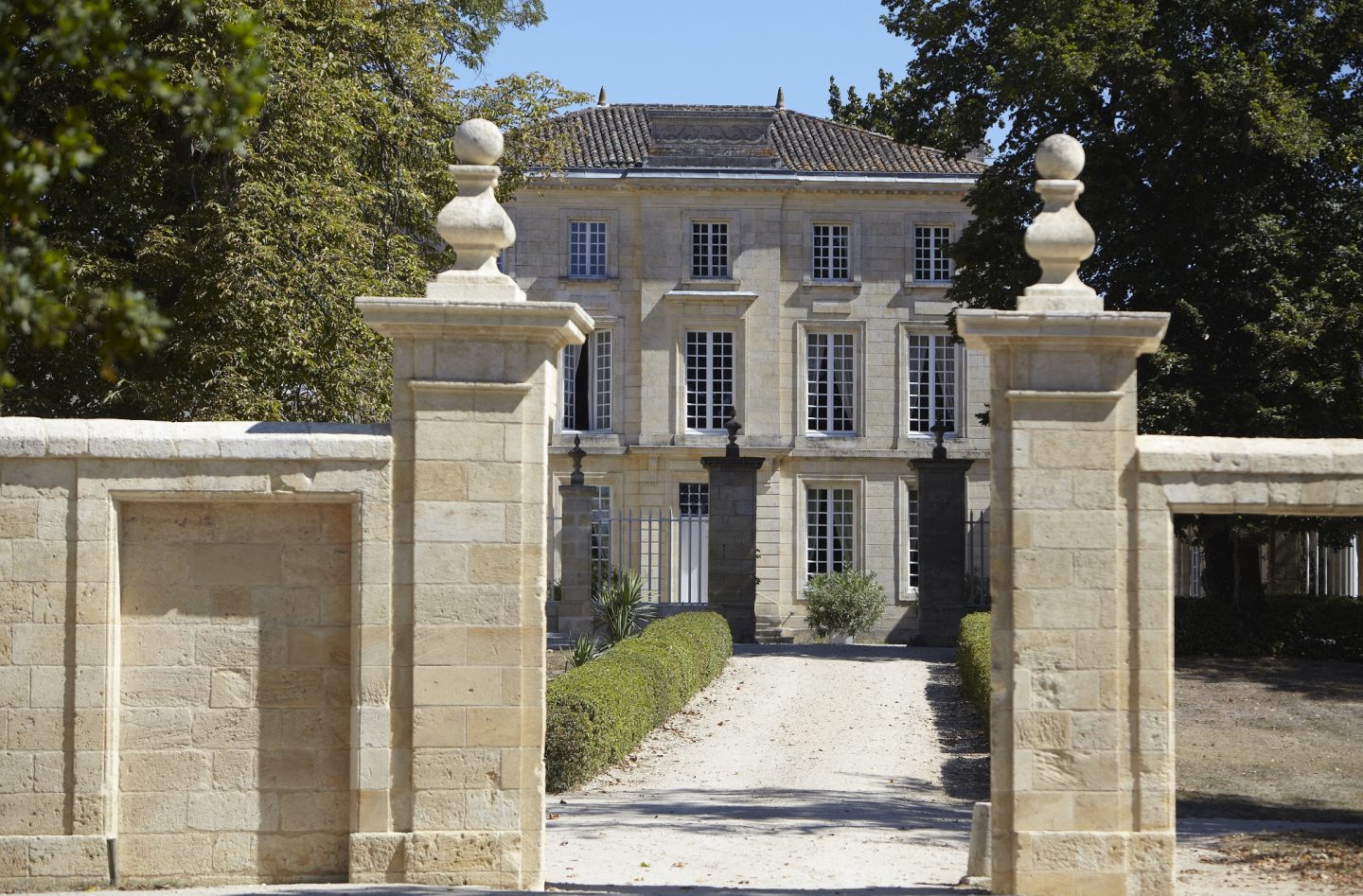
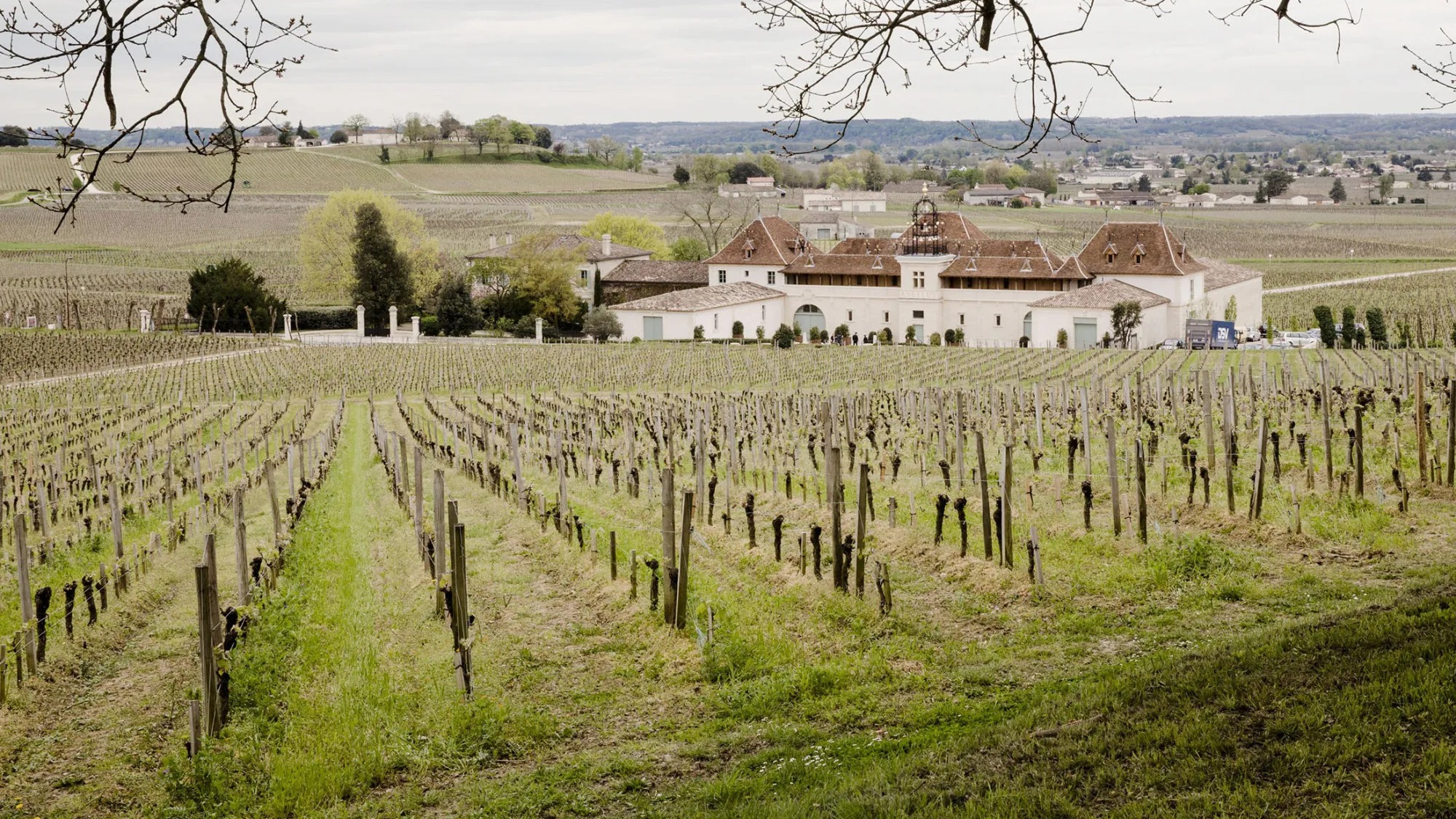
Château Valandraud is one of Saint-Émilion's defining garage wine estates, the property that effectively established the garagiste movement on the Right Bank. Winemaker Jean-Luc Thunevin produces Merlot-dominant wines from parcels on the limestone-clay plateau east of the town, earning a Pearl 3 Star Prestige rating in 2025. The estate sits at 1589 route de Jappeloup in Saint-Étienne-de-Lisse.
At a glance
- Price
- $$$$
- Neighborhood
- Saint-Emilion
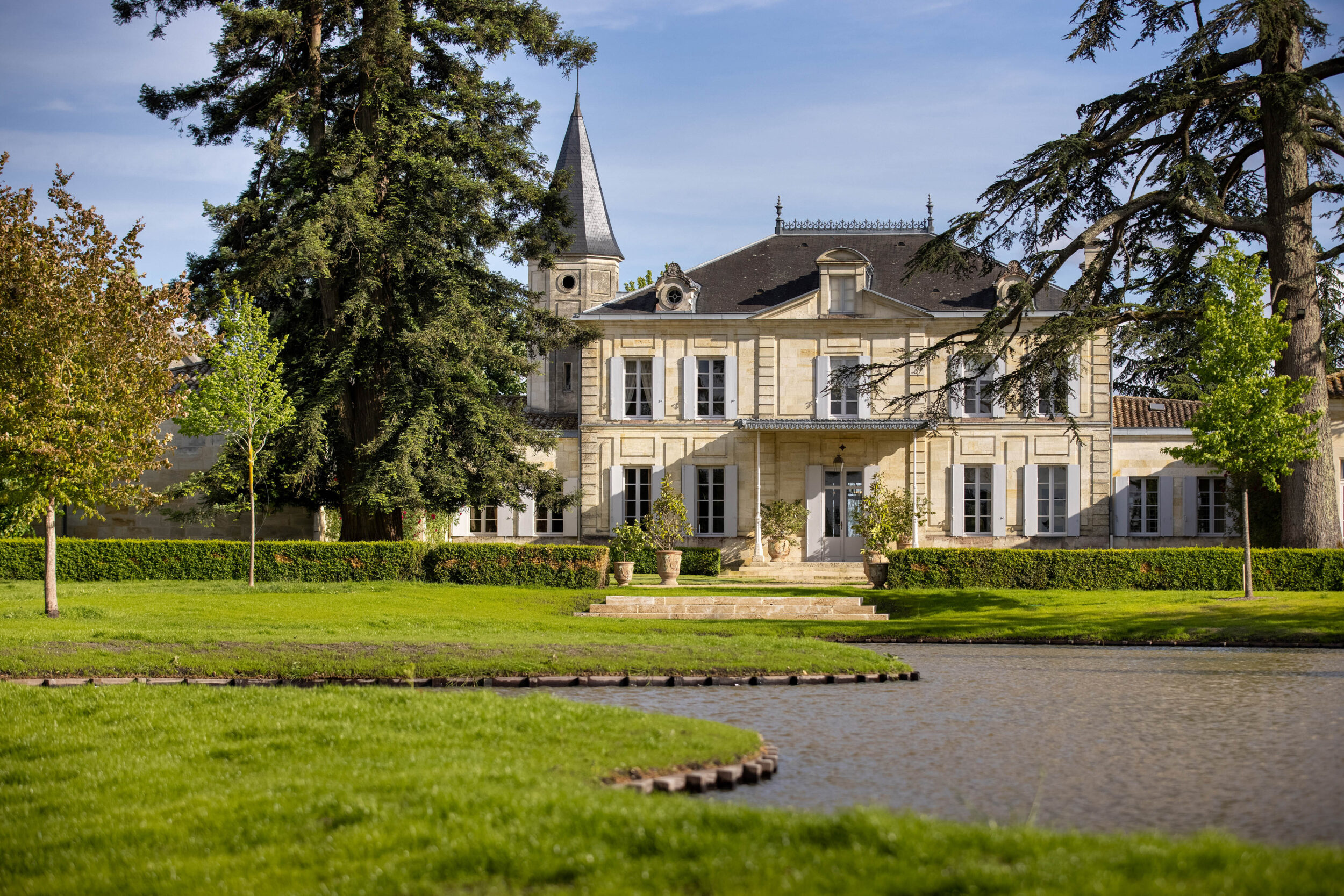
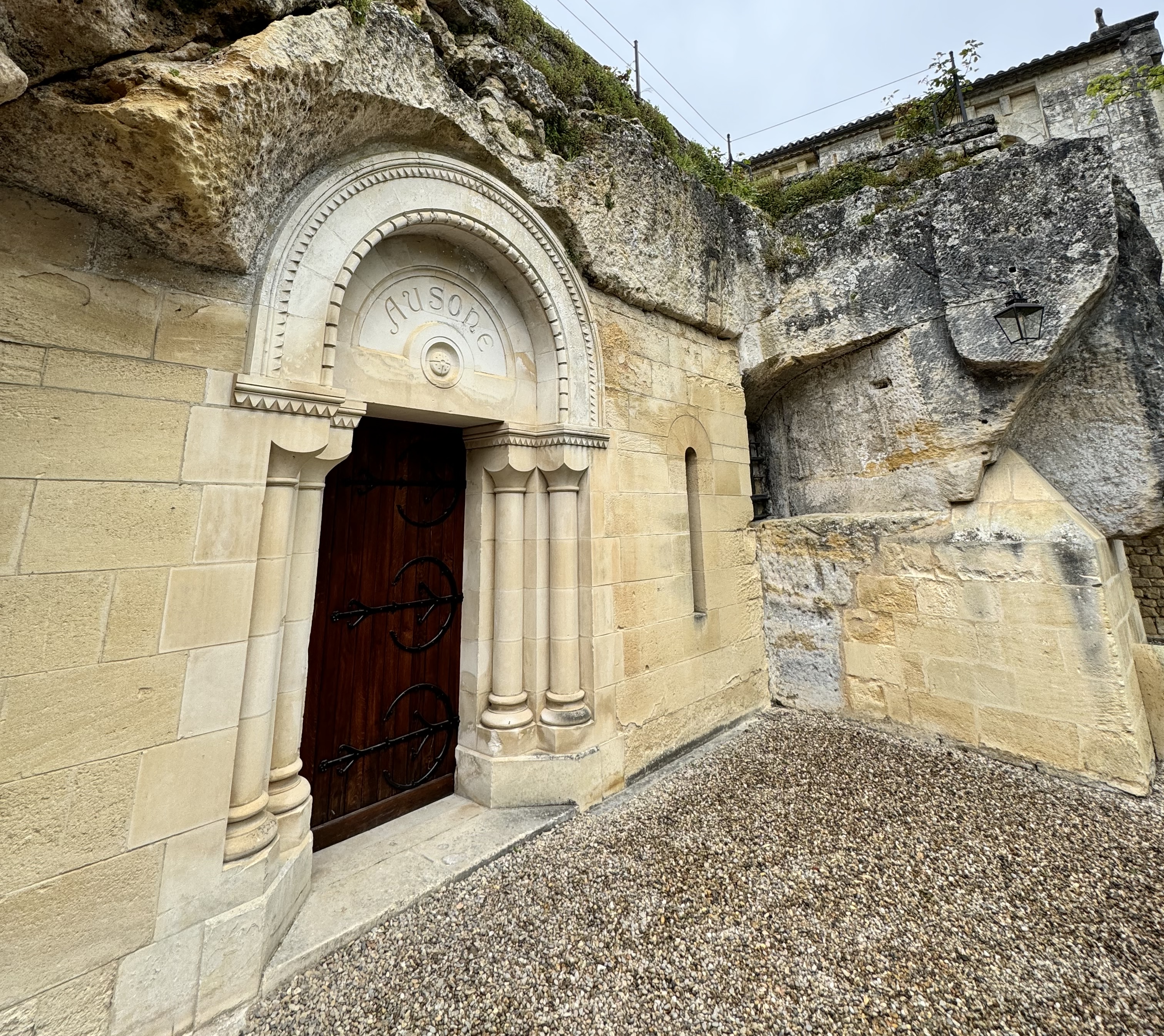
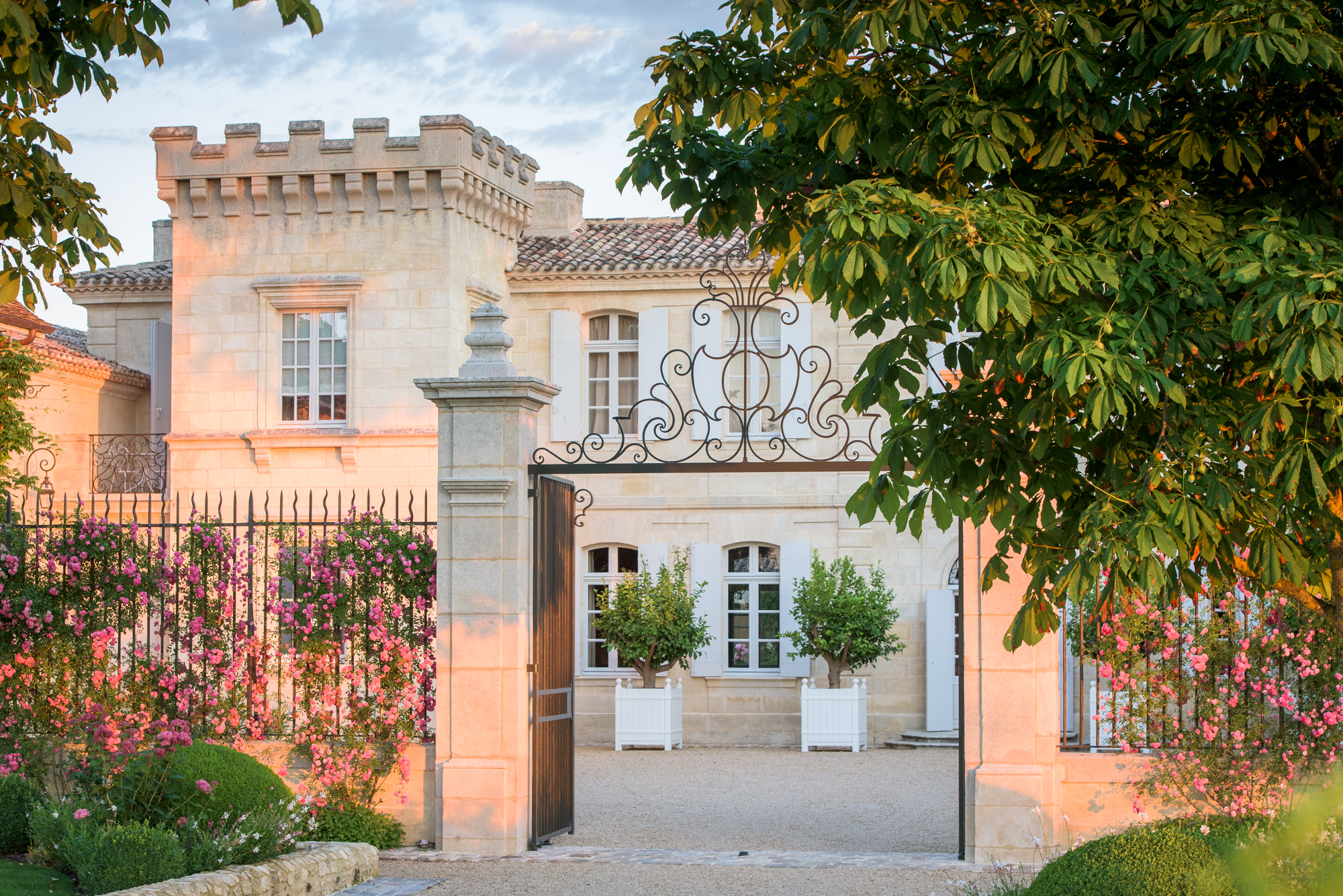
<h2>The Estate That Rewrote Saint-Émilion's Rules</h2><p>There is a particular geography to Saint-Émilion's prestige that visitors sense before they read a single label. The medieval hilltop town anchors the appellation's identity, and radiating outward from its limestone plateau are the estates whose names have defined Right Bank Bordeaux for generations. But the story of the past three decades cannot be told from that hilltop alone. Some of its most consequential chapters were written on smaller, less celebrated parcels further out, on estates that forced the established classification to reckon with a different idea of quality. Château Valandraud, reached along the route de Jappeloup in Saint-Étienne-de-Lisse, is the clearest example of that shift.</p><p>The estate has earned a Pearl 3 Star Prestige rating for 2025. That rating is not simply a credential to note in passing; it positions Valandraud in a comparable set that includes the appellation's most closely watched addresses. For context, comparable Saint-Émilion properties include <a href="https://www.enprimeurclub.com/wineries/chateau-belair-monange-saint-emilion-winery">Château Bélair-Monange</a>, <a href="https://www.enprimeurclub.com/wineries/chateau-canon-la-gaffeliere-saint-emilion">Château Canon-la-Gaffelière</a>, <a href="https://www.enprimeurclub.com/wineries/chateau-clos-fourtet-saint-emilion">Château Clos Fourtet</a>, and <a href="https://www.enprimeurclub.com/wineries/chateau-la-mondotte-saint-emilion">Château La Mondotte</a>. Valandraud belongs to that conversation, and has earned its place through consistent critical pressure rather than inherited classification standing.</p><h2>Space, Soil, and the Physical Logic of Garagiste Wine</h2><p>The garagiste movement in Bordeaux was not primarily an aesthetic choice. It was a spatial and economic argument. When Jean-Luc Thunevin began producing wine at Valandraud, the operative logic was that a small enough parcel, worked with the kind of attention impossible to sustain across larger holdings, could produce wines that competed with far more established estates. The physical container of production was part of the point: tight control over limited volume, with every decision visible and consequential in a way that scale prevents.</p><p>That argument has been validated many times over in the years since, not just at Valandraud but across the micro-estates it inspired. The terroir at Saint-Étienne-de-Lisse sits on a limestone and clay subsoil that shares structural characteristics with the plateau around the town itself, though the specific parcel expressions differ. Where many of Saint-Émilion's grand estates occupy large, consolidated holdings with centuries of documented performance, Valandraud represents the case for smaller, assembled parcels managed as a coherent whole. The winery's address on the route de Jappeloup places it east of the town centre, in the part of the appellation where the classification debates of recent decades have been sharpest.</p><p>For visitors who have spent time with the broader Saint-Émilion portfolio, the comparison with <a href="https://www.enprimeurclub.com/wineries/chateau-la-mondotte-saint-emilion">Château La Mondotte</a> is instructive. Both properties sit outside the traditional first-growth hierarchy by origin, and both have accumulated critical recognition that places them in conversation with it. The Right Bank as a region rewards this kind of persistent, parcel-level focus in a way that the more rigid Médoc classification structure does not always accommodate. Estates like <a href="https://www.enprimeurclub.com/wineries/chateau-batailley-pauillac-winery">Château Batailley in Pauillac</a> and <a href="https://www.enprimeurclub.com/wineries/chateau-branaire-ducru-st-julien">Château Branaire-Ducru in St-Julien</a> operate within a fixed 1855 framework; Valandraud has had to make its argument through the wine itself, vintage by vintage.</p><h2>Jean-Luc Thunevin and the Winemaking Credential</h2><p>Winemaker Jean-Luc Thunevin's name operates in the Saint-Émilion context as more than a production credit. It functions as a reference point for an entire chapter of Bordeaux wine history. The garagiste movement he helped establish in the 1990s created a template that influenced how critics, collectors, and classification bodies assessed quality from small producers. His approach, applied across Valandraud's parcels, prioritised concentration and precision over volume, a contrast with the yield-managed, negociant-oriented model that had defined much of Bordeaux's commercial identity.</p><p>The influence of that approach has spread well beyond Saint-Émilion. Small-production, precision-focused winemaking is now a recognised tier across France and internationally. Properties as different in character as <a href="https://www.enprimeurclub.com/wineries/albert-boxler-niedermorschwihr-winery">Albert Boxler in Niedermorschwihr</a> in Alsace and <a href="https://www.enprimeurclub.com/wineries/accendo-cellars">Accendo Cellars in St. Helena</a> in Napa share a philosophical lineage with Valandraud's founding logic, even if their specific techniques and varieties diverge sharply. The argument that small-scale, owner-operated production can compete at the highest level is now taken for granted; Valandraud is among the properties that made that argument first, and most visibly, in one of the world's most scrutinised wine regions.</p><h2>Visiting Valandraud and Planning Around the Appellation</h2><p>Saint-Émilion receives significant visitor traffic throughout the spring and autumn months, with the harvest period in September and October bringing the highest concentration of visits. Visiting Château Valandraud requires an appointment; the estate does not operate on a high-volume cellar-door model. Contact should be made well ahead of any intended visit, and expectations should be calibrated accordingly. This is not an estate where you arrive and browse a retail selection; it is a working winery where access reflects the production philosophy of limited, focused engagement.</p><p>The town of Saint-Émilion itself provides the practical infrastructure for any visit to the appellation. Hotels, restaurants, and wine merchants are concentrated there, and the town's classification offices handle much of the formal wine tourism activity. Nearby properties worth considering alongside Valandraud include <a href="https://www.enprimeurclub.com/wineries/chateau-clos-fourtet-saint-emilion">Château Clos Fourtet</a> and <a href="https://www.enprimeurclub.com/wineries/chateau-canon-la-gaffeliere-saint-emilion">Château Canon-la-Gaffelière</a>, both of which offer a different physical and architectural experience from Valandraud's more modest production setting.</p><p>The broader Bordeaux region rewards extended stays. If Valandraud forms part of a Right Bank focus, pairing it with visits to the Sauternes appellation, where <a href="https://www.enprimeurclub.com/wineries/chateau-bastor-lamontagne">Château Bastor-Lamontagne in Preignac</a> and <a href="https://www.enprimeurclub.com/wineries/chateau-coutet">Château Coutet</a> represent a distinct stylistic tradition, gives the trip a useful comparative structure. Moving north into the Médoc to visit estates like <a href="https://www.enprimeurclub.com/wineries/chateau-boyd-cantenac-cantenac-winery">Château Boyd-Cantenac in Cantenac</a> or <a href="https://www.enprimeurclub.com/wineries/chateau-cantemerle-haut-medoc">Château Cantemerle in Haut-Médoc</a> provides a useful counterpoint to the Right Bank's Merlot-dominant profile. The aged-spirit tradition at <a href="https://www.enprimeurclub.com/wineries/chartreuse-voiron-winery">Chartreuse in Voiron</a> or the single malt context at <a href="https://www.enprimeurclub.com/wineries/aberlour-aberlour-winery">Aberlour in Aberlour</a> offer productive comparisons on questions of small-production craft and the relationship between place and liquid.</p>
Know before you go
- Dress code
- smart_casual
- Reservations
- appointment_only
- Parking
- on_site_lot
Frequently asked
What awards has Château Valandraud received?
Château Valandraud has received recognition including: Pearl 3 Star Prestige (2025).
What's the address for Château Valandraud?
Château Valandraud is located at 1589 route de Jappeloup, 33330 Saint-Étienne-de-Lisse, Saint-Emilion.
What wines should I try at Château Valandraud?
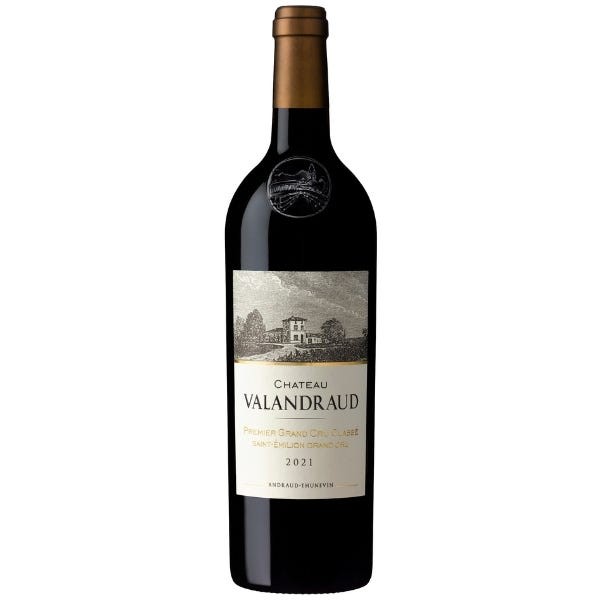
The estate's core release under the Valandraud label is the reference point: a Merlot-dominant blend from the Saint-Étienne-de-Lisse terroir that established the garagiste category on the Right Bank. Winemaker Jean-Luc Thunevin also produces second and third labels under the Valandraud umbrella, which offer entry points into the same winemaking philosophy at different price levels. Confirm current availability directly with the estate, as allocation volumes are limited by the small-production model.
What's the standout thing about Château Valandraud?
Valandraud's significance is structural rather than purely qualitative: Jean-Luc Thunevin built the estate from a garage-scale operation into a Pearl 3 Star Prestige-rated property by 2025, in the process demonstrating that Saint-Émilion's hierarchy was permeable to outsiders working without classified-growth land. That trajectory reshaped how the appellation was understood commercially and critically. No other estate in the region carries quite the same origin narrative against its current standing.
Should I book Château Valandraud in advance?
Saint-Émilion draws concentrated visitor traffic in spring and during the September–October harvest window, and smaller prestige estates typically receive more requests than open appointment slots allow. Contacting the estate well ahead of a planned visit — several weeks at minimum during peak season — is advisable. The address at 1589 route de Jappeloup, Saint-Étienne-de-Lisse places it outside the medieval town centre, so access requires a car.
How did Château Valandraud become a recognised name in Saint-Émilion without classified-growth status?
Jean-Luc Thunevin launched production in the early 1990s from a plot outside the traditional classified hierarchy, applying low-yield, high-extraction methods associated with what critics labelled the garagiste movement. The wines attracted attention from collectors and Parker-era critics precisely because they achieved concentration levels that rivalled classified estates. By 2025 the property had received a Pearl 3 Star Prestige rating, a formal credential that reflects how far the estate has moved from its garage-production origins.
Address
1589 route de Jappeloup, 33330 Saint-Étienne-de-Lisse
Saint-Emilion · Saint-Émilion
How it compares
- Cuisine
- Merlot, Cabernet Franc
- Price
- $$$$
- Awards
- 1 recognition
- Notes
- Saint-Emilion
- Cuisine
- Cabernet Franc, Merlot
- Price
- $$$$
- Awards
- 1 recognition
- Notes
- Saint-Emilion
- Cuisine
- Merlot, Cabernet Sauvignon
- Price
- $$$$
- Awards
- 1 recognition
- Notes
- Saint-Emilion
- Cuisine
- Merlot, Cabernet Franc
- Price
- $$$$
- Awards
- 1 recognition
- Notes
- Saint-Emilion
- Cuisine
- Merlot, Cabernet Franc
- Price
- $$$$
- Awards
- 1 recognition
- Notes
- Pomerol
- Cuisine
- Merlot, Cabernet Franc
- Price
- $$$$
- Awards
- 1 recognition
- Notes
- Saint-Emilion