Claro
- 01CuisineModern Spanish-Japanese Fusion
- 02CityOsaka, Japan
Japanese rice at the Spanish pass
- Michelin Plate · 2026
- Tabelog 100 #39: 3.6pts · 2026
- Michelin Plate · 2025
- La Liste Top Restaurants: 80pts · 2025
- Michelin Plate · 2024
Japanese rice at the Spanish pass
With the open kitchen in view, Claro in Osaka keeps its method in sight, and the paella rice changes with the season. The house cooks modern Spanish food through Japanese ingredients, and the frame is deliberately tight. At 10 seats, with the cooks close enough for the guest to see the placement of an edible flower or the finish on a sauce, the margin narrows. There is one dinner slot a night and it has to be booked well ahead, so the kitchen cooks the same sequence for the same ten people from start to finish. One evening in June 2025, a table arriving at 7.30 instead of 6.30 was still given the full course sequence, which says how the kitchen reads its own work: something to be delivered rather than a performance to be protected. The pass does not hide much. Claro opened in Osaka on January 5, 2021, in a quiet alley a minute from Matsuyamachi Station, and its identity has stayed pointed: modern Spanish cooking drawn through Japanese seasonality, with the hand visible rather than theatrical.
Seaweed in the tortilla
The menu works by placing Spanish forms under local pressure. Tortillas take seaweed. Sherry sauce meets Daitokuji natto. Paella is made with Japanese rice and can move through firefly squid, eel, crab, squid ink, or grilled conger as the season turns. The structure is usually a tasting progression of 9 or 10 courses, paced for the counter rather than spread across a large dining room. A green pea and sea urchin cold soup can lead into shrimp pintxos, Spanish mackerel with kiwi, asparagus with egg, snapper with Japanese pepper, venison with sweet potato, or the wagyu spring roll that appears among the signatures. A Jerusalem artichoke potage has run in the same sequence. The wine program stays in the same register, curated to sit beside the courses rather than claim the room, with 6 wines poured across a 10-course meal that runs about three hours. Sake also has a place here, which matters in a kitchen that keeps its Spanish vocabulary open to Japanese grain, fish, and ferment.
The counter in black
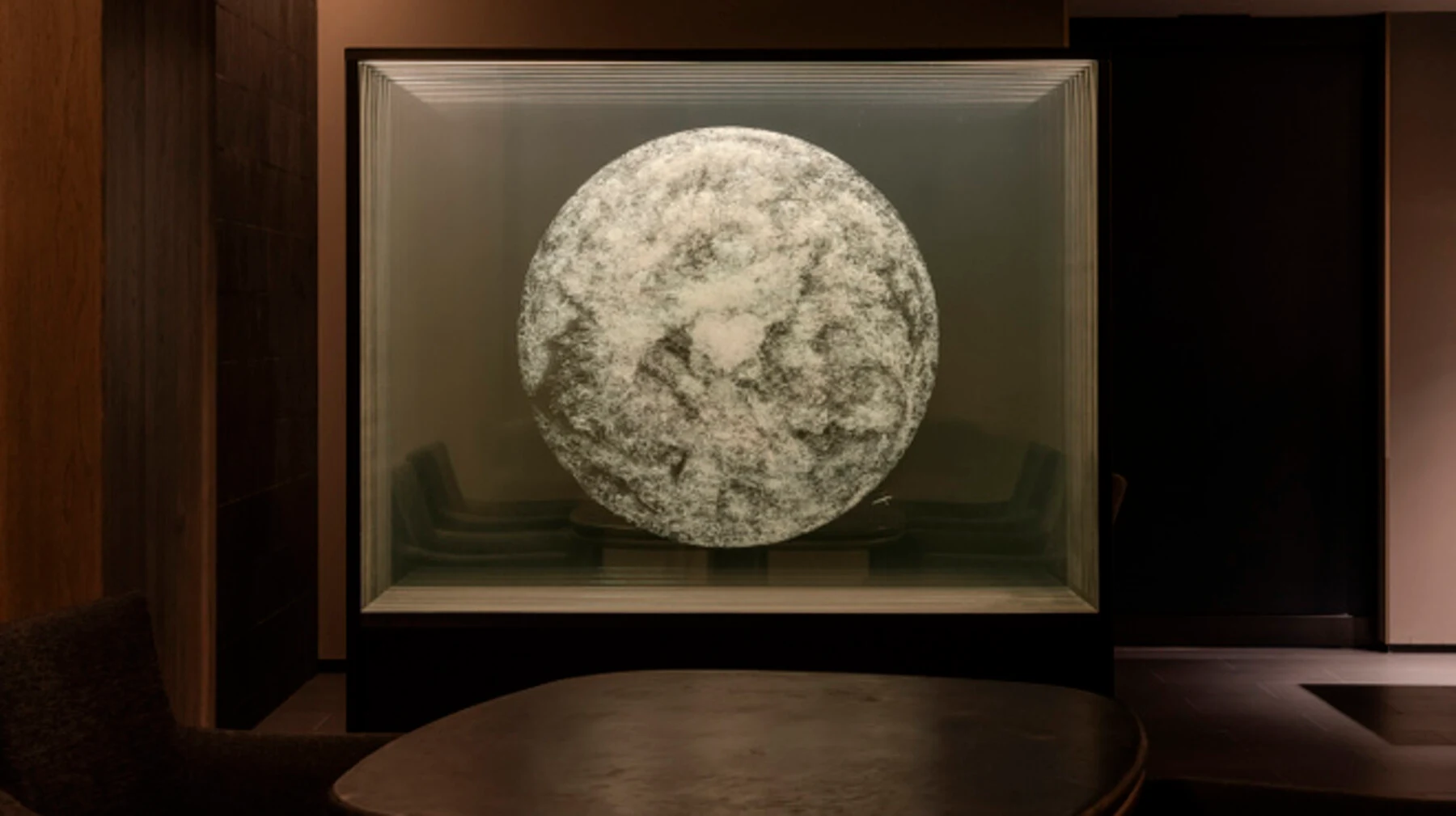
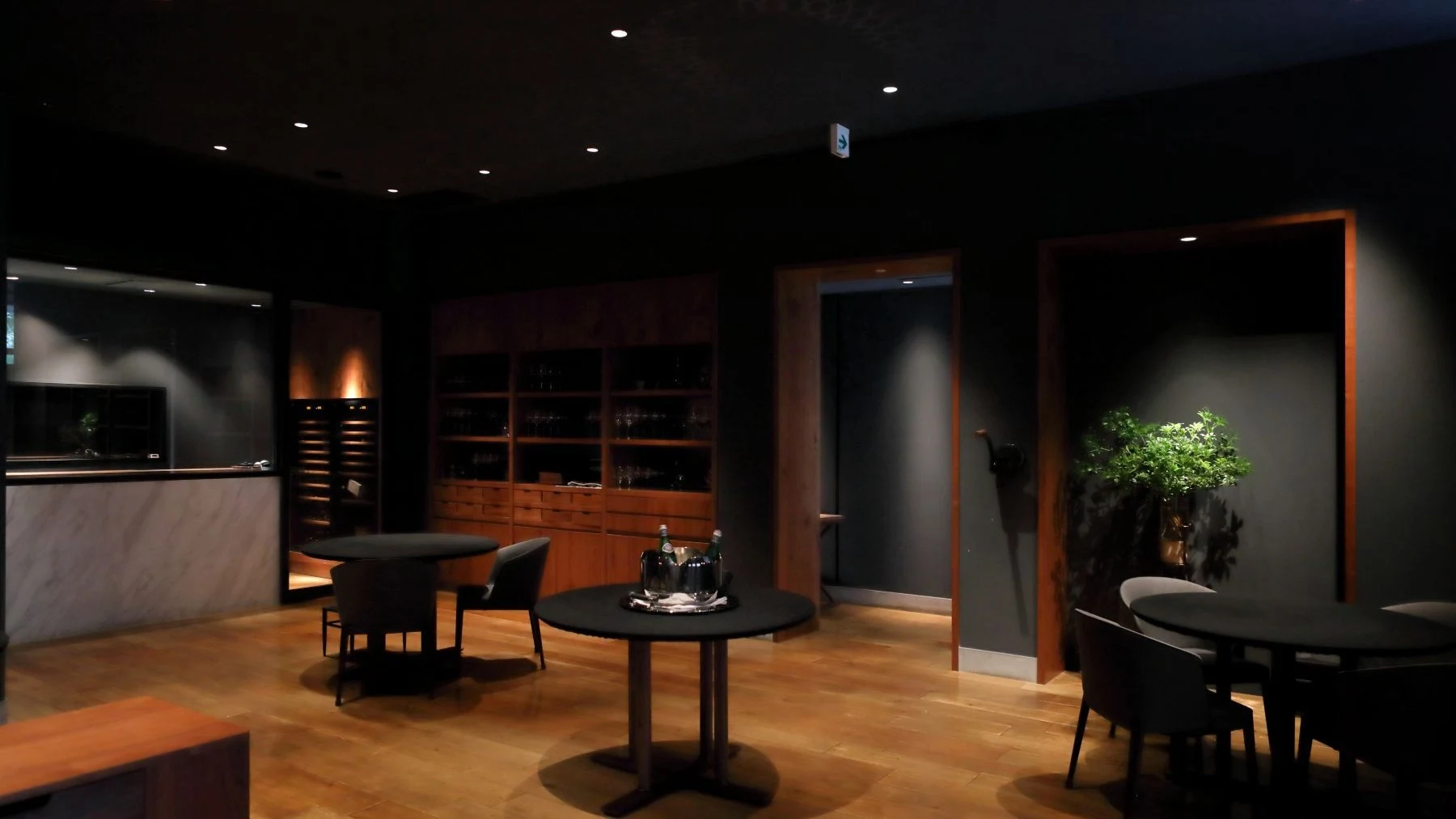
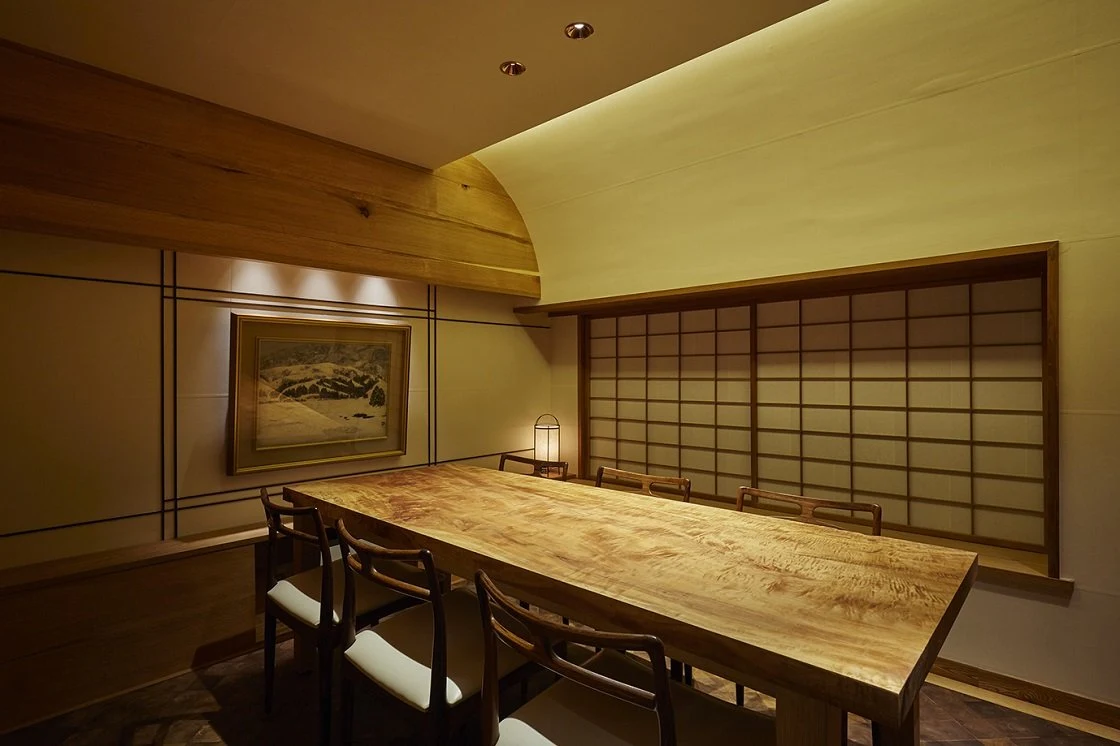
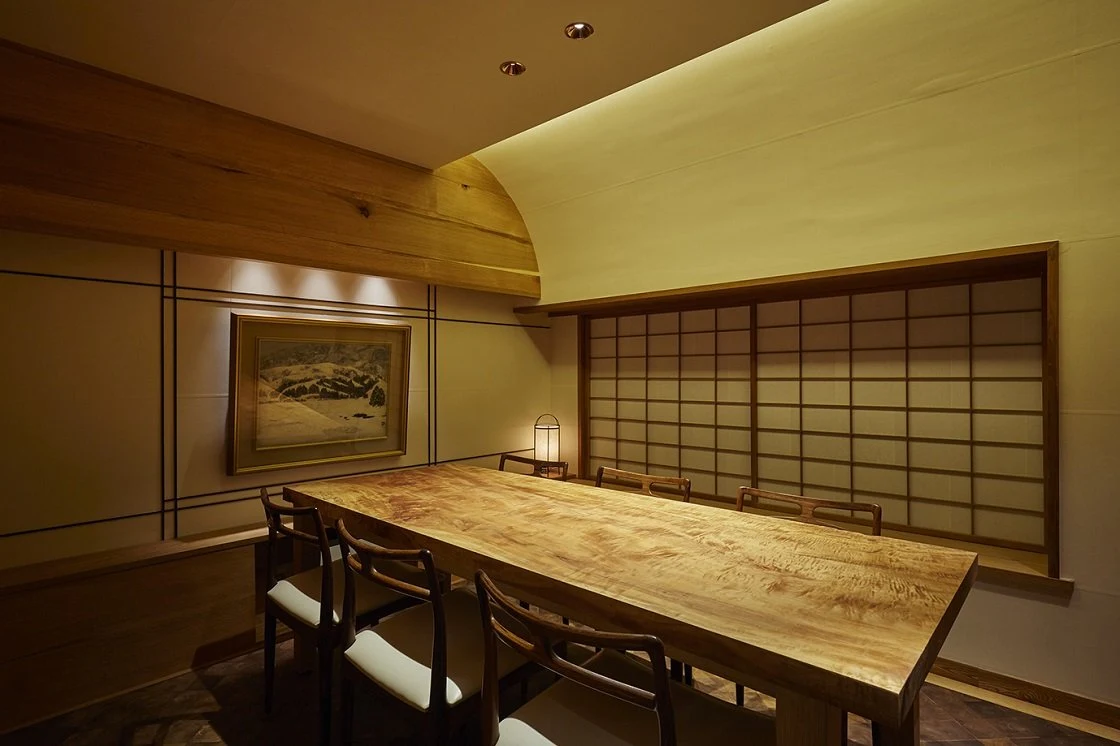
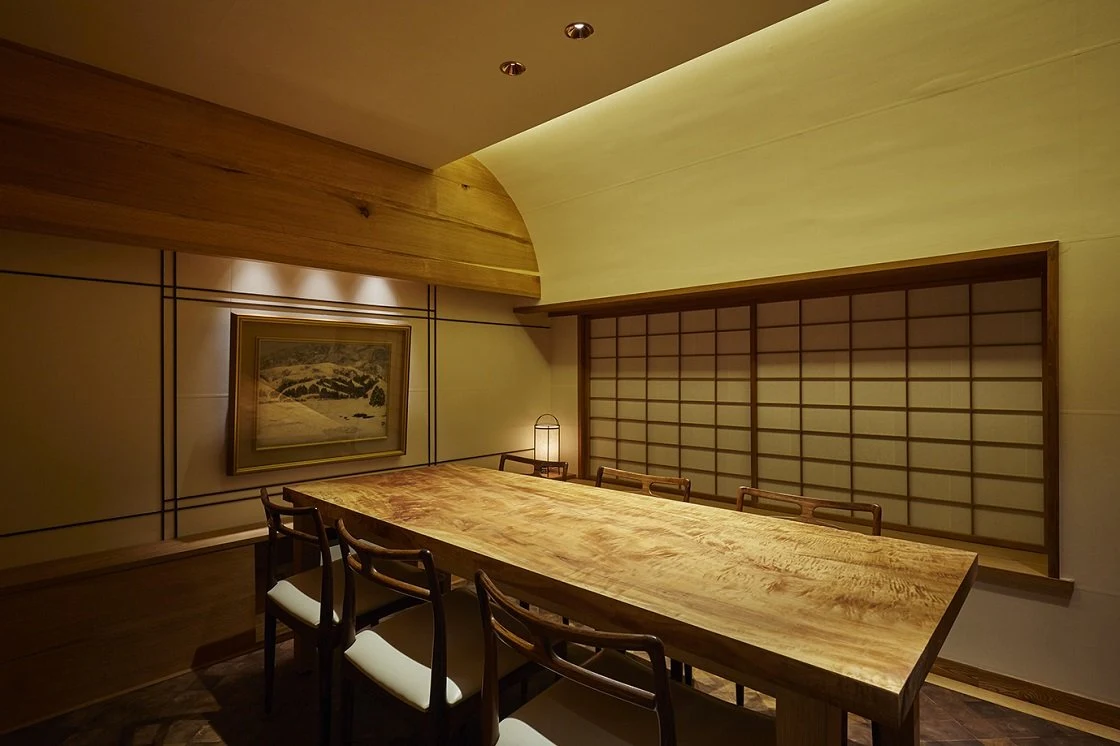
The room is all black, softened by modern art and low light, with the counter facing the open kitchen and a small number of table seats nearby. Claro is intimate by construction, not by mood alone: 6 counter seats and 4 table seats make every movement on the station part of the experience. A spoon crosses the pass, a bowl turns slightly before it lands, a cook checks the surface of rice before the next course leaves. The atmosphere stays quiet, polished, and close, the kind of room where a sauce reduction or the steam off a pot carries further than conversation. In Matsuyamachi, the restaurant sits in a more discreet register than Osaka’s louder food streets, but the craft does not lean on secrecy. It happens in front of you, course by course, at the Claro counter.
Questions
Frequently asked
What kind of restaurant is Claro?
Claro is a modern Spanish restaurant in Chuo Ward, Osaka, where Spanish forms are worked through Japanese ingredients and seasonality.
What is Claro known for?
The menu is known for dishes such as paella with Japanese rice, tortillas with seaweed, and the wagyu spring roll, alongside courses that can include sherry sauce with Daitokuji natto and paella that shifts with the season.
How does booking work?
Reservations are essential, and the restaurant uses TableCheck for bookings. The page copy also says there is one dinner slot a night and that it needs to be booked well ahead.
What is the dining room like?
The room is small and intimate, with 10 seats in total, an open kitchen in view, black surroundings, modern art, and low light.
The field
How it compares
| Place | Cuisine | Notes | Awards |
|---|---|---|---|
| Claro | Modern Spanish-Japanese Fusion | Chūō, $$$$ | · |
| HAJIME | Avant-Garde Japanese Fine Dining | Osaka | Michelin 3 Stars, World's 50 Best |
| Honkogetsu | Traditional Kaiseki | Osaka | · |
| La Cime | Modern French with Japanese Ingredients | Osaka | Michelin 2 Stars, World's 50 Best |
| Numata | Michelin-Starred Tempura Omakase | Osaka | Michelin 2 Stars |
| Sushi Sanshin | Edomae Omakase Sushi | Osaka | Michelin 1 Star |
| Taian | Traditional Japanese Kaiseki Omakase | Osaka | Michelin 3 Stars |
Similar places
Avant-Garde Japanese Fine Dining
HAJIME
Osaka, Japan
★★★ · 50 Best
Traditional Kaiseki
Honkogetsu
Osaka, Japan
Modern French with Japanese Ingredients
La Cime
Osaka, Japan
★★ · 50 Best
Michelin-Starred Tempura Omakase
Numata
Osaka, Japan
★★
Edomae Omakase Sushi
Sushi Sanshin
Osaka, Japan
★
Traditional Japanese Kaiseki Omakase
Taian
Osaka, Japan
★★★