Class Act
In Residence
Nicolai Mlodinow
Executive Chef
- 01CuisineAvant-Garde Fusion Tasting Menu
- 02CityChicago, United States
- 03RecognitionJames Beard Award
- James Beard Winner · James Beard Foundation
- Wine Spectator · Tier 1
- Wine Spectator Award of Excellence · 2026
- James Beard Award Semi Finalist · 2026
Bucktown's Relationship with Serious Independent Dining
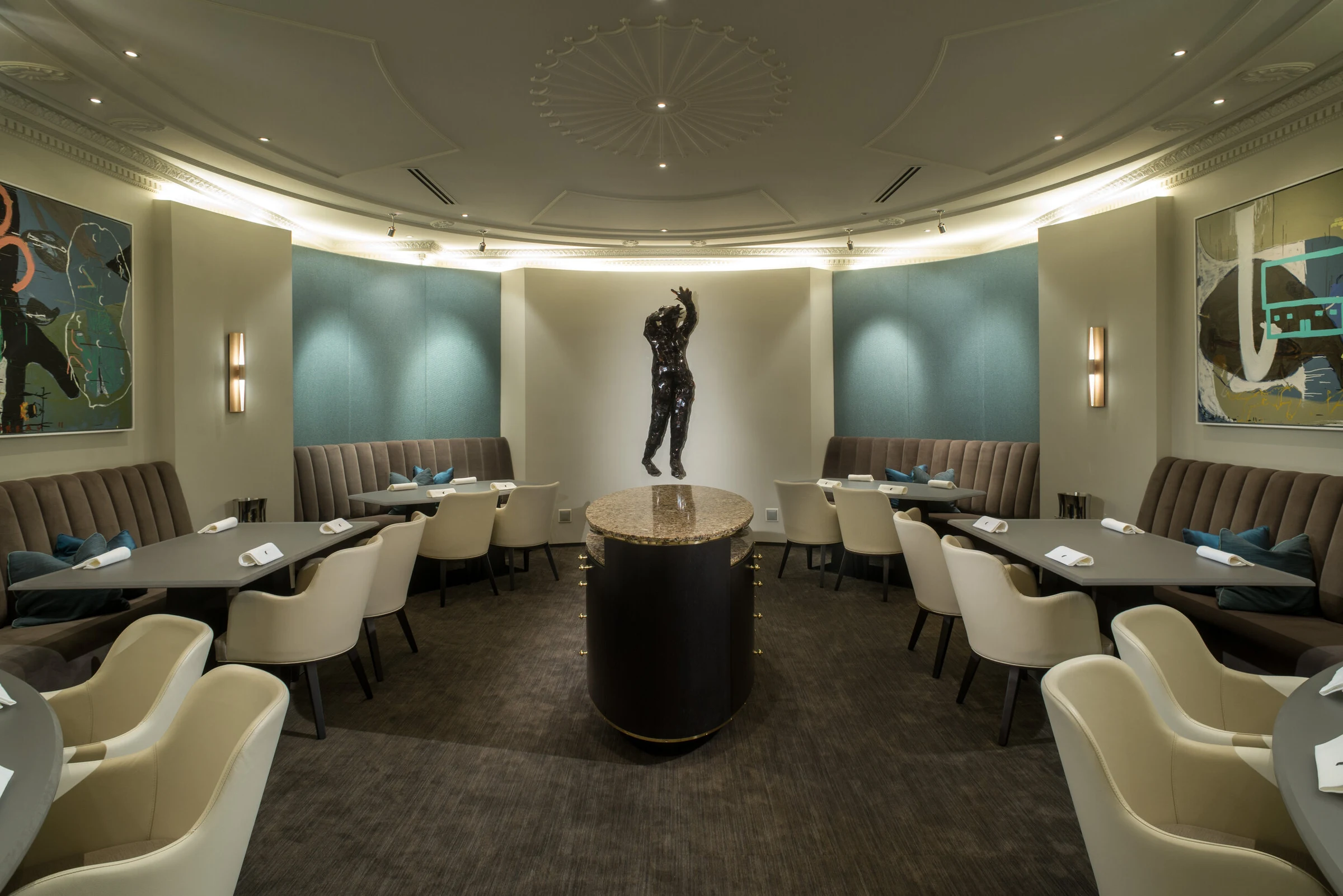
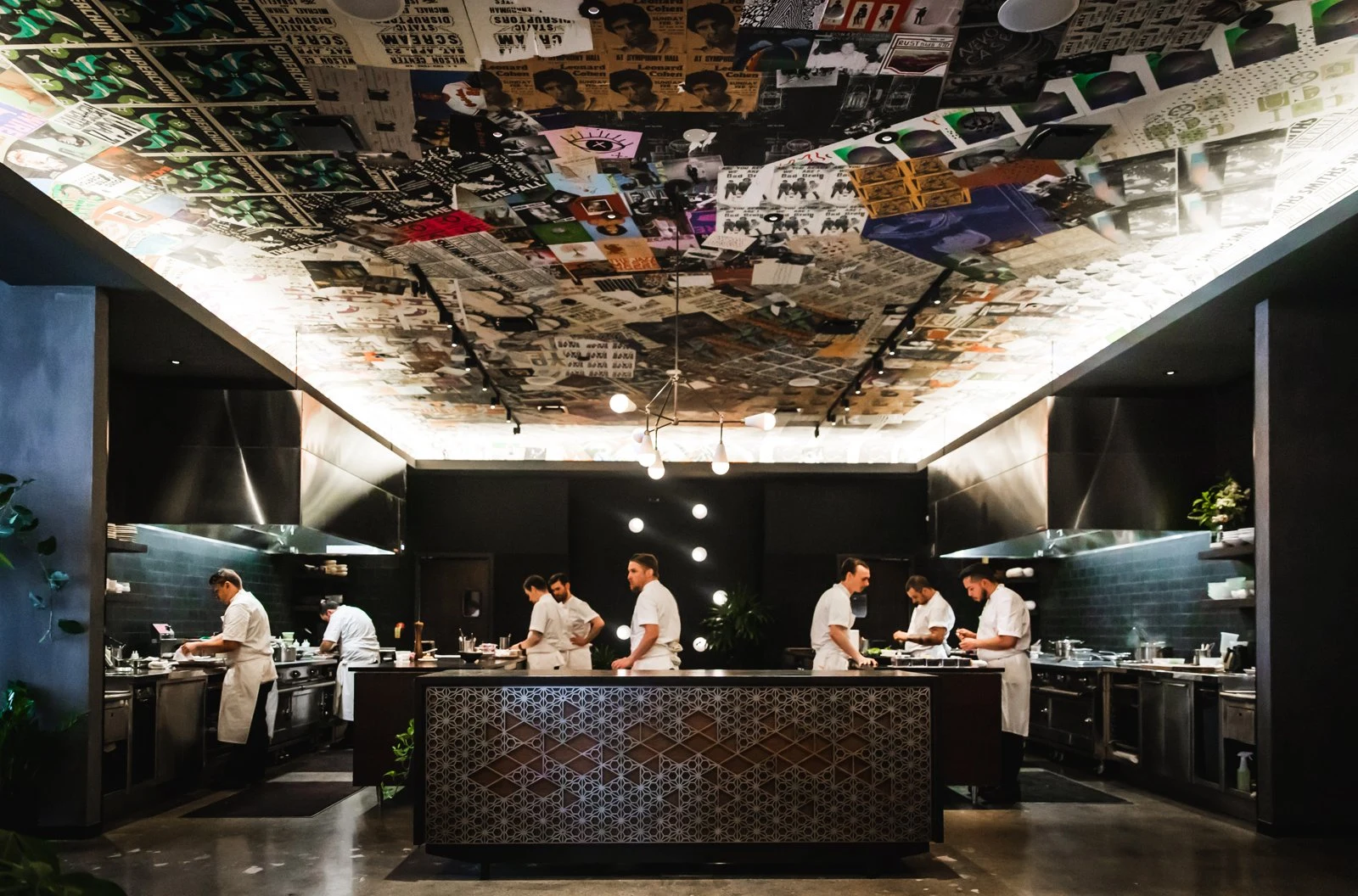
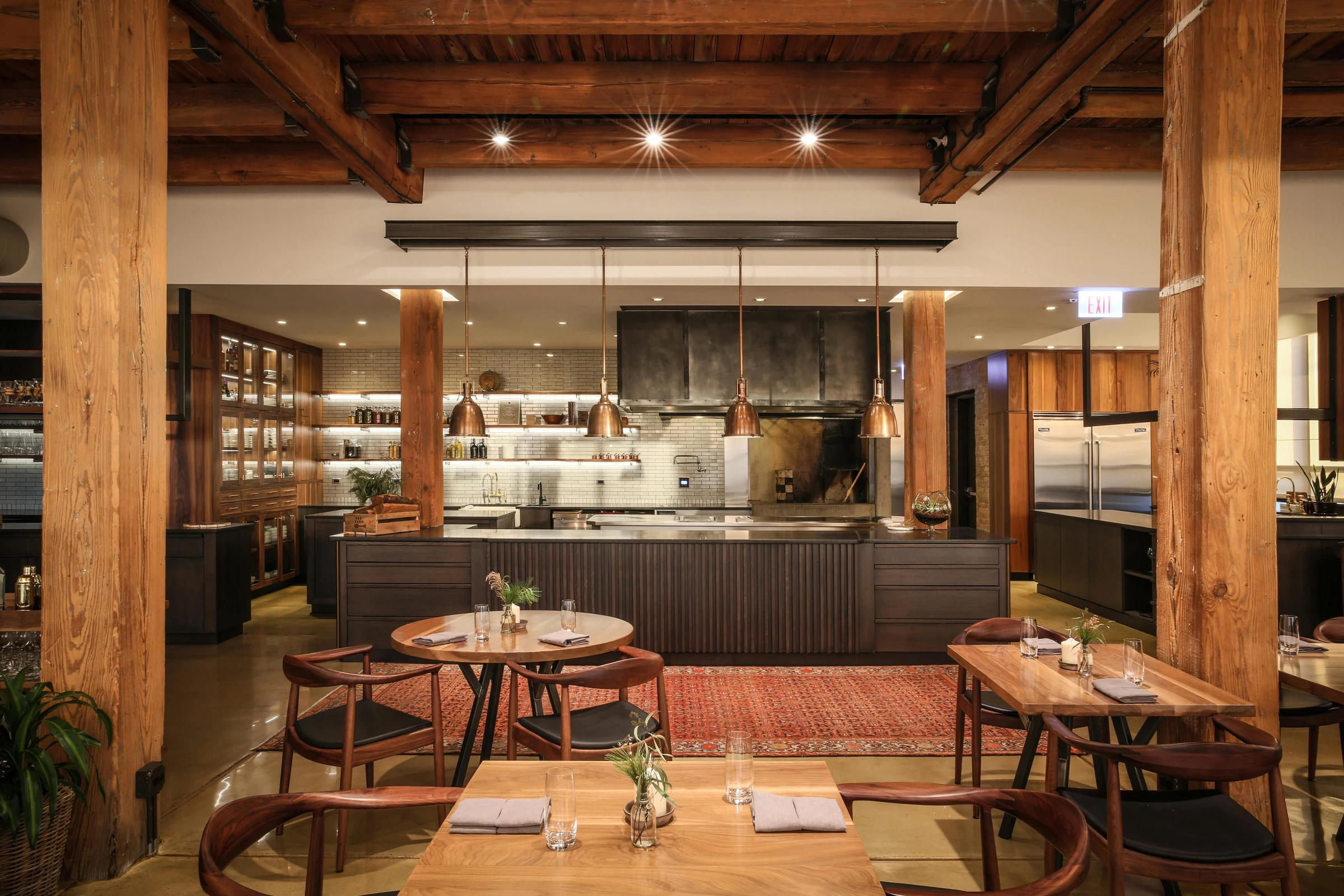
Chicago's independent dining scene has historically concentrated in two zones: the West Loop, where media attention and foot traffic converge, and a quieter arc running through Wicker Park and Bucktown, where leases have allowed smaller operators to build without the pressure of destination-district rents. North Damen Avenue sits in that second corridor. Addresses here tend to attract a neighborhood-first clientele and a secondary wave of diners who seek out venues that haven't yet been absorbed into the city's promotional apparatus. Class Act, at 1737 N Damen Ave, is an Avant-Garde Fusion Tasting Menu restaurant in Bucktown, Chicago, operating at the $$$$ price tier.
That geographic context matters more than it might initially seem. In cities with strong dining cultures, the address is often a signal about the operator's priorities. A West Loop placement reads as a declaration of ambition and visibility. A Bucktown placement on Damen reads as a bet on the neighborhood, on repeat business, and on word-of-mouth over press. The city's most closely watched rooms, including Alinea and Smyth, operate in districts that were themselves transformed by dining investment. Bucktown's trajectory has been slower, which is part of its appeal to operators who want a particular kind of guest relationship.
The Technique-and-Terroir Framework in Chicago's Upper Tier
The most instructive editorial angle for understanding Chicago's progressive American tier is the intersection of imported culinary method and Midwestern agricultural depth. The Great Lakes region, the Illinois prairie, and the broader upper Midwest supply a specific seasonal calendar: morel season in late spring, stone fruit in summer, root vegetables and game through the colder months. The restaurants that have built the most durable reputations in this city, from Oriole to Next Restaurant, have consistently drawn on classical French and Japanese technique applied to that local supply chain. It is a framework that rewards kitchens with strong sourcing relationships and technical discipline in equal measure.
That same framework connects Chicago's dining culture to a broader national conversation. Blue Hill at Stone Barns in Tarrytown built an entire identity around this intersection of agricultural specificity and French-influenced preparation. Single Thread Farm in Healdsburg applies Japanese kaiseki principles to Northern California's seasonal calendar. In Chicago, the same logic plays out against a different set of ingredients and a different climate, one defined by hard winters, brief but intense growing seasons, and a meat and grain culture that predates the city's restaurant industry by generations. Venues that work seriously within this framework tend to distinguish themselves from the broader progressive American category, which can default to novelty over coherence.
Class Act's address in the 60647 zip code places it within reach of the city's independent produce and specialty supply networks, which have become increasingly sophisticated over the past decade as farm-to-table sourcing has moved from marketing language to operational infrastructure. The farmers markets at Lincoln Square and Logan Square, both within a short radius of North Damen, are established sourcing touchpoints for kitchens that work with seasonal Midwestern ingredients.
Peer Context in Chicago's Contemporary Dining Tier
Chicago's top-tier independent dining now operates in a small, expensive bracket. The comparison venues most relevant to Class Act's position include Kasama, which brought a Filipino-American tasting format to the city's conversation about what progressive American cooking can absorb, and Moody Tongue, which built a beverage-forward contemporary program in the South Loop. Both operate at the $$$$ price tier, which has become common for tasting-menu and multi-course formats in the city's upper independent bracket.
Nationally, that price tier competes against a comparable set that includes The French Laundry in Napa, Le Bernardin in New York City, and Providence in Los Angeles. Each of those rooms has built a distinctive identity around the local-technique intersection: French Laundry through hyper-local Northern California sourcing and classical French structure, Le Bernardin through a seafood-first philosophy that imports French method to American waters, and Providence through Pacific Rim ingredients filtered through French-trained precision. The pattern holds across geographies: the most durable upper-tier rooms in American cities have found a specific local ingredient story and applied a rigorous technical framework to it. Chicago's version of that story is Midwestern in its raw materials and cosmopolitan in its technique, a combination that the city's dining culture has been refining for the better part of three decades.
For diners comparing options in the city's contemporary tier, the relevant question is which venue's sourcing and technical approach align most closely with what they want to understand about the region. Lazy Bear in San Francisco, Addison in San Diego, and Frasca Food and Wine in Boulder each answer that question differently within their own regional frameworks. In Chicago, the answer has historically been rooted in the agricultural calendar of the upper Midwest and the technical lineage that the city's serious kitchens have accumulated.
Planning a Visit: What to Know Before You Go
Bucktown and the North Damen corridor are accessible via the Blue Line CTA, with Damen station placing visitors within a short walk of the 1737 address. The neighborhood rewards arriving early for a pre-dinner walk through the commercial stretch; the area's independent retail and bar density makes it a coherent destination rather than a single-stop visit.
| Venue | Neighborhood | Price Tier | Format | Booking Lead Time |
|---|---|---|---|---|
| Class Act | Bucktown / N Damen Ave | N/A | N/A | Contact venue directly |
| Smyth | West Loop | $$$$ | Progressive tasting menu | 4-6 weeks |
| Oriole | Near West Side | $$$$ | Contemporary tasting menu | 4-8 weeks |
| Kasama | Ukrainian Village | $$$$ | Filipino-American tasting menu | 3-5 weeks |
| Next Restaurant | West Loop | $$$$ | Rotating concept, ticketed | Variable |
Diners with an interest in how global technique applies to local ingredients across different American cities may also find useful context in Atomix in New York, which applies Korean fine dining discipline to a North American framework, and Atelier Moessmer Norbert Niederkofler in Brunico, which is among the most instructive examples internationally of classical European technique applied to a specific and constrained regional larder. Emeril's in New Orleans and The Inn at Little Washington in Virginia represent older models of the same intersection, useful for understanding how the American fine dining tradition has evolved. Seasonal timing in Chicago favors late May through June for spring produce, and October for the transition into root-vegetable and game-focused menus.
Questions
Frequently asked
What recognition does Class Act hold?
Class Act holds a James Beard award.
Who works at Class Act?
Made By profiles Nicolai Mlodinow (Executive Chef / Founder) at Class Act.
How expensive is Class Act?
Class Act is listed at a price level of $$$$.
Where is Class Act and what does it serve?
Class Act is in Bucktown, Chicago, serving Avant-Garde Fusion Tasting Menu.
The field
How it compares
| Place | Awards | Cuisine | Notes |
|---|---|---|---|
| Class Act | James Beard | Avant-Garde Fusion Tasting Menu | Bucktown, $$$$ |
| Alinea | Michelin 3 Stars, World's 50 Best | Avant-Garde Molecular Gastronomy | Chicago |
| Asador Bastian | · | Basque-Inspired Steakhouse | Chicago |
| Ever | Michelin 2 Stars | Modern American Fine Dining | Chicago |
| Kumiko | · | Japanese Dining Bar | Chicago |
| Oriole | Michelin 2 Stars | Modern French-Japanese Tasting Menu | Chicago |
| Smyth | Michelin 3 Stars, World's 50 Best | Modern American Tasting Menu | Chicago |
In residence
Similar places
Avant-Garde Molecular Gastronomy
Alinea
Chicago, United States
★★★ · 50 Best
Basque-Inspired Steakhouse
Asador Bastian
Chicago, United States
Modern American Fine Dining
Ever
Chicago, United States
★★
Japanese Dining Bar
Kumiko
Chicago, United States
Modern French-Japanese Tasting Menu
Oriole
Chicago, United States
★★
Modern American Tasting Menu
Smyth
Chicago, United States
★★★ · 50 Best