Clos Apalta Residence

In Residence
Leonel Diaz
Chef
- 01CuisineFrench-inspired Chilean Fine Dining
- 02CityValle de Apalta, Chile
Seasonal plates beside estate wines
- Relais Chateaux Award · 2026
- Relais Chateaux Award · 2025
A restrained hand above the vines
A tasting menu at Clos Apalta Residence in Valle de Apalta begins with restraint before ornament. Clos Apalta Residence has run as a Relais & Châteaux restaurant and small hotel since 2011, inside what had been the Bournet Lapostolle family’s own house among the estate vineyards. Restraint matters in a room where wine, valley light, and service could easily crowd the plate.
The house presents seasonal tasting menus shaped around the stay, the table, and the estate wines. Its founding logic came from seven generations of winemaking, and the buildings followed the same slow order: a guest house for owners arriving from Europe, then four casitas for friends and business contacts, then six more villas set into the hillside. The kitchen sits at the point where a private wine-country residence becomes a restaurant, with the pass answering not only to appetite, but to the cellar beside it.
The menu follows the cellar
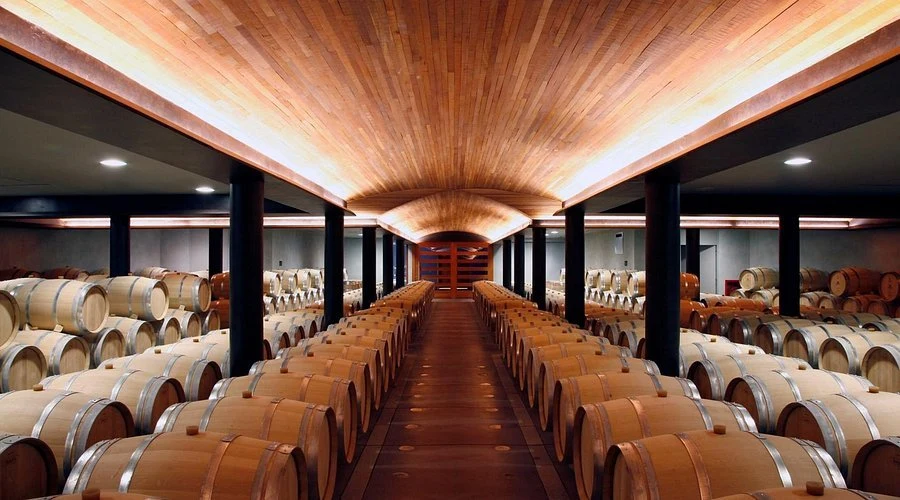
The program is built around multi-course dining and estate pairings, with Clos Apalta wines carrying much of the conversation and a master sommelier setting the sequence. The adjacent winery works in a seven-story underground complex designed by Roberto Benavente Riquelme, using gravity-flow production and organic and biodynamic grapes. That architecture is not restaurant décor; it shapes the rhythm of the meal. Wines move from vineyard to barrel room to library, then back to the dining room in glassware set for a tasting menu rather than a casual pour.
The estate’s language centers on Clos Apalta and Le Petit Clos, with Carmenère and old Cabernet Sauvignon vines part of the wider Apalta context. The kitchen has to meet that depth without competing with it. Seasonal cooking, local sourcing, and a farm-to-table approach are the stated terms here, but the more exact craft is alignment: acidity against oak, freshness against texture, a course held narrow enough that the next glass can open. The meal is a sequence, paired to the estate, served within a residence that grew from private use into hospitality.
The room keeps its voice low
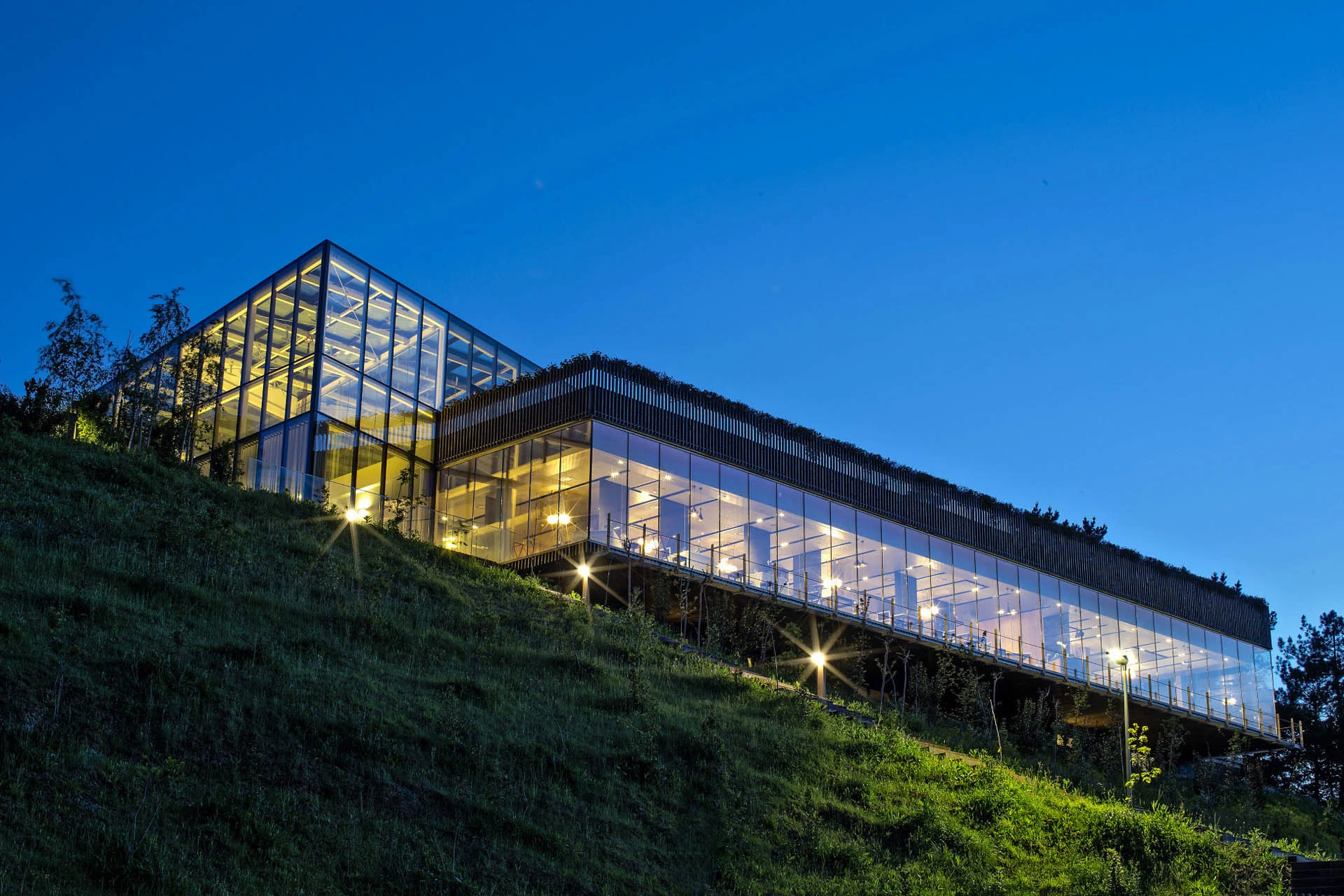
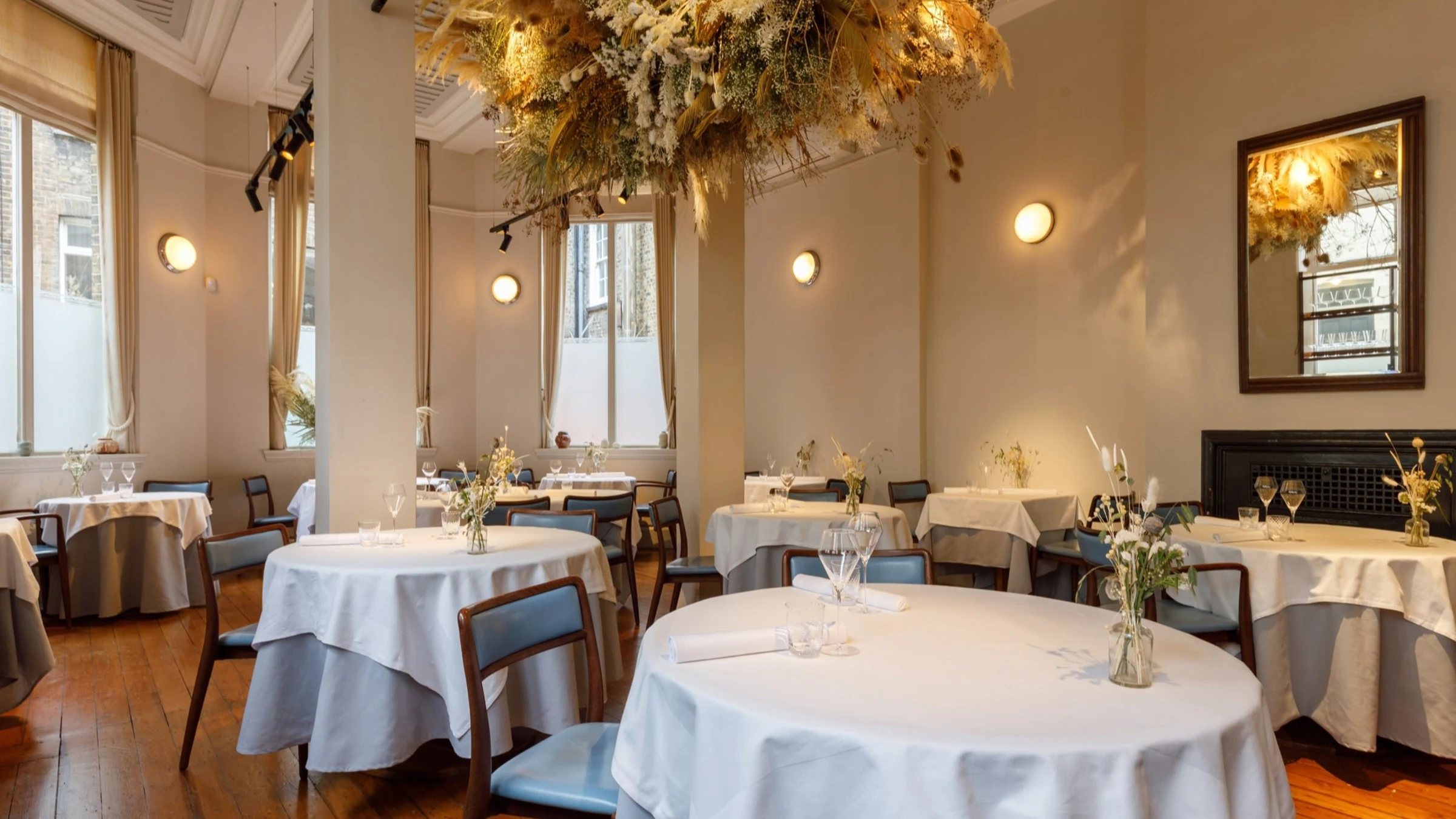
The room sits in the main house, the former private residence of the Domaines Bournet Lapostolle family, looking out over vineyards and the Apalta Valley’s natural amphitheater. Around it are casitas and villas set into the hillside, part of a total of ten accommodations within a 500-hectare private reserve of native forest and vines. The scale matters. It keeps the restaurant intimate, with a quiet pass and a terrace that changes as the light moves across the slopes.
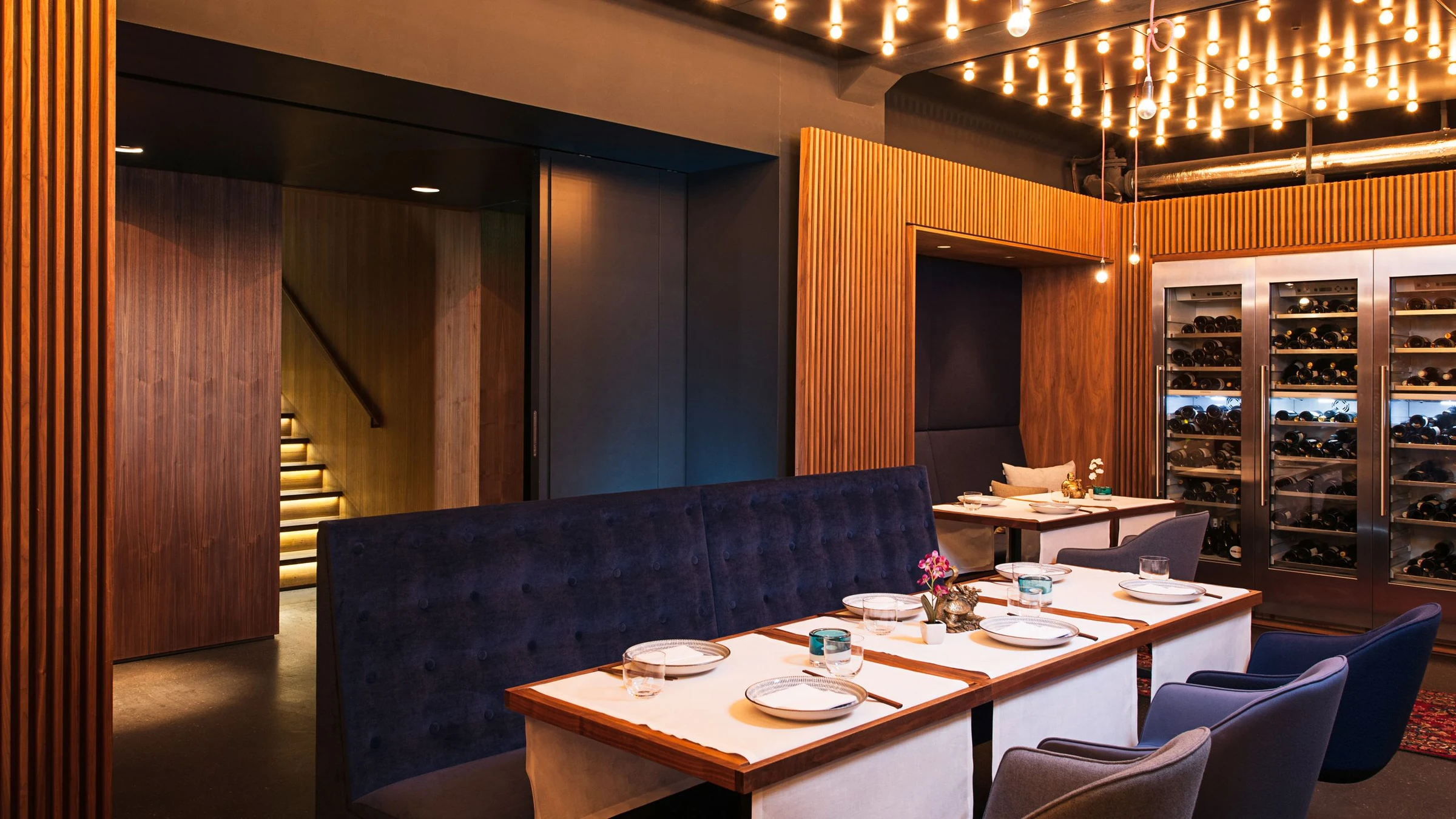
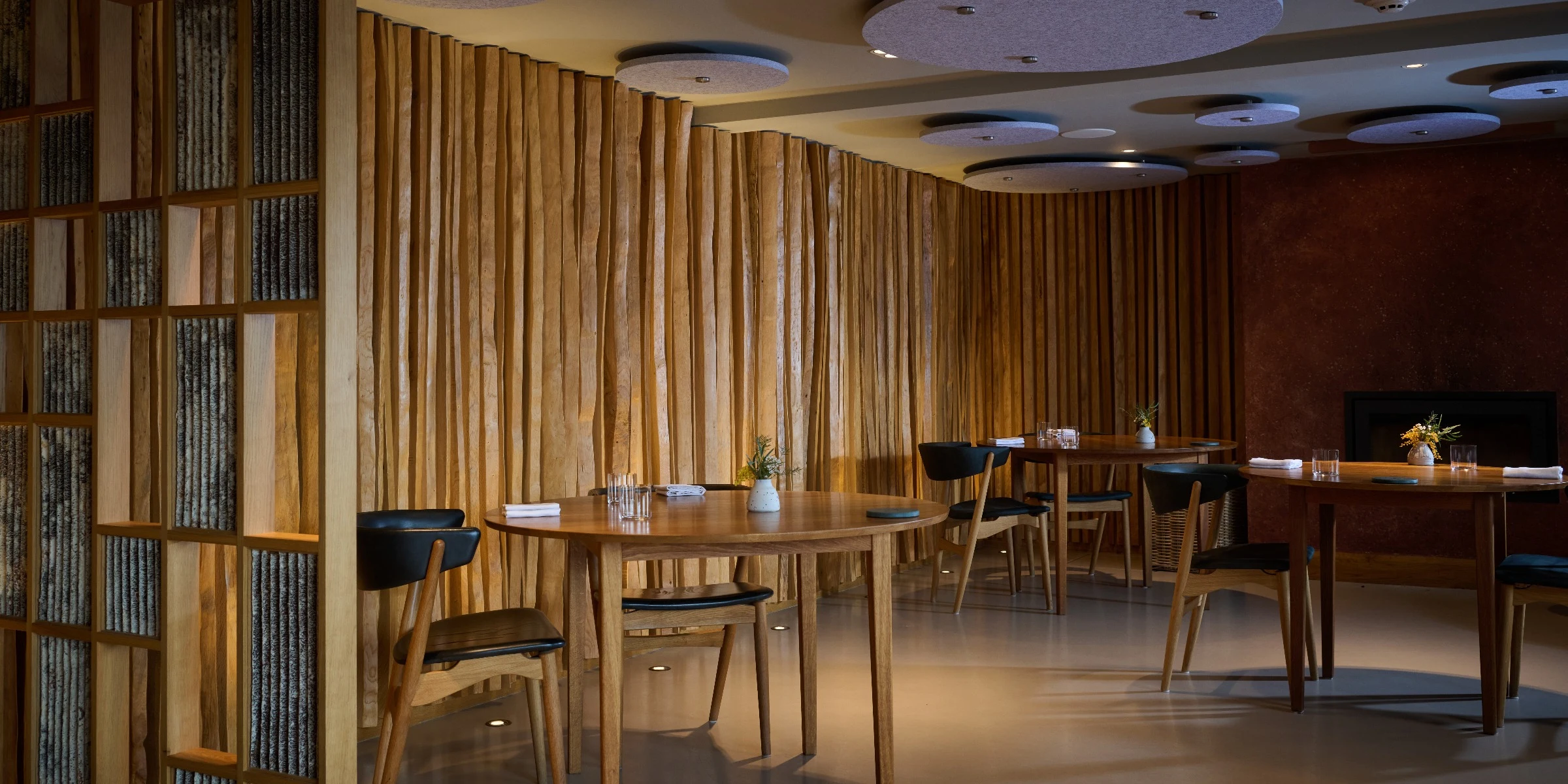
Nothing in the room needs to raise its hand. The table settings are formal, the service careful, and the view does part of the labor without becoming the point. Guests move between vineyard, tasting room, cellar, and table, so the meal feels less like an isolated restaurant sitting on an estate than one station in the estate’s day. By dinner, the concrete fact is simple: the kitchen, the Clos Apalta glass, and the vineyard outside the main house are working from the same hillside.
Questions
Frequently asked
What kind of restaurant is Clos Apalta Residence?
It is a French-inspired Chilean fine dining restaurant in Valle de Apalta, run as a Relais & Châteaux restaurant and small hotel since 2011.
What is the menu like?
The restaurant serves seasonal tasting menus with multi-course dining and estate wine pairings, and the kitchen uses a farm-to-table approach with local sourcing.
Where is Clos Apalta Residence located?
It is at Km 4 Apalta, Colchagua, Santa Cruz, O'Higgins, Chile, in Valle de Apalta.
Is booking required?
Reservations are essential.
What should guests know about the setting?
The dining room is in the main house, overlooking vineyards and the Apalta Valley, and the estate also includes casitas and villas set into the hillside.
The field
How it compares
| Place | Cuisine | Notes | Awards |
|---|---|---|---|
| Clos Apalta Residence | French-inspired Chilean Fine Dining | Valle de Apalta, $$$$ | · |
| Azurmendi | Modern Basque Fine Dining | Larrabetzu | Michelin 3 Stars, World's 50 Best |
| HAJIME | Avant-Garde Japanese Fine Dining | Osaka | Michelin 3 Stars, World's 50 Best |
| Restaurant Tim Raue | Asian-German Fine Dining | Berlin | Michelin 2 Stars, World's 50 Best |
| Saison | Modern Fire-Forward Fine Dining | San Francisco | Michelin 2 Stars, World's 50 Best |
| The Angel | Modern British-Japanese Fusion | Hetton | Michelin 1 Star |
| The Clove Club | Modern British Fine Dining | London | Michelin 2 Stars, World's 50 Best |
In residence
Similar places
Modern Basque Fine Dining
Azurmendi
Larrabetzu, Spain
★★★ · 50 Best
Avant-Garde Japanese Fine Dining
HAJIME
Osaka, Japan
★★★ · 50 Best
Asian-German Fine Dining
Restaurant Tim Raue
Berlin, Germany
★★ · 50 Best
Modern Fire-Forward Fine Dining
Saison
San Francisco, United States
★★ · 50 Best
Modern British-Japanese Fusion
The Angel
Hetton, United Kingdom
★
Modern British Fine Dining
The Clove Club
London, United Kingdom
★★ · 50 Best