Clos de l'Oratoire
- 01CitySaint-Émilion, France
- Falstaff Winery - 2 Stars · 2026
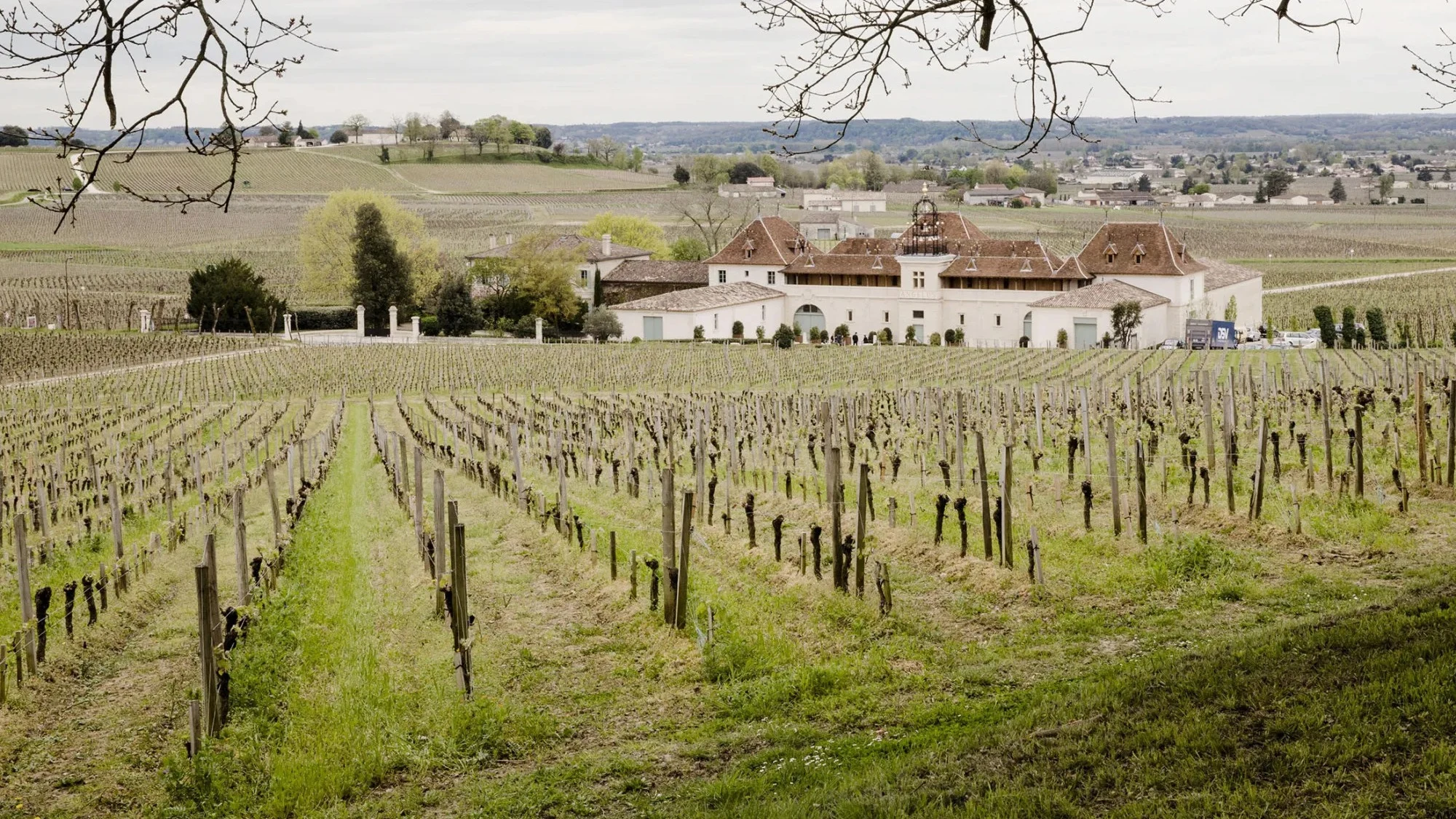
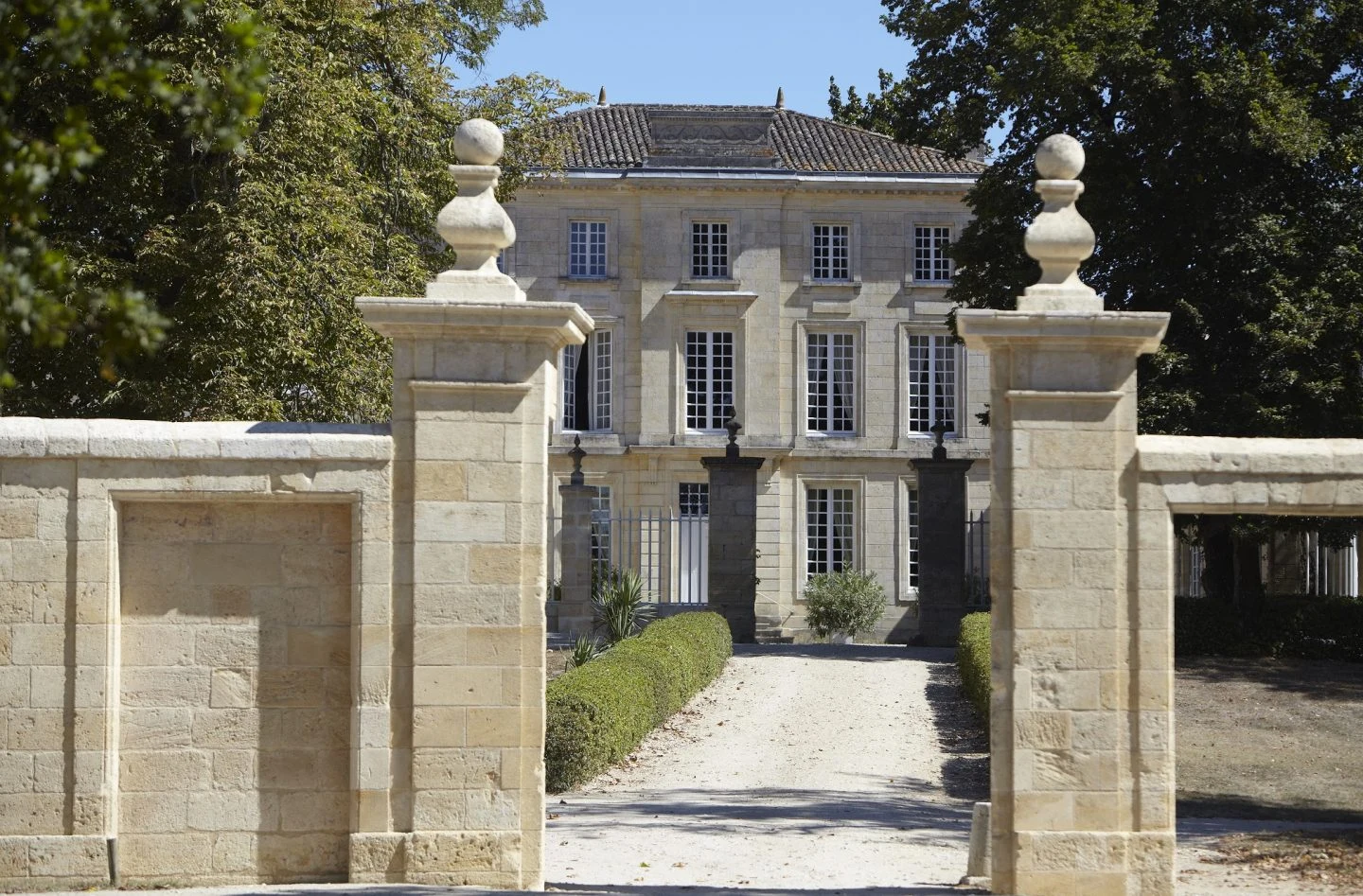
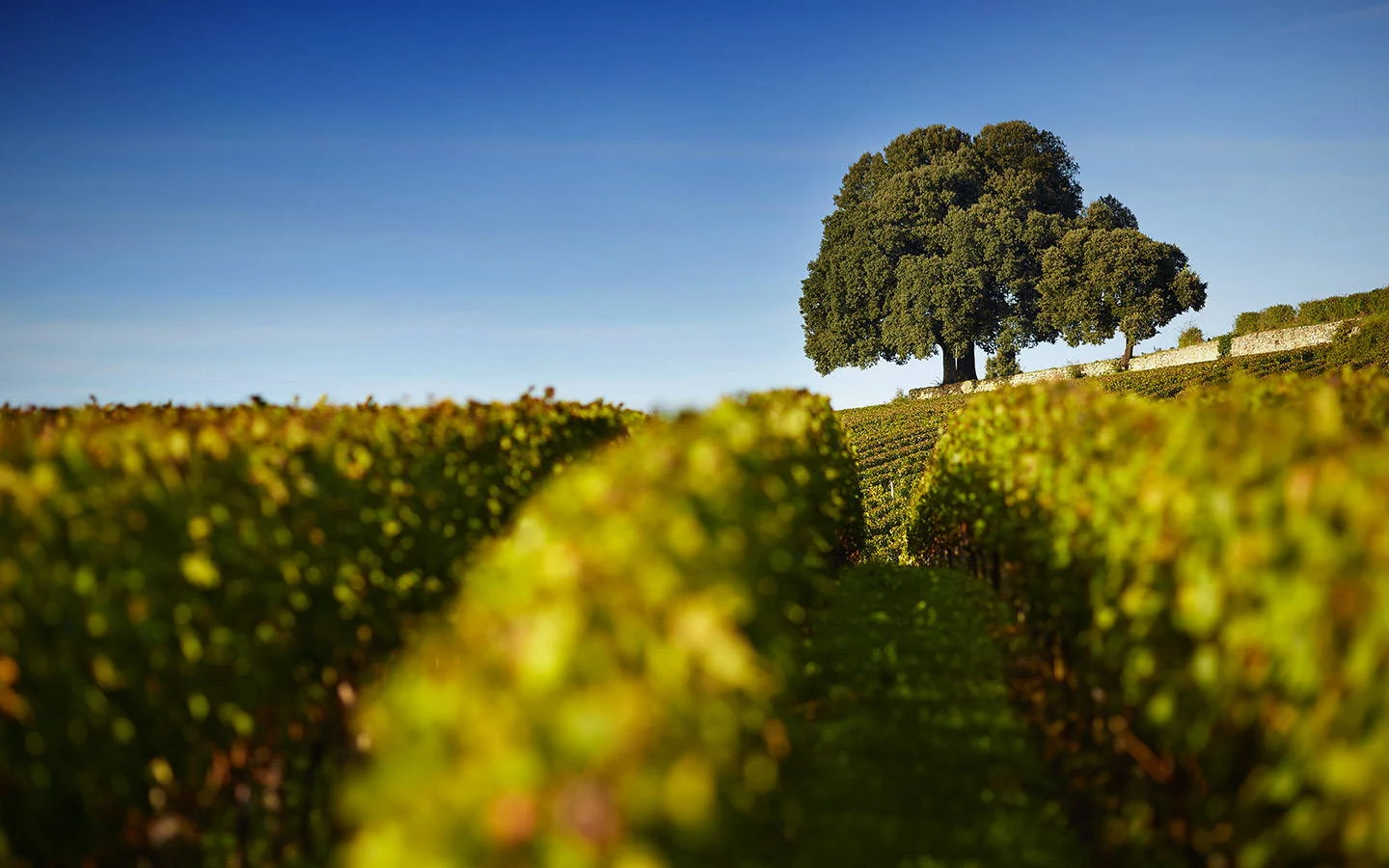
On the northeast slope of Saint-Émilion, the vineyard is the first argument. The setting is quiet, hillside and agricultural rather than theatrical: 13.07 hectares of vines, garden and estate grounds, with the cellar work built around temperature-controlled wooden vats and long barrel ageing. Clos de l'Oratoire belongs to the Right Bank tradition where Merlot does the heavy lifting, but the detail here is in the soils and extraction rather than château grandeur.
Merlot from the northeast slope, shaped by clay and Fronsac molasse
Saint-Émilion often rewards readers who look past label hierarchy and into geology. Here the vineyard sits on Fronsac molasse at the upper part of the slope, with clay-sand soils lower down. That combination matters: drainage, water retention and ripening conditions feed directly into the estate’s round, fruit-driven Saint-Émilion profile. The general blend is 80% Merlot and 20% Cabernet Franc, though recent vintages move within that frame, from 75% Merlot in 2023 to 90% Merlot in 2020 and 2021.
The estate was created in 1969 from plots of Château Peyreau and has been owned by Comte Stephan von Neipperg since 1991. That ownership places it within the Vignobles Comtes von Neipperg portfolio, but the more useful reading is viticultural: a compact Right Bank property, mature vines averaging 35 years, organic certification under FR-BIO-10, and a production model focused on a still red Bordeaux rather than a broad hospitality portfolio.
For visitors building a Saint-Émilion wine itinerary, this is not the address to read as a casual drop-in cellar door. The format is appointment only, with estate tasting, barrel tasting and vineyard visit listed as the relevant visit styles. Those planning the wider trip can map it alongside Our full Saint-Émilion wineries guide, then use Our full Saint-Émilion restaurants guide, Our full Saint-Émilion hotels guide, Our full Saint-Émilion bars guide and Our full Saint-Émilion experiences guide for the rest of the day around the village.
Oak-vat fermentation and a controlled Right Bank texture
The cellar decisions point toward polish rather than severity. Fermentation runs in temperature-controlled oak vats for 22 to 30 days, with low-temperature handling and slow pneumatic pigeage used to manage extraction. Ageing typically sits in the 15-to-18-month range, with fine lees and significant oak use. Recent vintages also show no fining, including 2020 through 2023.
The 2023 wine is 75% Merlot and 25% Cabernet Franc, aged for 15 months with 75% in oak barrels, 30% new, and the remaining 25% in wooden and concrete vats. The 2022 returns to the estate’s broader 80/20 Merlot-Cabernet Franc pattern, also at 15 months, while 2020 and 2021 both move to 90% Merlot and 10% Cabernet Franc. These shifts are not cosmetic; in Saint-Émilion, small changes in Cabernet Franc can alter the line of the wine, adding lift and aromatic structure against Merlot’s breadth.
Recognition is strongest around the 2020 vintage: 96 points from James Suckling, 94 from Vinous, 94 from Jordan Davies, 92 from Wine Advocate, 92 from Decanter and 91 from Wine Spectator. Le Figaro Avis-Vin gives an average note of 92/100. Those numbers place the estate in a credible Grand Cru Classé conversation without requiring the extreme pricing of the region’s trophy labels; recent 2020 retail references sit around USD $38.39 to $43.87 per 750ml bottle.
How to place it within a Saint-Émilion day
Strongest reason to come is educational rather than ceremonial: this is a compact case study in Merlot-dominant Right Bank Bordeaux, organic vineyard work and oak-vat vinification. The estate’s quiet, scenic format suits travellers who want to connect soil, slope, grape and barrel regime, not those looking for a high-volume tasting bar or food-pairing programme.
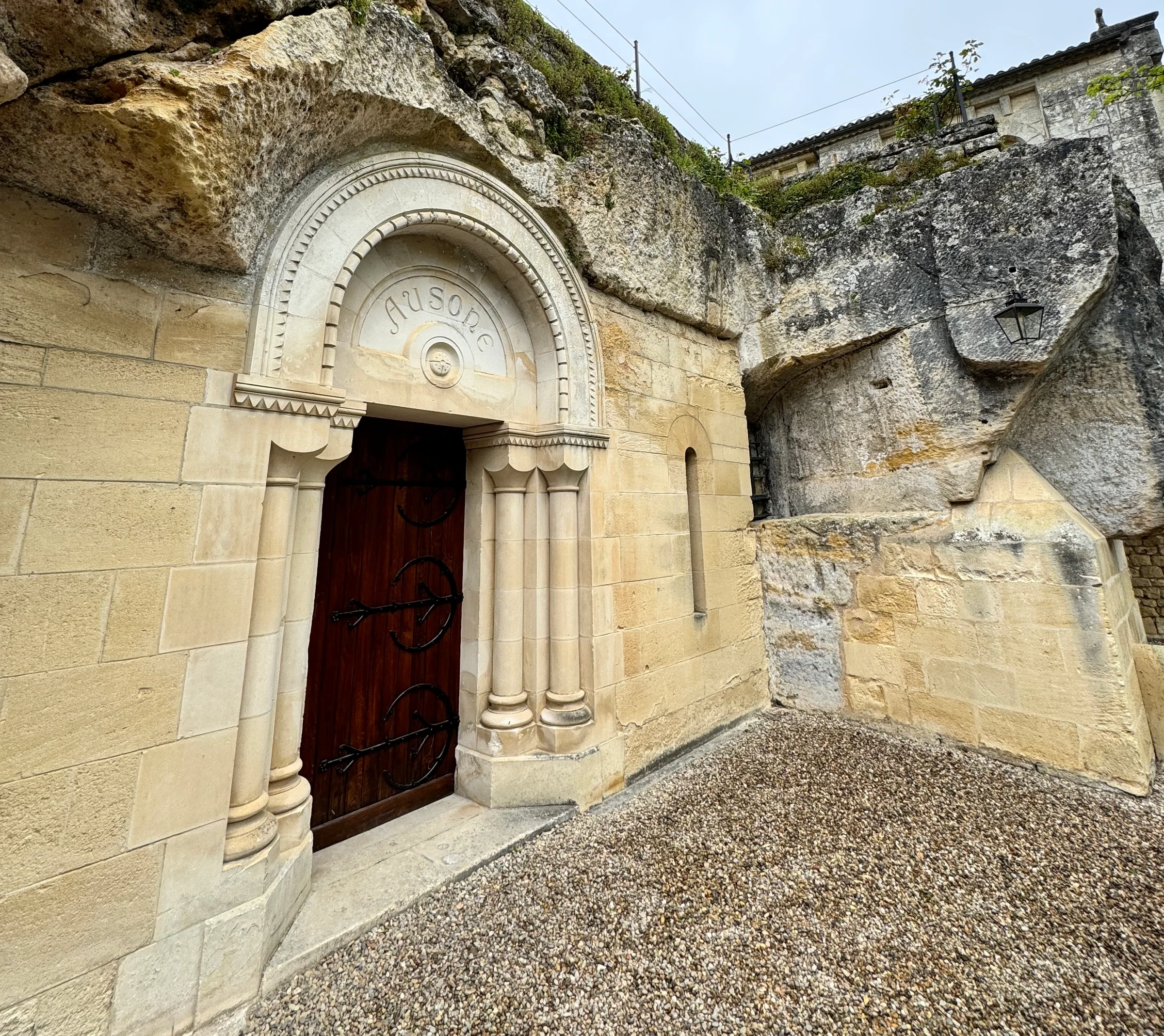
Saint-Émilion rewards contrast, so the smarter itinerary uses Clos de l'Oratoire as one point in a broader reading of the appellation. Nearby reference pages such as Chateau Ausone, Chateau Beauregard, Chateau Montlisse, Château Amélisse and Château Angelus help frame how broad the village’s wine culture has become, from classified estates to more contemporary tasting formats. Further afield, A. Margaine in Villers-Marmery, Abbaye de Fontfroide in Narbonne, Abbotts & Delaunay in Marseillette, »der Steiner« Hans Steiner in Podersdorf am See and & Handwein in Mannheim widen the lens across European wine travel.
Questions
Frequently asked
How expensive is Clos de l'Oratoire?
Clos de l'Oratoire is listed at a price level of $$$.
The field
How it compares
| Place | Notes |
|---|---|
| Clos de l'Oratoire | Right Bank, Saint-Émilion, $$$ |
| Château Angelus | Saint-Émilion |
| Chateau Ausone | Saint-Émilion |
| Château Canon | Saint-Émilion |
| Château Cheval Blanc | Saint-Émilion |
| Château Figeac | Saint-Émilion |
| Château Pavie | Saint-Émilion |