Criadores de Rioja
- 01CityAlberite, Spain

- Falstaff Winery - 1 Stars · 2026
Criadores de Rioja in Alberite is best understood as a modern, production-focused Rioja winery rather than as a purely decorative cellar stop. Its profile centres on technical, efficient winery spaces, cutting-edge facilities, underground ageing cellars, and the more traditional barrel-lined rooms associated with the region. The appeal is the contrast: contemporary production infrastructure set against the familiar visual language of Rioja ageing, so the setting feels practical and recognisably regional at the same time.
What can be said with confidence is that Criadores de Rioja presents a modern, classic, scenic, and rustic winery setting in Alberite, with a focus on production spaces and ageing cellars. It is the kind of place to describe through its architecture, cellar atmosphere, and working-winery character, rather than through unsupported claims about particular wines, vineyards, or tasting formats.
A production-focused Rioja winery in Alberite
The venue’s identity is tied to Rioja winemaking in Alberite, but specific claims about villages, soils, grape sourcing, or climatic zones are not confirmed here. For visitors comparing winery experiences, the useful distinction is simpler: Criadores de Rioja represents a technically oriented side of Rioja, where the built environment and cellar infrastructure are central to the impression. The emphasis falls on how a winery is organised, how production spaces shape the visitor’s sense of place, and how ageing cellars contribute to the overall atmosphere.
That makes it a good fit for travellers interested in how modern winery facilities can sit alongside more traditional barrel-cellar imagery. The contrast matters because Rioja is often imagined through rows of barrels, underground rooms, and a sense of long ageing, while contemporary wineries also depend on efficient, purpose-built spaces. Criadores de Rioja sits in that overlap: not simply rustic, and not only industrial, but a venue where the practical side of production and the classic cellar aesthetic can be read together.
In that sense, the venue’s character is less about a romanticised small-cellar narrative and more about a working Rioja winery environment. The combination of modern facilities and classic cellar cues gives Criadores de Rioja its clearest editorial shape. For a visitor, that means the strongest expectation should be a winery setting where the production identity is visible and where the cellar spaces are part of the appeal. It is a useful reminder that Rioja experiences do not all need to follow the same pattern: some are led by scenery, some by hospitality, and some, like this one, by the relationship between function, ageing, and regional atmosphere.
What is about the setting
No specific grape programme is so claims about particular native varieties, organic farming, certifications, or awards should not be treated as confirmed. The grounded way to describe Criadores de Rioja is through its production-focused winery profile: modern, efficient spaces paired with underground ageing cellars and barrel-lined rooms. Those are the details that give the venue its texture without overreaching beyond what is known.
That may still be useful for planning. Some Rioja visits are framed around hospitality, labels, or individual vineyards; this one is best described from the facts as a modern winery setting in Alberite with a strong cellar and production identity. The price range is listed as $$. In practical editorial terms, that places the focus on the experience of the setting itself: the contrast between clean, contemporary winery infrastructure and the more familiar, time-worn impression created by ageing rooms and barrels.
The scenic and rustic notes should also be read in that context. They do not need to imply a remote or old-fashioned property; here, they work alongside the modern and classic descriptors. The result is a layered setting, where the visitor can understand Criadores de Rioja as both a functioning production space and a Rioja cellar environment. That balance is the safest and most accurate way to frame the venue.
How to place it in an Alberite wine itinerary
For an Alberite itinerary, position Criadores de Rioja as a winery stop defined by modern facilities, underground ageing cellars, and traditional barrel-lined spaces. The atmosphere can be described as modern, classic, scenic, and rustic, with the production side of Rioja clearly part of the venue’s identity. It is well suited to an itinerary where the aim is not only to see wine country, but also to understand the look and feel of a contemporary Rioja winery environment.
For planning around town, keep the winery within a broader Alberite map and compare it with other Alberite dining, drinking, lodging, and experience options generically. With limited operational detail available here, avoid assuming specific visit formats, opening hours, reservation requirements, or tasting structures unless confirmed directly before you go. That caution is important: the confirmed story is the setting and production profile, not a promise of a particular style of visit. Used that way, Criadores de Rioja can sit comfortably as a cellar-focused, production-minded point in an Alberite wine day.
Questions
Frequently asked
How expensive is Criadores de Rioja?
Criadores de Rioja is listed at a price level of $$.
The field
How it compares
| Place | Notes | Awards |
|---|---|---|
| Criadores de Rioja | Alberite, $$ | · |
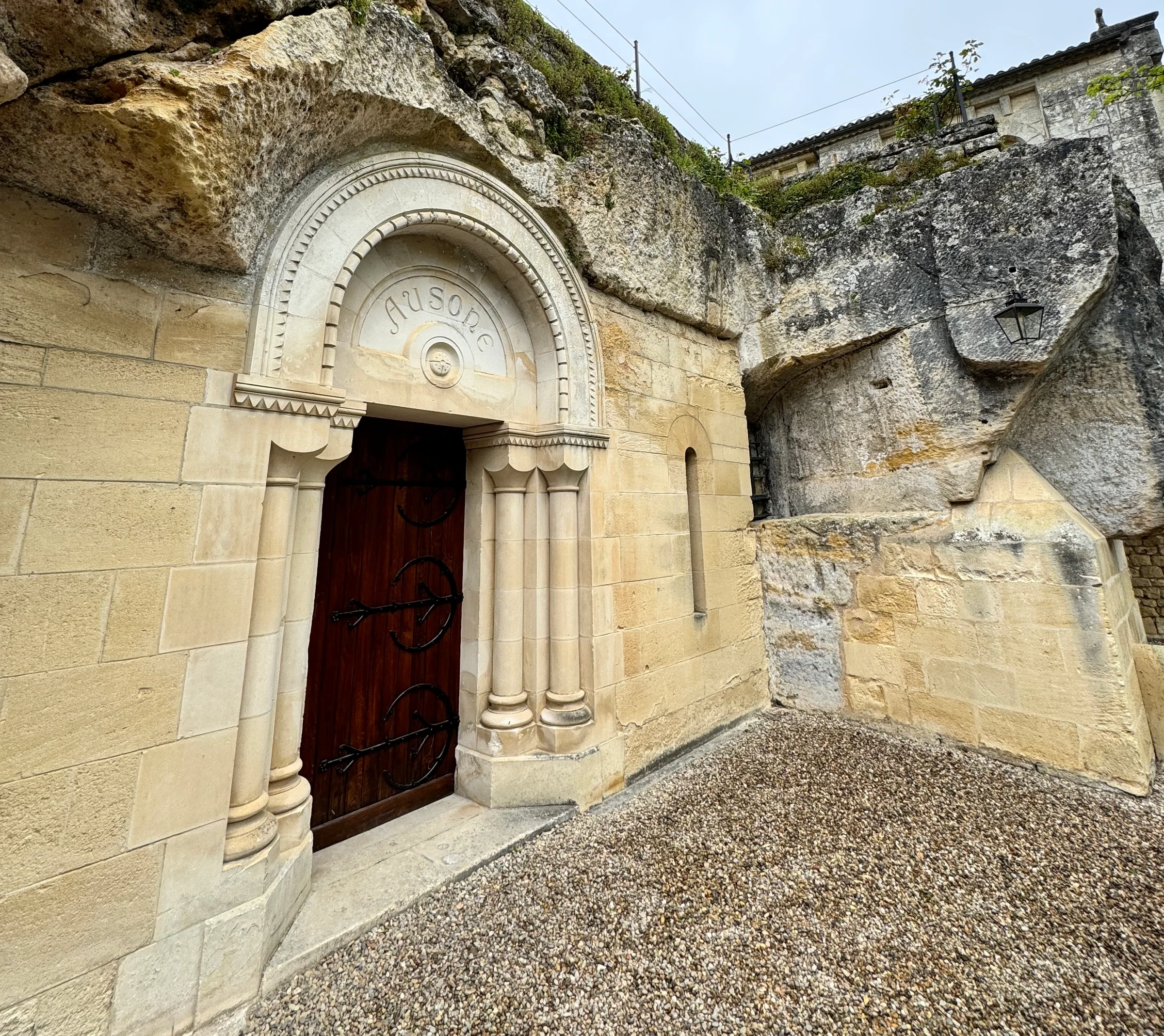
| Chateau Ausone | Saint-Émilion | · |
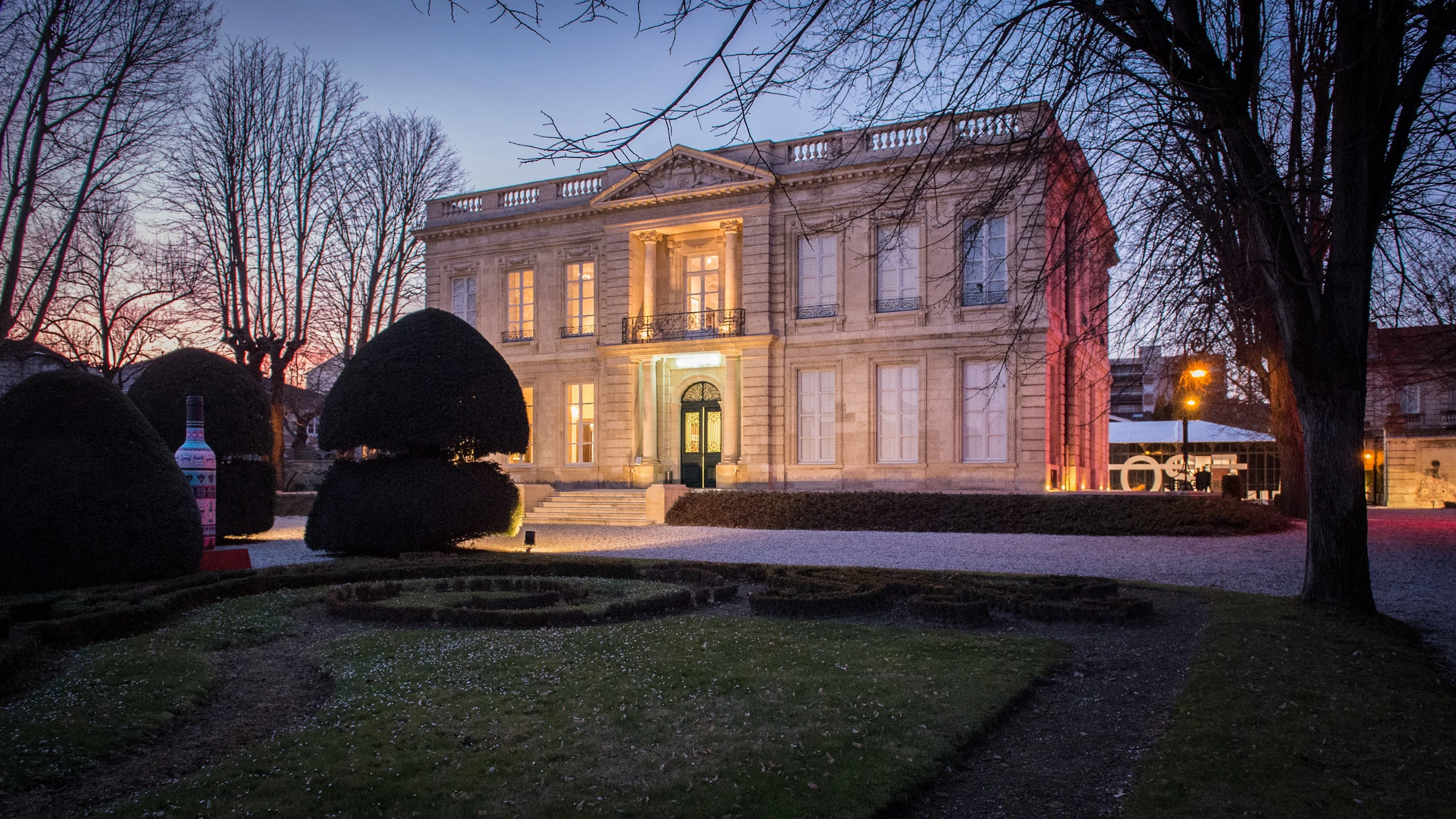
| Château Pape Clement | Pessac | World's 50 Best |
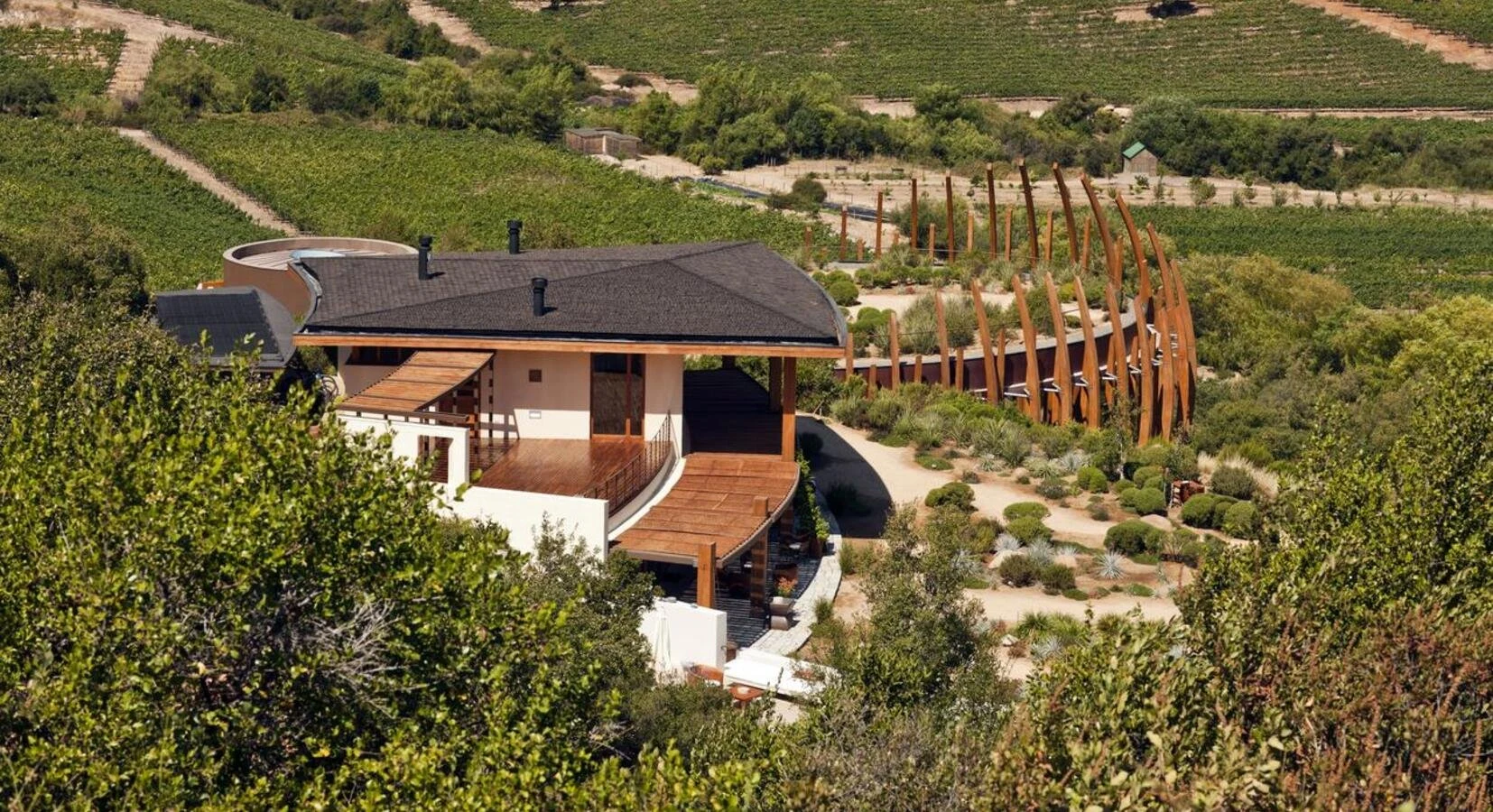
| Clos Apalta (Casa Lapostolle) | Santa Cruz | World's 50 Best |
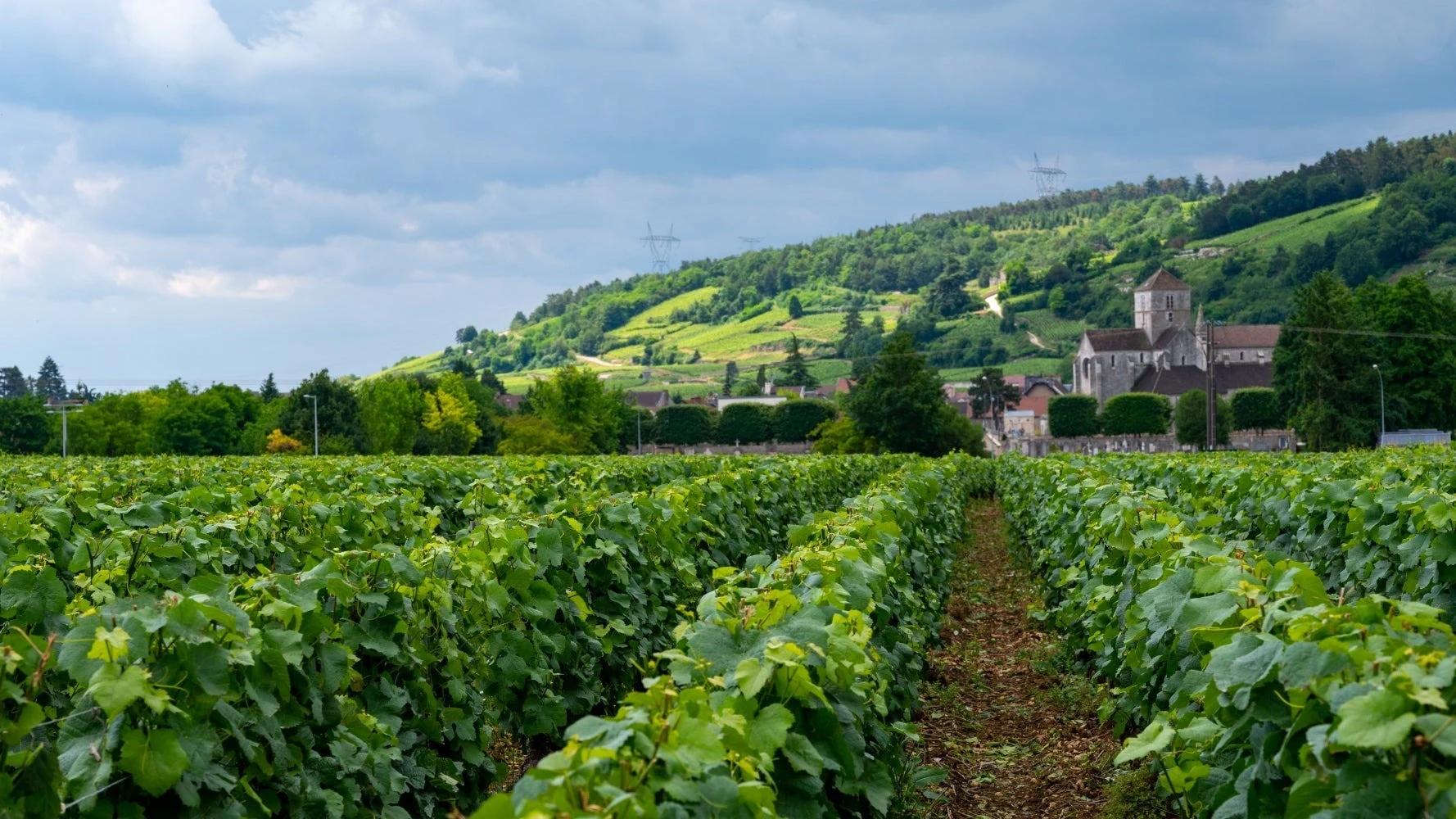
| Domaine Comte Georges de Vogüé | Chambolle-Musigny | · |
| Domaine du Comte Liger-Belair | Vosne-Romanée | · |
| Domaines Barons de Rothschild (Lafite) | Bordeaux | · |