Curatolo Arini
- 01CityMarsala, Italy

Approach Marsala as a wine town and the conversation changes quickly. Curatolo Arini fits that historic register: a classic Sicilian family-winery atmosphere, a historic building, cellar context, and seated tastings that feel educational yet relaxed. Rather than treating the visit as just another stop for a glass of wine, it is more useful to see it as a way into Marsala’s own identity, where place, tradition, and tasting format all matter.
The useful way to read this address is through setting and format rather than unsupported detail. Information points to a winery experience centered on traditional Marsala production, with cellar tours and seated tastings. That makes it a strong fit for visitors who want a calmer introduction to Marsala’s wine identity without needing to assume restaurant-style service or a high-energy tasting-room scene. The appeal is in the steadiness of the experience: a guided context, a sense of continuity, and enough structure to help the wines make more sense without turning the visit into a spectacle.
The Sunday email
Read about the people behind wineries like Curatolo Arini in the Sunday email.
Every Sunday we send a lead story and up to four more about the chefs, winemakers, sommeliers and hoteliers behind the restaurants, bars, wineries and hotels we cover.
Recent stories
Free. One email a week, and you can unsubscribe from any issue.
Traditional Marsala production in a historic setting
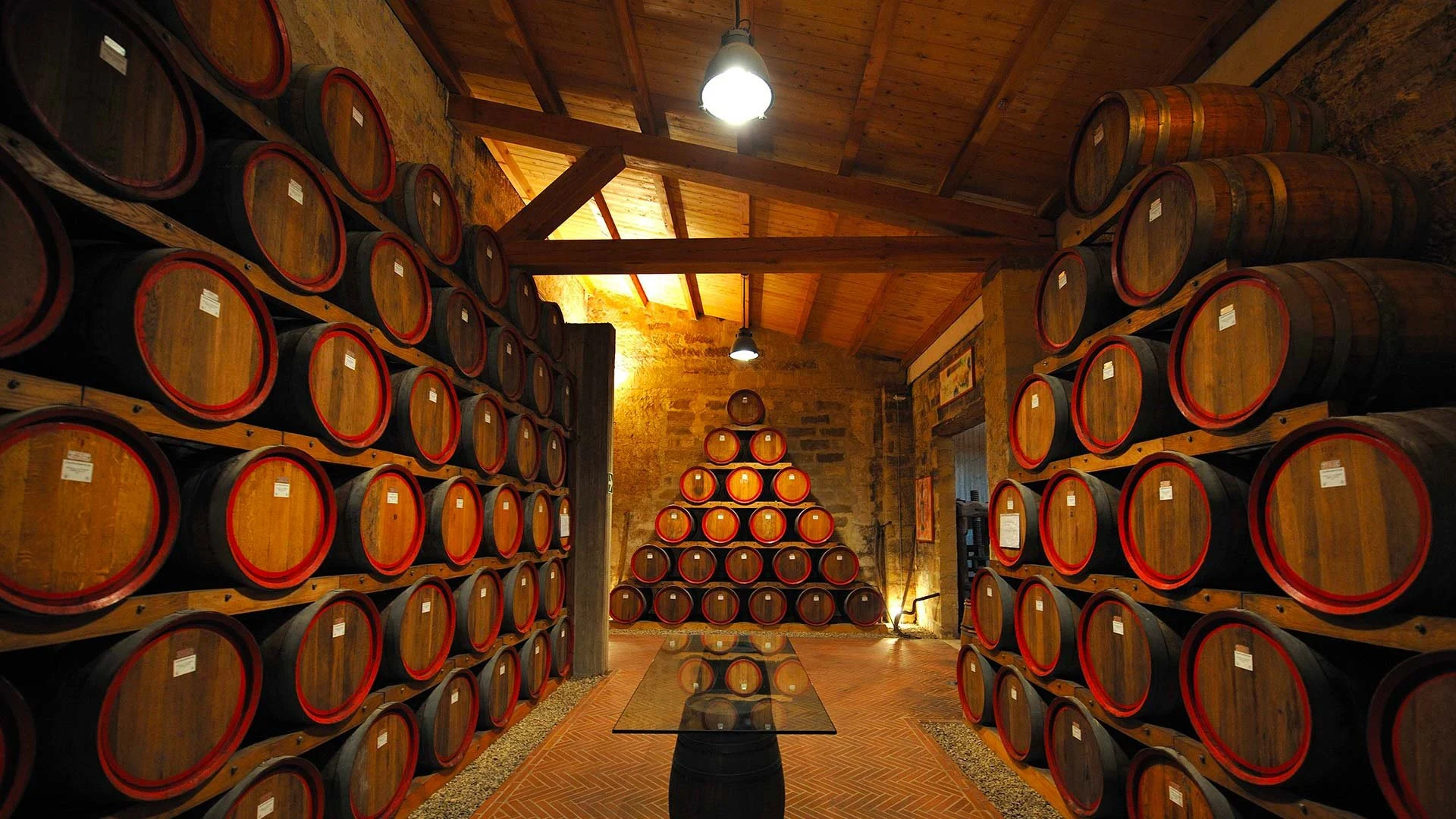
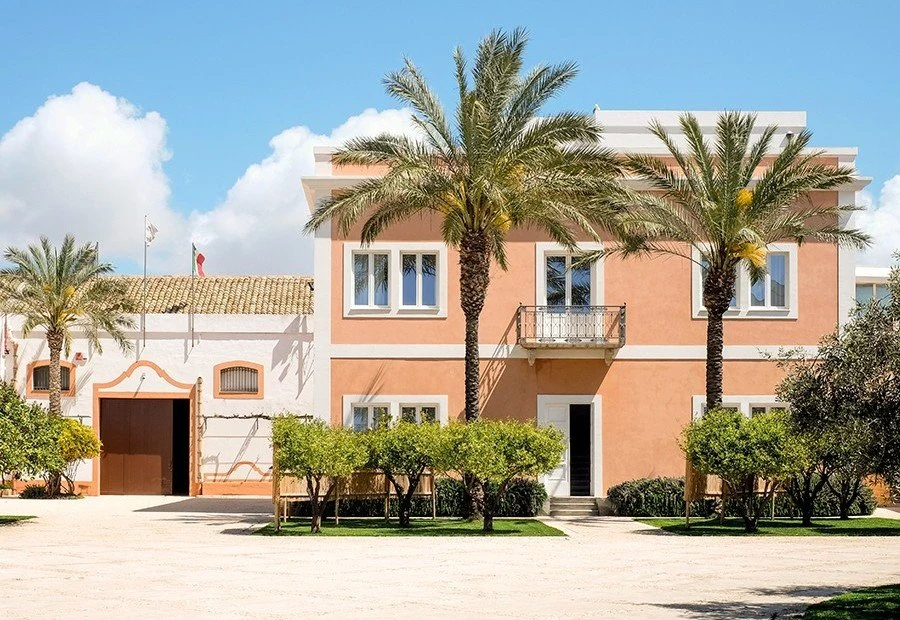
A visit to a historic winery helps give Marsala context. At Curatolo Arini, the emphasis is on traditional Marsala production, the atmosphere of a classic building, and a guided cellar setting that gives visitors a more educational frame for what they are tasting. That matters in a city where the word Marsala carries both a geographic meaning and a wine meaning, and where understanding the category benefits from being in a place connected to its production.
Because only limited details are available, it is better not to overstate the specific grapes, vineyard sites, bottlings, or production claims. What is grounded is the character of the experience: historic, iconic, and relaxed, with seated tastings that make the visit feel structured without becoming formal. This restraint is part of how to read the venue accurately. The confirmed strengths are not a list of extras, but the basic architecture of a traditional visit: a family-winery atmosphere, a setting with history, and a tasting format designed to slow the pace.
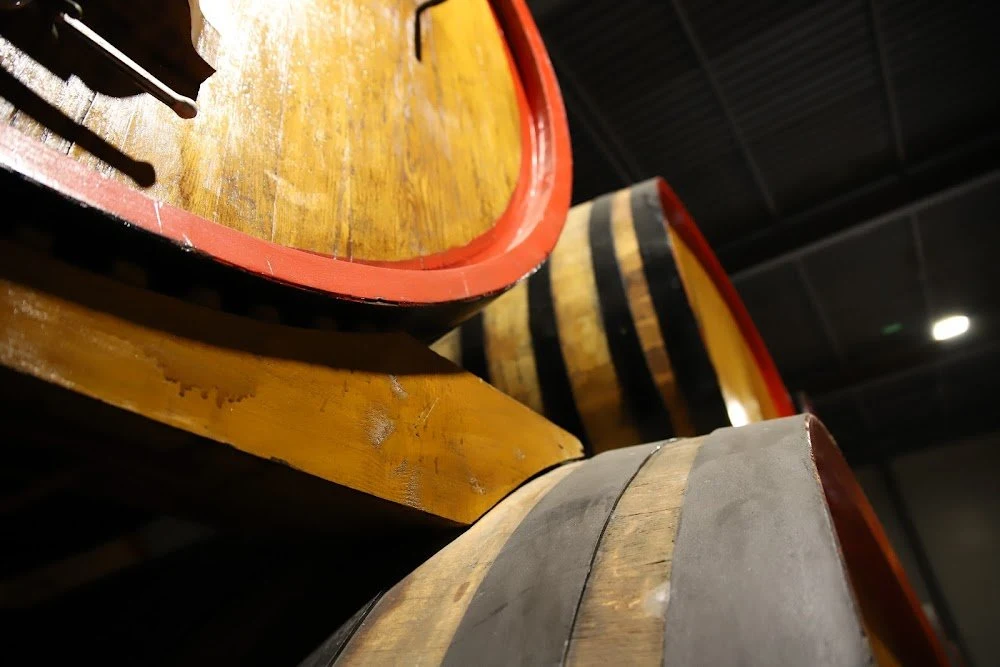
The cellar experience is the core appeal. Visitors should expect the page’s strongest confirmed promise to be wine education in Marsala: a traditional family-winery atmosphere, cellar tours, and seated tastings, rather than a detailed claim about menus, languages, tour length, or hospitality extras. In practical terms, that means the value of the visit sits in context and interpretation. The cellar gives the tasting a physical setting, the seated element gives it rhythm, and the historic character gives the whole experience a sense of place.
Why the format suits wine education rather than wine tourism theatre
There is a particular kind of winery visit where the setting does not need choreography. A historic building, cellar context, and a focus on traditional Marsala production create enough structure. The point is not to dazzle; it is to make the category easier to understand in its home city. For travellers who may know the name Marsala before they know the place, that shift can be useful: the visit becomes less about performance and more about orientation.
That makes Curatolo Arini useful for travellers who want the historical side of Marsala rather than only a general tasting stop. The seated format gives the visit a calm rhythm, and the cellar-tour element adds context without turning the experience into a staged performance. It is the kind of format where attention can stay on the wine, the building, and the explanation around them, rather than on a broader hospitality show. That calmer tone is one of the reasons the experience reads as especially suitable for visitors who prefer clarity over novelty.
The audience is broad but not generic. It can work for visitors planning a relaxed wine stop, couples looking for a classic Marsala setting, or groups who want an educational tasting anchored in place. With only limited service details available, the safest expectation is a traditional winery visit, not a meal, bar, or expanded hospitality program. It is best approached by people who are comfortable with a focused format: arrive for the cellar context, the seated tasting, and the sense of a historic Marsala producer, rather than expecting a venue defined by dining or entertainment.
Questions
Frequently asked
How expensive is Curatolo Arini?
Curatolo Arini is listed at a price level of $$.
The field
How it compares
| Place | Notes | Awards |
|---|---|---|
| Curatolo Arini | $$ | · |
| Azienda Agricola Rallo | Marsala | · |
| Cantine Birgi | Marsala | · |
| Cantine Pellegrino | Marsala | · |
| Donnafugata | Marsala | 50 Best |
| Francesco Intorcia & Figli | Marsala | · |
| Martinico & Figli | Marsala | · |
Similar places
The Sunday email
Read about the people behind wineries like Curatolo Arini in the Sunday email.
Every Sunday we send a lead story and up to four more about the chefs, winemakers, sommeliers and hoteliers behind the restaurants, bars, wineries and hotels we cover.
Recent stories
Free. One email a week, and you can unsubscribe from any issue.