- 50 Top Pizza Asia-Pacific #11 · 2026
- 50 Top Pizza World Best Pizza #35 · 2025
Naples in the NCR
Gurugram's restaurant corridor along Golf Course Extension Road and the surrounding sectors has become one of the more internationally diverse dining strips in the National Capital Region. Da Susy is an authentic Neapolitan pizza restaurant in Sector 66, Gurugram, led by chef Susy Di Cosimo and priced at about $15 per person. Japanese, Korean, Lebanese, and pan-European formats compete for the same professional and expat audience. Within that crowd, Neapolitan pizza occupies a narrow but loyal niche. Italian cooking in Delhi-NCR has historically defaulted to generic pan-Italian menus built around pasta and wood-fired bread with no particular regional loyalty. The restaurants that do commit to a specific tradition, Roman, Milanese, or in this case Neapolitan, tend to develop a more dependable regular base, partly because the specificity itself signals seriousness. Da Susy sits in that smaller, more committed tier.
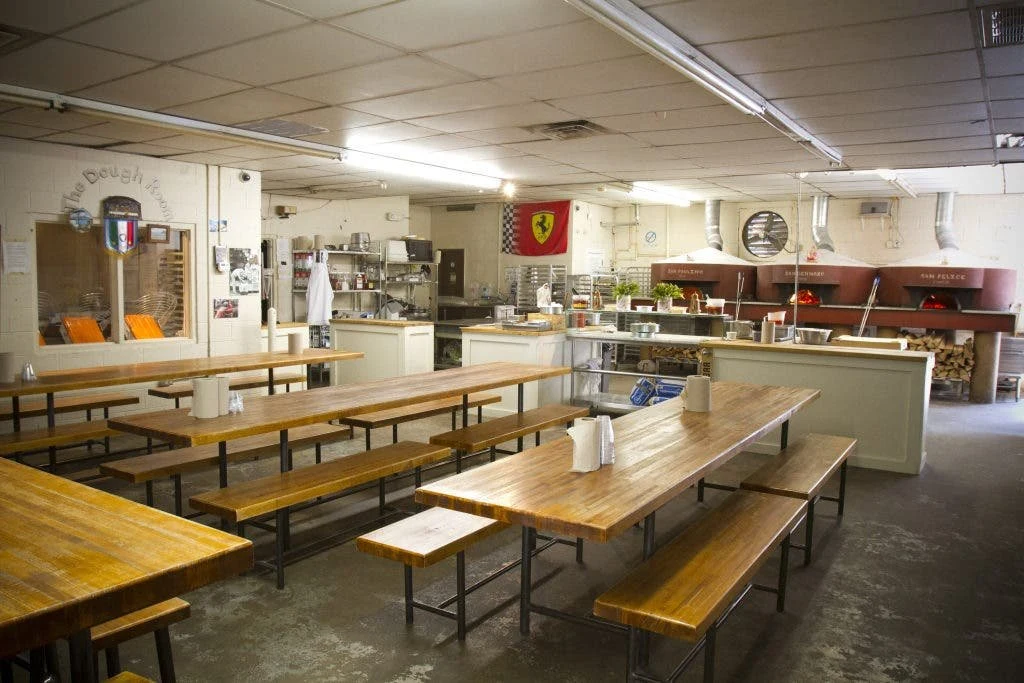
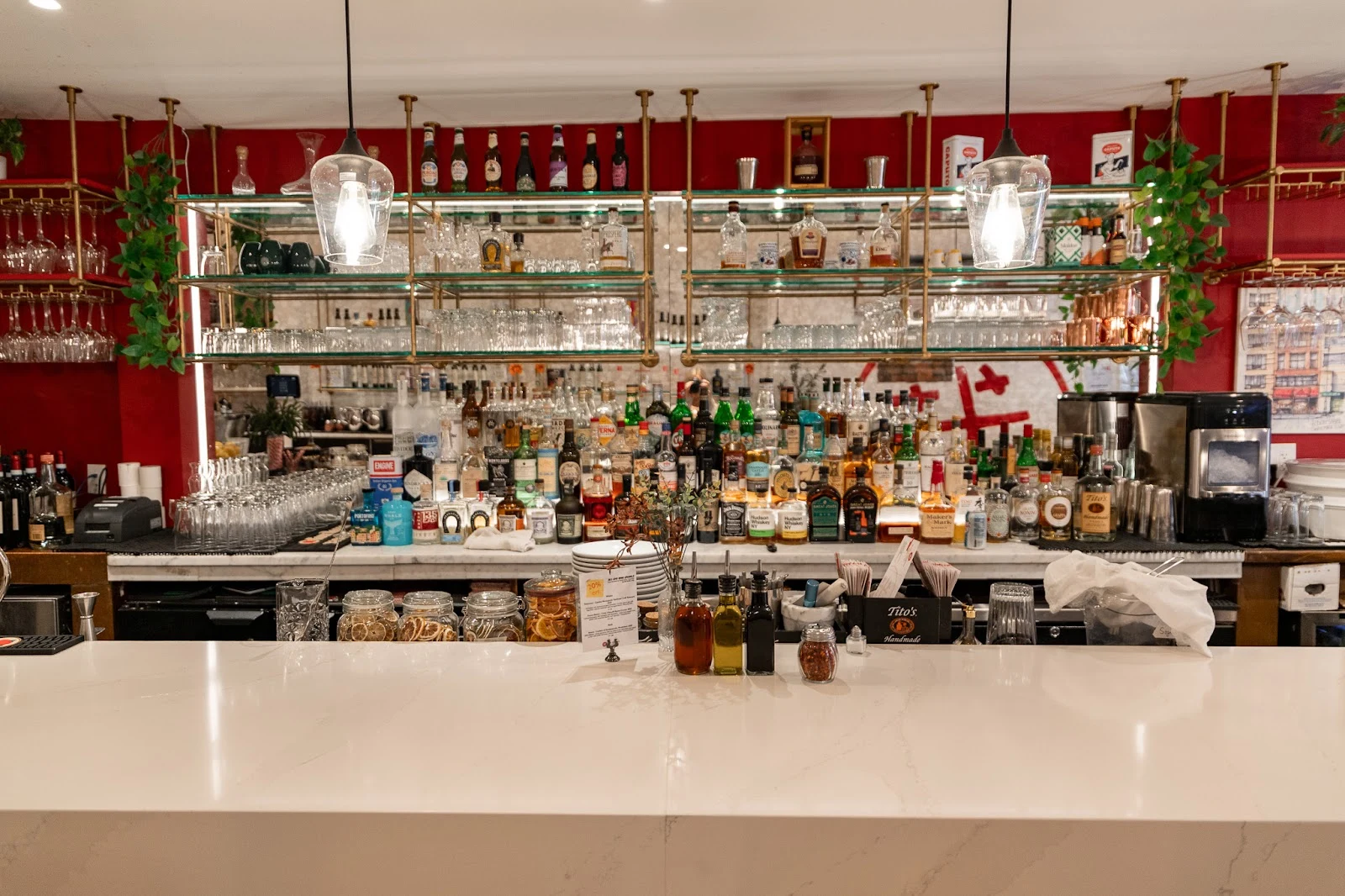
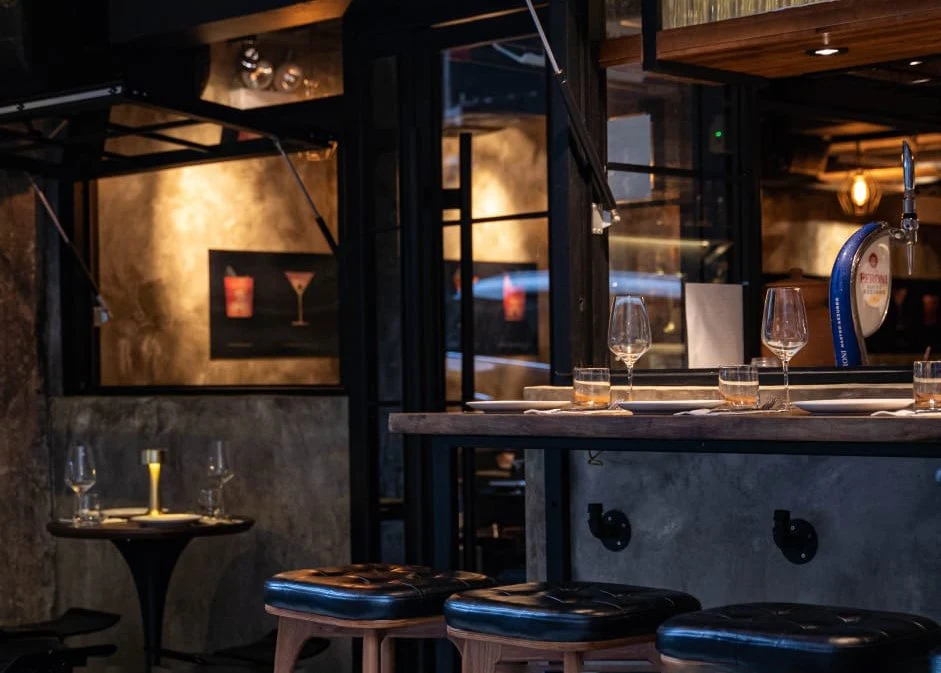
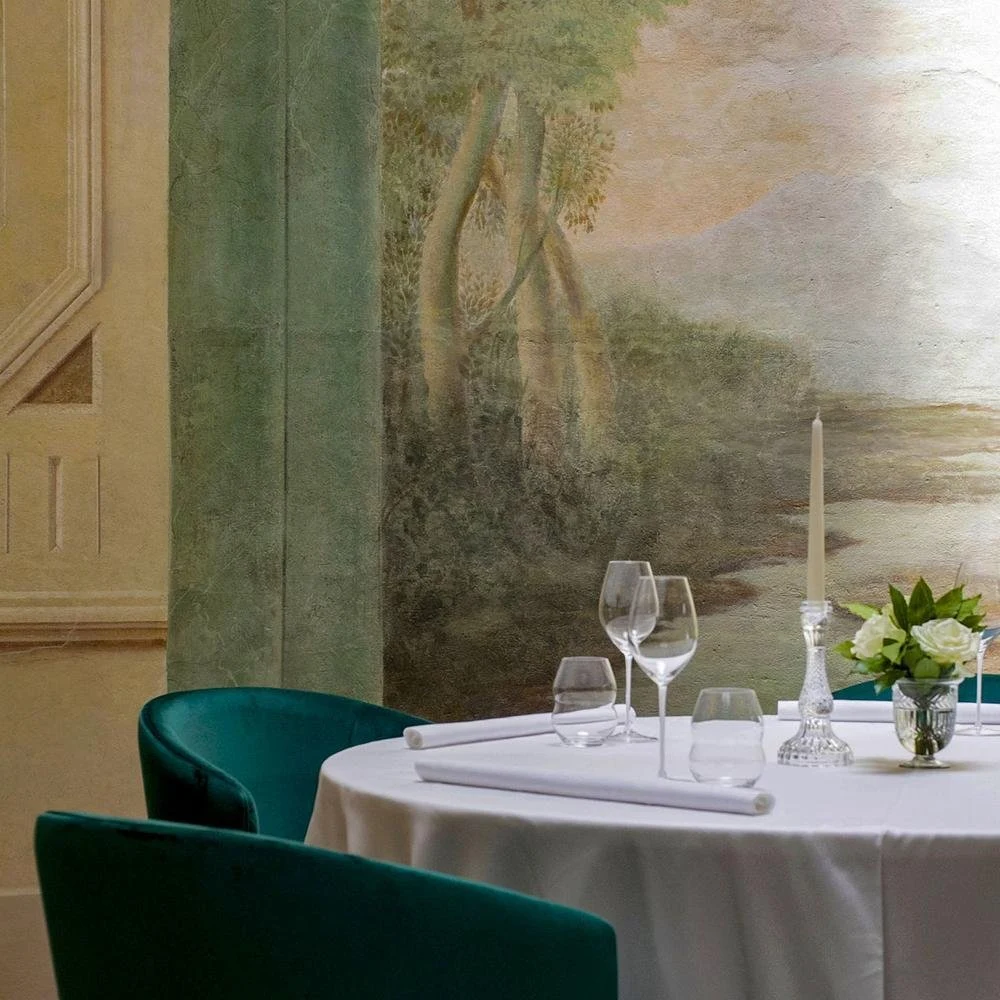
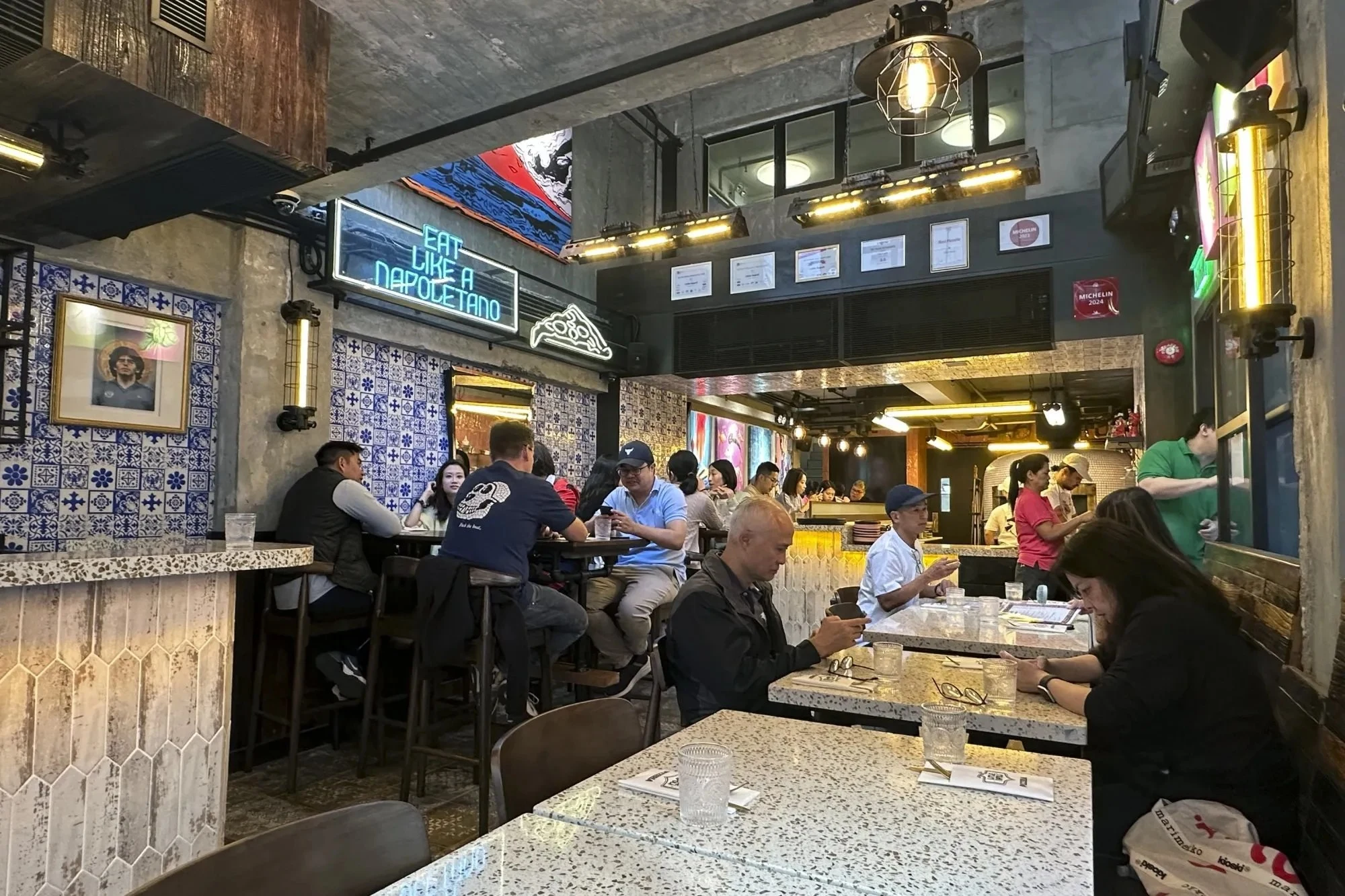
The address is first-floor in the M3M IFC complex, Sector 66, above a Japanese format called Harajuku. The building belongs to the newer commercial wave that has reshaped this part of Gurugram over the last several years, and the surrounding area draws the kind of working professional crowd that, in any comparable city, forms the core audience for a well-made neighbourhood Italian. The room keeps things welcoming rather than formal, which is consistent with Neapolitan hospitality conventions. Naples has never been a city that dresses its trattorias in white linen, and da Susy reflects that.
The Neapolitan Standard
Neapolitan pizza exists within a surprisingly codified tradition. The Associazione Verace Pizza Napoletana, established in the 1980s, set out formal criteria covering flour type, fermentation time, oven temperature, and the specific character of the cornicione, the raised crust edge. The result, when executed correctly, is a dough that is soft and extensible, with a characteristic lightness that distinguishes it from Roman or American-style bases. It digests differently, which matters more than it sounds at a lunch service.
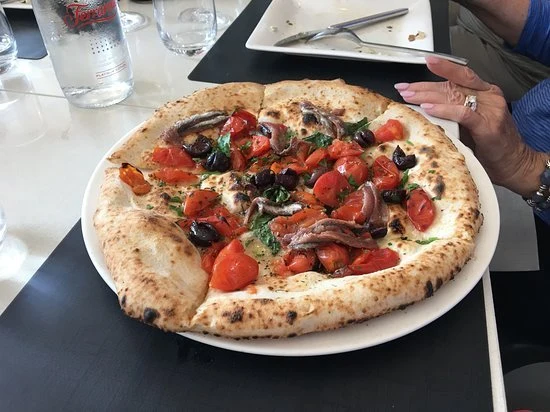
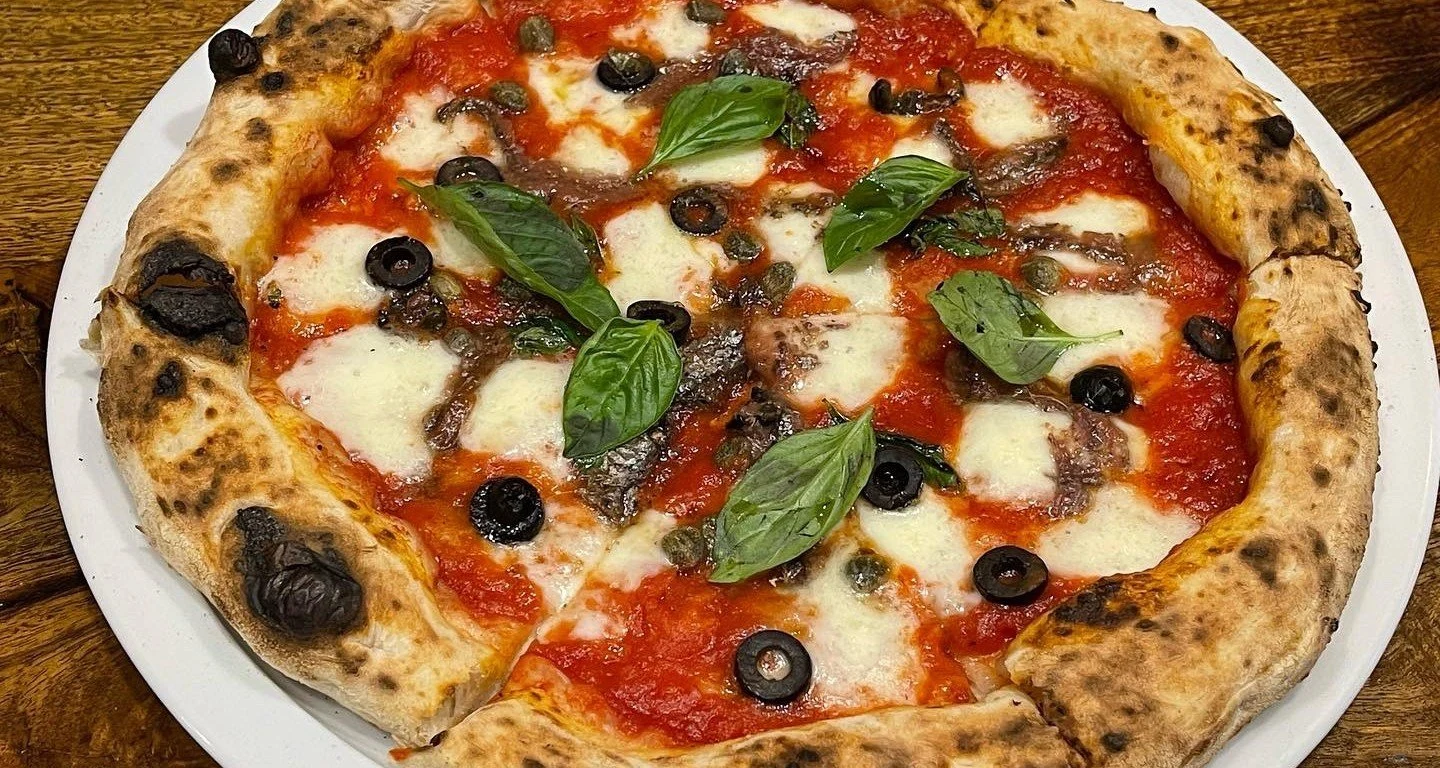
Da Susy's pizza falls within that framework. The crust is soft, light, and built to carry toppings without buckling or drying out under them. The kitchen works with both classic versions and more creative ones, which is a reasonable approach in a market where a percentage of diners will want the Margherita or the Marinara they know, and another percentage will want a reason to return for something they haven't tried before. Fresh ingredient sourcing is noted across the menu, consistent with Neapolitan tradition's insistence on San Marzano tomatoes, fior di latte, and seasonal additions. For a city where authentic imported Italian product is both expensive and occasionally inconsistent in supply, maintaining fresh-ingredient standards represents a meaningful operational commitment.
Beyond Pizza: The Fried Neapolitan Canon
In Naples itself, the street food culture runs parallel to pizza and, in some neighbourhoods, supersedes it. Frittura, the category of fried foods that includes cuoppo (paper cones of mixed fried seafood or vegetables), pizza fritta, and various stuffed preparations, is as central to the Neapolitan table as the wood-fired disc. Few Italian restaurants operating outside Italy carry this part of the tradition seriously. Da Susy does.
The fried offerings here include the Panuozzi, a stuffed fried bread that is relatively uncommon on Indian restaurant menus, and fried little angels, a preparation that speaks to the same Neapolitan comfort-food tradition. These are not afterthoughts appended to a pizza menu. In the context of what is available elsewhere in Gurugram's Italian segment, they represent a more complete picture of Neapolitan cooking than most diners in this city will have encountered. For anyone who has spent time in the Quartieri Spagnoli or along the waterfront in Posillipo, these preparations will read as accurate; for those who haven't, they serve as an introduction to a tradition that extends well beyond the round flat things on the menu cover.
Susanna Di Cosimo and the Decision to Stay
The broader pattern of European chefs arriving in India, finding unexpected traction with a local audience, and choosing to remain rather than rotate back is not unique to this city. Indian dining has been drawing serious foreign culinary talent for long enough that the presence of a committed European chef is no longer surprising. What distinguishes da Susy in this pattern is the specificity of the commitment: not Italian cooking in general, but Neapolitan cooking in particular, and not adapted to local taste expectations but presented in a form that respects the source tradition while being executed here by the chef who carried it.
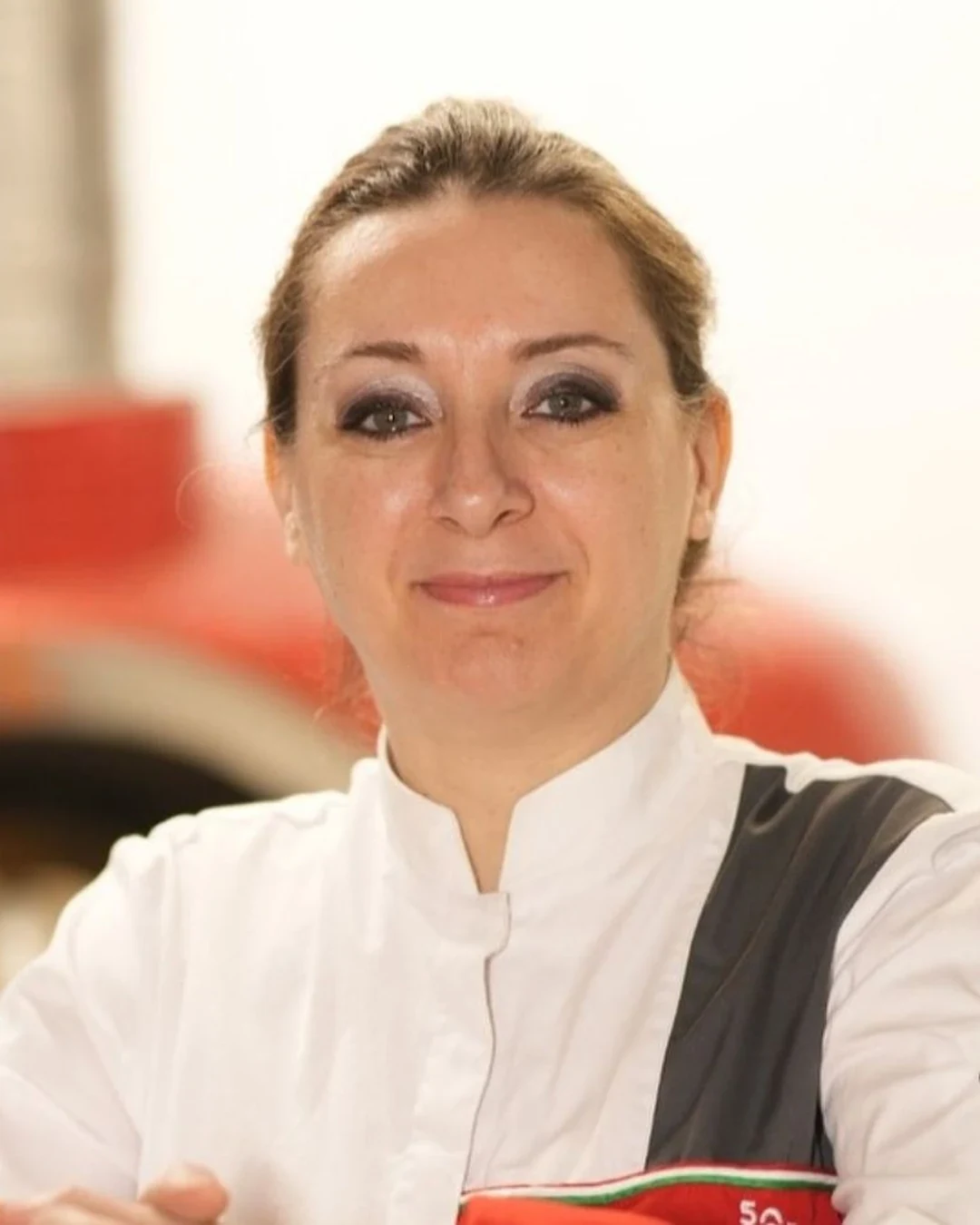
Susanna Di Cosimo's arrival in India followed a period of discovery that ended with a decision to plant. The menu she runs reflects that: Naples and Italy as the organising principle, not fusion or accommodation. In a market where European restaurant concepts frequently soften their edges to capture a broader audience, that specificity is an editorial choice as much as a culinary one. It narrows the audience but deepens the experience for those who come looking for exactly this.
Planning a Visit
Da Susy is on the first floor of M3M IFC, Sector 66, Gurugram, above Harajuku. The room runs welcoming and relaxed in tone, with fresh fruit juices on the drinks list and a properly made espresso to close. The format and atmosphere make it suitable for a working lunch, a casual dinner, or an evening where pizza and fried Neapolitan street food are the point rather than the preamble. For those comparing Italian options across the NCR, the address occupies a niche not well replicated elsewhere in the region.
For reference on what serious Italian and European-rooted cooking looks like at other points of the India dining map, Americano in Mumbai is worth consulting. Across the broader India restaurant scene, the range extends from the Mughal-tradition cooking at Bukhara in New Delhi to the tasting-menu format at Farmlore in Bangalore, the hill-station address at Naar in Kasauli, and the palace-dining register of Adaa at Falaknuma Palace in Hyderabad. South Indian fine dining is anchored by Avartana in Chennai, while regional specialists include Baan Thai in Kolkata, Bomras in Anjuna, Chandni in Udaipur, Dining Tent in Jaisalmer, and Jamavar Delhi in Delhi. For international reference points on what technical ambition looks like in a restaurant format, Le Bernardin in New York City and Atomix in New York City represent the upper end of what consistent, tradition-rooted cooking achieves over time.
Questions
Frequently asked
Who works at da Susy?
Made By profiles Susy Di Cosimo (Chef) at da Susy.
How expensive is da Susy?
da Susy is listed at a price level of $$.
Where is da Susy and what does it serve?
da Susy is in DLF City IV, Sector 28, Gurugram, serving Authentic Neapolitan Pizza.
The field
How it compares
| Place | Cuisine | Notes |
|---|---|---|
| da Susy | Authentic Neapolitan Pizza | DLF City IV, Sector 28, $$ |
| Antico Pizza Napoletana | Authentic Neapolitan Pizza | Atlanta |
| Don Antonio | Authentic Neapolitan Pizza | New York City |
| Fiata by Salvatore Fiata | Authentic Neapolitan Pizza | Hong Kong |
| Gino Sorbillo | Authentic Neapolitan Pizza | Naples |
| La Notizia 53 | Authentic Neapolitan Pizza | Naples |
| Little Napoli | Authentic Neapolitan Pizza | Hong Kong |
In residence
Similar places
Authentic Neapolitan Pizza
Antico Pizza Napoletana
Atlanta, United States
Authentic Neapolitan Pizza
Don Antonio
New York City, United States
Authentic Neapolitan Pizza
Fiata by Salvatore Fiata
Hong Kong, Hong Kong
Authentic Neapolitan Pizza
Gino Sorbillo
Naples, Italy
Authentic Neapolitan Pizza
La Notizia 53
Naples, Italy
Authentic Neapolitan Pizza
Little Napoli
Hong Kong, Hong Kong