De Vie
In Residence
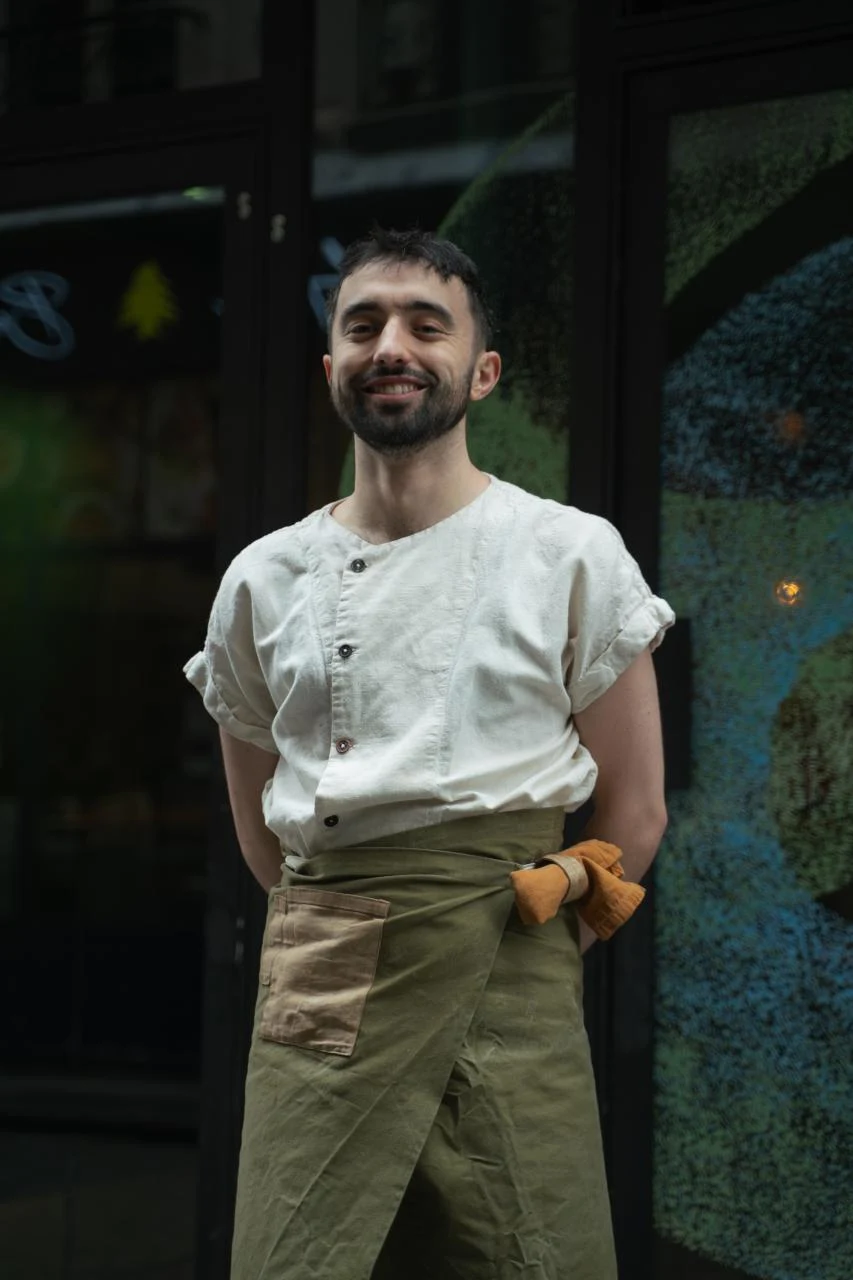
Barney O'Kane
Co Founder
- 01CuisineHyper-seasonal French tasting menu with cocktail pairings
- 02CityParis, France
- Conde Nast Hot List Restaurants · 2026
- Tales Spirited Awards Best New International Cocktail Bar: 150pts · 2026
- World's 50 Best Europe's Best Bars #34 · 2026
- Top 500 Bars Best Bars #93 · 2025
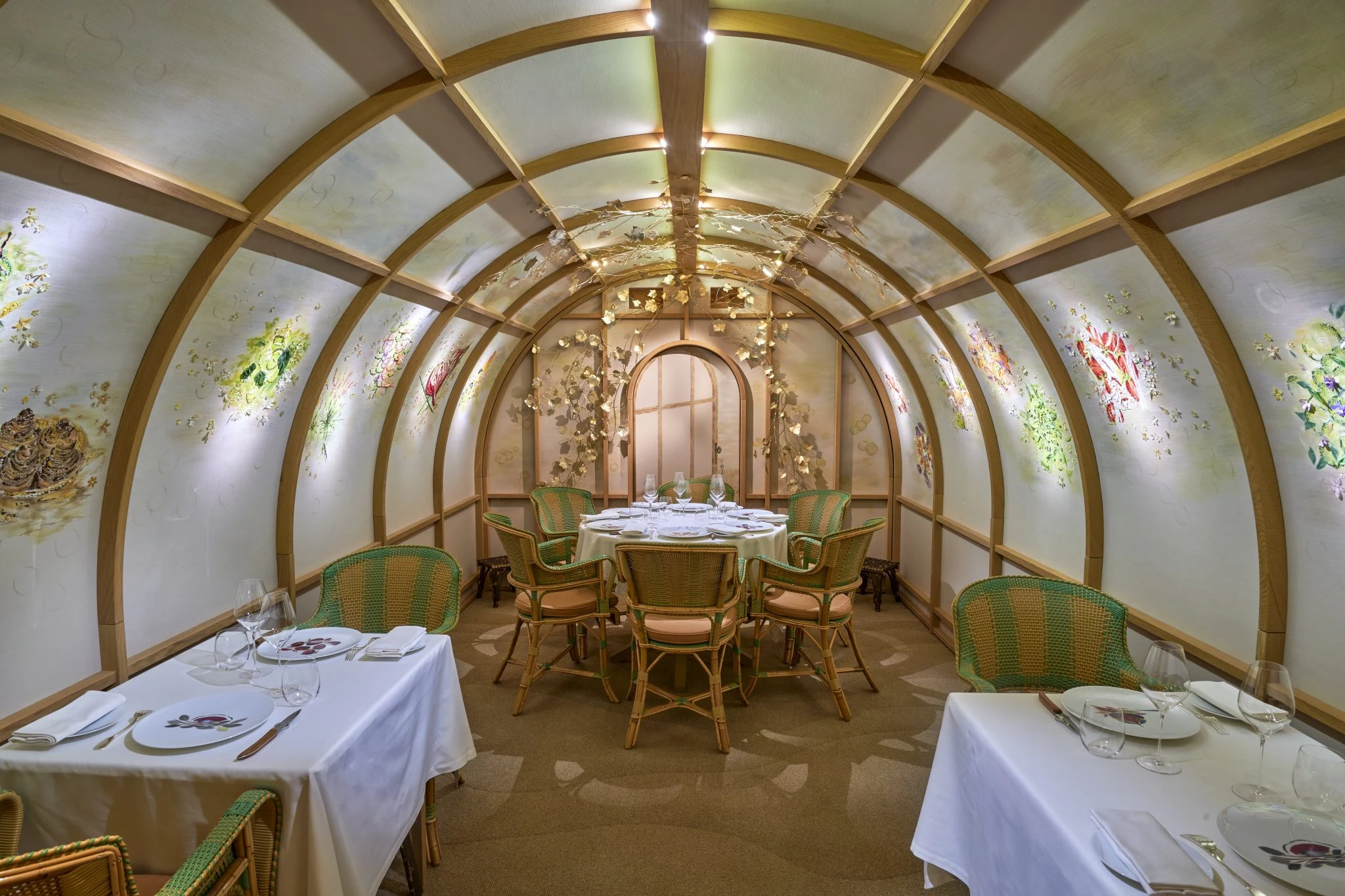
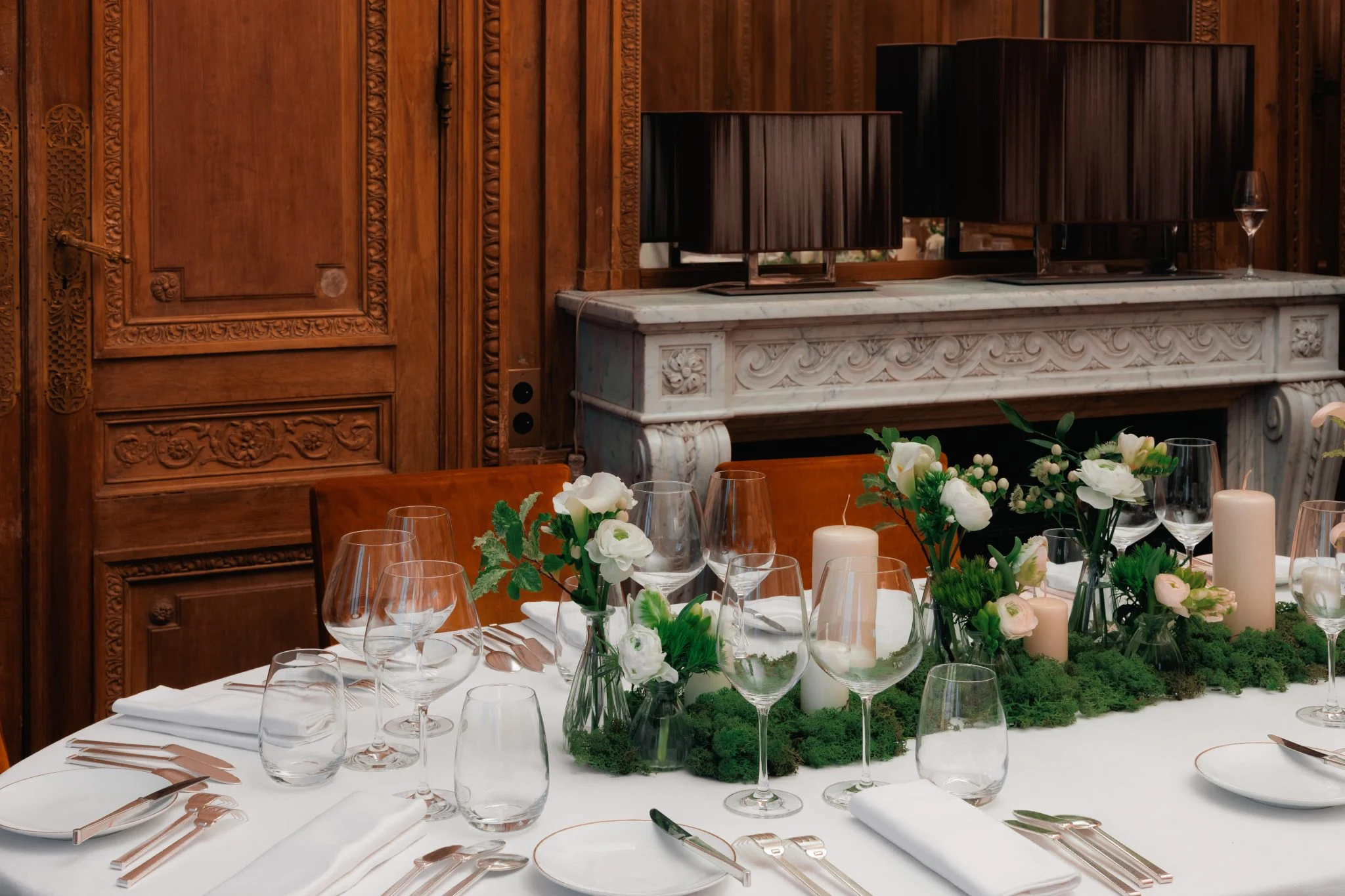
Rue Saint-Sauveur sits in the dense, fast-moving 2nd arrondissement, where old textile streets now fold into wine bars, small restaurants, and late-evening tables. De Vie fits that Paris rhythm, but its point is less neighbourhood theatre than discipline: a three-part house built around food, drink, and cellar, with waste treated as a design problem rather than a slogan.
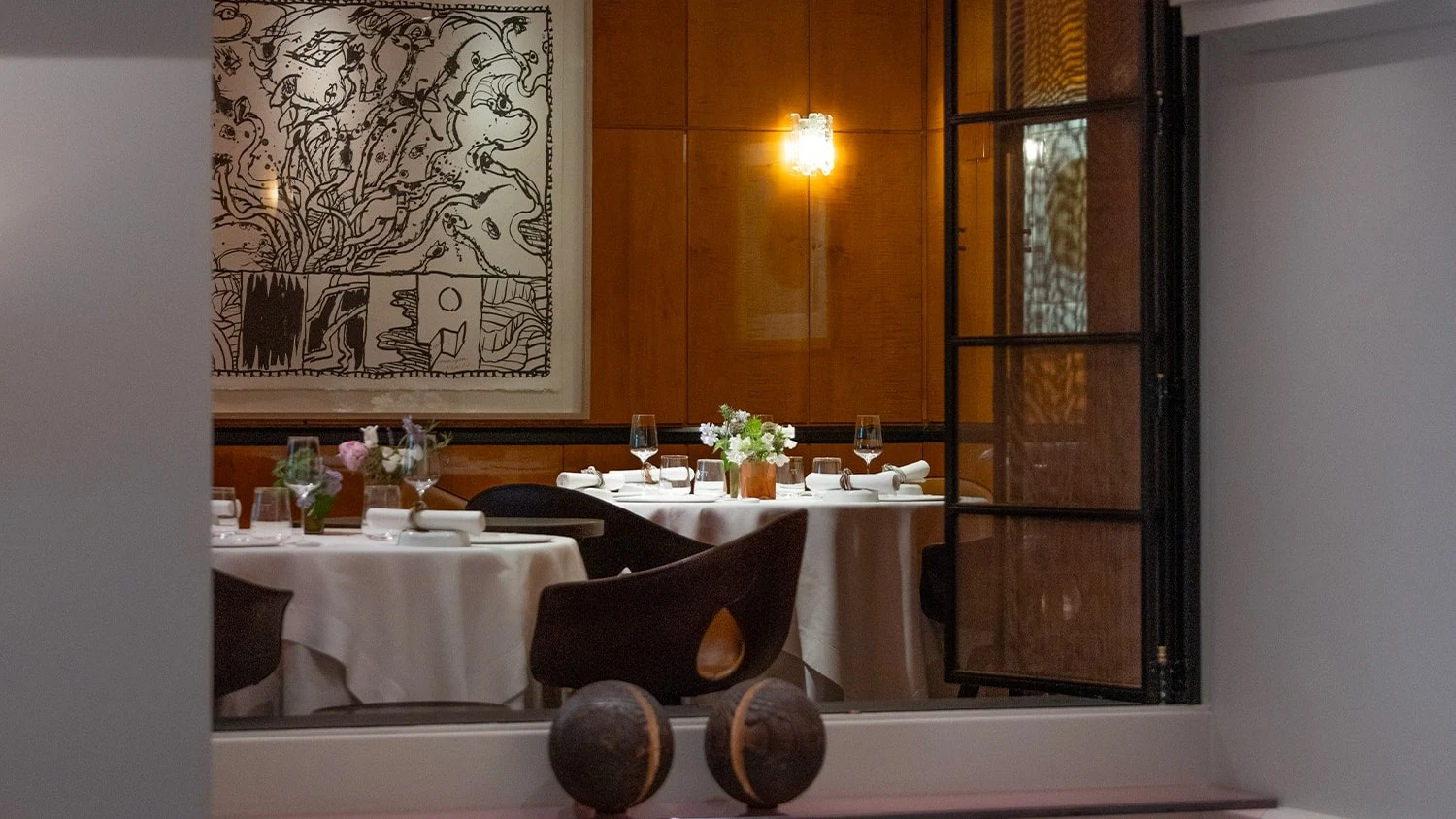
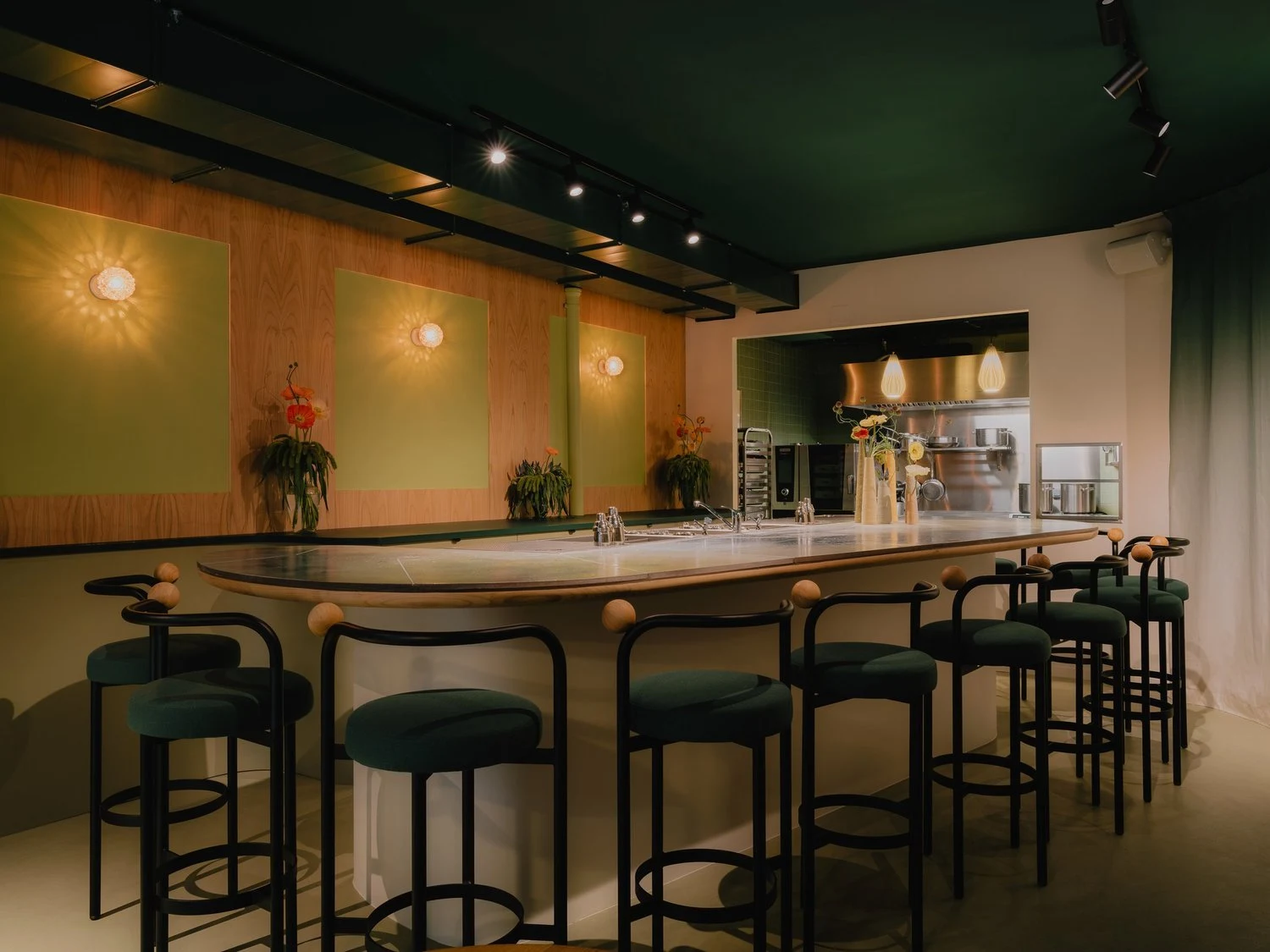
Paris has spent the past decade absorbing the language of sustainability into serious dining, sometimes convincingly, sometimes as décor. The sharper version asks harder questions: how far ingredients travel, how many lives a product can have across a menu, and whether the beverage program follows the same ethics as the kitchen. Here, the answer is structural. Comptoir De Vie serves a seven-course menu, Bar De Vie works around beverage tasting and small bites, and Cave De Vie operates as a hybrid retail and bar space. That split matters because it turns provenance into a full-house system, not a single tasting-menu note.
Seasonal French cooking measured by use, not excess
The cooking belongs to a contemporary French category that has moved away from luxury shorthand and toward controlled sourcing, fermentation, reuse, and regional clarity. De Vie’s commitment is explicit: sustainability and minimizing waste are the operating principles. In practical terms, ingredients are not treated as single-use components. A duck’s leg appears in a bao bun early in the meal, then the breast becomes the main course. Squash confit is paired with kimchi hollandaise, while the seeds are fermented for ice cream and a squash liqueur appears in the after-dinner cocktail.
That kind of cross-menu engineering can feel forced when the ethics arrive before the appetite. The more convincing Paris examples let the method sit behind the meal. De Vie’s format is interesting because it links a French seasonal kitchen with beverage thinking: drinks are chilled without ice, a pointed decision in a city where cocktail technique has become increasingly elaborate. The rationale is concrete, since commercial ice production can require heavy water use, and the choice pulls the bar into the same low-waste conversation as the kitchen.
The sourcing language points toward French bounty, often from within Île-de-France. That is not a small distinction in Paris. The capital can import prestige from everywhere, but regional sourcing changes the register: vegetables, duck, fruit, herbs, ferments, and liqueurs become markers of place rather than garnish around imported luxury. The result is not rustic nostalgia. It is a metropolitan reading of terroir, where a peel, seed, or trim can move from kitchen prep to dessert or glass without becoming a lecture.
A Paris address where the glass carries the same argument
The three-part structure gives the venue range without blurring its identity. A seven-course counter-style meal, a beverage tasting with small bites, and a cave that works for retail and drinking each answer a different Paris need: dinner, drinks, and a cellar stop. The stronger editorial point is that all three are tied by the same house logic. Paris has many restaurants with good wine nearby and many bars with small plates; fewer make the beverage program carry the same sustainability burden as the menu.
For readers mapping the city, De Vie belongs in the Paris conversation around modern, product-led dining rather than old-guard formality. It is useful to read it alongside broader city coverage such as Our full Paris restaurants guide, with adjacent planning through Our full Paris bars guide, Our full Paris hotels guide, Our full Paris experiences guide, and Our full Paris wineries guide. Within the restaurant index, the spread from 114, Faubourg (Modern Cuisine), 116, 14 paradis, 19 Saint Roch (Creative), and 19.20 by Norbert Tarayre (Traditional Cuisine) shows how broad the city’s modern French category has become.
The address also helps explain the mood. The 2nd is central without defaulting to palace-hotel ceremony, and Rue Saint-Sauveur gives access to an evening crowd that moves between dinner, wine, and late drinks. De Vie’s listed service runs from evening into late night on most operating days, which positions it closer to Paris’s newer hybrid venues than to a strictly formal dining room. This is not the address for a quick children’s supper or a table built around predictable staples. It is better read as an adult evening built around a controlled menu and a beverage-led point of view.
How to place it in a French itinerary
De Vie makes the clearest sense for diners who care about systems: how a menu is built, how a cellar relates to a kitchen, and how regional sourcing can shape a meal without turning it into pastoral branding. The absence of a named chef in the public-facing identity is not a weakness here; the house concept carries the editorial weight. In a city that often sells personality as much as cuisine, this address asks to be judged by format, sourcing, and execution.
For a wider French route, it can sit beside different regional addresses such as....Et la Fourmi in Nantes, [S] Corner in Courchevel, 1217 in Bagnols, 1387 in Strasbourg, 14 Avenue in La Baule, and 16âme in Le Monêtier-les-Bains. For contrast beyond France, Japanese-leaning casual formats such as Jōdo Saké Bar in Los Angeles and Onigiri Time in Pasadena underline how provenance-driven dining changes when the governing tradition shifts.
The critical case for De Vie is simple: it gives Paris a sustainability-led restaurant-bar-cave model with enough specificity to avoid generic eco language. The duck, squash, seed, liqueur, ice-free chilling, and Île-de-France sourcing all point to the same thesis. The pleasure is not in austerity; it is in seeing how much of an ingredient, and a region, can remain in play across a whole evening.
Questions
Frequently asked
Who works at De Vie?
Made By profiles Barney O'Kane (Co-founder) at De Vie.
How expensive is De Vie?
De Vie is listed at a price level of $$$$.
Where is De Vie and what does it serve?
De Vie is in Montorgueil, Paris, serving Hyper-seasonal French tasting menu with cocktail pairings.
The field
How it compares
| Place | Cuisine | Notes | Awards |
|---|---|---|---|
| De Vie | Hyper-seasonal French tasting menu with cocktail pairings | Montorgueil, $$$$ | · |
| Arpège | Vegetable-Focused French Fine Dining | Paris | Michelin 3 Stars, World's 50 Best |
| Epicure | Contemporary French Fine Dining | Paris | Michelin 3 Stars |
| Guy Savoy | Classic French Fine Dining | Paris | Michelin 2 Stars, World's 50 Best |
| Le Cinq | Modern French Fine Dining | Paris | Michelin 3 Stars, World's 50 Best |
| Le Taillevent | Classic and Modern French Fine Dining | Paris | Michelin 2 Stars, World's 50 Best |
| Pierre Gagnaire | Avant-Garde French Fine Dining | Paris | Michelin 3 Stars, World's 50 Best |
In residence
Similar places
Vegetable-Focused French Fine Dining
Arpège
Paris, France
★★★ · 50 Best
Contemporary French Fine Dining
Epicure
Paris, France
★★★
Classic French Fine Dining
Guy Savoy
Paris, France
★★ · 50 Best
Modern French Fine Dining
Le Cinq
Paris, France
★★★ · 50 Best
Classic and Modern French Fine Dining
Le Taillevent
Paris, France
★★ · 50 Best
Avant-Garde French Fine Dining
Pierre Gagnaire
Paris, France
★★★ · 50 Best