de:ja
- 01CuisineModern Alsatian Fine Dining
- 02CityStrasbourg, France
- 03RecognitionOne Michelin Star
Fermented Alsace at the open pass
- 1 Michelin Star · Michelin Guide
- Michelin 1 Star · 2026
- Michelin 1 Star · 2025
- Michelin 1 Star · 2024
A duo at the Strasbourg pass
David Degoursy and Jeanne Satori stay close to the room at de:ja in Strasbourg. The pass keeps to a cuisine built on the harvests of a season, precise technique and ethical sourcing. Neither arrived with a long CV; the two reconverted from Auberge Bœuf and took a Michelin star soon after opening. At de:ja, those terms sit inside a young urban auberge, where the kitchen keeps its contact with Alsace through local sourcing, fresh preparation, and a tasting-menu format built for close attention rather than volume.
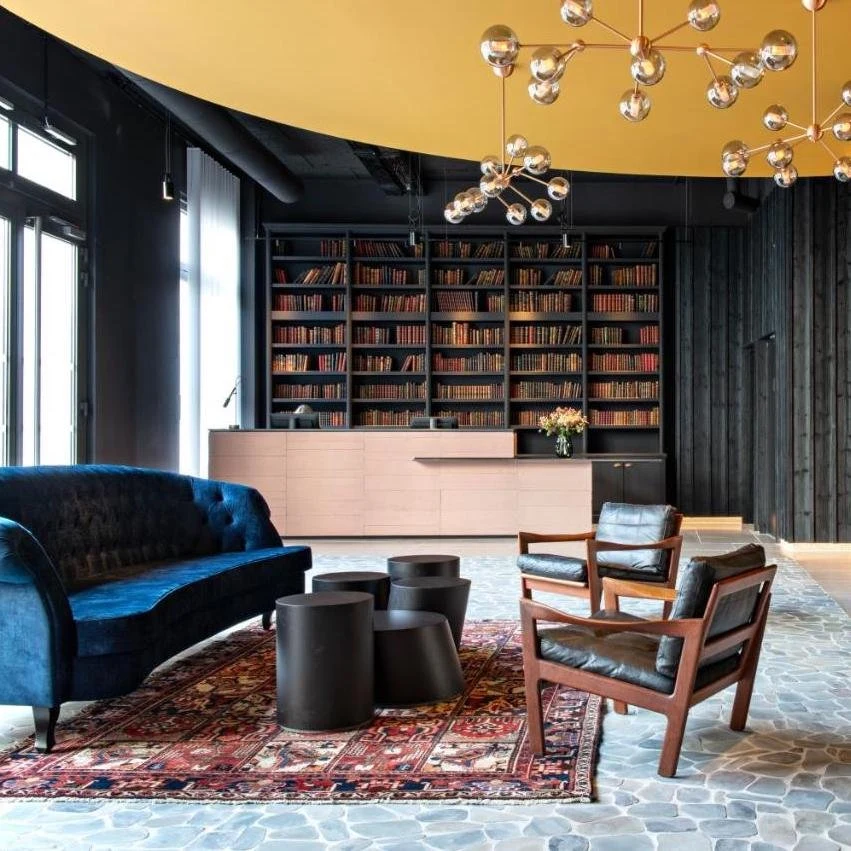
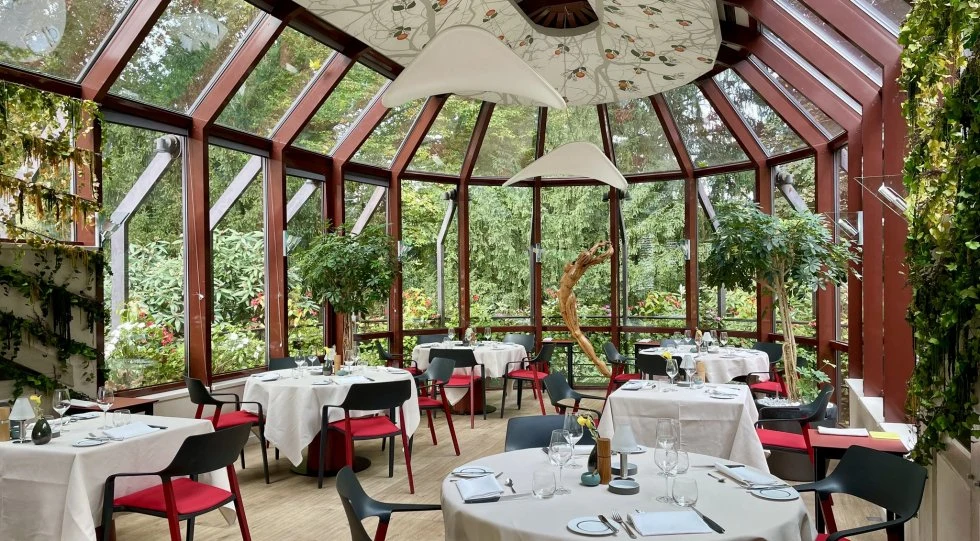
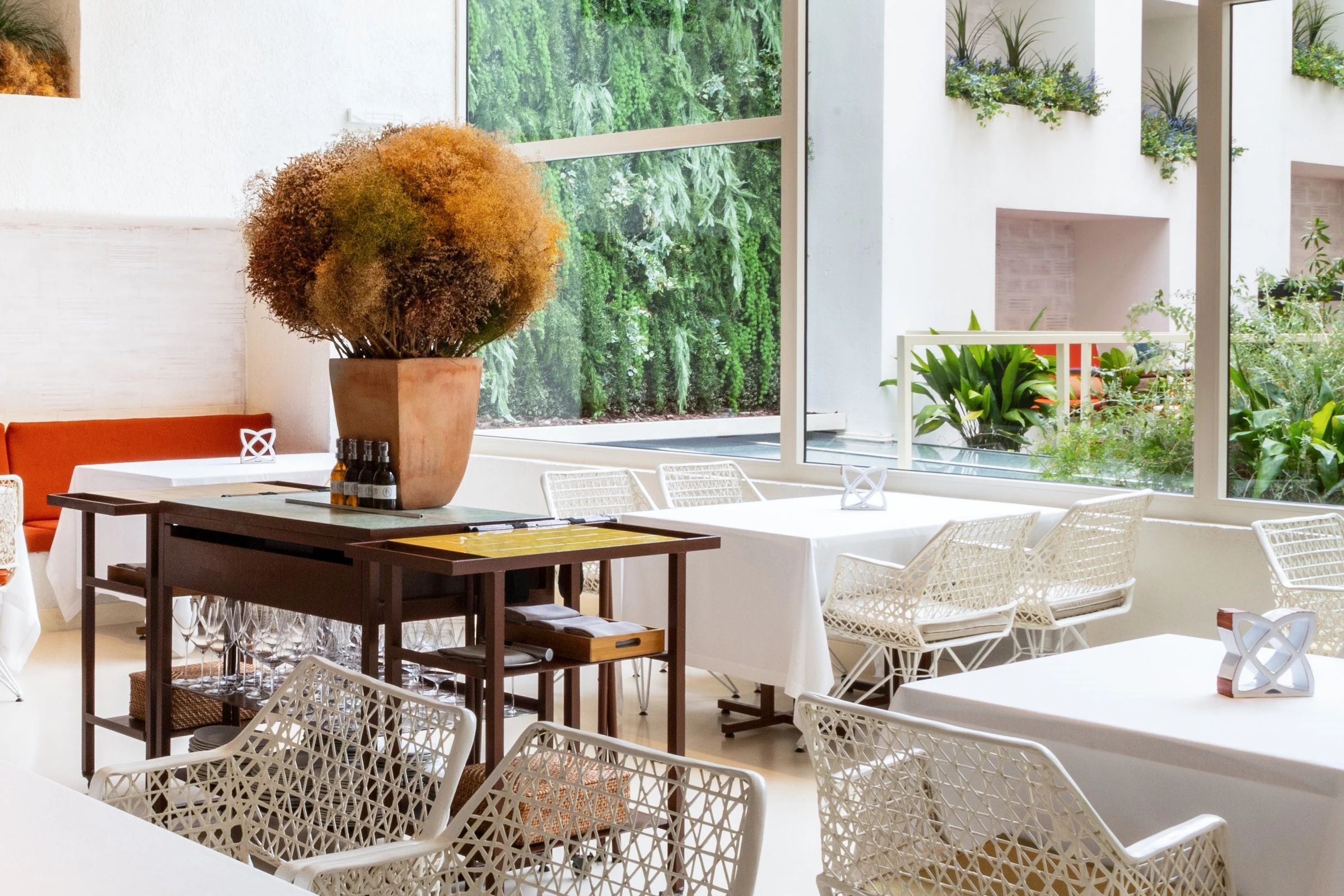
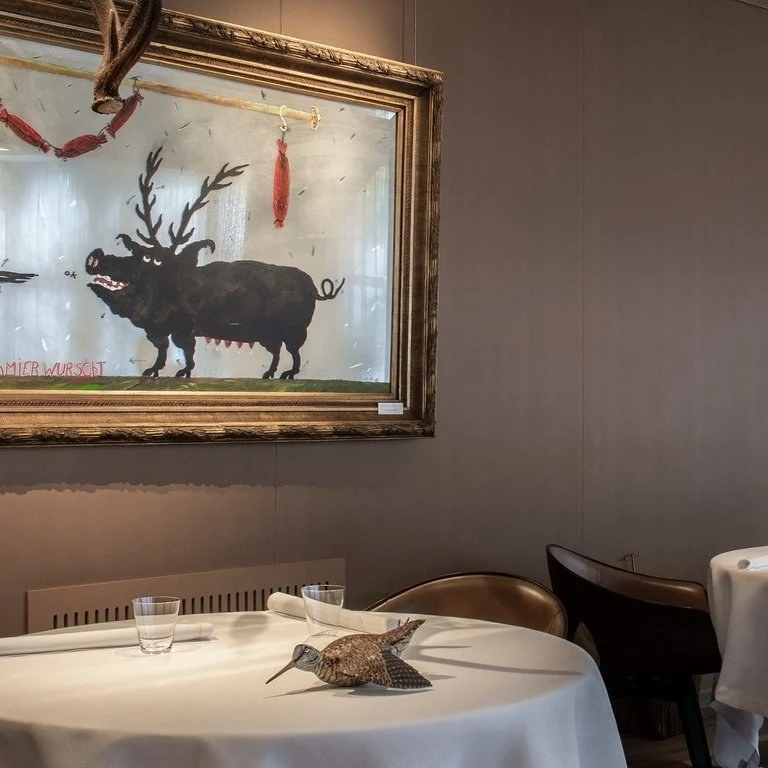
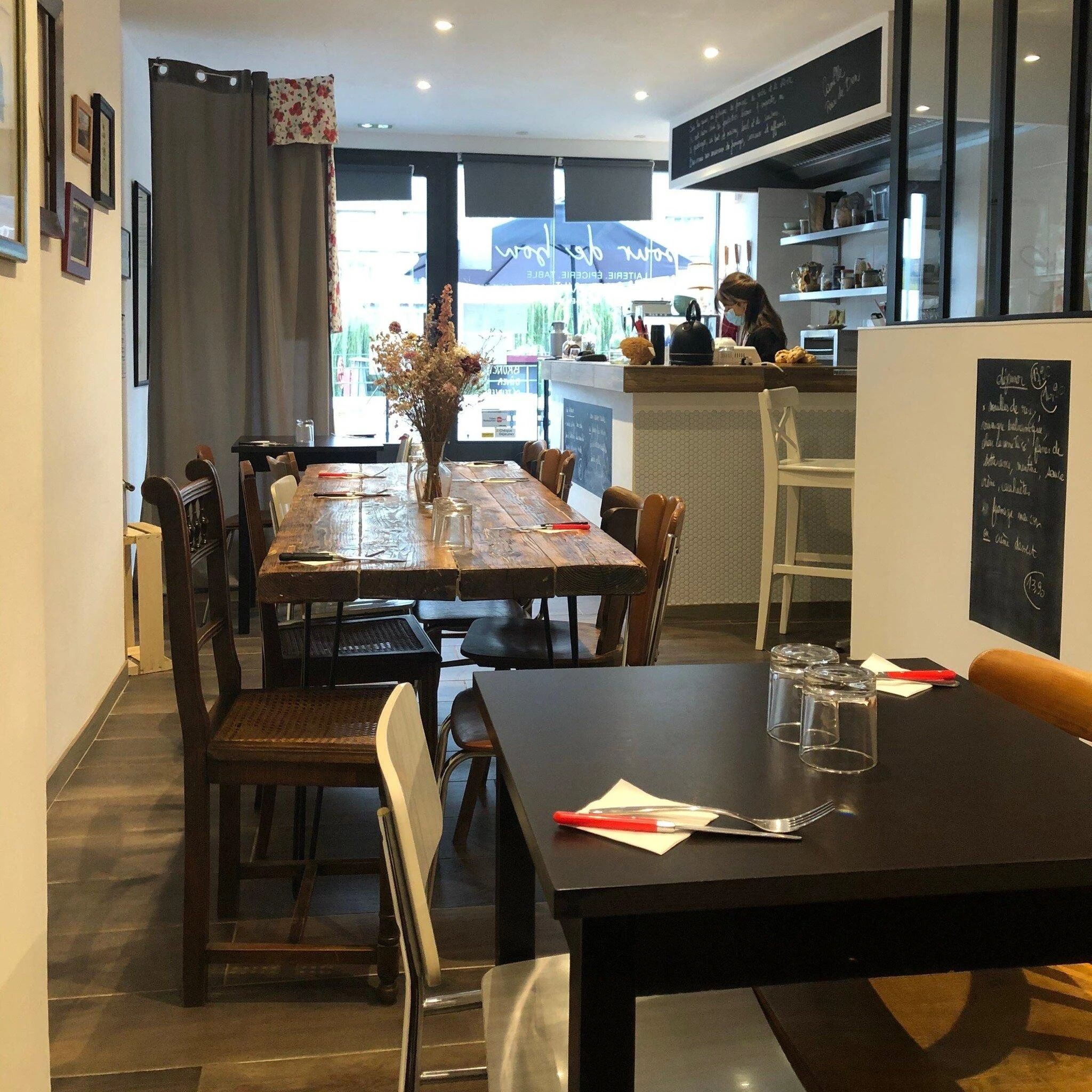
The restaurant itself carries a compact authorship. Its founders reshaped a former auberge into a small Strasbourg dining room with an open kitchen, white walls, natural materials, wooden tables, and a calm, spare decor. The house holds one Michelin star and works at an intimate scale, with its attention on product, extraction, fermentation, and service that moves between kitchen and table. Satori holds the preparation and the welcome; Degoursy orchestrates the sequence, with no taboo on product, from salsifis to homard. The room has chosen restraint, proximity, and the living season as its operating terms.
Fermentation, extraction, and Alsatian memory
The method at de:ja begins with Alsatian ingredients and then asks how far they can be carried without losing their origin. The menu has moved from an early haiku-like sequence of small bites into named partitions such as Éloge du territoire and Éveil des sens, one looking toward inherited Alsatian preparations, the other toward seasonal movement. The kitchen uses fermentations, extractions, precise cooking, and intense jus and sauces, often around vegetables, herbs, grains, game, and shellfish. A vegetarian option grew from the house’s reflections on meat consumption, not from a separate dietetic lane.
Specific plates show the grammar. Buewespaetzle can arrive with escargots and girolles; a smoked potato siphon takes hay as its aromatic frame. Chevreuil has been worked as tartare with fermented blackberries and honey vinegar, while langoustine has met seaweed, grilled corn, brown butter infused with herbs, and saffron sauce. Munster may come before dessert with blueberry confit. The wine program follows the same naturalist line, leaning toward organic and natural bottles, acidity, fruit, and wild notes, with non-alcoholic pairings built from plants, infusions, and kombucha rather than imitation.
The room kept close to the bench
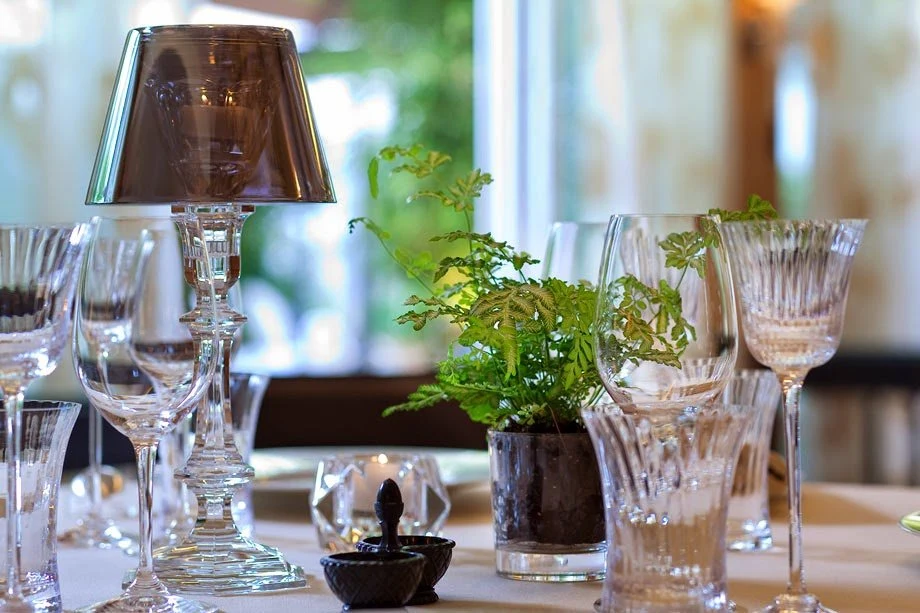
The room is quiet enough for the bench-side work to remain part of the meal. The open kitchen is not theatre in the usual sense; it is a practical decision, keeping the pass, the counter, and the dining room in conversation. Wood, white walls, and natural materials soften the edges, while the small scale lets each plate travel only a short distance from station to table. That distance matters here. Sauces land warm, small bites keep their timing, and the guest sees the kitchen’s rhythm without being asked to applaud it.
The bar was moved nearer to the open kitchen as part of the room’s reworking, and the freezer was removed in favor of fresh preparations. Induction replaced older equipment. These are not decorative facts; they are the hidden grammar of the place, the decisions that make a calm service possible in a narrow field of motion.
A young house with an old demand
de:ja’s position in Strasbourg rests on a difficult combination: a young restaurant, an intimate team, one Michelin star, and a cuisine that refuses the comfort of folklore while still returning to Alsace for its materials. The kitchen answers it with rooted preparations and exact product rather than with a longer story. At de:ja, buewespaetzle, munster, fermented blackberry and hay-smoked potato keep Alsace on the final plate.
Questions
Frequently asked
Who runs de:ja?
David Degoursy and Jeanne Satori run de:ja in Strasbourg. Satori holds the preparation and the welcome, while Degoursy orchestrates the sequence.
What kind of restaurant is it?
De:ja is a modern Alsatian fine dining restaurant with a tasting-menu format. The kitchen works with seasonal harvests, local sourcing, fermentation, extraction, and precise cooking.
What recognition does de:ja hold?
The restaurant holds one Michelin star.
How is booking handled?
Booking is essential, and reservations are taken through Zenchef.
The field
How it compares
| Place | Awards | Cuisine | Notes |
|---|---|---|---|
| de:ja | Michelin 1 Star | Modern Alsatian Fine Dining | Orangerie-Conseil Des Xv, $$$$ |
| Au Pont Corbeau | · | Authentic Alsatian Winstub | Strasbourg |
| Buerehiesel | · | Alsatian Haute French Fine Dining | Strasbourg |
| Disfrutar | Michelin 3 Stars, World's 50 Best | Avant-Garde Catalan Fine Dining | Barcelona |
| La Fourchette des Ducs | Michelin 2 Stars | Modern Alsatian Fine Dining | Obernai |
| La Table d'Olivier Nasti | Michelin 2 Stars | Modern Alsatian Fine Dining | Kaysersberg |
| Les Funambules | Michelin 1 Star | Modern French with Asian Influences | Strasbourg |
Similar places
Authentic Alsatian Winstub
Au Pont Corbeau
Strasbourg, France
Alsatian Haute French Fine Dining
Buerehiesel
Strasbourg, France
Avant-Garde Catalan Fine Dining
Disfrutar
Barcelona, Spain
★★★ · 50 Best
Modern Alsatian Fine Dining
La Fourchette des Ducs
Obernai, France
★★
Modern Alsatian Fine Dining
La Table d'Olivier Nasti
Kaysersberg, France
★★
Modern French with Asian Influences
Les Funambules
Strasbourg, France
★