Der Badener Stadtwein
- 01CityEnnetbaden, Switzerland

- Falstaff Winery - Listed · 2026
Der Badener Stadtwein in Ennetbaden is best understood as a small municipal wine project rather than a destination built around elaborate hospitality. Its identity rests on steep terraced vineyards, a traditional cellar, and a direct shop experience focused on selling the official city wines. That distinction matters, because the appeal is not about a long list of visitor services, a restaurant setting, or a polished tasting circuit. It is about a compact, locally rooted wine address whose purpose is clear and deliberately narrow.
A small municipal wine project with a clear local role
The appeal here is civic and place-specific. Der Badener Stadtwein is connected to the idea of city wine: a local wine project with a public-facing identity, rooted in Ennetbaden and presented without the trappings of a large visitor winery. The name itself points visitors toward that municipal role, where the wine is framed less as a detached luxury product and more as an expression of place.
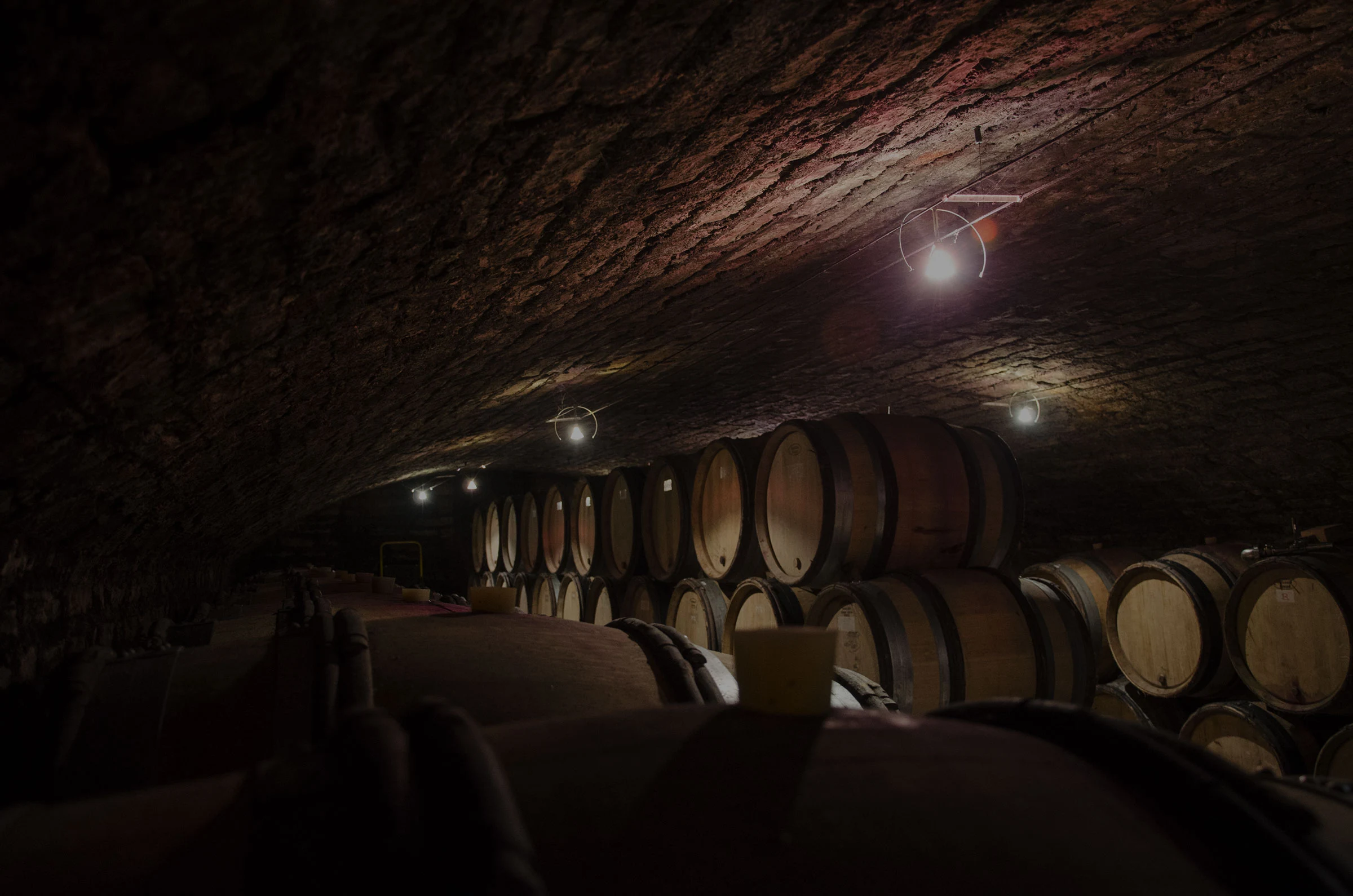
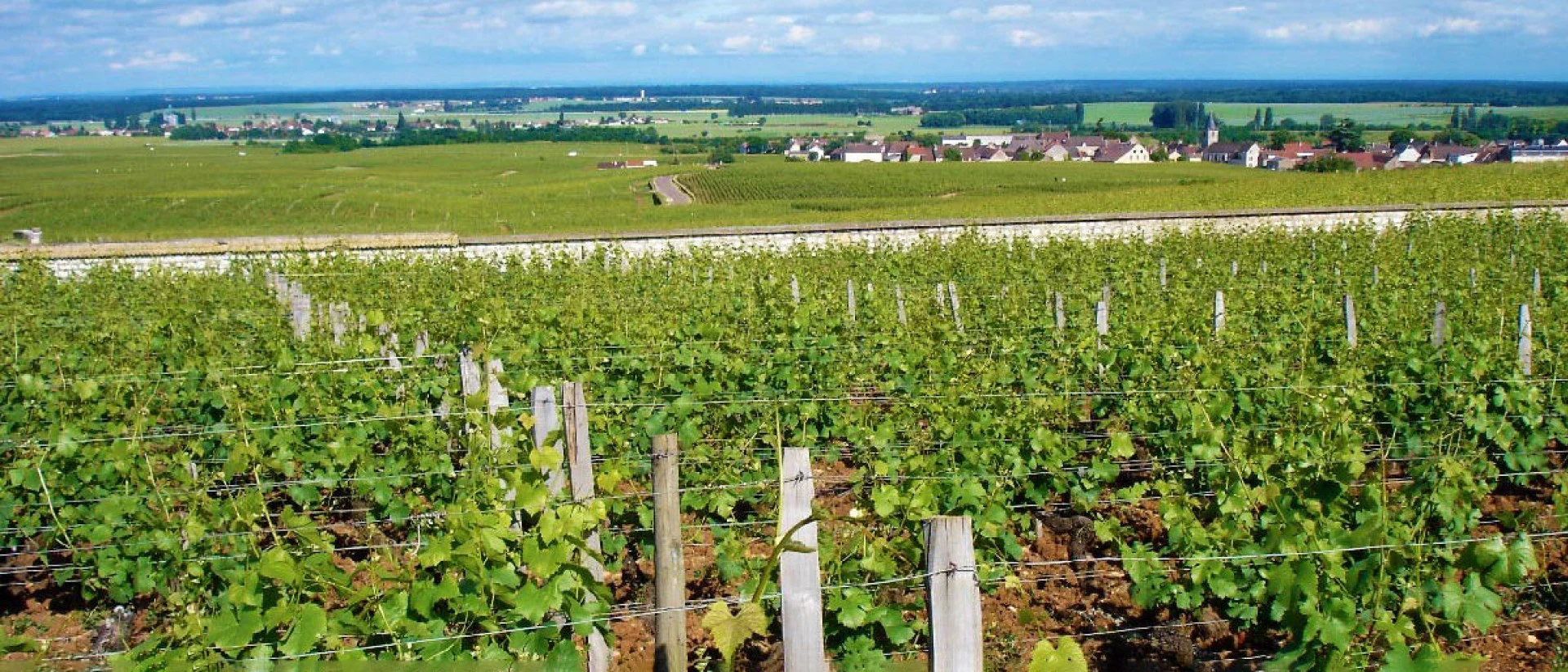
What can be said with confidence is that the project is small-scale, historic in character, and tied to steep terraced vineyards and a traditional cellar. Those elements give it a grounded, local texture. Steep terraces suggest a landscape where wine growing is closely tied to the contours of the area, while the traditional cellar gives the project a sense of continuity rather than novelty. Together, they support the impression of a wine project that values its setting and its civic identity.
That makes Der Badener Stadtwein a better fit for travellers interested in local wine culture than for anyone looking for a restaurant-style experience or a broad hospitality programme. The emphasis is on the city wines themselves and on a simple shop-led encounter. Visitors should approach it with the right expectations: not as a place to build an entire afternoon around formal hospitality, but as a focused stop that says something specific about Ennetbaden and its official city wines.
Traditional cellar character without elaborate hospitality
The character of Der Badener Stadtwein is modest and direct. The description points to a traditional cellar and a direct shop experience, not a heavily programmed tasting venue or dining address. This gives the place a pared-back quality. Rather than presenting wine through an expansive visitor concept, it keep attention on the essentials: the cellar character, the vineyards behind the project, and the purchase of the official city wines.
For that reason, the most reliable way to frame a visit is as a focused stop for buying the official city wines in Ennetbaden. Specific claims about tours, languages, food service, tasting formats, reservations, parking, or special events are not confirmed here and should not be assumed from this guide. That caution is important, because small wine projects can vary widely in how they receive visitors. In this case, the safest and fairest reading is to expect a direct, shop-oriented encounter rather than a full hospitality package.
The project’s charm lies in its restraint: a historic, small-scale municipal wine setting with steep terraced vineyards and a clear local purpose. It is not presented as a luxury cellar experience, but as a concise expression of local wine identity. For some visitors, that modesty will be precisely the point. It offers a way to connect with Ennetbaden through its official city wines, without the experience needing to be dressed up as something larger or more elaborate than it is.
Where it fits in an Ennetbaden itinerary
In an Ennetbaden itinerary, Der Badener Stadtwein makes sense as a short, wine-focused stop rather than a full dining plan. Pair it with other dining or leisure options in Ennetbaden generically, but treat this venue itself as a shop-oriented wine project. It can work well as the wine element of a broader local visit, especially for travellers who like places with a specific civic identity and a clear connection to their surroundings.
Its price range is listed as $$, which gives a broad expectation without confirming individual bottle prices or tasting fees. That level of information is useful only as a general signal, not as a detailed buying guide. Anyone planning around exact costs should avoid drawing more from the listing than it actually states. The more dependable takeaway is that the venue is positioned around the sale of the official city wines rather than around a complex hospitality offer.
The editorial case is simple: choose Der Badener Stadtwein for a historic municipal wine project in Ennetbaden, with steep terraced vineyards, a traditional cellar, and a direct focus on the official city wines. It is a compact, locally meaningful address, best appreciated on its own terms. Come for the civic wine identity and the direct shop experience, not for a restaurant-style visit or an assumed programme of tastings, tours, or events.
Questions
Frequently asked
How expensive is Der Badener Stadtwein?
Der Badener Stadtwein is listed at a price level of $$.
The field
How it compares
| Place | Notes |
|---|---|
| Der Badener Stadtwein | Ennetbaden, $$ |
| Domaine Hubert Lignier | Morey-Saint-Denis |
| Domaine Leroy | Vosne-Romanée |
| Domaine Méo-Camuzet | Vosne-Romanée |
| Penfolds Magill Estate | Magill |
| Weingut Goldwand Michael Wetzel | Ennetbaden |
| Weingut Jürg Wetzel | Ennetbaden |