Dōgon
In Residence
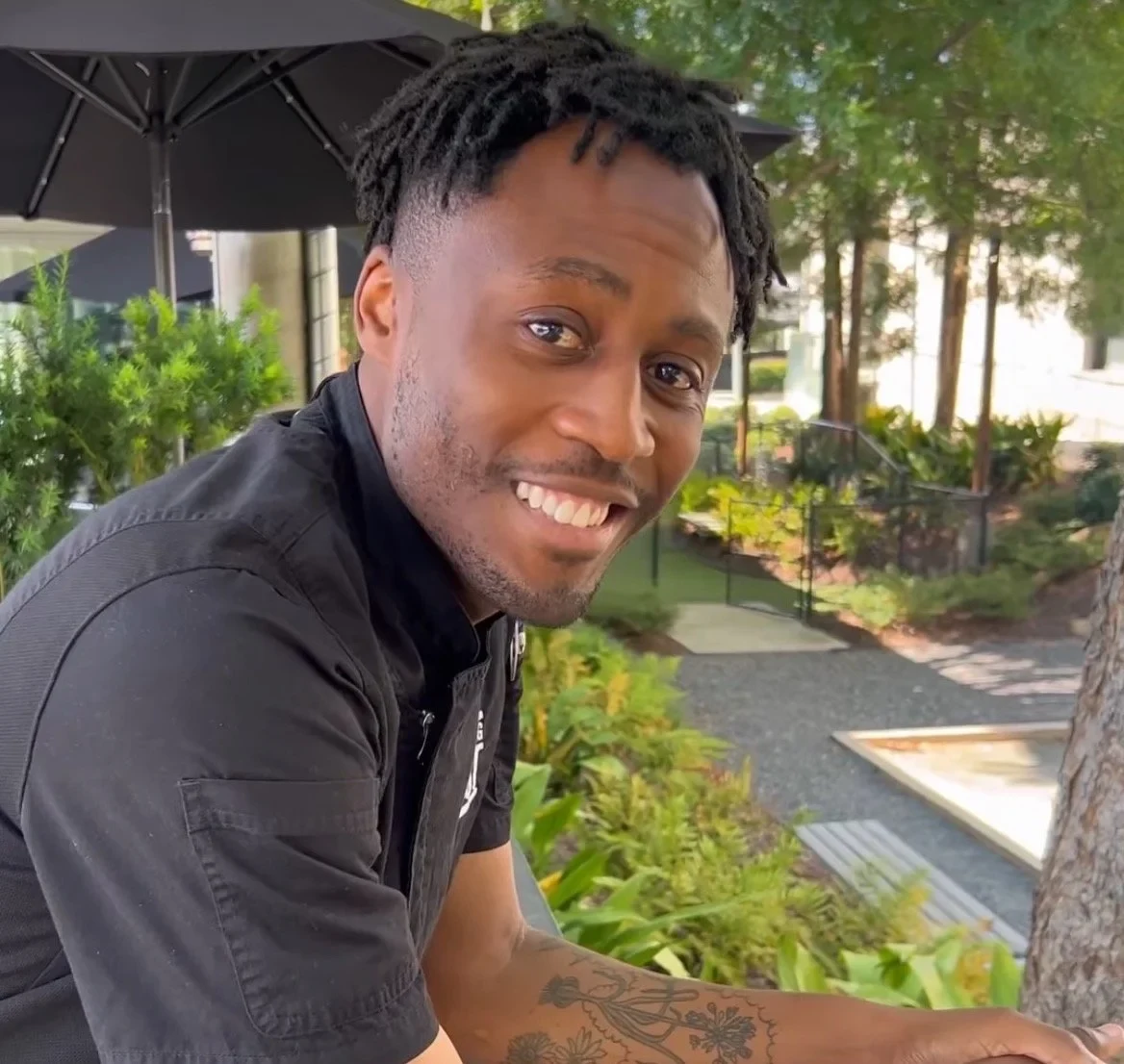
Martel Stone
Chef
- 01CuisineModern Afro-Caribbean
- 02CityWashington DC, United States
- 03RecognitionWorld's 50 Best — No. 37
- World's 50 Best · #37 · World's 50 Best Restaurants
- Wine Spectator · Tier 1
- RAMMYS Rising Culinary Star of the Year, sponsored by OpenTable · 2026
- Opinionated About Dining Casual in North America Recommended · 2026
- Wine Spectator Award of Excellence · 2026
- World's 50 Best North America's Best Restaurants #37 · 2026
- Washingtonian 100 Very Best Restaurants #8 · 2026
- Food & Wine Top 10 US Restaurants #4 · 2026
- Bon Appétit The 20 Best New Restaurants #2 · 2025
- World's 50 Best North America's Best Restaurants #37 · 2025
- New York Times America's Best Restaurants · 2025
- Michelin Plate · 2025
- Resy Best of the Hit List · 2025
- New York Times The 23 Best Restaurant Dishes We Ate Across the U.S. · 2025
A Dining Room Built Around Diaspora
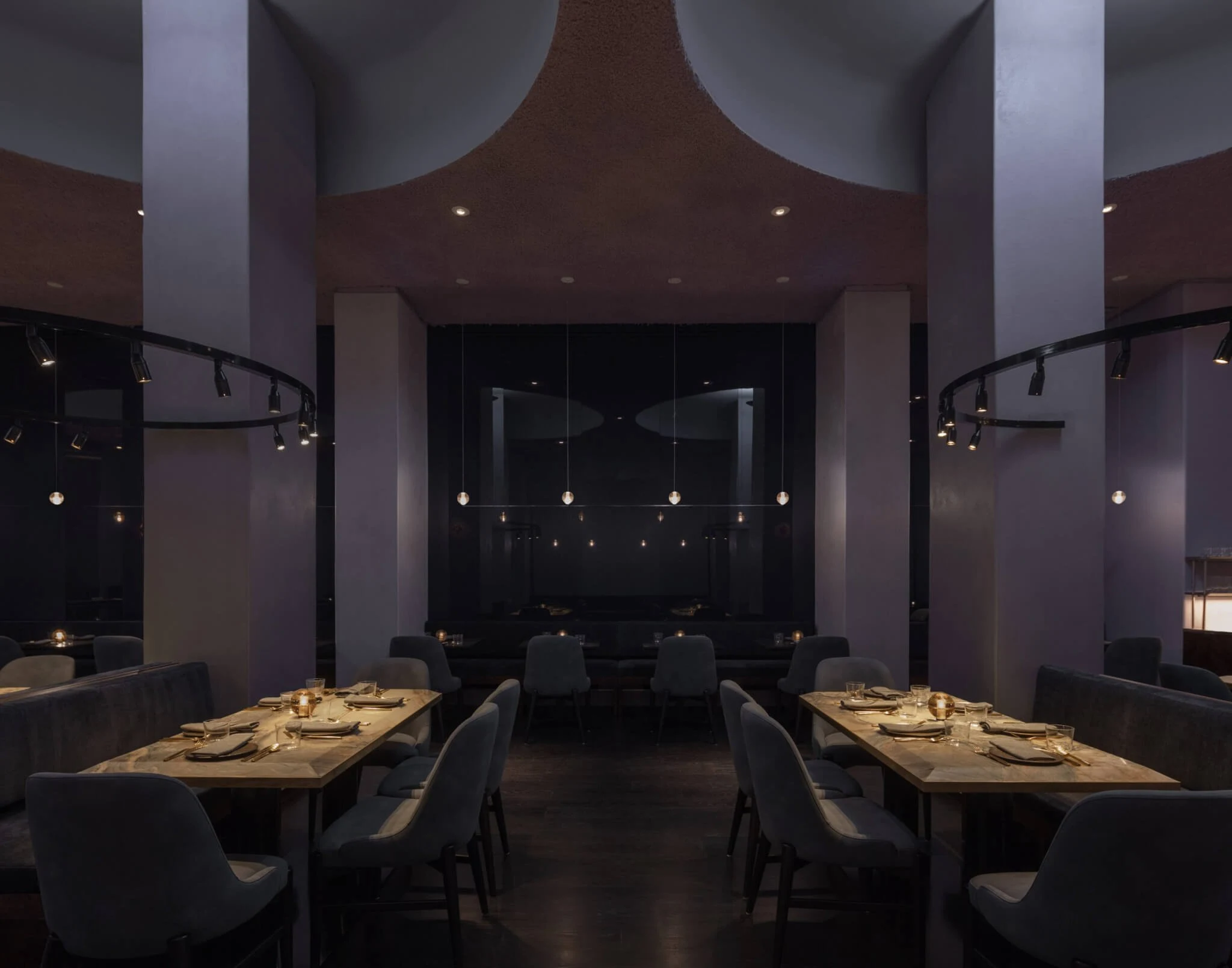
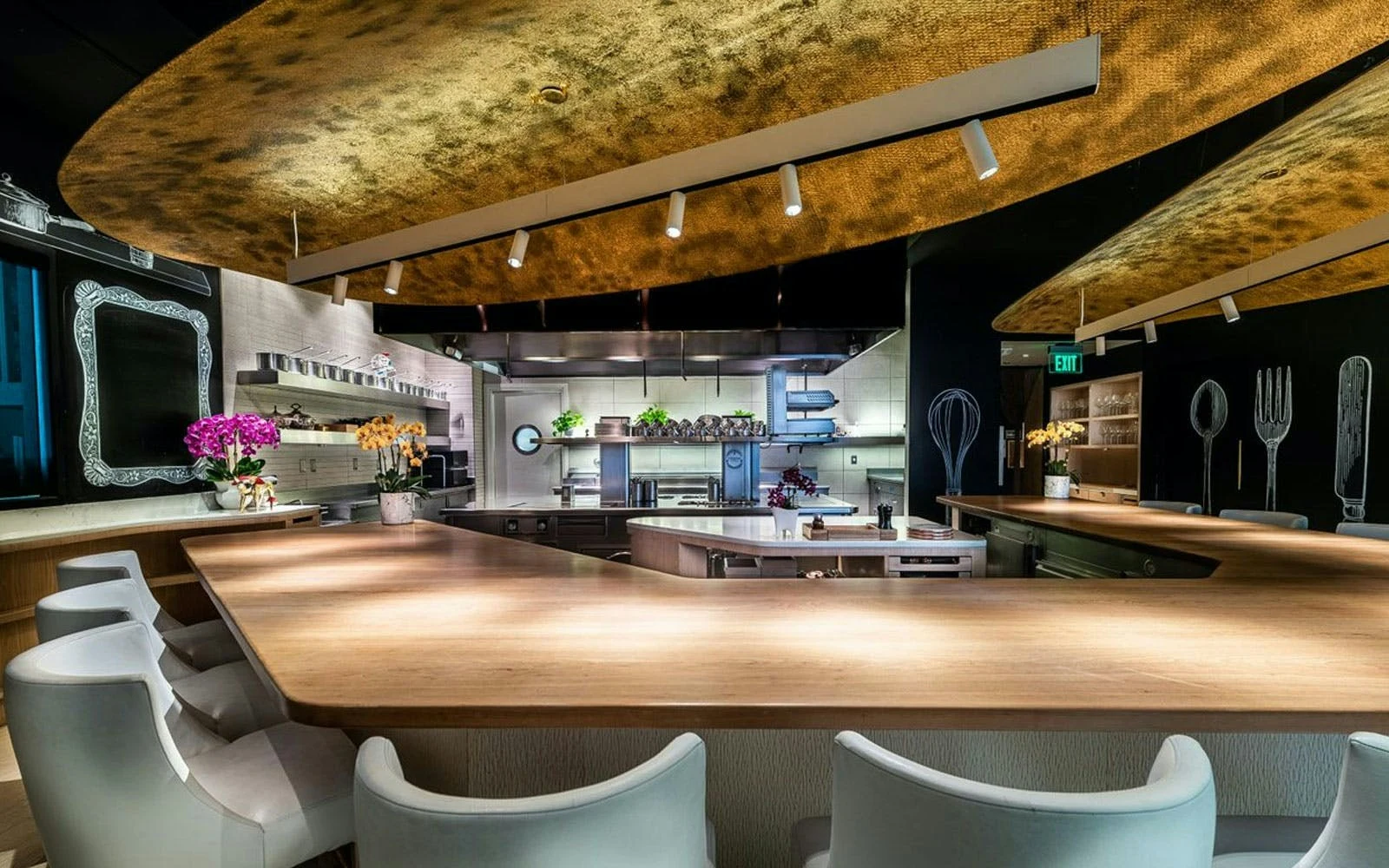
Dōgon in Washington, D.C., is a Modern Afro-Caribbean restaurant at the Salamander Washington DC hotel, ranked No. 37 on the World's 50 Best list in 2024 and priced at about $122 per person. The ceiling of Dōgon's dining room at the Salamander Washington DC hotel plays with light through rough cast-glass globes, each one deliberately imperfect, casting shadows that shift as the evening moves. The visual effect is less hotel restaurant and more considered statement: a room that takes its aesthetic cues from the celestial knowledge attributed to the Dogon people of Mali, an African tribe whose descendants include Benjamin Banneker, the self-taught mathematician and surveyor who helped plan Washington DC's original boundaries in 1791. That historical thread runs through the entire project. Banneker's story, an African-American intellectual working at the founding of the capital, gives Onwuachi a framework for a restaurant that positions itself as both deeply American and insistently diasporic. An 80s R&B; soundtrack, pulling from Sade and DeBarge, grounds the atmosphere in something warmer and less reverent than the room's architecture might suggest.
Dōgon opened in September 2024, and within its first year it collected a Michelin Plate, a number ten ranking on Esquire's Leading New Restaurants list for 2024, and a spot on Resy's Best of the Hit List for 2025. In a DC dining scene where Michelin Stars cluster around tasting-menu formats at restaurants like Jônt and the molecular precision of minibar, Dōgon occupies a different register: shareable plates, bold seasoning, and a menu that references street food and home cooking alongside technique-driven execution.
The Sunday letter
Find new places through the people who run them.
Our Sunday email brings you the chefs, winemakers and hoteliers behind our newest stories. See a sample before you subscribe.
See a sample of the Sunday emailOne email a week. Unsubscribe from any issue.
The Logic of the Menu
West African, Jamaican, Trinidadian, Creole, and Ethiopian references do not appear as a checklist at Dōgon. They surface through specific ingredients and preparations: berbere in the chicken and rice dish, which reads as an explicit acknowledgment of Washington DC's sizeable Ethiopian population; shito, the Ghanaian pepper sauce, arriving alongside hoe crab served in its shell with plantain cakes and aji verde; coconut vinegar cutting through charred braised cabbage. Each combination reflects culinary decisions made across generations of diasporic cooking, where ingredients from multiple regions converge in a single kitchen.
The diasporic cooking movement has gained significant critical recognition across American and British cities. In London, Chishuru and Akara are reframing West African cuisine for fine-dining audiences. In Washington DC, Dōgon is doing something similar but through a specifically American lens, one shaped by the Middle Passage, Caribbean migration, and the demographic history of cities like New Orleans and New York. The result is a menu that works simultaneously as a personal statement and as a document of culinary history.
Chesapeake Bay crab gets its due in a city where the waterway has always anchored the regional table. The Ben's Bowl, built around crispy lamb, tamarind glaze, and chickpea curry, references Ben's Chili Bowl directly, the U Street institution founded in 1958 in a neighborhood once known as Black Broadway. That kind of deliberate local citation, placing DC's Black cultural geography inside a menu of West African and Caribbean cooking, is what separates Dōgon from restaurants that simply deploy global influences without context.
Larger plates extend the range: curry branzino, mom dukes shrimp rich with Louisiana technique and roasted lobster oil, berbere-laced chicken and rice. Dessert does not retreat to neutral territory; the rum cake arrives with charred gooseberries, a detail that keeps the kitchen's perspective intact to the final course. The cocktail program carries equivalent weight, with a non-alcoholic counterpart list that mirrors the ambition of the spirit-based menu. The wine list, described by multiple reviewers as thoughtful, is a meaningful addition to a format that could easily have treated beverage as secondary.
Credentials Behind the Counter
The Afro-Caribbean fine-dining category is still small enough that chef credentials carry real weight in establishing a restaurant's positioning. Kwame Onwuachi's lineage runs through Eleven Madison Park and Per Se, two of the most technically rigorous kitchens in American fine dining, comparable in peer-set terms to the kind of formative stages you see behind the teams at Le Bernardin in New York City or The French Laundry in Napa. That foundation matters when the cooking asks diners to engage with flavor profiles they may not know well. The James Beard Foundation's Rising Star Chef of the Year award in 2019 placed Onwuachi inside a short list of American chefs whose work has been recognized as shaping the direction of the broader conversation.
Chef de cuisine Martel Stone brings his own trajectory. Stone won Chopped Next Gen and previously cooked under Onwuachi at Kith/Kin, the now-closed restaurant that preceded Dōgon in Onwuachi's Washington DC chapter. His specialization in contemporary African diaspora cuisine, characterized by layered herb and spice work, carries the kitchen's daily execution. The continuity between Onwuachi's earlier DC restaurant and Dōgon gives Stone's role a context that goes beyond a standard chef de cuisine appointment.
Dōgon sits comfortably at the $$$$ price point, consistent with the hotel fine-dining tier in Washington DC, where comparable rooms like Albi and Causa both hold Michelin Stars and operate at equivalent price levels. For the format, a sharing-plate structure with seasonal ambition and serious sourcing, $$$$ is the expected register. Those looking for similar culinary ambition at a lower price point might consider Oyster Oyster, which operates at $$$ with a Michelin Star and a sustainable-focused American menu.
Where Dōgon Sits in the DC Dining Conversation
Washington DC's restaurant scene has historically punched below its weight relative to New York, Chicago, and San Francisco, where tasting-menu institutions like Alinea, Lazy Bear, and Single Thread Farm have defined what fine dining in America can look like. The past decade has changed that calculus meaningfully, with a cluster of Michelin-recognized openings and a generation of chefs making DC a primary destination rather than a secondary market.
Dōgon's arrival in 2024 contributes to a specific strand of that conversation: the argument that American fine dining should engage with the full history of American food culture, including the African and Caribbean culinary traditions that shaped Southern cooking, Gulf Coast cuisine, and the food of every major American city with a significant Black population. The restaurant does not ask to be considered alongside French-technique houses. It establishes its own comparable set and asks to be judged within it.
The Salamander Washington DC hotel location at 1330 Maryland Ave SW places the restaurant near the National Mall, accessible from most of the city's major neighborhoods. Reservations are handled through Resy, and given the recognition accumulated in its first year, booking ahead is advisable. For a fuller picture of what the capital's restaurant scene offers, including bars, hotels, and cultural experiences, see our full Washington DC restaurants guide, our Washington DC hotels guide, our Washington DC bars guide, our Washington DC wineries guide, and our Washington DC experiences guide. For a parallel view of how African diaspora cuisine is developing in a different culinary capital, the London restaurants Chishuru and Akara offer useful comparison. And in New Orleans, Emeril's represents a different but related lineage in American cooking that draws on Gulf Coast and Creole traditions.
Questions
Frequently asked
What recognition does Dōgon hold?
Dōgon holds a place on the World's 50 Best list at number 37.
Who works at Dōgon?
Made By profiles Martel Stone (Chef) at Dōgon.
How expensive is Dōgon?
Dōgon is listed at a price level of $$$$.
Where is Dōgon and what does it serve?
Dōgon is in Southwest Federal Center, Washington DC, serving Modern Afro-Caribbean.
The field
How it compares
| Place | Awards | Cuisine | Notes |
|---|---|---|---|
| Dōgon | World's 50 Best #37 | Modern Afro-Caribbean | Southwest Federal Center, $$$$ |
| Albi | Michelin 1 Star, World's 50 Best | Modern Levantine Fine Dining | Washington DC |
| Jônt | Michelin 2 Stars | Modern Japanese Fine Dining | Washington DC |
| minibar | Michelin 2 Stars | Avant-Garde Molecular Gastronomy | Washington DC |
| Moon Rabbit | World's 50 Best | Creative Vietnamese-Cajun Fusion | Washington DC |
| Oyster Oyster | Michelin 1 Star | Modern Vegetable-Focused Tasting Menu | Washington DC |
| Xiquet by Danny Lledo | Michelin 1 Star | Modern Spanish Valencian Fine Dining | Washington DC |
In residence
Similar places
Modern Levantine Fine Dining
Albi
Washington DC, United States
★ · 50 Best
Modern Japanese Fine Dining
Jônt
Washington DC, United States
★★
Avant-Garde Molecular Gastronomy
minibar
Washington DC, United States
★★
Creative Vietnamese-Cajun Fusion
Moon Rabbit
Washington DC, United States
50 Best
Modern Vegetable-Focused Tasting Menu
Oyster Oyster
Washington DC, United States
★
Modern Spanish Valencian Fine Dining
Xiquet by Danny Lledo
Washington DC, United States
★
The Sunday letter
Get the next Made By story in your inbox.
We send one email every Sunday morning with the places and people we covered that week.
See a sample of the Sunday emailOne email a week. Unsubscribe from any issue.