Moon Rabbit
In Residence
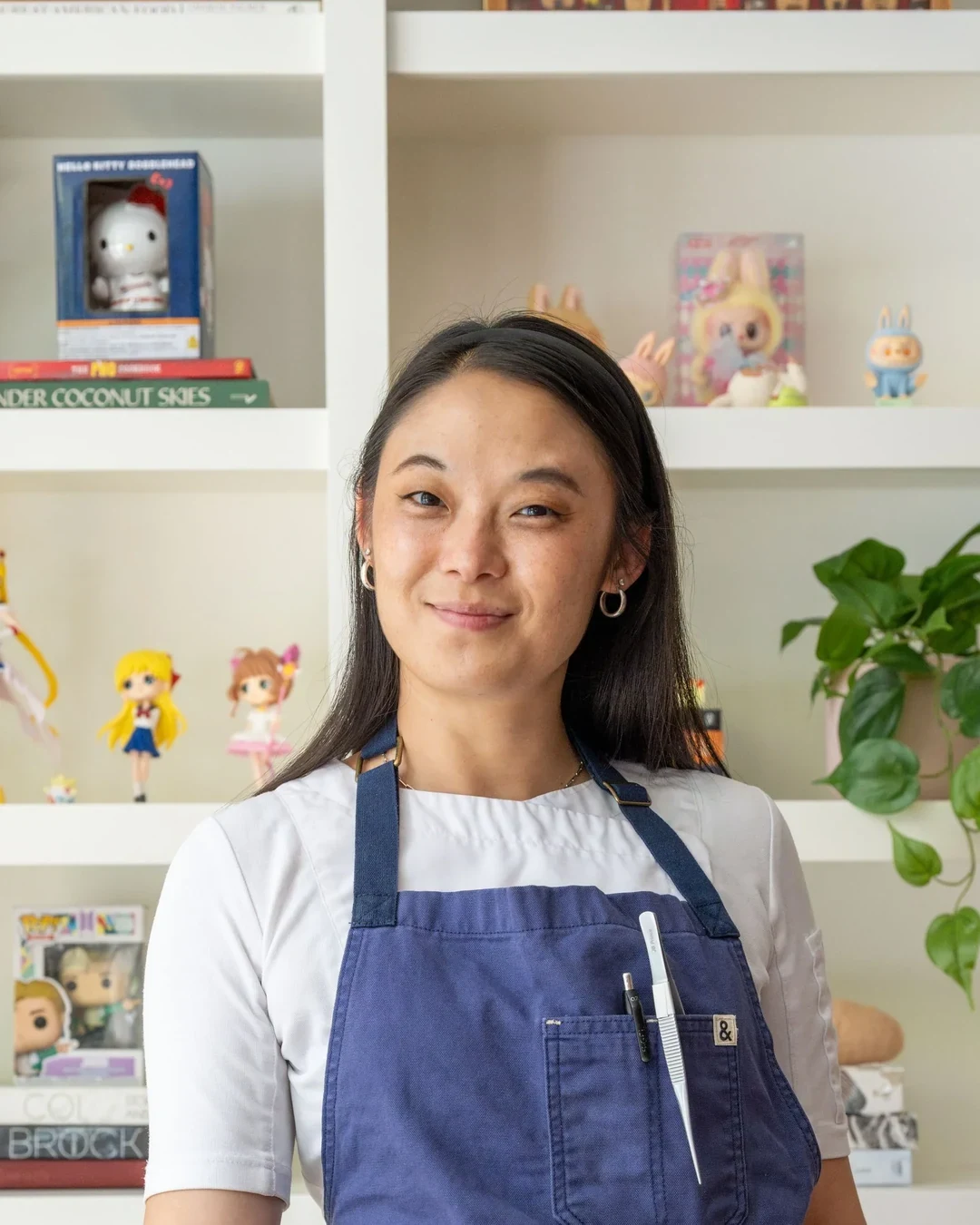
Susan Bae
Pastry Chef
- 01CuisineCreative Vietnamese-Cajun Fusion
- 02CityWashington DC, United States
- 03RecognitionWorld's 50 Best — No. 17
From the people index
Recommended by
3 trusted voices point here.
- World's 50 Best · #17 · World's 50 Best Restaurants
- James Beard Winner · James Beard Foundation
- James Beard Award Semi Finalist · 2026
- James Beard Award Outstanding Pastry Chef or Baker · 2026
- World's 50 Best North America's Best Restaurants #24 · 2026
- Washingtonian 100 Very Best Restaurants #3 · 2026
- James Beard Award Nominee · 2026
- Opinionated About Dining Casual in North America Recommended · 2026
- OpenTable Top 100 Restaurants · 2025
- Michelin Plate · 2025
- World's 50 Best North America's Best Restaurants #17 · 2025
- James Beard Award Semi Finalist · 2025
- Michelin Plate · 2024
- Opinionated About Dining Casual in North America Recommended · 2023
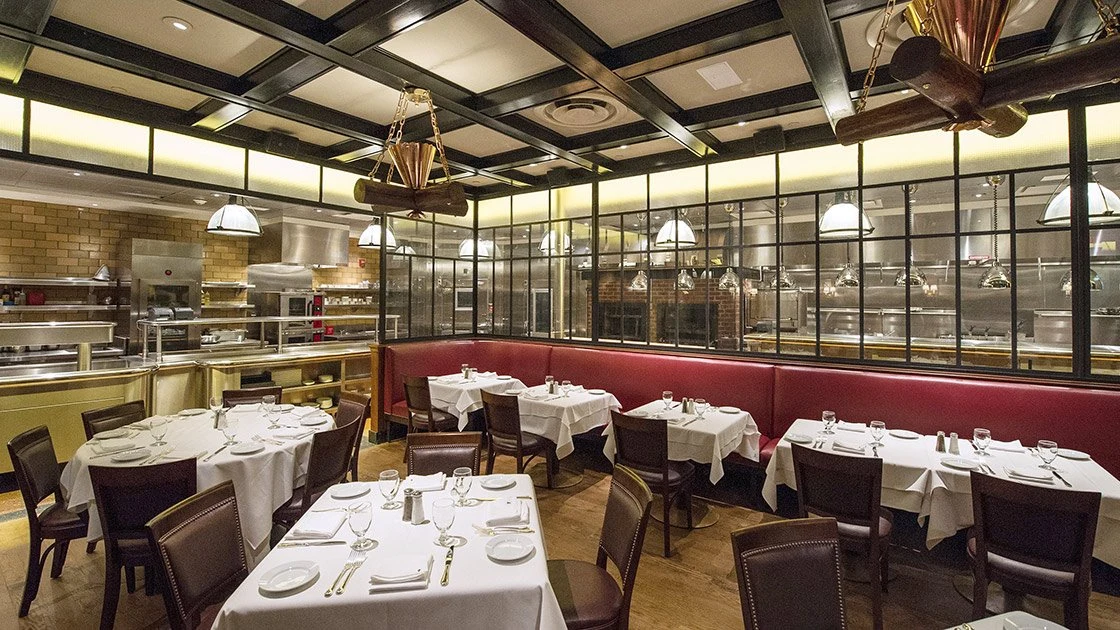
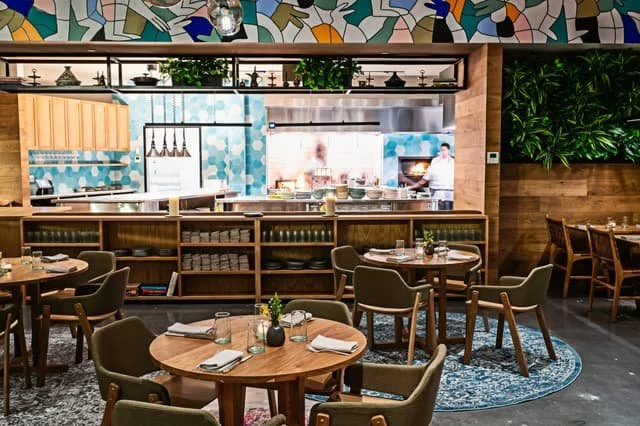
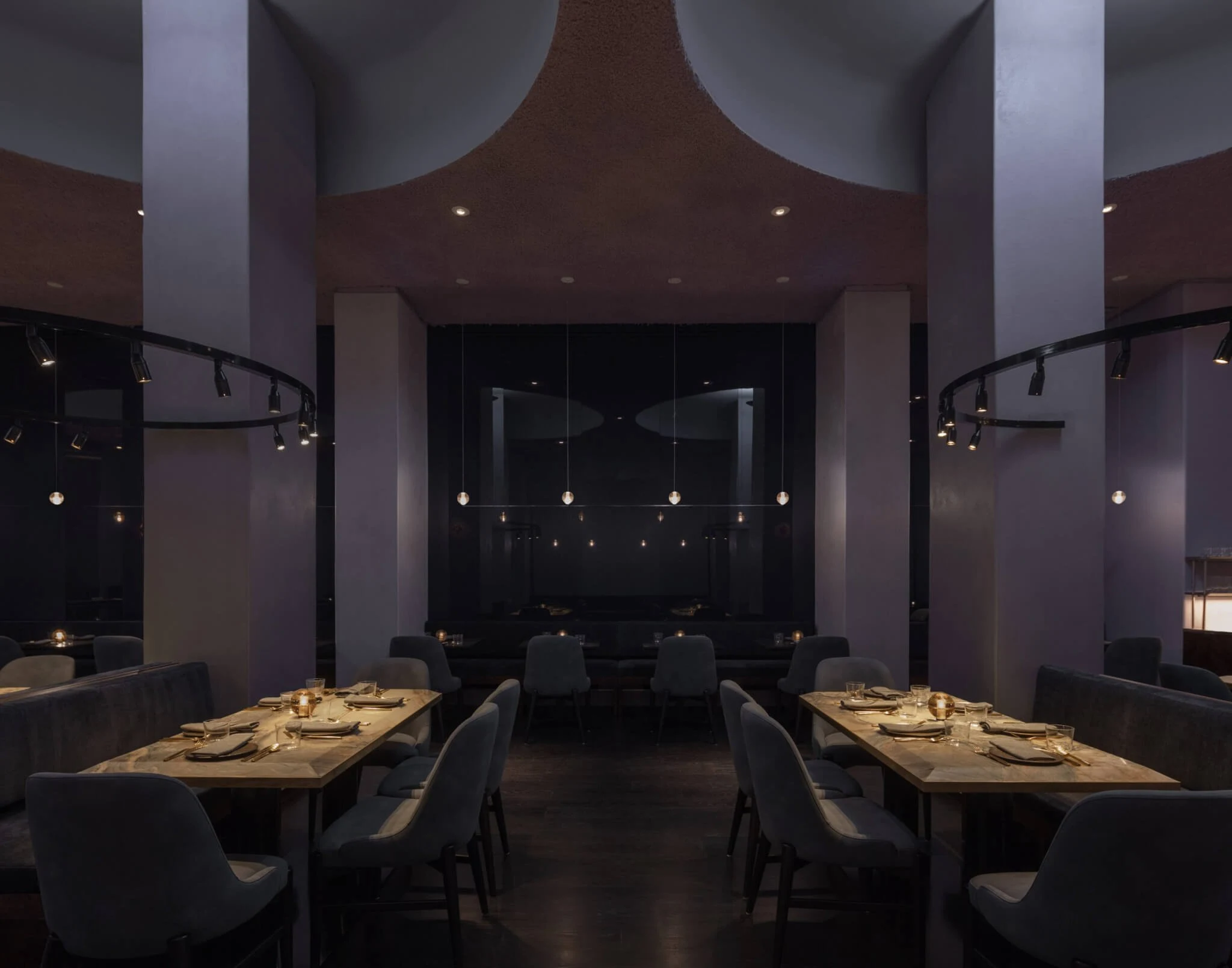
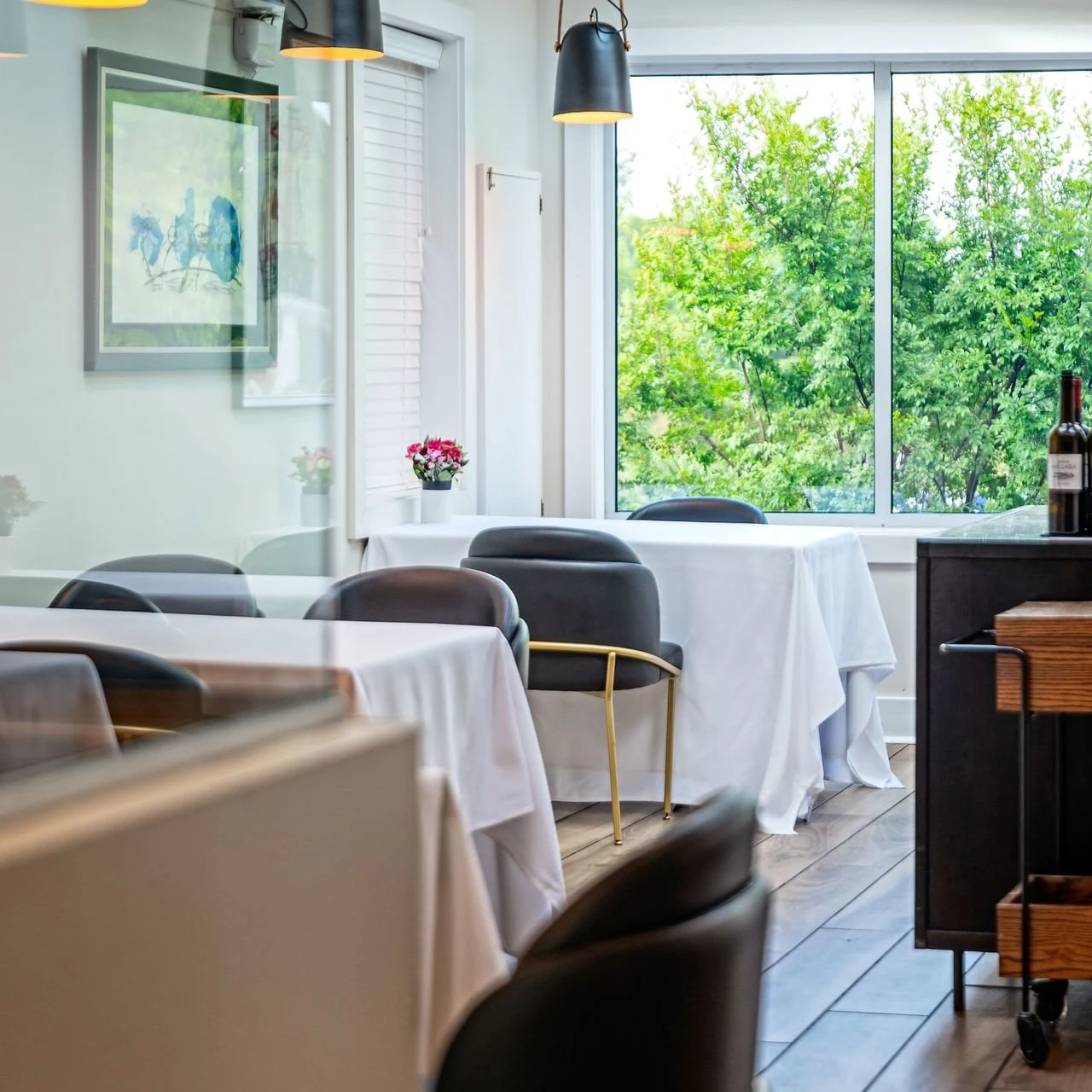
Penn Quarter's restaurant row runs dense with mid-price American and global formats, most of them occupying the reliable middle of the D.C. dining spectrum. Moon Rabbit at 927 F Street NW sits in that corridor but operates on a different register: a modern Vietnamese kitchen that ranked No. 17 on the World's 50 Best Restaurants list for North America in 2025, placing it in a peer tier alongside technically serious addresses like Jônt and minibar rather than the neighborhood's more casual traffic. The room itself is bright and contemporary.
Between Hanoi and Saigon, via Louisiana
Vietnamese cuisine in the United States tends to arrive at the table in one of two registers. The northern tradition, associated with Hanoi, prizes restraint: lighter broths, subtle aromatics, a preference for herb freshness over heat. Southern Vietnamese cooking, rooted in Saigon and the Mekong delta, runs sweeter, bolder, and more generous with chilli and fish sauce. Most American Vietnamese restaurants anchor to one or the other without explicitly naming the choice. Kevin Tien's kitchen at Moon Rabbit does something less common: it holds both in tension, and then introduces a third variable.
The Sunday letter
Find new places through the people who run them.
Our Sunday email brings you the chefs, winemakers and hoteliers behind our newest stories. See a sample before you subscribe.
See a sample of the Sunday emailOne email a week. Unsubscribe from any issue.
Tien grew up in Lafayette, Louisiana, a city whose food culture is built on layered spice, smoked proteins, and the kind of heat that arrives slowly rather than all at once. That formation sits visibly inside dishes where the southern Vietnamese preference for sweetness and bold aromatics is present, but tempered by the smoke and savory depth you find in Cajun cooking. The mochi beignet, made with freshwater eel and served alongside Vietnamese-style pickles and chilli jam, reads as a Saigon street food idea filtered through a Louisiana frying tradition. The result is neither pure beignet nor pure bánh: it occupies a specific culinary position that the kitchen seems to have arrived at deliberately rather than by accident.
The fried quail filled with duck sausage, served over crispy tomato rice with clementine mustard, pulls in a similar direction. Quail and duck sausage are Louisiana pantry staples; the crispy rice and the citrus mustard note pull toward the southern Vietnamese table. Neither element dominates. Dishes of this construction are less common in American Vietnamese cooking than the category's current prestige might suggest. Many restaurants that describe themselves as modern Vietnamese lean hard into the Saigon register because its boldness translates well to American palates. The northern restraint, the Hanoi preference for subtlety and clean aromatics, is harder to work with at scale. Moon Rabbit's menu shows evidence of both poles rather than defaulting to the easier one.
The Room and the Programme
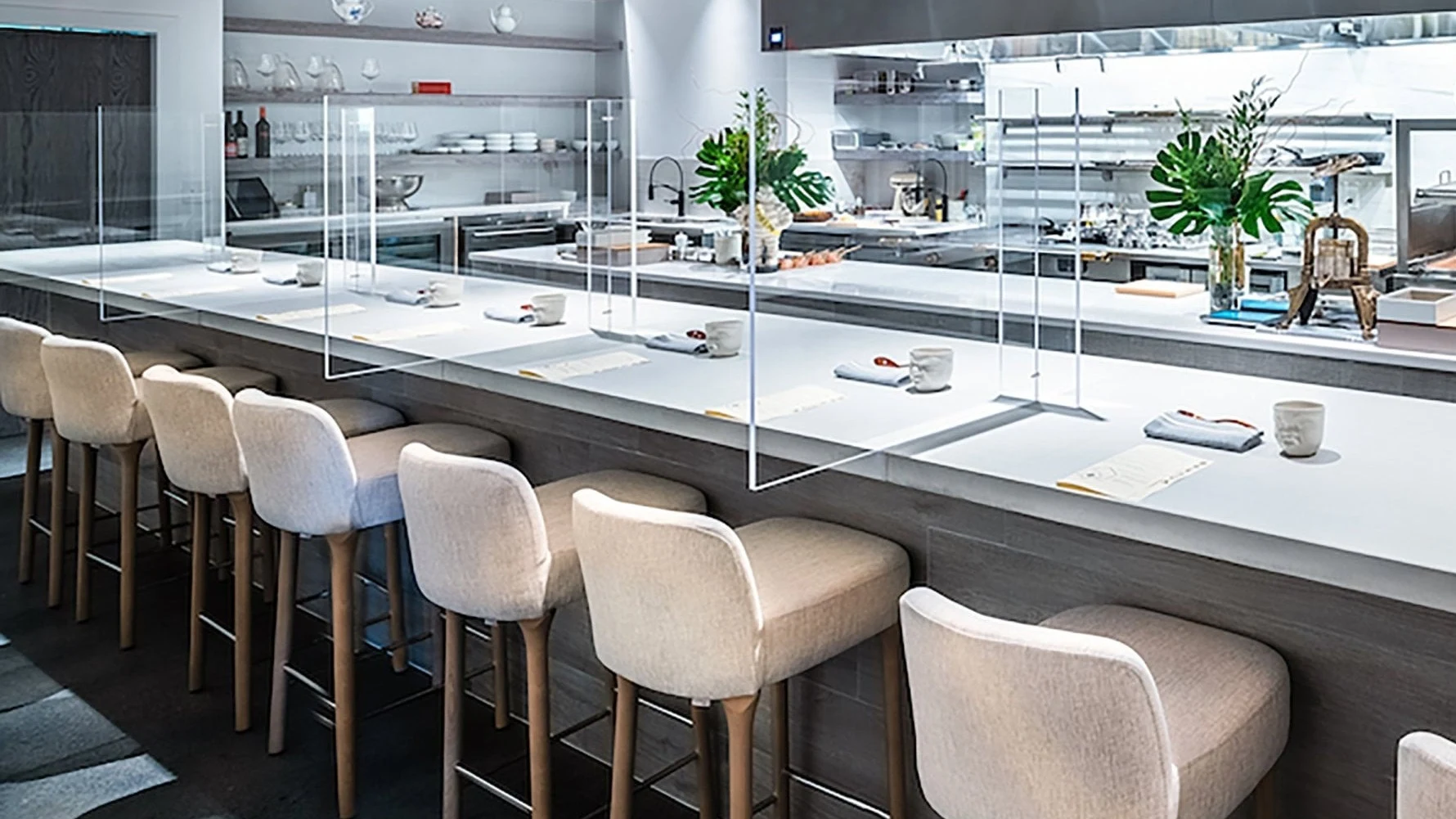
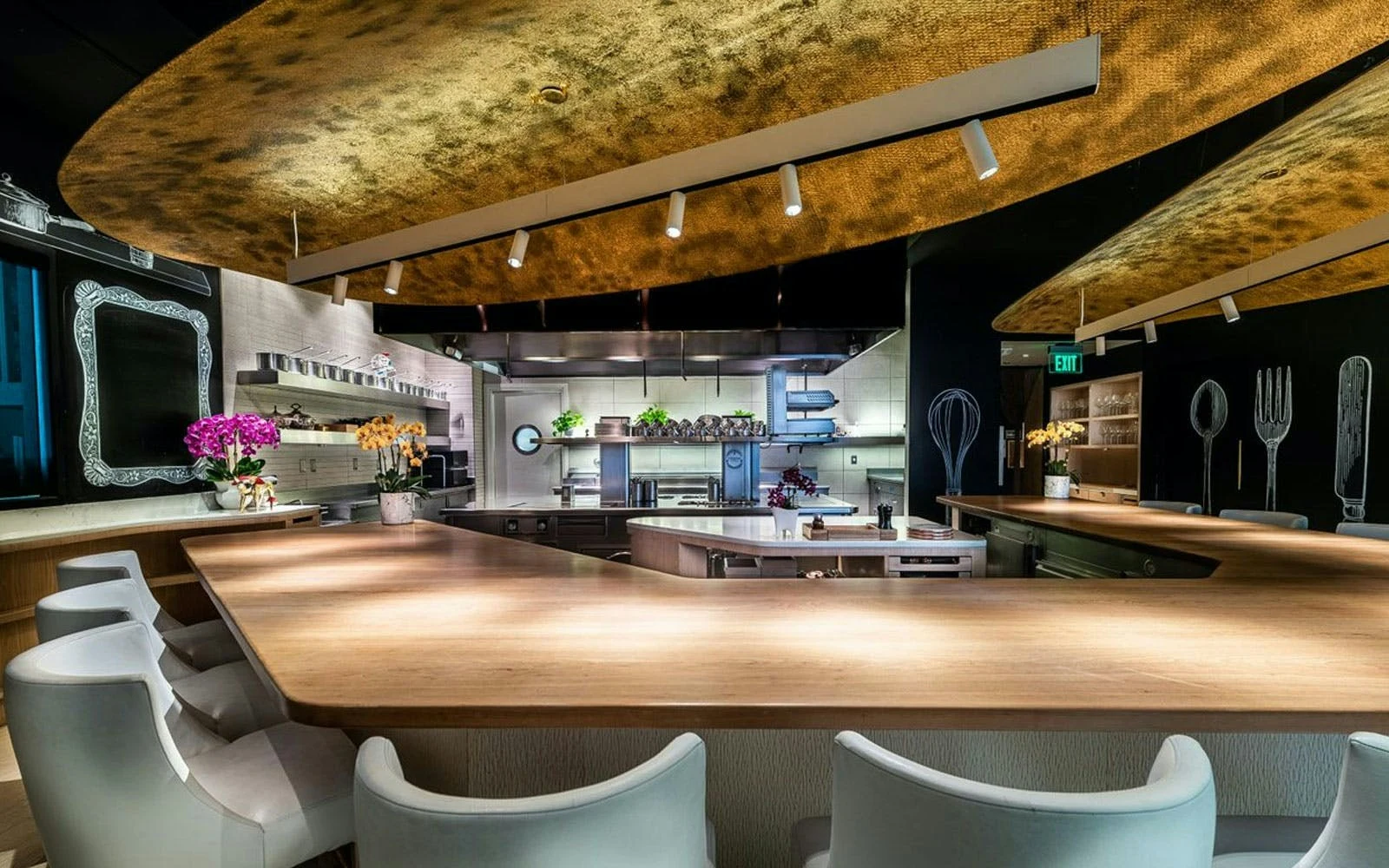
The F Street location gives the restaurant a stand-alone identity it did not have inside a hotel. The space is described as bright and contemporary, which in Penn Quarter typically means stripped-back materials, natural light, and a room designed to let the food carry the atmosphere rather than competing with elaborate décor. That format suits a kitchen at this price level, where the cooking is detailed enough to hold attention without theatrical staging.
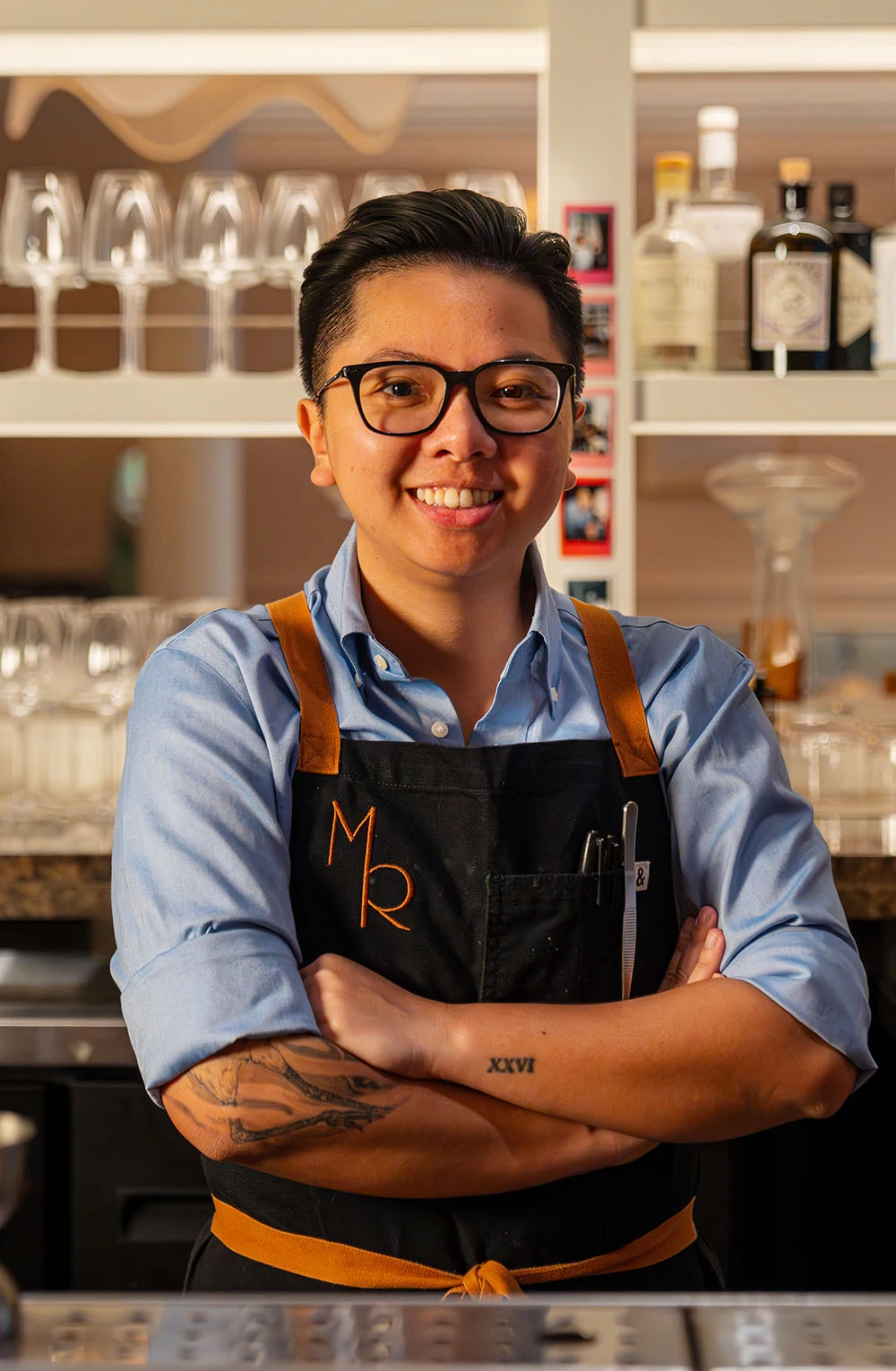
The cocktail programme operates at a comparable level of seriousness. Bar director Thi Nguyen won the 2024 Michelin Guide Washington D.C. Notable Cocktails Award for a programme built around Vietnamese flavours, which means the beverage side is not an afterthought appended to a strong kitchen. In D.C.'s current fine-casual tier, where restaurants like Oyster Oyster and Causa have invested seriously in beverage programmes to match their food credentials, Moon Rabbit fits the pattern of treating bar and kitchen as co-equal contributors to the overall experience.
Pastry also receives serious treatment. Susan Bae, the pastry chef, was named a James Beard Foundation finalist for Outstanding Pastry Chef or Baker in both 2024 and 2025. The vegan pandan panna cotta, served with Okinawa seaweed and chocolate cookie crumble, illustrates why: it plays with the sweet-savory boundary that runs through Vietnamese dessert traditions. Two consecutive James Beard nominations place Bae in a small peer group nationally, and it's notable that Moon Rabbit carries significant culinary depth across three separate departments: kitchen, bar, and pastry.
Where Moon Rabbit Sits in D.C.'s Broader Scene
Washington D.C. has developed a Vietnamese dining spectrum that runs from the dense, family-run pho houses of Eden Center in Falls Church to the chef-driven modern formats now appearing in Penn Quarter, Shaw, and Capitol Hill. Moon Rabbit occupies that modern tier, but it's worth distinguishing its approach from the other ambitious restaurants in the city's current rotation. Albi operates at the $$$$ tier with a Middle Eastern focus; Bresca and Gravitas hold the Modern French and New American ground at a similar price ceiling. Moon Rabbit, at $$$, prices below that upper bracket while holding comparable accolades, which makes it an interesting comparison point for readers trying to map the city's value-to-recognition ratio.
Nationally, the model of a chef fusing a Southeast Asian culinary tradition with an American regional heritage has precedents, though they are scattered. The kind of cross-cultural precision Moon Rabbit pursues is more common in New York, where restaurants like Atomix have set high standards for modern Korean cooking at the chef-driven level. In D.C. Vietnamese cooking has not previously produced a restaurant of this recognition level, which gives Moon Rabbit a category position in the city that is not easily replicated. The World's 50 Best North America ranking at No. 17 in 2025 confirms that the restaurant now competes on a continental comparable set, not merely a local one.
For readers who follow chef-driven American tasting formats across cities, the comparison set extends further. Lazy Bear in San Francisco and Alinea in Chicago represent the technically ambitious American fine dining mode, while Le Bernardin in New York and The French Laundry in Napa hold the classical end of that spectrum. Moon Rabbit is not attempting what any of those kitchens are doing, but the recognition signals now place it in a conversation where those names appear. Emeril's in New Orleans offers an interesting parallel: a chef whose culinary identity was shaped by Louisiana but whose cooking range extends well beyond any single tradition. Kevin Tien's trajectory carries a similar logic.
For travellers building a D.C. itinerary around restaurant-driven visits, Moon Rabbit belongs on the shortlist alongside the city's other credentialed addresses. Internationally, the model of a chef using diaspora ingredients and technique to reframe a national cuisine has produced strong results at places like 8½ Otto e Mezzo Bombana in Hong Kong and Single Thread Farm in Healdsburg, where precision and ingredient sourcing carry the critical weight. Moon Rabbit operates in that general mode, applied to Vietnamese culinary material in an American capital context.
Know Before You Go
- Address: 927 F St NW, Washington, DC 20004
- Cuisine: Modern Vietnamese, with Cajun Louisiana influence
- Price: $$$
- Awards: Michelin Plate (2024); World's 50 Best Restaurants North America No. 17 (2025); Michelin Guide D.C. Notable Cocktails Award (2024, bar director Thi Nguyen); James Beard Foundation finalist, Outstanding Pastry Chef or Baker (2024 and 2025, pastry chef Susan Bae); Opinionated About Dining Casual North America Recommended (2023); Esquire Leading New Restaurants #25 (2021)
- Opened: Current F Street location opened 2024 4 from 987 reviews
- Getting there: Penn Quarter, Metro Center and Gallery Place-Chinatown stations are within walking distance
Questions
Frequently asked
What recognition does Moon Rabbit hold?
Moon Rabbit holds a place on the World's 50 Best list at number 17 and a James Beard award.
Who works at Moon Rabbit?
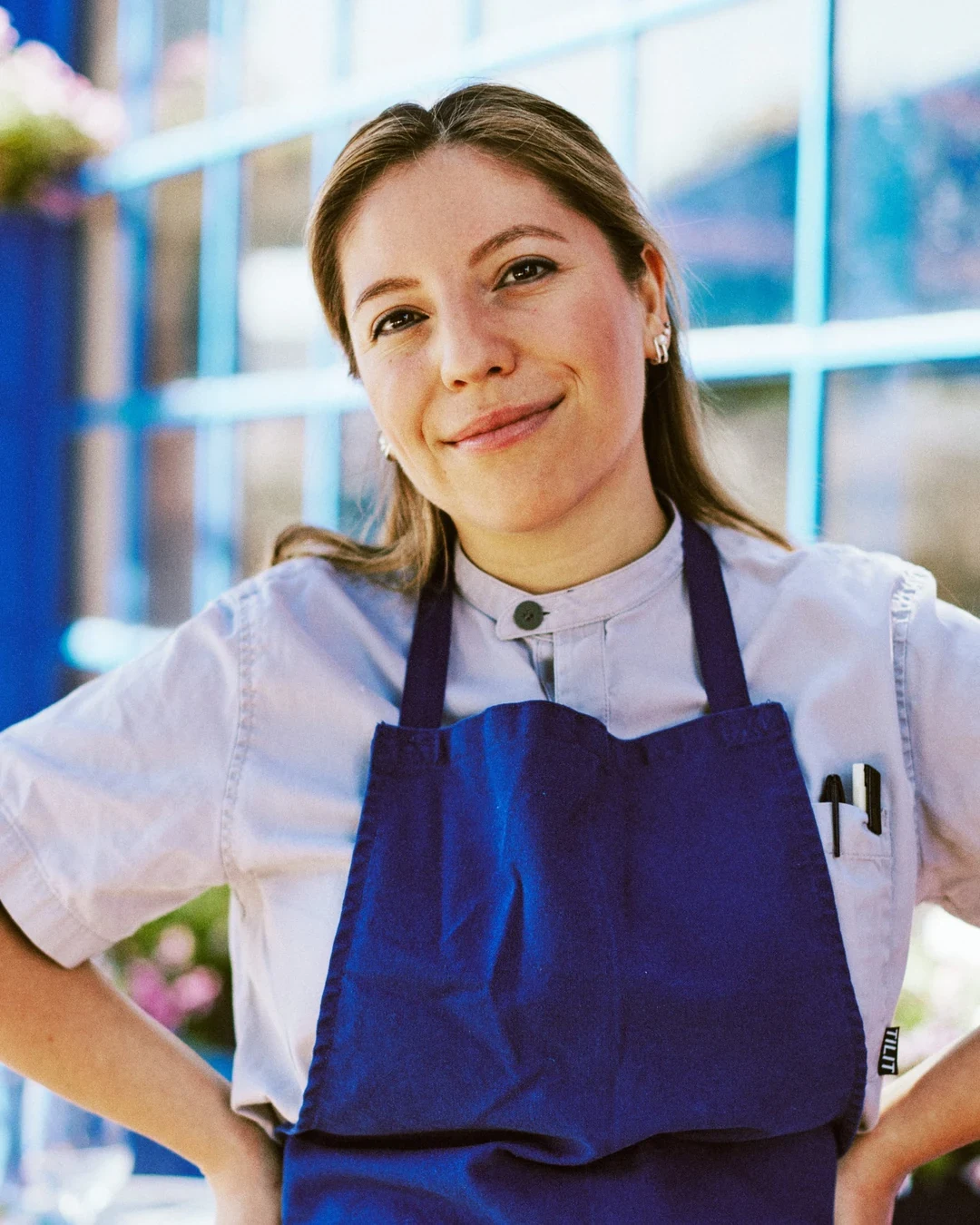
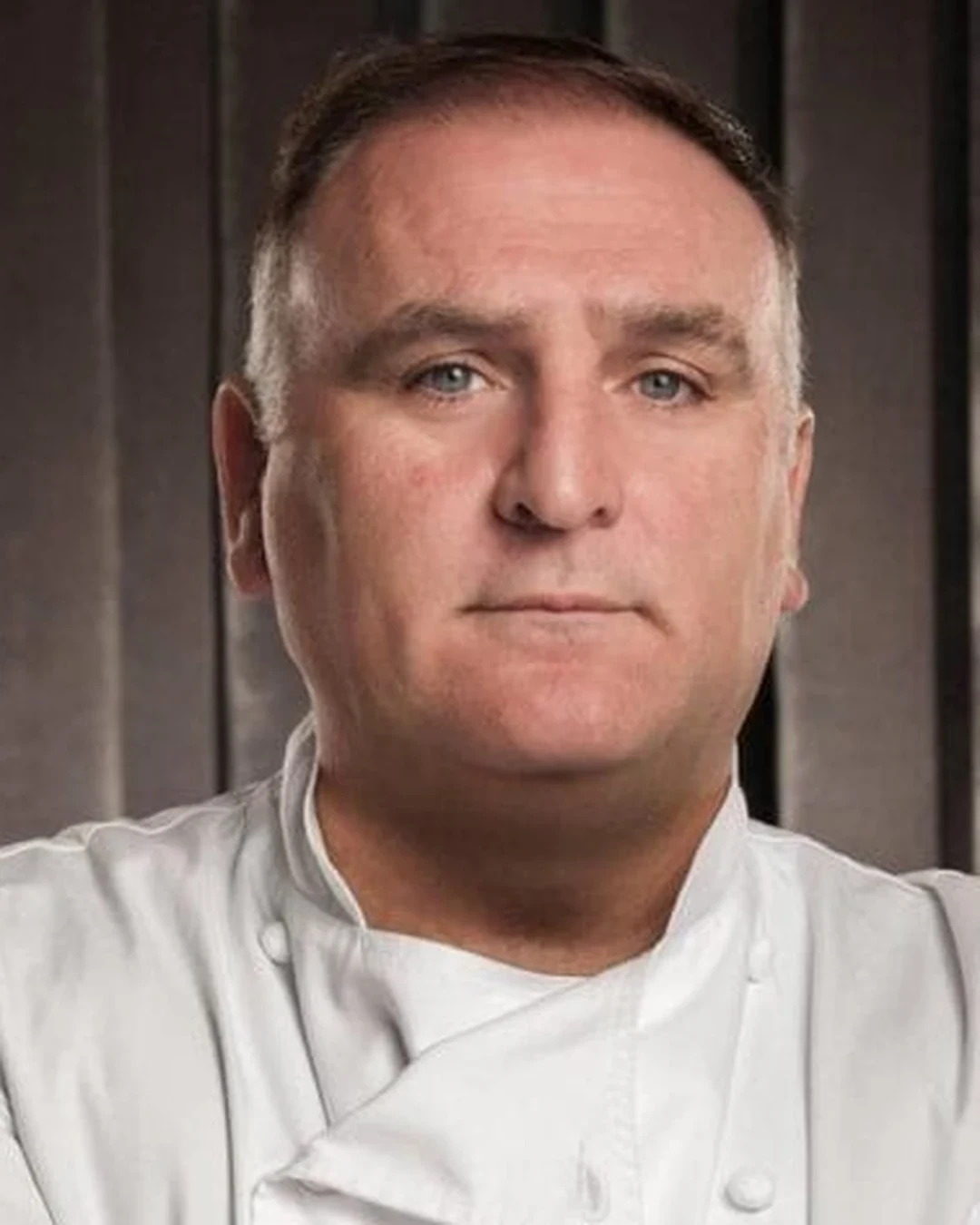
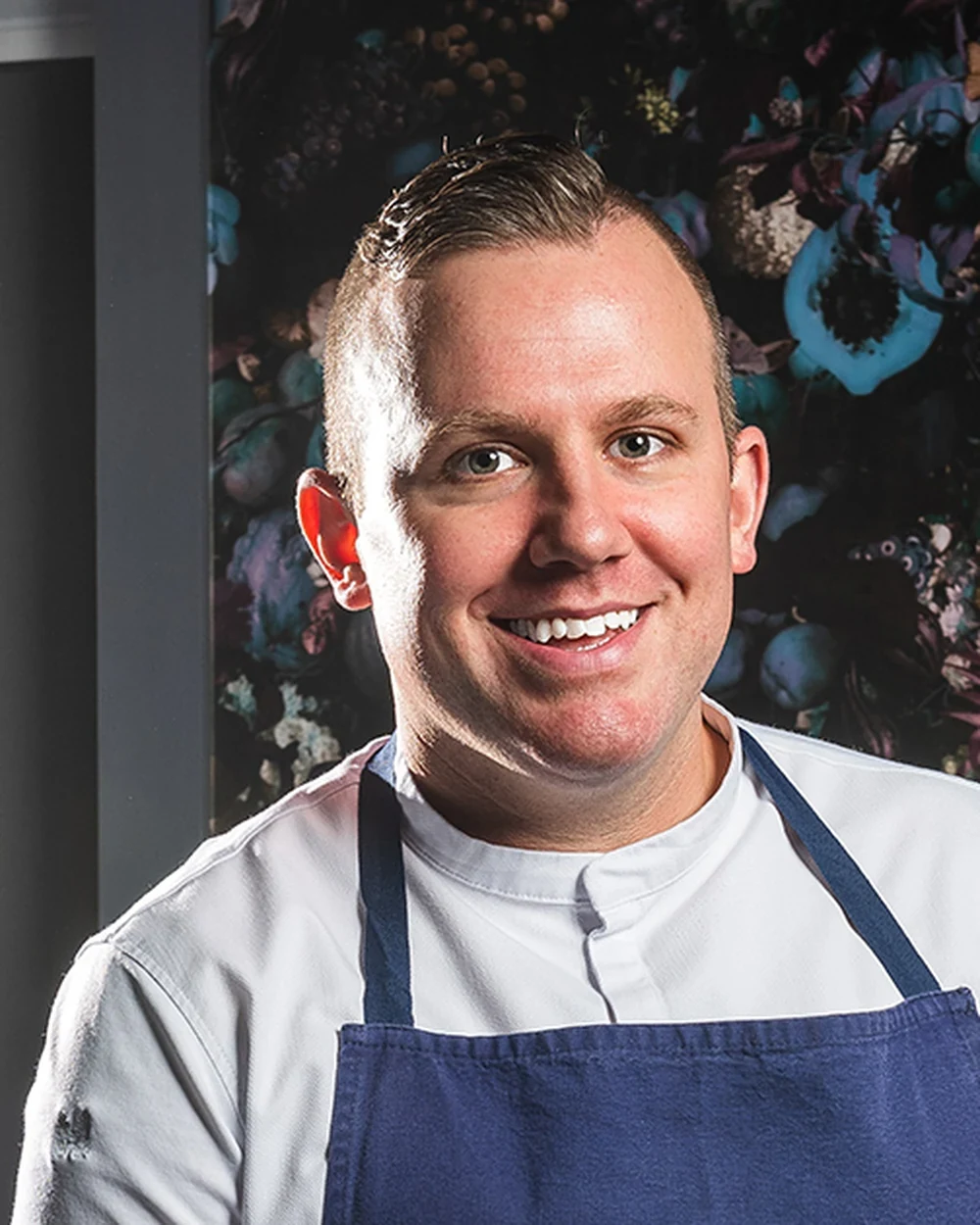
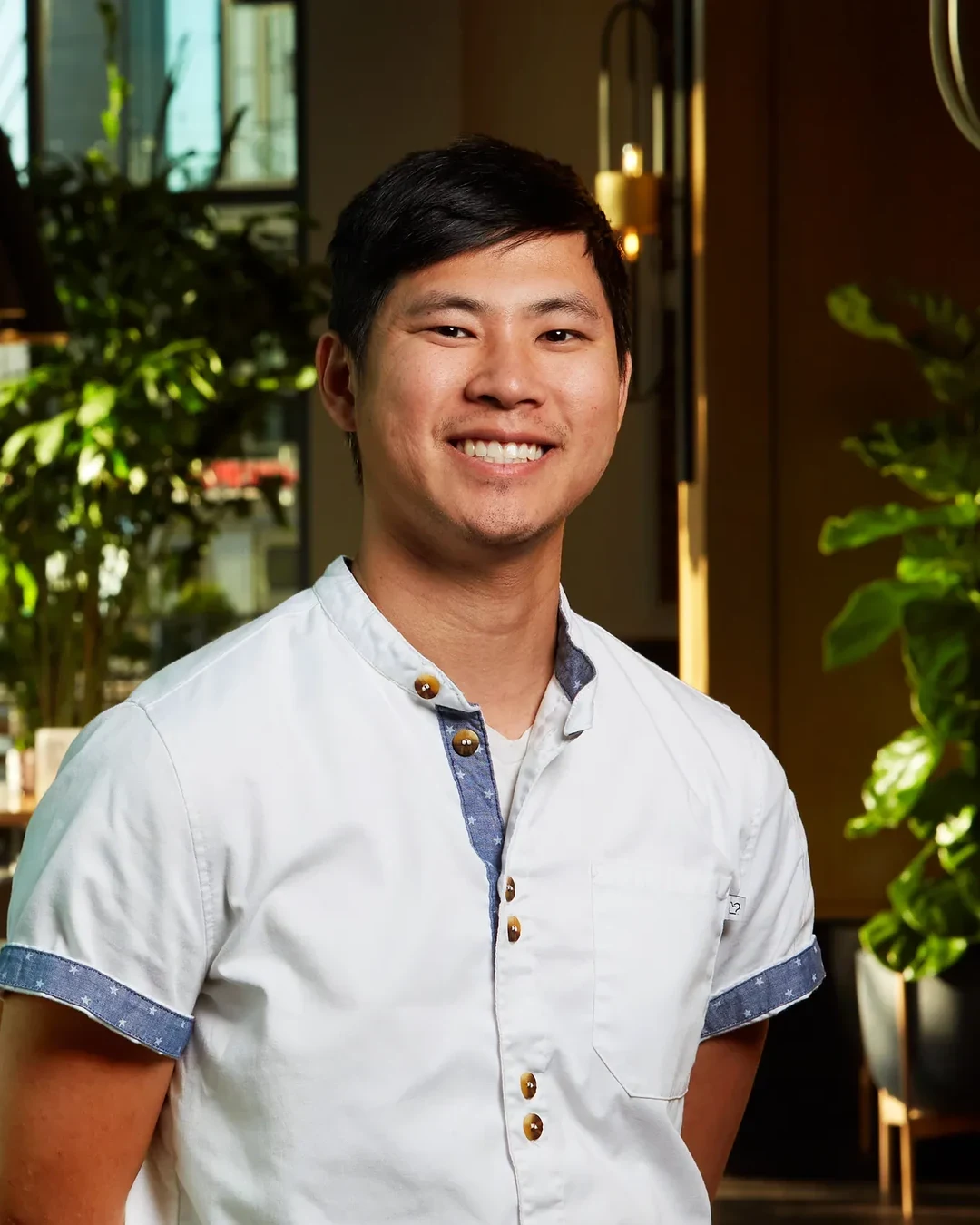
Made By profiles Susan Bae (Pastry Chef/Baker), Kevin Tien (Chef) and Thi Nguyen (Bar Director) at Moon Rabbit.
How expensive is Moon Rabbit?
Moon Rabbit is listed at a price level of $$$.
Where is Moon Rabbit and what does it serve?
Moon Rabbit is in Penn Quarter, Washington DC, serving Creative Vietnamese-Cajun Fusion.
The field
How it compares
| Place | Awards | Cuisine | Notes |
|---|---|---|---|
| Moon Rabbit | World's 50 Best #17, James Beard | Creative Vietnamese-Cajun Fusion | Penn Quarter, $$$ |
| Albi | Michelin 1 Star, World's 50 Best | Modern Levantine Fine Dining | Washington DC |
| Dōgon | World's 50 Best | Modern Afro-Caribbean | Washington DC |
| Jônt | Michelin 2 Stars | Modern Japanese Fine Dining | Washington DC |
| minibar | Michelin 2 Stars | Avant-Garde Molecular Gastronomy | Washington DC |
| Oyster Oyster | Michelin 1 Star | Modern Vegetable-Focused Tasting Menu | Washington DC |
| Xiquet by Danny Lledo | Michelin 1 Star | Modern Spanish Valencian Fine Dining | Washington DC |
In residence
Similar places
Modern Levantine Fine Dining
Albi
Washington DC, United States
★ · 50 Best
Modern Afro-Caribbean
Dōgon
Washington DC, United States
50 Best
Modern Japanese Fine Dining
Jônt
Washington DC, United States
★★
Avant-Garde Molecular Gastronomy
minibar
Washington DC, United States
★★
Modern Vegetable-Focused Tasting Menu
Oyster Oyster
Washington DC, United States
★
Modern Spanish Valencian Fine Dining
Xiquet by Danny Lledo
Washington DC, United States
★
The Sunday letter
Get the next Made By story in your inbox.
We send one email every Sunday morning with the places and people we covered that week.
See a sample of the Sunday emailOne email a week. Unsubscribe from any issue.