Albi
In Residence
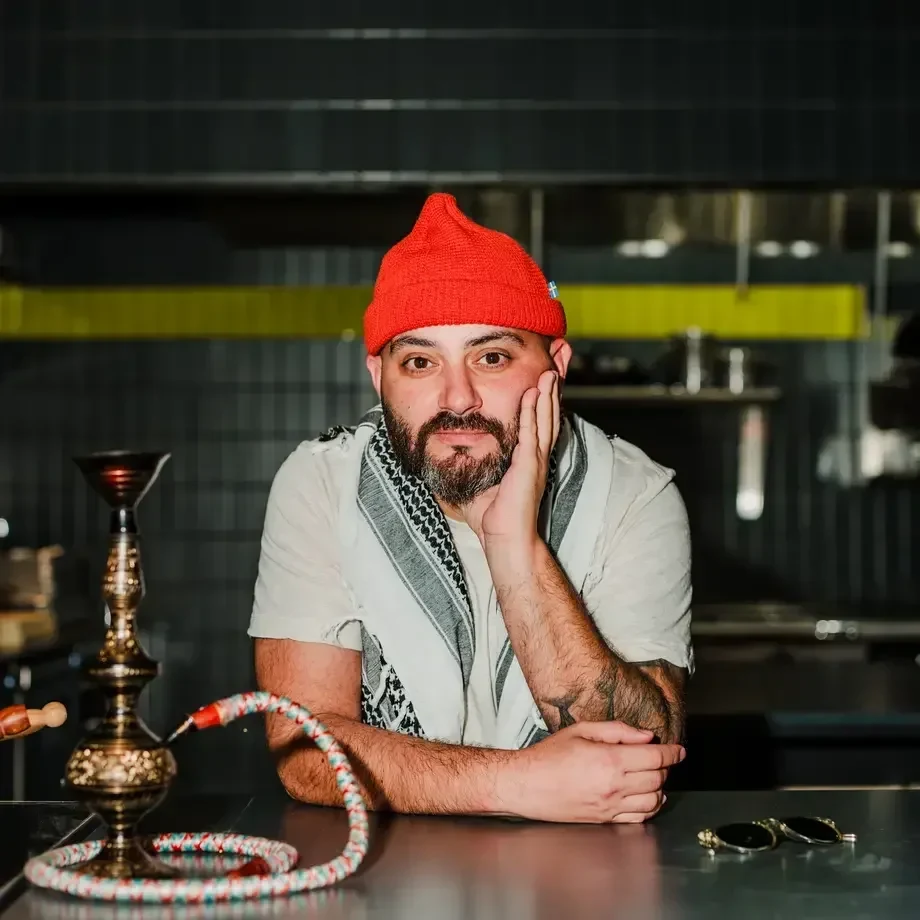
Michael Rafidi
Chef
- 01CuisineModern Levantine Fine Dining
- 02CityWashington DC, United States
- 03RecognitionOne Michelin Star
From the people index
Recommended by
One trusted voice points here.
- 1 Michelin Star · Michelin Guide
- World's 50 Best · #6 · World's 50 Best Restaurants
- James Beard Winner · James Beard Foundation
- World's 50 Best North America's Best Restaurants #6 · 2026
- Washingtonian 100 Very Best Restaurants #1 · 2026
- RAMMYS Formal Fine Dining Restaurant of the Year · 2026
- Pearl Recommended Restaurant · 2025
- Michelin 1 Star · 2025
- World's 50 Best North America's Best Restaurants #34 · 2025
- Opinionated About Dining Casual in North America Ranked #130 · 2025
- Opinionated About Dining Casual in North America Ranked #109 · 2024
- James Beard Award Outstanding Chef #1 · 2024
- Michelin 1 Star · 2024
- Opinionated About Dining Casual in North America Highly Recommended · 2023
- Robb Report 100 Greatest American Restaurants of the 21st Century #89
Fire, Spice, and the Levantine Table in Navy Yard
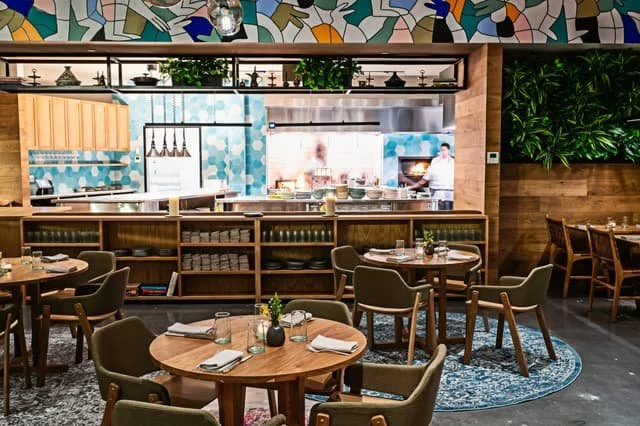
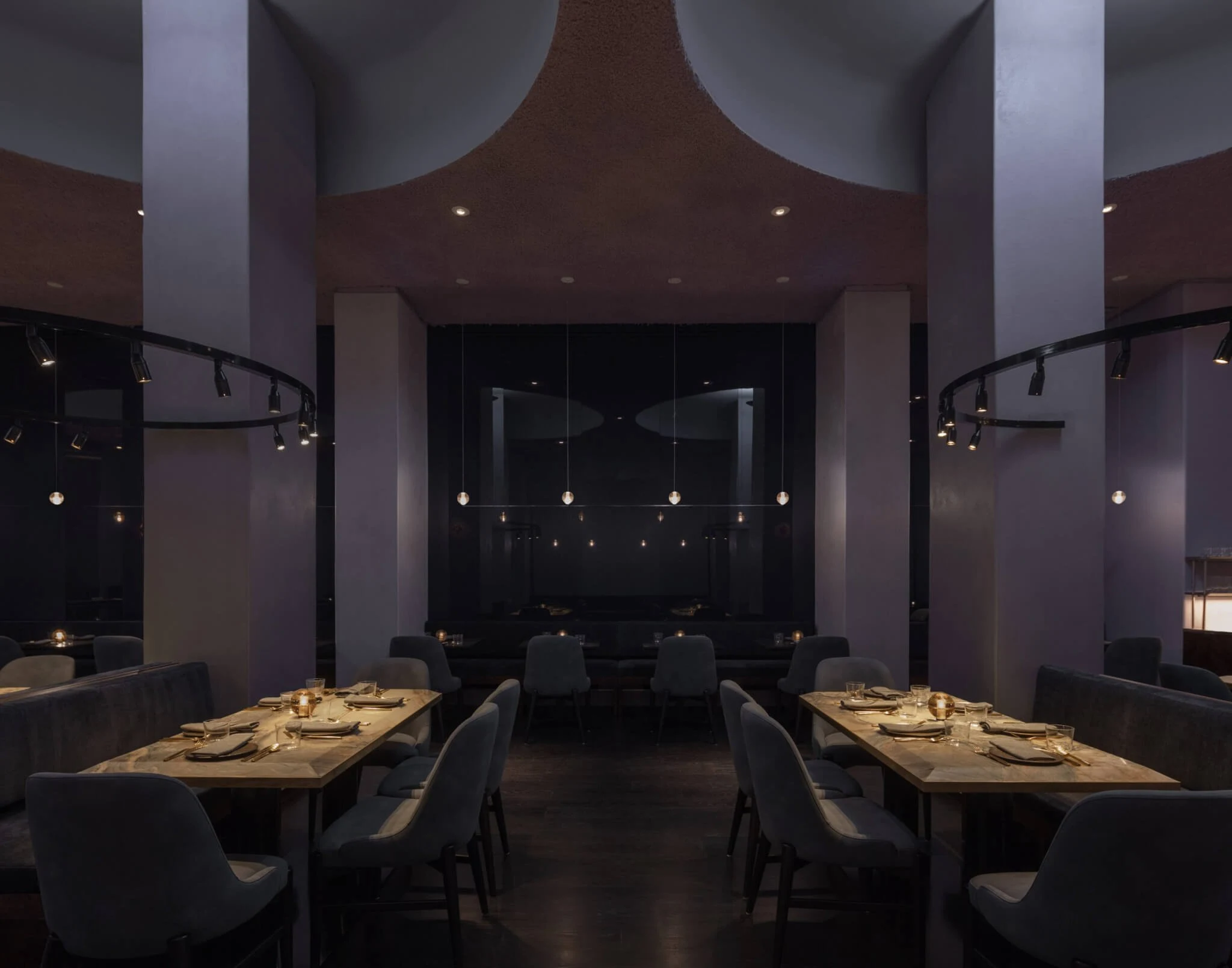
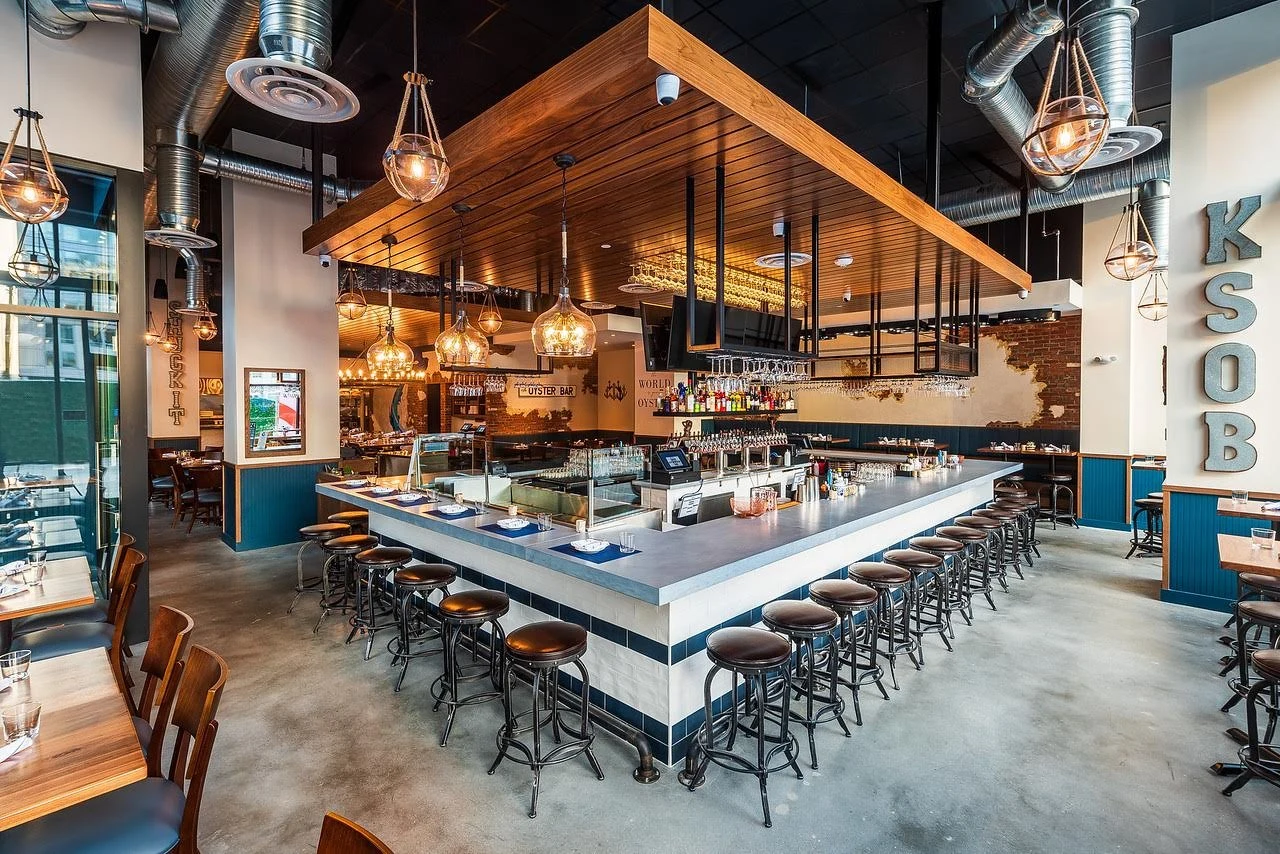
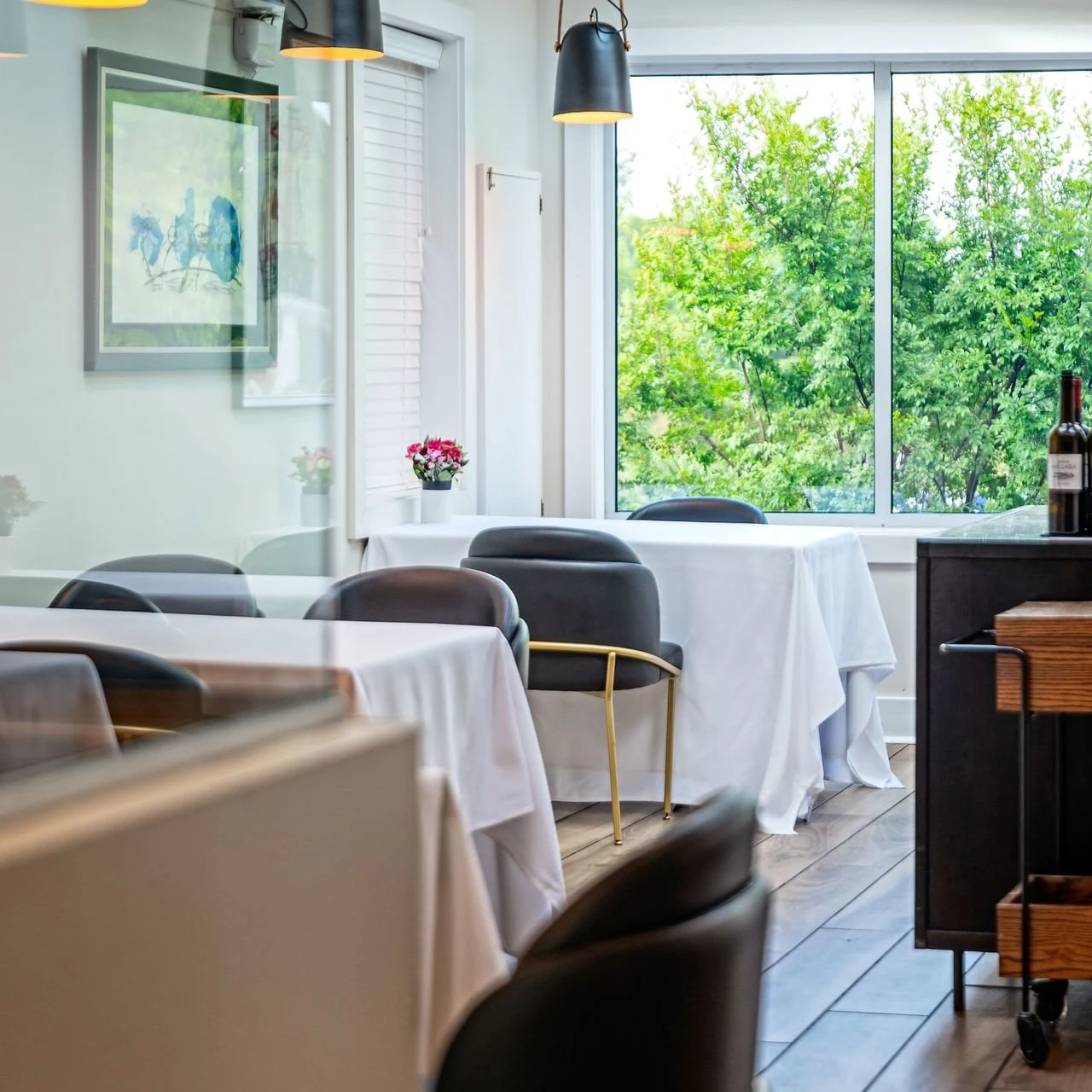
Albi is a one-star Michelin restaurant in Washington, D.C., serving modern Levantine fine dining at about $300 per person. Walk into Albi on a Tuesday evening and the first thing you register is heat, not temperature, but the radiant glow of a wood-burning hearth anchoring the dining room. The fire is not decorative. It is the organizing principle of almost every dish that leaves the kitchen, and it sets the register for everything that follows: smoke-edged, spice-forward, rooted in the eastern Mediterranean tradition that runs from Ramallah through the broader Levant. In a Washington D.C. dining scene that skews heavily toward European fine-dining formats and contemporary American menus, a restaurant built around Palestinian cooking and live fire occupies a genuinely distinct position.
Albi sits at 1346 4th St SE in Navy Yard, a neighbourhood that has shifted from an industrial waterfront into one of the city's more consequential dining corridors over the past decade. The restaurant is led by chef-owner Michael Rafidi, whose training included Le Cordon Bleu in Pennsylvania, three years at Blue Duck Tavern, where he regularly worked the wood-burning oven, and an executive chef role alongside Michael Mina at RN74 in San Francisco. Those credentials explain the technical discipline on the plate; the Palestinian family recipes and Ramallah ancestry explain why the food tastes the way it does.
The Sunday letter
Find new places through the people who run them.
Our Sunday email brings you the chefs, winemakers and hoteliers behind our newest stories. See a sample before you subscribe.
See a sample of the Sunday emailOne email a week. Unsubscribe from any issue.
The Aromatic Architecture of the Menu
Palestinian cuisine carries one of the most coherent spice traditions in the Middle East. Za'atar, with its dry herbal intensity, baharat's warm compound of allspice and black pepper, sumac's sour berry edge, and saffron's amber heat form a foundation that distinguishes Levantine cooking from its Persian and North African neighbours. At Albi, those aromatics meet live fire and Mid-Atlantic seasonality, which produces a cooking style that is neither fusion nor reinterpretation in the conventional sense. The hearth does what spice blends do in a dry pan: it builds layers. Char, smoke, and rendered fat interact with za'atar and sumac in ways that deepen both.
The signature format is a five-course tasting menu that Rafidi calls the Sofra, the Arabic word for the cloth laid on the floor around which family meals are shared. The structure is spontaneous and seasonal, meaning the menu changes with what is available from Mid-Atlantic producers rather than following a fixed sequence. Dishes documented across the restaurant's run include Maryland blue crab with sweetcorn and serrano oil, wood-fired potato pita with foraged mushrooms and hummus, and a crab rice maqluba, the layered Palestinian national dish that is typically cooked upside-down and unmoulded at the table. Brown butter knafeh with yogurt ice cream has appeared as a dessert course. À la carte ordering is also available for those who prefer to select individual dishes rather than commit to the full progression.
The wine program is worth attention in its own right. The list focuses on Mediterranean and Middle Eastern labels, which is a considered choice: the grape varieties and production regions of Lebanon, Greece, and Georgia carry acid profiles and earthy registers that pair more cleanly with za'atar-heavy preparations than most Burgundy or California bottlings would. This is not a novelty selection, it reflects a coherent understanding of how spice and smoke interact with wine.
Where Albi Sits in D.C.'s Fine-Dining Tier
Washington D.C. has accumulated a notable cluster of Michelin-starred restaurants, and the one-star tier in particular includes a diverse range of formats and cuisines. Causa (Peruvian) and Oyster Oyster both operate in that bracket, as do Jônt and Moon Rabbit. minibar by José Andrés represents the city's highest-format molecular tier. Albi occupies a different niche within that competitive set: it is the only restaurant in D.C.'s Michelin-starred group built explicitly around Palestinian cooking and live-fire technique as its primary identity rather than as an accent.
The award record substantiates that position. Albi holds a Michelin star and a James Beard Award for Outstanding Chef, awarded to Rafidi in 2024. Google reviews sit at 4.7 across 877 responses, a strong signal of consistent execution at scale.
The Live-Fire Tradition Behind the Format
Live-fire cooking has expanded considerably across American fine dining over the past decade, but most of its practitioners anchor the technique in Argentine asado or Californian wood-oven traditions. The hearth in a Palestinian context carries different associations: slow-cooked maqlooba, flatbreads baked directly on the stone, whole vegetables collapsed in their own moisture by sustained heat. Albi's approach connects to that older tradition even when the ingredients, Maryland blue crab, Mid-Atlantic foraged mushrooms, are entirely local. The result is a cooking style that uses the hearth as a translation device, converting Levantine flavour logic into Mid-Atlantic seasonal produce without erasing either.
That decision to source regionally rather than import ingredients from the eastern Mediterranean is both a practical and an editorial one. Za'atar, sumac, and baharat travel and store easily; crab, corn, and foraged mushrooms do not. By keeping the spice tradition intact while sourcing proteins and produce locally, Rafidi's menu reflects a broader tendency in contemporary American cooking to treat cultural tradition and local terroir as compatible rather than competing imperatives. It is a format that aligns Albi more closely with restaurants like Oyster Oyster in its commitment to regional sourcing, even as the cuisines share no obvious reference points.
Planning Your Visit
Albi operates Tuesday through Saturday from 5 PM to 10 PM and is closed Sunday and Monday. At the $$$$ price tier, the five-course Sofra tasting menu represents the kitchen at its most considered, though à la carte ordering at the bar is an alternative for those wanting a shorter experience. The restaurant carries Michelin-star recognition at that price point, which positions it alongside the other tasting menu formats in the city rather than the mid-range dinner category. Navy Yard is accessible by Metro on the Green Line, and the neighbourhood has expanded enough that pre- or post-dinner options in the immediate area have grown substantially since the restaurant opened. Reservations are essential.
Questions
Frequently asked
What recognition does Albi hold?
Albi holds 1 Michelin star, a place on the World's 50 Best list at number 6 and a James Beard award.
Who works at Albi?
Made By profiles Michael Rafidi (Chef) and William Simons (Wine Director and Director of Operations) at Albi.
How expensive is Albi?
Albi is listed at a price level of $$$$.
Where is Albi and what does it serve?
Albi is in Near Southeast, Washington DC, serving Modern Levantine Fine Dining.
The field
How it compares
| Place | Awards | Cuisine | Notes |
|---|---|---|---|
| Albi | Michelin 1 Star, World's 50 Best #6, James Beard | Modern Levantine Fine Dining | Near Southeast, $$$$ |
| Dōgon | World's 50 Best | Modern Afro-Caribbean | Washington DC |
| Jônt | Michelin 2 Stars | Modern Japanese Fine Dining | Washington DC |
| minibar | Michelin 2 Stars | Avant-Garde Molecular Gastronomy | Washington DC |
| Moon Rabbit | World's 50 Best | Creative Vietnamese-Cajun Fusion | Washington DC |
| Oyster Oyster | Michelin 1 Star | Modern Vegetable-Focused Tasting Menu | Washington DC |
| Xiquet by Danny Lledo | Michelin 1 Star | Modern Spanish Valencian Fine Dining | Washington DC |
In residence
Similar places
Modern Afro-Caribbean
Dōgon
Washington DC, United States
50 Best
Modern Japanese Fine Dining
Jônt
Washington DC, United States
★★
Avant-Garde Molecular Gastronomy
minibar
Washington DC, United States
★★
Creative Vietnamese-Cajun Fusion
Moon Rabbit
Washington DC, United States
50 Best
Modern Vegetable-Focused Tasting Menu
Oyster Oyster
Washington DC, United States
★
Modern Spanish Valencian Fine Dining
Xiquet by Danny Lledo
Washington DC, United States
★
The Sunday letter
Get the next Made By story in your inbox.
We send one email every Sunday morning with the places and people we covered that week.
See a sample of the Sunday emailOne email a week. Unsubscribe from any issue.