DIAMANTAKIS WINERY
- 01CityHeraklion Crete, Greece

- Falstaff Winery - Listed · 2026
The approach to Cretan wine is changing, and the hills outside Heraklion explain why. Away from the coast, vineyards climb toward Mount Psiloritis, where altitude, sun exposure, and cooler air give native grapes a different register from the island’s beach-resort image. DIAMANTAKIS WINERY sits in that inland version of Crete: rural, family-run, modern in its cellar work, and tied to varieties that have become central to the island’s wine revival.
For a wider view of the city’s drinking and dining context, start with Our full Heraklion Crete wineries guide, then pair it with Our full Heraklion Crete restaurants guide, Our full Heraklion Crete bars guide, Our full Heraklion Crete hotels guide, and Our full Heraklion Crete experiences guide. Heraklion rewards that kind of planning because the stronger wine visits sit outside the urban restaurant grid, closer to the agricultural Crete that actually shapes the bottle.
Altitude, native grapes, and the inland case for Cretan wine
Crete’s serious wine conversation has moved beyond the easy shorthand of warm-island reds and holiday whites. The more interesting story is altitude and variety. Diamantakis works 15 hectares of privately owned vineyards at about 450 metres on the eastern foothills of Mount Psiloritis, in the Malevizi area. That elevation matters: it gives producers a tool against heat, helps preserve freshness, and makes the local grapes more than heritage talking points.
Vidiano, Assyrtiko, Liatiko, and Mandilaria form the native spine here, with Syrah, Chardonnay, and Malvasia di Candia Aromatica also in the picture. The mix says something about contemporary Greek wine as a whole. Producers are not choosing between local identity and technical fluency; they are using familiar international grapes where useful while giving the main argument to varieties with Cretan roots. In that context, the winery’s portfolio reads as a compact introduction to the island’s current ambitions rather than a nostalgic exercise.
The estate’s first bottling came in 2009, following construction that began in 2006 and was completed in 2008. That timeline places the winery within a generation of Greek producers that built modern facilities while international interest in indigenous grapes was accelerating. The annual production figure, around 140,000 bottles, also puts it in a useful middle band: large enough to travel beyond the island, small enough for vineyard identity to remain part of the conversation.
A portfolio split between fresh release and reserve structure
The useful way to read the wines is by format. The Prinos line carries the fresher side of the house, including Malvasia di Candia Aromatica with Chardonnay, Syrah, and rosé made from Syrah and Mandilaria. The Diamantopetra wines sit in the reserve camp, with red and white bottlings that use combinations such as Syrah with Mandilaria and Vidiano with Assyrtiko. That split is valuable for visitors because it shows two Cretan arguments side by side: immediate aromatic clarity and more structured, age-conscious winemaking.
Vidiano deserves particular attention in Crete because it has become one of the island’s persuasive white-grape calling cards. At Diamantakis, a varietal Vidiano entered the portfolio early, after the first releases, and its presence gives the tasting a clear regional anchor. Assyrtiko brings a broader Aegean reference point, while Mandilaria and Liatiko connect the reds to an older Cretan vocabulary of tannin, colour, and savoury structure. The result is not a museum of grapes; it is a working portfolio designed for comparison.
Recognition has followed that model. The wines have earned medals at competitions including the Decanter World Wine Awards, Vienna Wine Challenge, International Wine Challenge, Concours Mondial de Bruxelles, Citadelles du Vin, Challenge International du Vin, Berliner Wein Trophy, and Vinalies Internationales. Medal lists never replace tasting, but they do signal that Cretan producers are being assessed on international benches, not only praised at home. For a region still explaining itself to many travelling drinkers, that matters.
How to place the visit within a Greek wine itinerary
Greek wine travel is often fragmented by geography: island vineyards, northern mountain zones, mainland appellations, and urban tasting rooms all ask for different expectations. A Heraklion-area winery visit is not the same proposition as a mainland cellar stop. The value here is the connection between vines, altitude, and Cretan varieties in the same frame, rather than a grand architectural tasting room or a trophy-cellar performance.
That makes Diamantakis a strong fit for travellers who want context before dinner in Heraklion, especially if the restaurant list will include local cheeses, grilled meats, seafood, and vegetable-led Cretan dishes. The wines make more sense when read against food culture: Vidiano and Assyrtiko for freshness and texture, Mandilaria and Liatiko for firmer reds, and blends that show how local and international grapes are being balanced in current Greek production.
For broader comparison across Greece and nearby wine regions, keep a separate map. Abraam's Vineyards in Komninades, Achaia Clauss in Patras, Acra Winery in Nemea, Aidarinis Winery in Goumenissa, and Aiolos Winery in Palaio Faliro show how different Greek settings shape the visitor experience. Further north and abroad, Akrathos Newlands Winery in Panagia, Alpha Estate in Amyntaio, Anatolikos Vineyards in Xanthi, »der Steiner« Hans Steiner in Podersdorf am See, and & Handwein in Mannheim underline the same point: wine tourism works when place, grape, and format are read together.
The editorial case for DIAMANTAKIS WINERY is therefore not scale or spectacle. It is a clear lens on the Heraklion hinterland, where a family estate founded in 2007 has turned three generations of vine-growing into a modern Cretan cellar. The visit belongs in an itinerary built around terroir rather than checklist collecting.
Questions
Frequently asked
How expensive is DIAMANTAKIS WINERY?
DIAMANTAKIS WINERY is listed at a price level of $$.
The field
How it compares
| Place | Notes |
|---|---|
| DIAMANTAKIS WINERY | Kato Asites, Malevizi province, $$ |
| Ardbeg | Port Ellen |
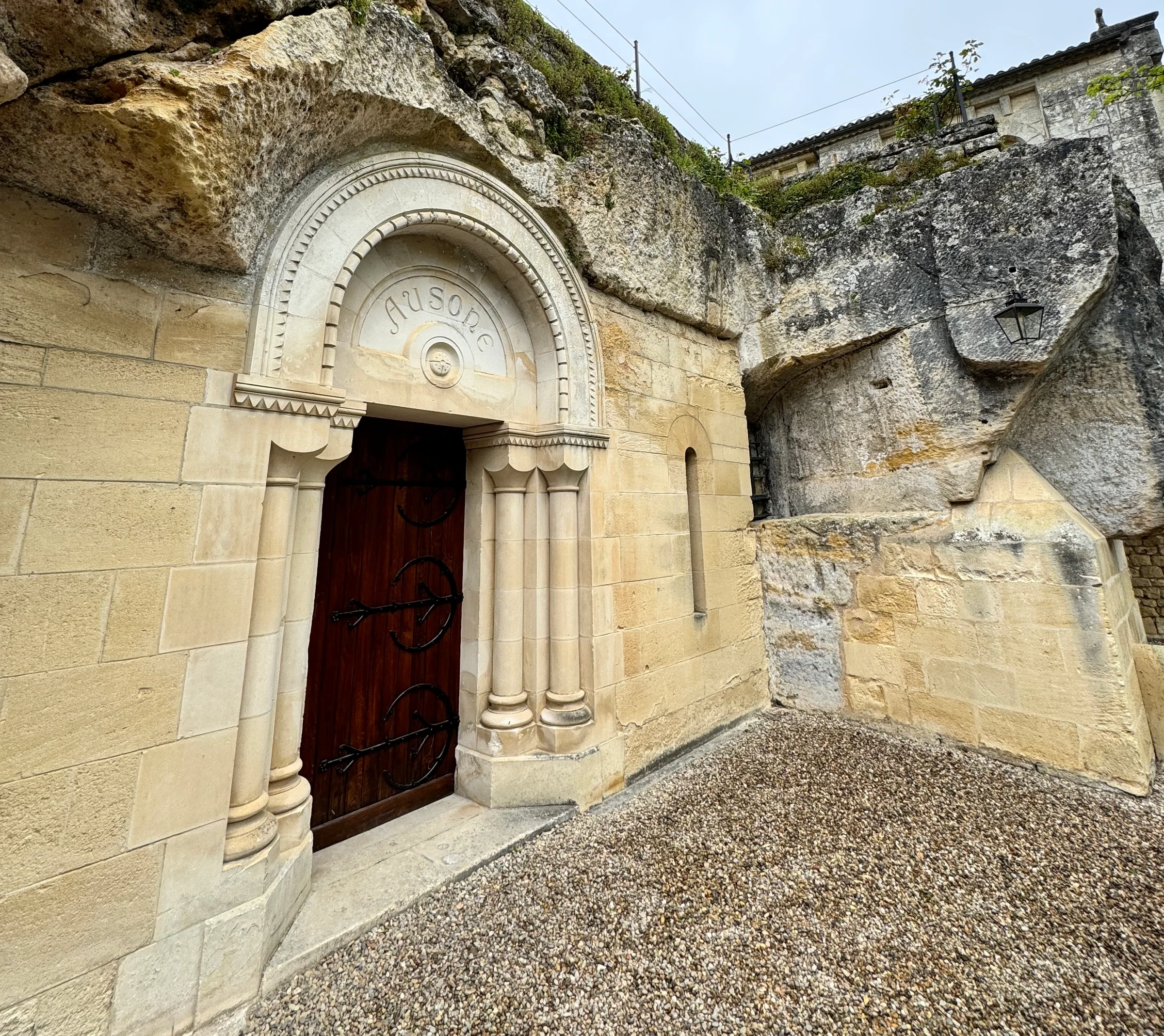
| Chateau Ausone | Saint-Émilion |
| Château Rayas | Châteauneuf-du-Pape |
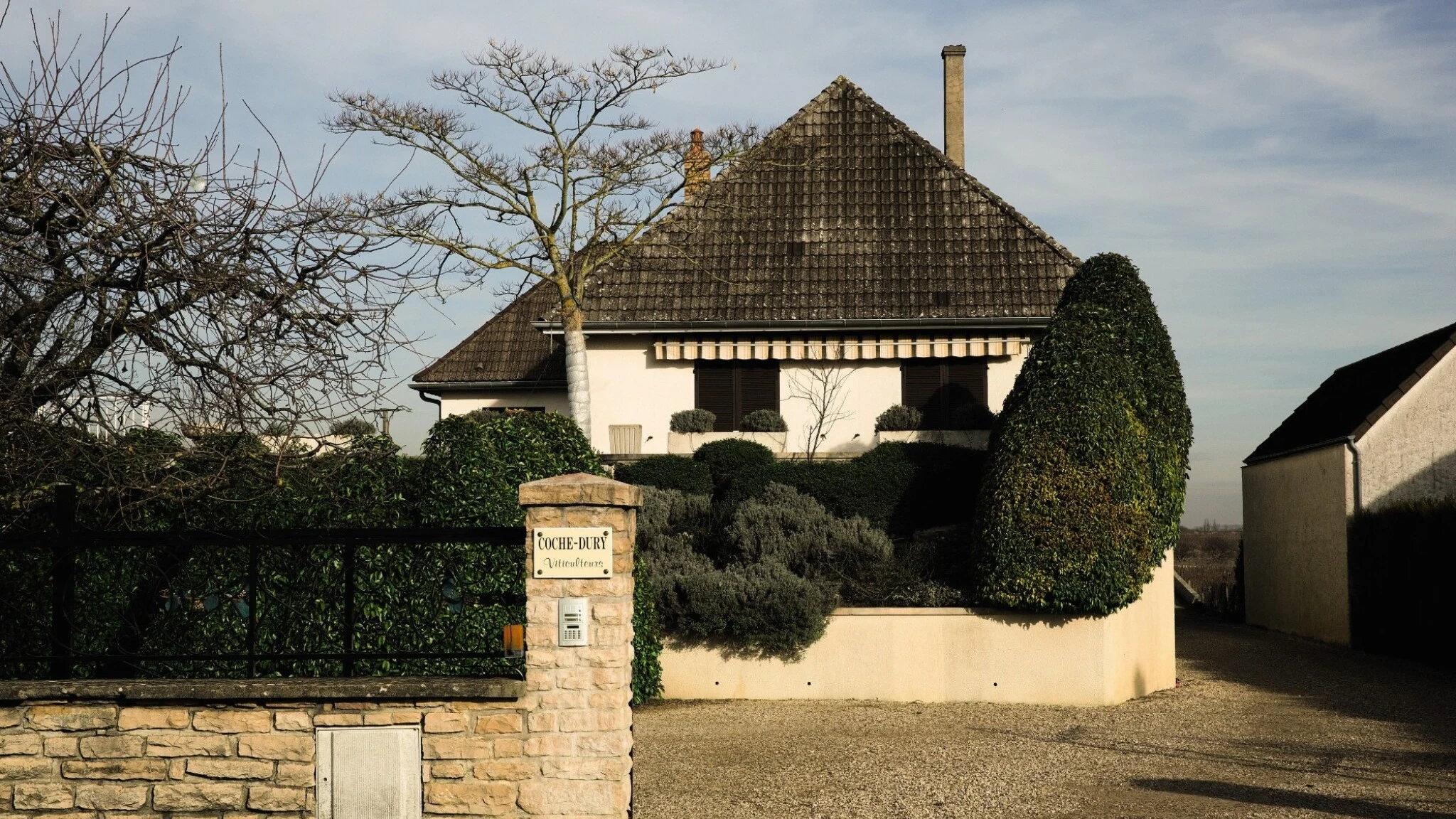
| Domaine Coche-Dury | Meursault |
| Michter's | Louisville |
| Screaming Eagle | Napa |