- Falstaff Winery - Listed · 2026
In Saint-Blaise, Dimitri Engel is best understood as a small, cellar-focused Neuchâtel winery with an intimate, conversational feel. The appeal is not a formal tour structure or a large hospitality setting, but a cozy experience built around exchange, pleasure, and discovery. That distinction matters, because the venue reads less like a place to approach with a checklist and more like one to approach with curiosity, patience, and an interest in the cellar itself.
For readers comparing options in Saint-Blaise, the useful frame is simple: this is a classic hidden-gem setting where the encounter is centered on the cellar and the conversation. Specific details about individual wines, visit formats, hours, or services should be confirmed directly before planning around them. The safest expectation is therefore not a fixed program, but a compact wine experience whose character comes from proximity, informality, and the chance to engage in a more personal way.
A small Saint-Blaise cellar with a conversational point of view
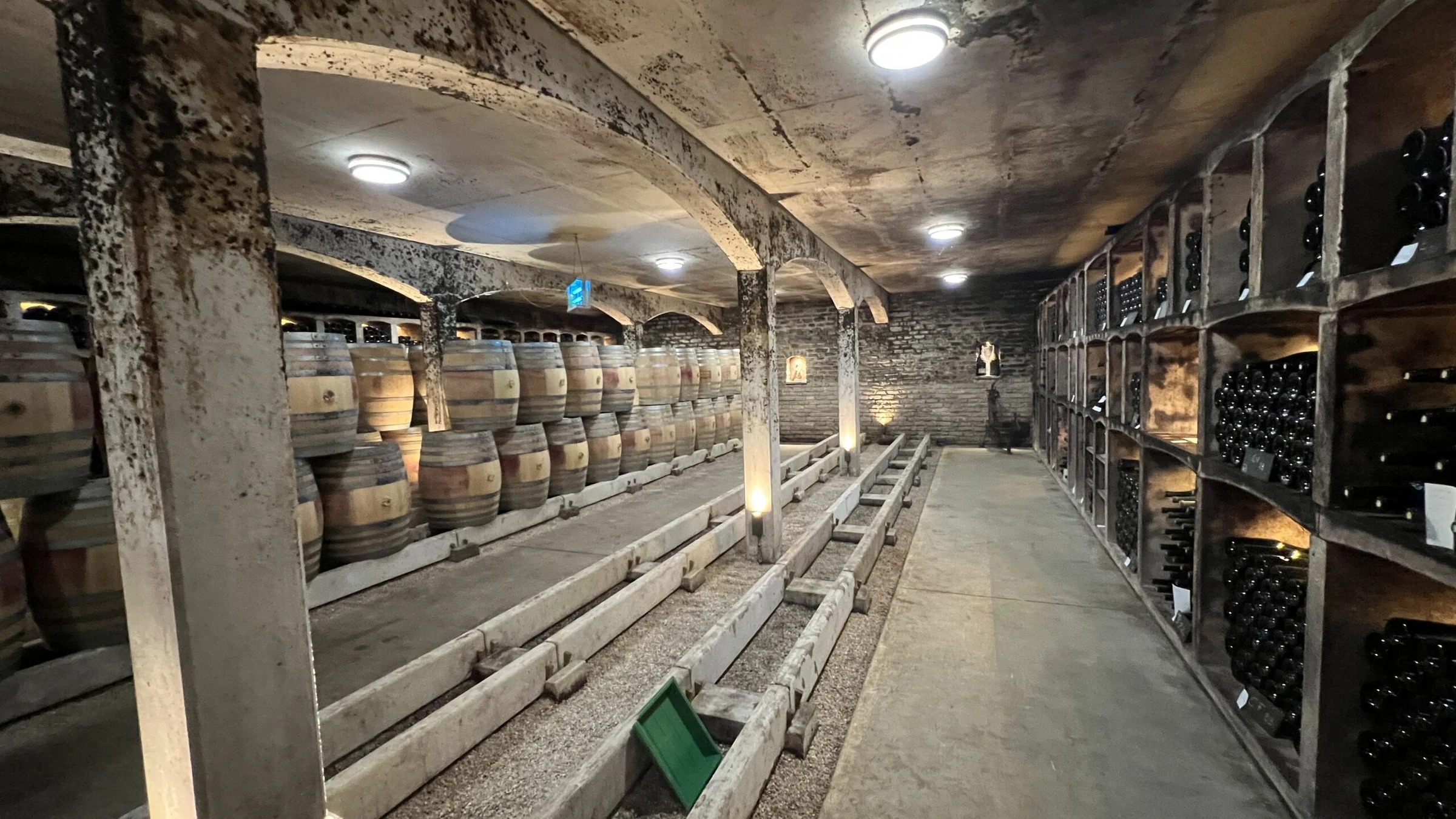
Dimitri Engel’s clearest identity is its scale and atmosphere. It is described as intimate, cozy, and cellar-focused, which makes it better suited to visitors looking for a direct, low-key wine encounter than for those seeking a highly formal or expansive venue. In practical terms, that means its strongest appeal is likely to be felt by people who enjoy smaller settings, where the sense of place comes through in the room, the cellar context, and the rhythm of conversation rather than in a large-scale visitor infrastructure.
The tone is built around exchange, pleasure, and discovery. That makes conversation part of the experience: the value is in the close setting and the opportunity to engage with the winery rather than in a scripted tour claim or a detailed program that has not been established here. The word “discovery” is especially useful here, because it signals an encounter that may feel more exploratory than ceremonial. Visitors should think of the visit as a chance to understand the winery through a more human, conversational lens, not as a guaranteed sequence of set pieces.
Treat Dimitri Engel as a Saint-Blaise winery to approach for a compact, cellar-based visit, and confirm practical details directly. That direct confirmation is important precisely because the available description emphasizes atmosphere more than logistics. Anyone building a day around the stop should keep expectations flexible and allow the cellar-focused nature of the venue to guide the experience.
A cellar-focused experience rather than a formal tour
The description points away from formality. Dimitri Engel is presented as a small Neuchâtel winery where the experience is intimate and conversational, with discovery and pleasure at the center. It should not be oversold as a broad hospitality campus or as a venue with confirmed services beyond that cellar-focused identity. Its appeal is narrower, and that is part of the point: the setting is best read as compact, personal, and grounded in the cellar, rather than expansive or highly produced.
That also affects how visitors should compare it with other wine stops. A more formal venue may emphasize structure, scale, or clearly defined visitor services; Dimitri Engel, as described here, is more about atmosphere and directness. The pleasure comes from the closeness of the encounter and from the possibility of conversation shaping the visit. For some travelers, that restraint will be exactly the draw, because it keeps the emphasis on the winery’s own setting rather than on a heavily packaged experience.
The price positioning is listed as $$, which gives a general sense of price level without implying a specific tasting fee or package. It should be read only as broad guidance, not as a promise of what any particular visit will include or cost. As with the rest of the practical details, the sensible move is to verify directly before making firm plans.
Saint-Blaise has other dining options that can be considered generically as part of a local itinerary, but Dimitri Engel’s draw is its own compact, classic cellar atmosphere. Build plans with flexibility and confirm current details before visiting. Rather than treating the winery as a self-contained day plan, it may be better understood as a focused stop: one that can add texture to time in Saint-Blaise through a quieter, more intimate wine encounter.
Where it sits in a wider Swiss wine itinerary
Dimitri Engel fits a Swiss wine itinerary as a small Saint-Blaise stop for travelers who prefer intimate cellar encounters over polished spectacle. Its value is the close, conversational setting and the sense of discovery associated with a hidden-gem winery. In a broader itinerary, that makes it useful as a counterpoint to larger or more formal experiences, provided travelers keep the expectations appropriately modest and confirm arrangements in advance.
For travelers interested in a quieter Neuchâtel wine stop, Dimitri Engel offers a grounded and personal-feeling option. The main reason to seek it out is not the promise of extensive services, but the appeal of a cozy cellar setting where exchange and discovery are central. Approached on those terms, it reads as a restrained, characterful Saint-Blaise address for visitors who value conversation as much as structure.
Questions
Frequently asked
Who works at Dimitri Engel?
Made By profiles Dimitri Engel (Winemaker) at Dimitri Engel.
How expensive is Dimitri Engel?
Dimitri Engel is listed at a price level of $$.
The field
How it compares
| Place | Notes | Awards |
|---|---|---|
| Dimitri Engel | Saint-Blaise, $$ | · |
| Domaine Georges Mugneret-Gibourg | Vosne-Romanée | · |
| Domaine Jean-Louis Chave | Mauves | · |
| Domaine Saint-Sébaste | Saint-Blaise | · |
| Mission Hill Family Estate | West Kelowna | World's 50 Best |
| Ridge Vineyards | Cupertino | World's 50 Best |
| Viña VIK | San Vicente De Tagua Tagua | World's 50 Best |